How Does Hot Water Recirculation Work
Frequently Asked Questions: Hot Water Recirculation Systems
Are you tired of waiting for hot water to reach your faucet? A hot water recirculation system could be the solution! This article answers common questions about how these systems work, their benefits, and more.
Q1: What exactly is a hot water recirculation system?
A hot water recirculation system is designed to provide instant or near-instant hot water at your faucets and showers. It eliminates the wait time and the wasted water that occurs while waiting for the hot water to travel from your water heater to the fixture.
Instead of letting cool water sit in the pipes between the water heater and your taps, the system continuously circulates hot water through a loop. When you turn on the hot water tap, hot water is available almost immediately.
Q2: How does a hot water recirculation system actually work? What are the main components?
The core principle is continuous circulation. Here's a breakdown of the key components and their functions:
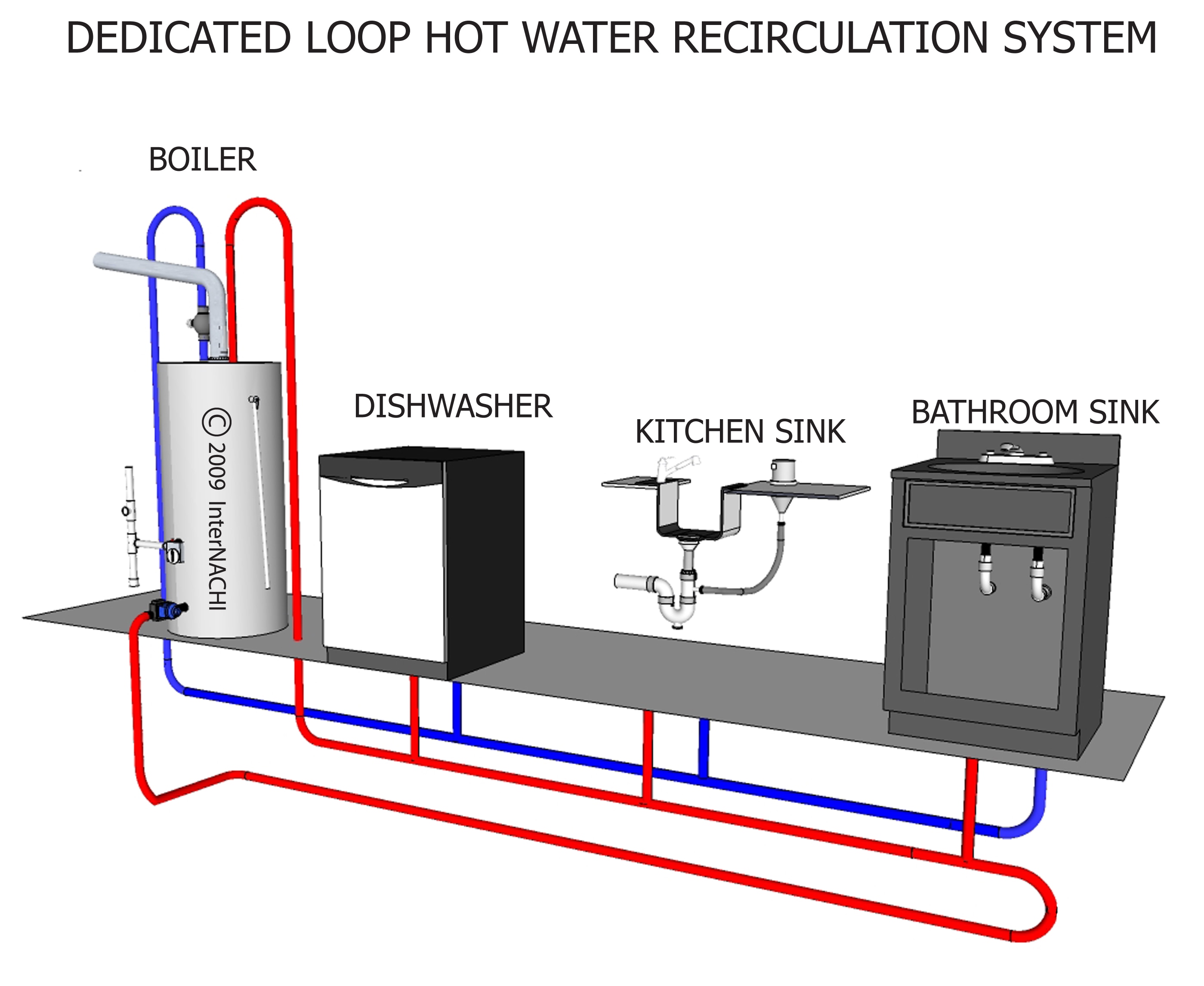
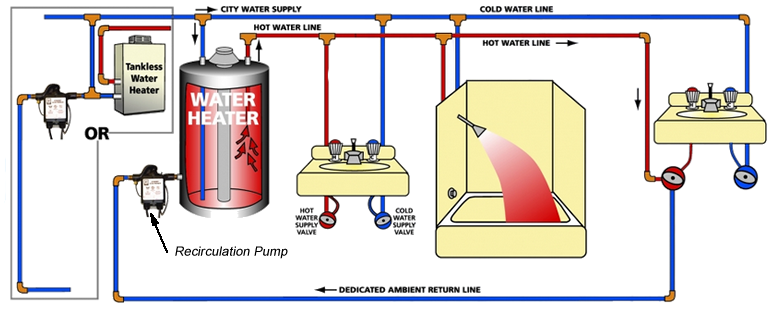
- Water Heater: This is your existing water heater, the source of the hot water. No changes are usually required to the heater itself.
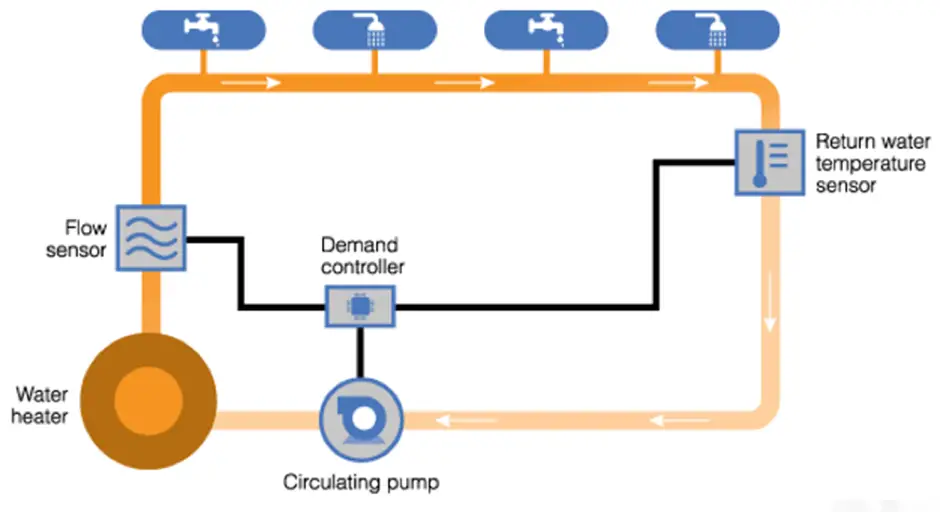
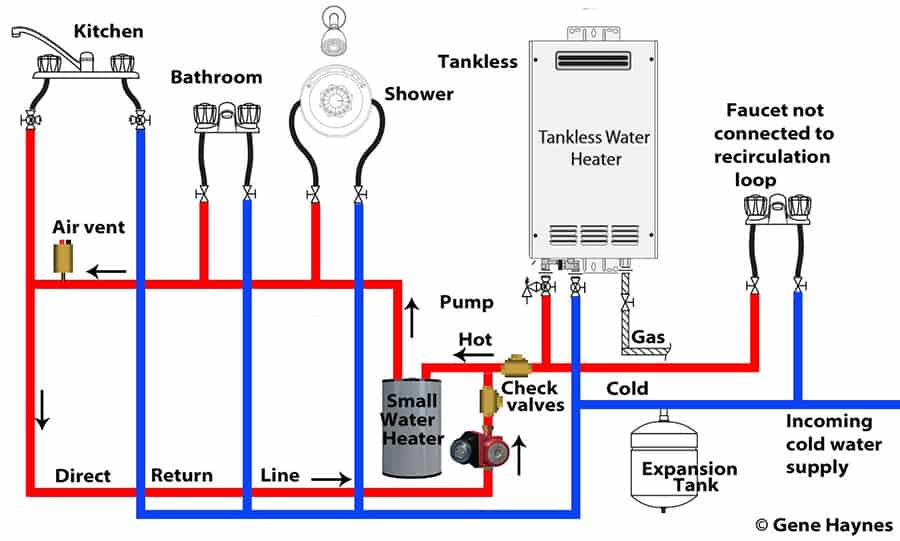
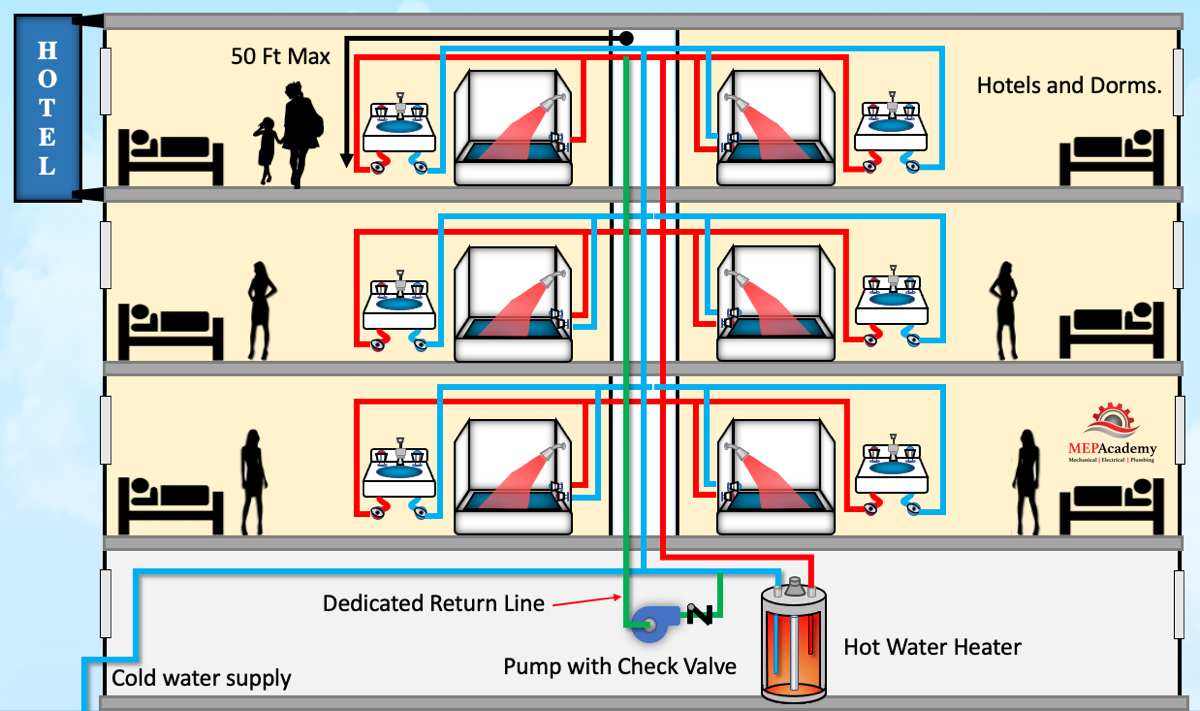
- Pump: The recirculation pump is the heart of the system. It's responsible for moving the hot water through the pipes. These pumps are usually small, energy-efficient, and specifically designed for hot water applications.
- Dedicated Return Line (preferred): The best systems use a dedicated return line, a separate pipe running from the farthest fixture back to the water heater. This provides a direct path for the cooled water to return.
- Crossover Valve (for systems without a dedicated return line): If a dedicated return line isn't feasible, a crossover valve is used. This valve is typically installed under the sink of the fixture furthest from the water heater. It uses the cold water line as a return path.
- Control System (Timer or Thermostat): These systems allow you to control when the pump operates, maximizing energy savings. A timer allows you to set specific times for operation (e.g., only during peak usage hours), while a thermostat monitors the water temperature in the return line and activates the pump only when the temperature drops below a set point.
The pump pushes hot water from the water heater through the hot water supply lines. In a system with a dedicated return line, cooled water flows back to the water heater through this line. In a system with a crossover valve, the cooled water flows into the cold water line. This cooler water mixes with the cold water supply, which may slightly affect the cold water temperature, especially if the pump runs frequently.
Q3: What are the benefits of installing a hot water recirculation system?
The advantages of a hot water recirculation system are numerous:
- Instant or Near-Instant Hot Water: The most obvious benefit is the immediate availability of hot water at your taps. This saves time and frustration.
- Water Conservation: By eliminating the need to run the tap while waiting for hot water, you conserve a significant amount of water. This is especially beneficial for large households or in areas with water scarcity.
- Energy Savings: While the pump does consume some energy, the reduction in water waste often leads to overall energy savings, especially when combined with a timer or thermostat to control pump operation. You're not heating water that simply goes down the drain.
- Convenience: Enjoy the comfort and convenience of having hot water readily available whenever you need it.
- Reduced Plumbing Wear and Tear: Constant stagnant water in pipes can contribute to corrosion. Recirculation keeps the water moving, potentially reducing plumbing issues.
Q4: Are there different types of hot water recirculation systems? What are the pros and cons of each?
Yes, there are two main types:
- Systems with a Dedicated Return Line:
- Pros:
- Most Efficient: Offers the most consistent and reliable performance.
- Minimal Impact on Cold Water Temperature: Because the cooled water returns via a separate pipe, it doesn't affect the temperature of your cold water supply (except very close to the water heater where the return line connects).
- Cons:
- More Expensive to Install: Requires running a new pipe, which can be costly and disruptive, especially in existing homes. Best suited for new construction or major renovations.
- Pros:
- Systems with a Crossover Valve (Comfort Valve):
- Pros:
- Easier and Less Expensive to Install: Doesn't require running a new pipe, making it a more practical option for retrofitting existing homes.
- Cons:
- Can Affect Cold Water Temperature: The cooled water returns through the cold water line, potentially warming the cold water, especially when the pump runs frequently. This can be undesirable, particularly in summer.
- Less Efficient: Can be less efficient than a dedicated return line system, as the cold water line isn't designed for constant hot water flow.
- Pros:
The best choice depends on your budget, the layout of your plumbing, and your tolerance for slightly warmer cold water.
Q5: How much does it cost to install and operate a hot water recirculation system?
Costs vary depending on several factors:
- Type of System: As mentioned, dedicated return line systems are generally more expensive to install due to the need for new piping.
- Plumbing Complexity: The more complex your plumbing system, the higher the installation cost.
- Pump Quality: The price of the pump itself can vary depending on its quality, features (like timers or thermostats), and flow rate.
- Labor Costs: Hiring a qualified plumber will add to the overall cost. Get quotes from multiple plumbers to compare prices.
Installation Costs: Expect to pay anywhere from $300 to $800 for a crossover valve system installation and $800 to $2000+ for a dedicated return line system installation.
Operating Costs: The pump's energy consumption is typically minimal, usually costing only a few dollars per month. However, if you're using a system without a timer or thermostat, the pump will run continuously, increasing energy consumption. Also, consider the energy used to reheat the water that cools down in the pipes, although this is usually offset by the savings from reduced water waste. Choosing an energy-efficient pump and using a timer or thermostat can help minimize operating costs.
Q6: Can I install a hot water recirculation system myself, or should I hire a professional?
While some DIYers might be tempted to install a recirculation system themselves, it's generally recommended to hire a licensed plumber. Here's why:
- Plumbing Expertise: Plumbers have the knowledge and experience to properly assess your plumbing system and determine the best type of system for your needs.
- Proper Installation: Incorrect installation can lead to leaks, inefficient operation, and even damage to your plumbing system.
- Code Compliance: Plumbers are familiar with local plumbing codes and regulations, ensuring that the installation is done safely and legally.
- Warranty: A professional installation often comes with a warranty, protecting you against defects in workmanship.
If you're comfortable with basic plumbing tasks and understand the principles of recirculation systems, you might be able to install a crossover valve system. However, running new piping for a dedicated return line system is definitely a job for a professional.
Q7: What should I look for when choosing a hot water recirculation system and a plumber?
Here are some tips for selecting the right system and plumber:
Choosing a System:
- Consider Your Needs and Budget: Evaluate your hot water usage patterns and your budget to determine the best type of system for your home.
- Pump Size and Flow Rate: Choose a pump with the appropriate size and flow rate for your plumbing system. A pump that's too small won't provide adequate circulation, while a pump that's too large will waste energy.
- Energy Efficiency: Look for pumps with high energy efficiency ratings.
- Features: Consider features like timers, thermostats, and adjustable settings to optimize performance and energy savings.
- Read Reviews: Research different brands and models and read customer reviews to get an idea of their reliability and performance.
Choosing a Plumber:
- Licensing and Insurance: Make sure the plumber is licensed and insured.
- Experience: Choose a plumber with experience installing hot water recirculation systems.
- References: Ask for references from previous clients.
- Estimates: Get written estimates from multiple plumbers before making a decision.
- Warranty: Inquire about the plumber's warranty on their workmanship.
- Communication: Choose a plumber who is responsive, communicative, and willing to answer your questions.
By carefully considering these factors, you can choose a hot water recirculation system and a plumber that will provide you with years of reliable service and hot water on demand.