How Does Humidity Affect The Heat Index
It's a sweltering summer day, and you're relying on your window air conditioner to keep you cool. But instead of a refreshing blast of cold air, you're met with lukewarm disappointment. The air conditioner is running, but it's barely making a dent in the room's temperature. One major culprit could be the heat index, which is heavily influenced by humidity. But first, let’s explore why your window AC might be underperforming, then we'll dive into the relationship between humidity and the heat index.
Troubleshooting Your Underperforming Window Air Conditioner
Before blaming the humidity entirely, let’s explore some common reasons why your window air conditioner might be failing to cool effectively. Remember to always unplug the unit before attempting any troubleshooting steps, especially those involving internal components.
Step 1: The Power Supply
Start with the basics. A faulty power supply is a common reason for air conditioner malfunctions.
- Check the outlet: Plug a different appliance (like a lamp) into the outlet to ensure it's working. If the lamp doesn't turn on, the problem is with the outlet, not the air conditioner. Try a different outlet.
- Inspect the power cord: Look for any visible damage to the power cord, such as fraying, cuts, or exposed wires. Do not use the air conditioner if the cord is damaged. A damaged cord poses a serious electrical hazard. Contact a qualified electrician to replace the cord, or consider replacing the entire unit if it's an older model.
- Reset the circuit breaker: Locate the circuit breaker that controls the outlet the air conditioner is plugged into. If the breaker has tripped, flip it to the "off" position and then back to the "on" position. If the breaker trips again immediately, there may be a more serious electrical problem, and you should consult an electrician.
Step 2: Air Conditioner Settings
Sometimes, the problem is simply incorrect settings.
- Check the temperature setting: Make sure the temperature is set low enough to effectively cool the room. A setting that's only a few degrees below the current room temperature won't provide much relief.
- Select the correct mode: Ensure the air conditioner is set to "Cool" mode, not "Fan" or "Auto." In "Fan" mode, the unit only circulates air, without cooling it. "Auto" mode may not be sufficient if the room is significantly warmer than the set temperature.
- Adjust the fan speed: A higher fan speed will circulate more air and potentially improve cooling performance.
Step 3: Airflow Obstructions
Blocked airflow can significantly reduce the efficiency of your air conditioner.
- Clean the air filter: The air filter is designed to trap dust and debris, preventing them from entering the air conditioner and damaging its components. A clogged filter restricts airflow, forcing the unit to work harder and reducing its cooling capacity. Clean the air filter every 2-4 weeks, or more frequently if you have pets or live in a dusty environment. Most air filters can be washed with mild soap and water, allowed to dry completely, and then reinstalled. Some air filters are disposable and need to be replaced.
- Clear the outside vents: Make sure the outside vents of the air conditioner are not blocked by plants, furniture, or other objects. These vents are necessary for exhausting hot air from the unit.
- Ensure proper window seal: Check that the air conditioner is properly sealed in the window frame. Gaps around the unit allow warm air to enter the room, reducing the cooling effect. Use weather stripping or foam to seal any gaps.
Step 4: Condenser Coils
The condenser coils, located on the outside of the unit, release heat. Dirty coils reduce efficiency. Unplug the AC before proceeding.
- Inspect the coils: Visually inspect the condenser coils for dirt, dust, and debris.
- Clean the coils: Use a soft brush or a vacuum cleaner with a brush attachment to gently remove loose debris. For more stubborn dirt, you can use a fin comb to straighten bent fins and improve airflow. Specialized coil cleaner can also be used, following the manufacturer's instructions carefully. Be careful not to damage the delicate fins.
Step 5: Identifying More Complex Issues (Leave to Professionals)
If you've tried the above steps and your air conditioner is still not cooling effectively, the problem may be more complex and require professional assistance. These issues often involve electrical components, refrigerant, or internal mechanical parts.
- Refrigerant Leaks: Low refrigerant levels can significantly reduce cooling performance. Refrigerant leaks require specialized equipment and training to repair. Do not attempt to handle refrigerant yourself.
- Compressor Problems: The compressor is the heart of the air conditioner, and if it fails, the unit will not cool. Compressor repairs are complex and expensive, and often it's more cost-effective to replace the entire unit.
- Electrical Component Failures: Problems with the motor, capacitor, or other electrical components can prevent the air conditioner from functioning properly. Electrical repairs should only be performed by a qualified electrician.
- Drainage Issues: If the air conditioner's drainage system is clogged, it can lead to water buildup and reduced cooling efficiency. Cleaning the drain line may require specialized tools and knowledge.
When to call a professional: Any repair involving electrical wiring beyond basic cord replacement, refrigerant handling, or complex mechanical components should be left to a qualified technician. Your safety and the longevity of your appliance depend on it.
How Does Humidity Affect the Heat Index?
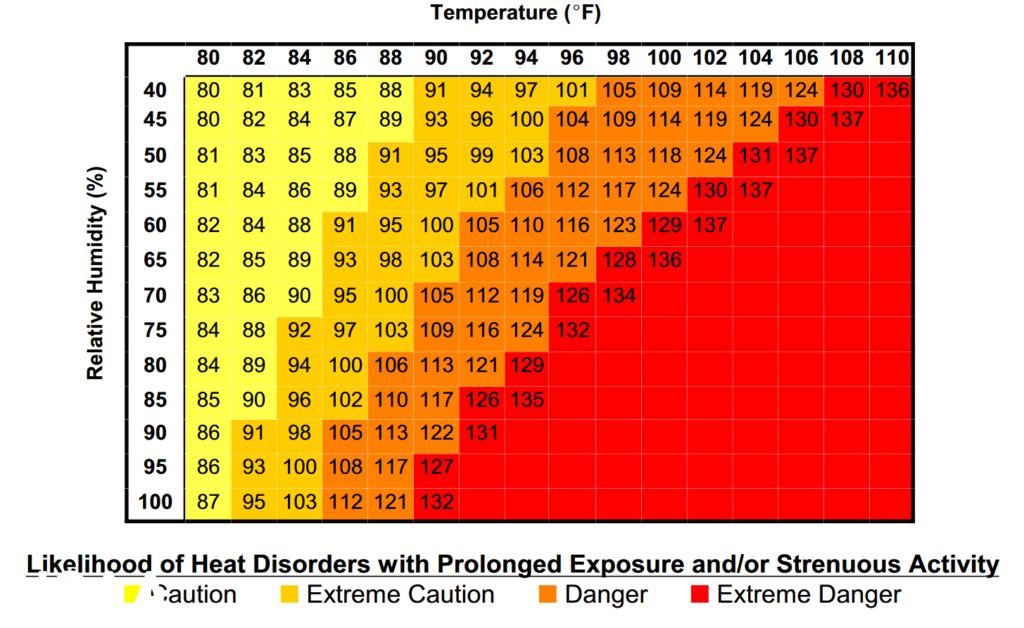
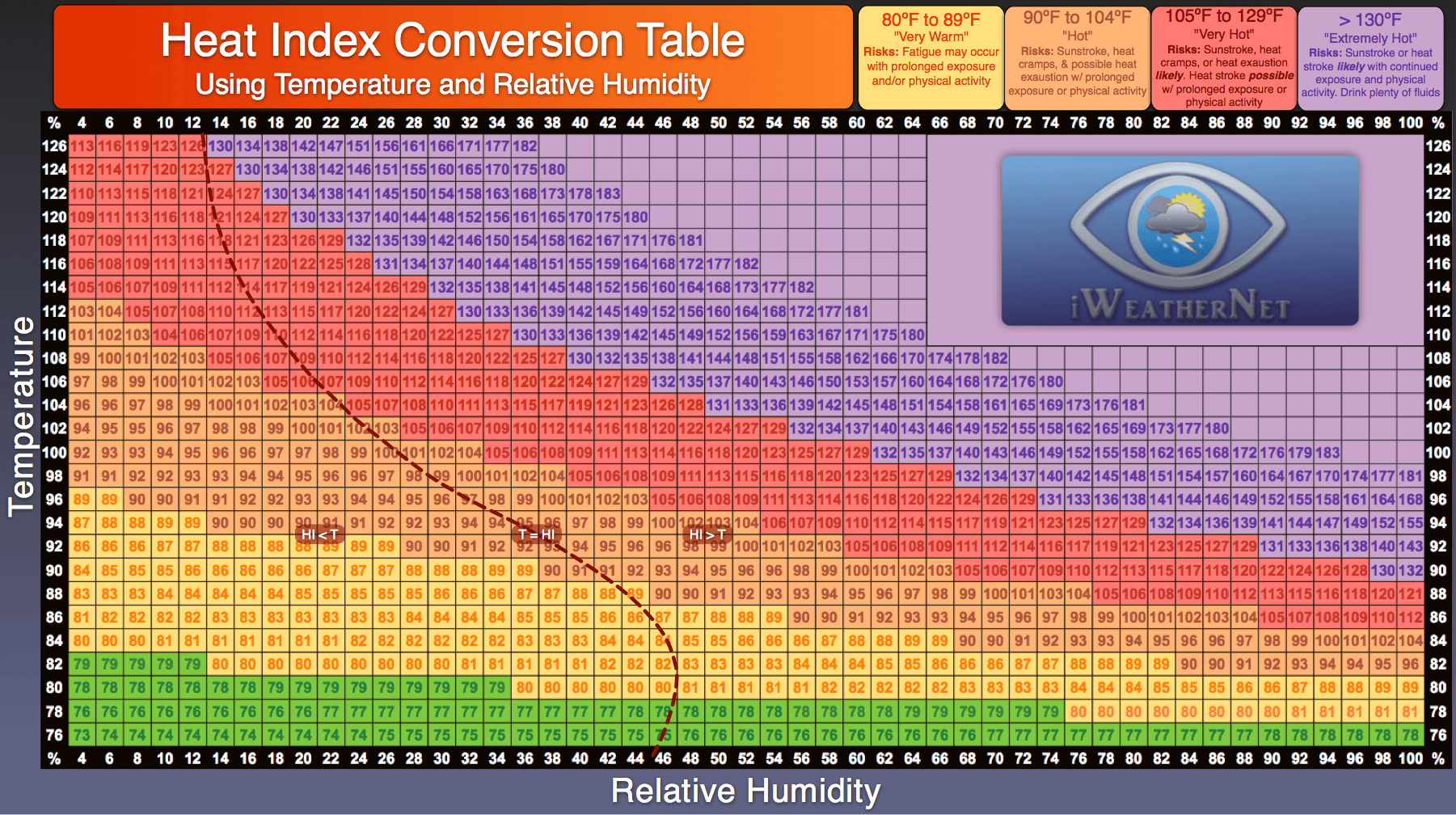
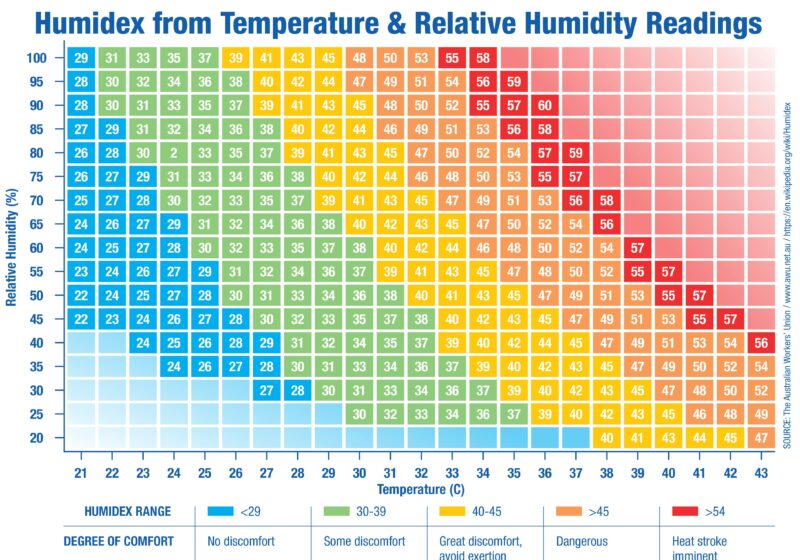
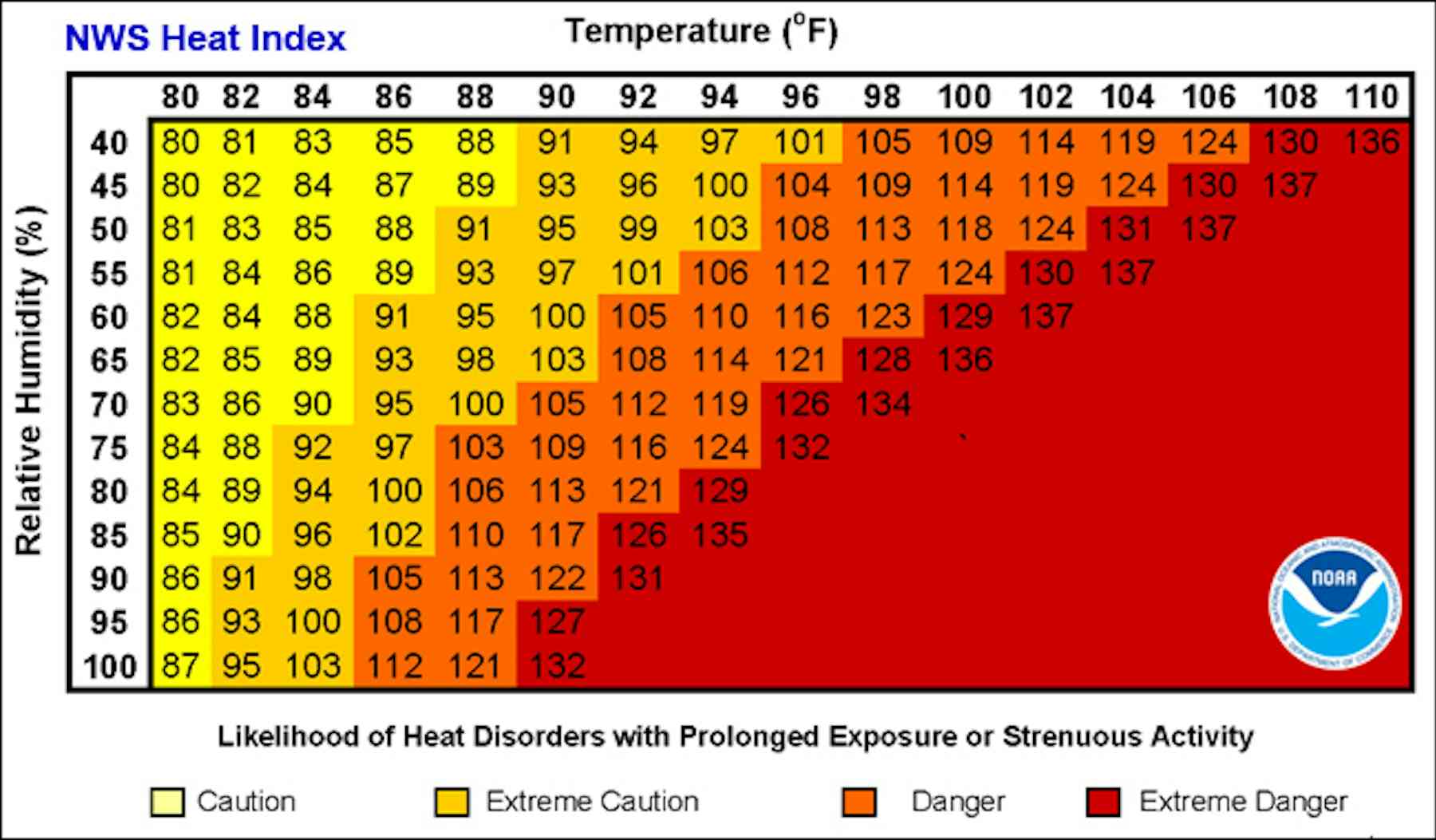
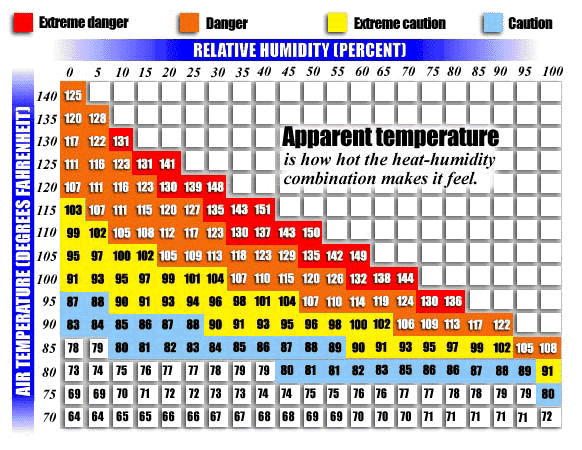
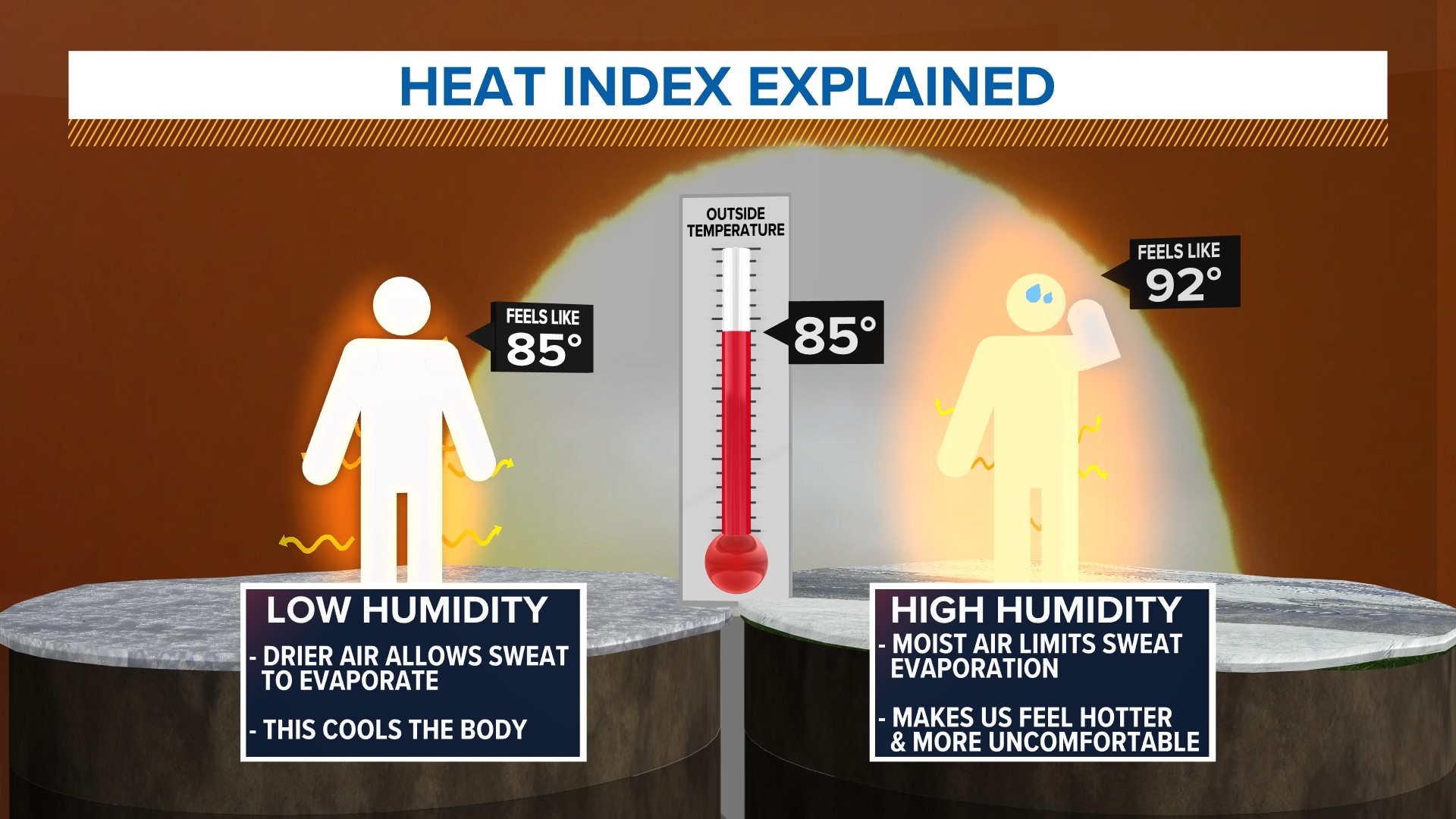
Now, let's address the crucial role humidity plays in how hot we actually *feel*. The heat index, also known as the "feels like" temperature, is a measure of how hot it feels to the human body when relative humidity is combined with the air temperature. Our bodies cool themselves through perspiration (sweating). When sweat evaporates, it removes heat from our skin, providing a cooling effect. However, high humidity hinders this evaporation process, making it harder for our bodies to regulate their temperature.
In essence, the higher the humidity, the less efficiently our sweat evaporates, and the hotter we feel. This is why a day with 90°F and high humidity can feel much hotter – perhaps even exceeding 100°F – than a dry day with the same air temperature.
Understanding Relative Humidity
Relative humidity is the amount of moisture in the air compared to the maximum amount of moisture the air could hold at a given temperature. It's expressed as a percentage. For example, 50% relative humidity means the air is holding half the moisture it could potentially hold at that temperature.
Warm air can hold more moisture than cold air. Therefore, even if the absolute amount of moisture in the air is the same, the relative humidity will be lower on a warmer day.
The Science Behind the Heat Index
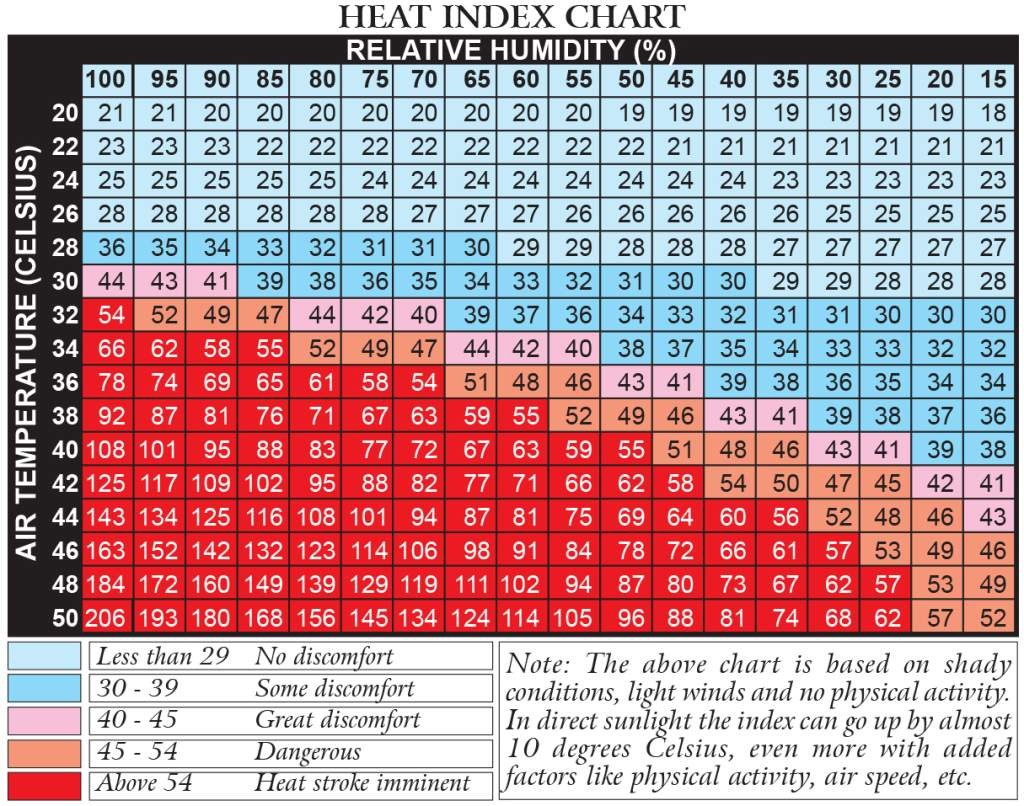
The heat index is calculated using a formula that takes into account both air temperature and relative humidity. The formula is complex, but the underlying principle is simple: higher humidity levels increase the perceived temperature.
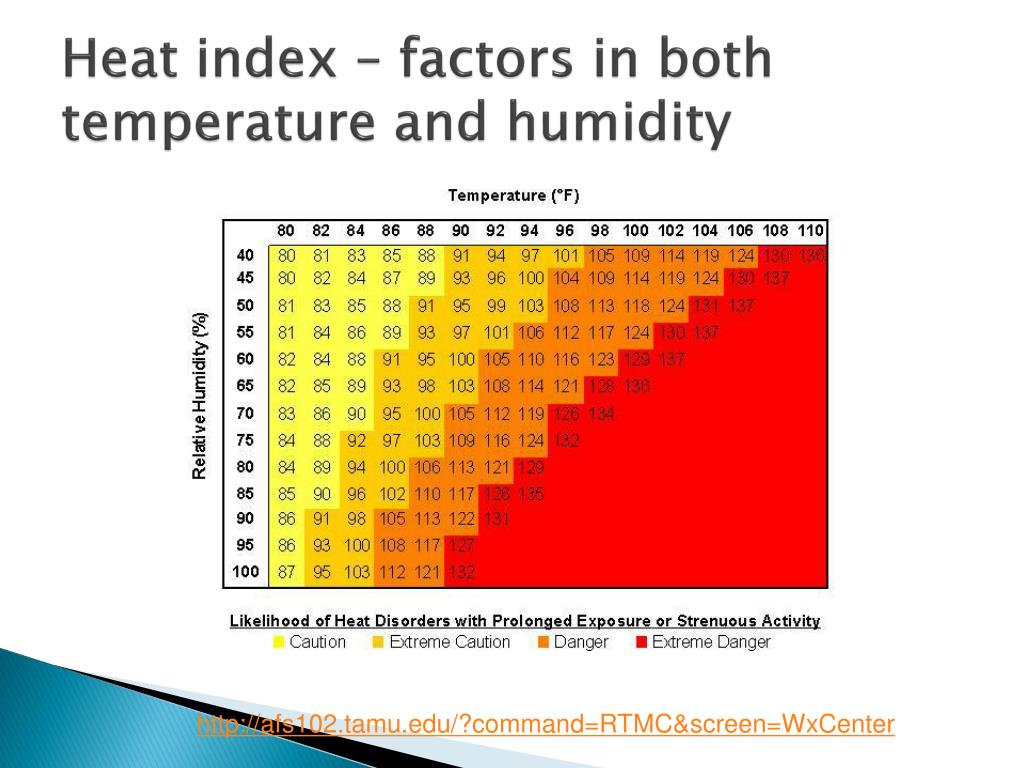
The National Weather Service (NWS) provides heat index charts and calculators to help people understand the potential risks associated with high heat and humidity. These resources can be invaluable for planning outdoor activities and taking precautions to prevent heat-related illnesses.
Why Does Humidity Make It Feel Hotter?
The discomfort we experience on humid days is directly related to the body's cooling mechanism. Here's a breakdown:
- Reduced Evaporation: When the air is already saturated with moisture (high humidity), there is less room for sweat to evaporate.
- Impaired Cooling: Without effective evaporation, sweat remains on the skin, providing little or no cooling benefit.
- Increased Core Body Temperature: The body struggles to regulate its temperature, leading to an increase in core body temperature.
- Heat Stress: The combination of high temperature and humidity can lead to heat exhaustion, heat stroke, and other heat-related illnesses.
Practical Implications of High Humidity
Understanding the impact of humidity on the heat index is essential for protecting yourself and others from heat-related dangers.
- Hydration: Drink plenty of fluids, especially water, to stay hydrated and help your body cool itself. Avoid sugary drinks and alcohol, which can dehydrate you.
- Clothing: Wear lightweight, light-colored, loose-fitting clothing to allow for better airflow and evaporation.
- Avoid Strenuous Activity: Limit outdoor activities during the hottest part of the day, especially if the humidity is high. If you must be active outdoors, take frequent breaks in the shade or air conditioning.
- Seek Air Conditioning: Spend time in air-conditioned environments whenever possible. If you don't have air conditioning at home, consider visiting a shopping mall, library, or community center.
- Monitor the Heat Index: Pay attention to weather forecasts and heat index warnings. Be aware of the potential risks and take precautions accordingly.
- Check on Others: Check on elderly neighbors, friends, and relatives, as they are more vulnerable to heat-related illnesses.
- Never Leave Children or Pets in Cars: The temperature inside a car can rise rapidly, even on a moderately warm day, and can be fatal.
Dehumidifiers and Air Conditioners: Fighting Back Against Humidity
While understanding the heat index is important, taking practical steps to reduce humidity in your home can improve your comfort and well-being.
- Dehumidifiers: Dehumidifiers are designed to remove moisture from the air, lowering the relative humidity. They can be particularly helpful in damp basements or rooms that tend to feel humid.
- Air Conditioners: Air conditioners not only cool the air but also remove moisture. This is why air-conditioned environments often feel more comfortable than simply being in front of a fan. Make sure your air conditioner is properly sized for the room you are cooling to ensure optimal dehumidification.
- Ventilation: Proper ventilation can help reduce humidity levels. Open windows and doors when the weather permits, and use exhaust fans in bathrooms and kitchens to remove moisture generated by showers and cooking.
Conclusion
By understanding the interplay between humidity and the heat index, and by taking proactive steps to manage your environment, you can stay safe and comfortable even during the hottest and most humid summer days. And remember, when it comes to complex appliance repairs, especially those involving electricity or refrigerant, always consult a qualified professional to ensure your safety and the proper functioning of your equipment. Your knowledge and preparedness are your best defenses against the heat!
/cloudfront-us-east-1.images.arcpublishing.com/gray/HGV2TRN6V5G23BVNSV67UQZU6E.png)