How Does The Heater Work In A House
Understanding how your home's heating system works is the first step towards optimizing its efficiency and saving money on your energy bills. Whether you're a homeowner looking to reduce costs, a business upgrading to a more sustainable system, a smart home enthusiast seeking seamless integration, or an HVAC contractor promoting energy-efficient solutions, this guide will provide a comprehensive overview of residential heating systems.
The Fundamentals of Home Heating
At its core, a home heating system’s function is simple: to transfer heat energy from a source to the living spaces within your home. This involves three key components: a heat source, a distribution system, and a control system. The heat source generates the heat, the distribution system delivers it throughout the house, and the control system regulates the temperature based on your preferences.
Types of Home Heating Systems
Several types of heating systems are commonly found in homes today. Each has its pros, cons, and varying levels of energy efficiency.
Furnaces
Furnaces are one of the most prevalent heating systems, especially in colder climates. They typically burn natural gas, propane, or oil to generate heat. Here’s how they work:
- Fuel Combustion: Fuel is ignited in a combustion chamber, creating hot gases.
- Heat Exchanger: These hot gases pass through a heat exchanger, which transfers the heat to the air circulating through the furnace.
- Air Distribution: A blower fan forces the heated air through ductwork to vents in different rooms of the house.
- Exhaust: The byproduct gases of combustion are vented safely outside through a flue.
Furnace efficiency is measured by its Annual Fuel Utilization Efficiency (AFUE). A higher AFUE indicates a more efficient furnace. Energy Star certified furnaces have an AFUE of 90% or greater, offering significant energy savings compared to older, less efficient models (which could be as low as 60% AFUE). Upgrading to a high-efficiency furnace can result in a 20-30% reduction in heating bills. Rebates and tax credits are often available for installing Energy Star certified equipment.
Heat Pumps
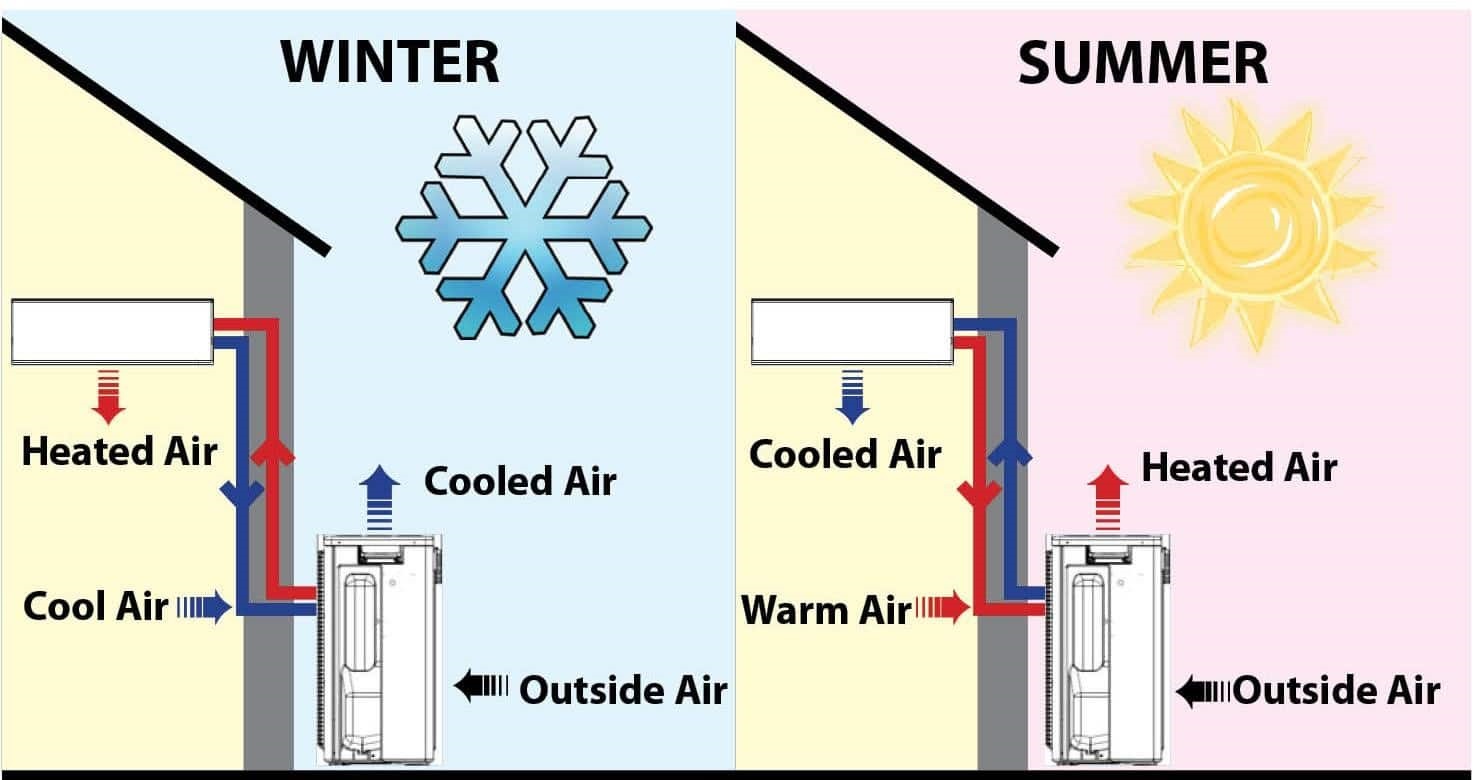
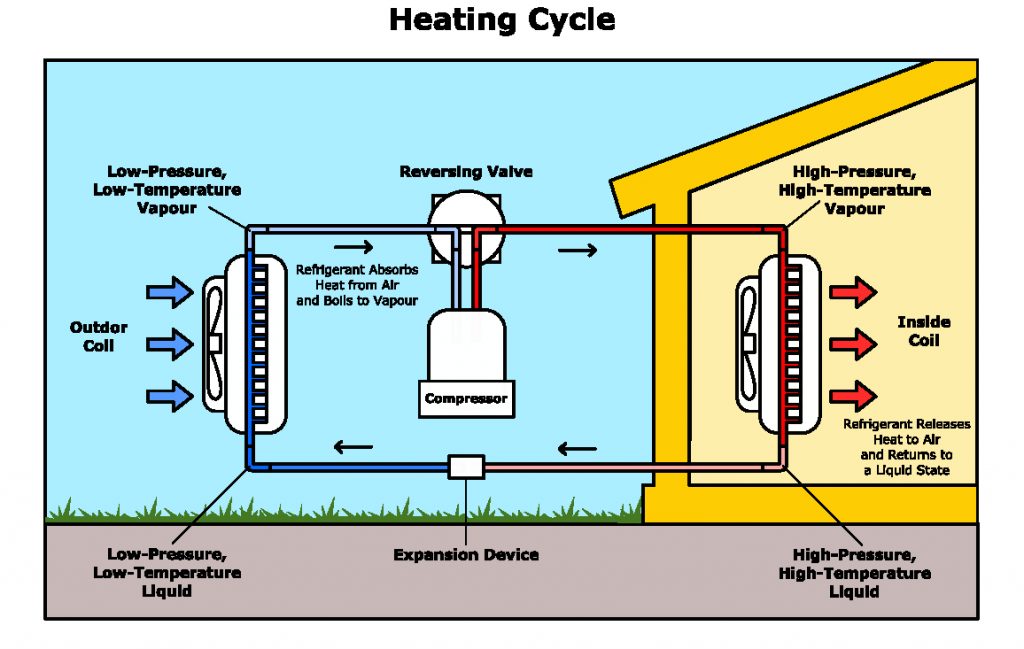
Heat pumps are becoming increasingly popular due to their energy efficiency and versatility. Unlike furnaces that generate heat, heat pumps transfer heat from one place to another. In the winter, they extract heat from the outside air (even in cold temperatures) and transfer it inside. In the summer, they reverse the process, removing heat from inside and transferring it outside. There are two main types of heat pumps:
- Air-Source Heat Pumps: These are the most common type and extract heat from the outside air. Their efficiency decreases in extremely cold temperatures, often requiring a backup electric resistance heater.
- Geothermal Heat Pumps: These are more efficient but also more expensive to install. They extract heat from the ground or a nearby water source, which maintains a more consistent temperature year-round.
Heat pump efficiency is measured by its Heating Season Performance Factor (HSPF) and Seasonal Energy Efficiency Ratio (SEER) for cooling. A higher HSPF and SEER indicate greater efficiency. Energy Star recommends an HSPF of 8.5 or higher and a SEER of 15 or higher. Geothermal heat pumps are the most efficient, with typical COPs (Coefficient of Performance) ranging from 3 to 5, meaning they deliver 3 to 5 units of heat for every unit of electricity consumed.
Electric Resistance Heating
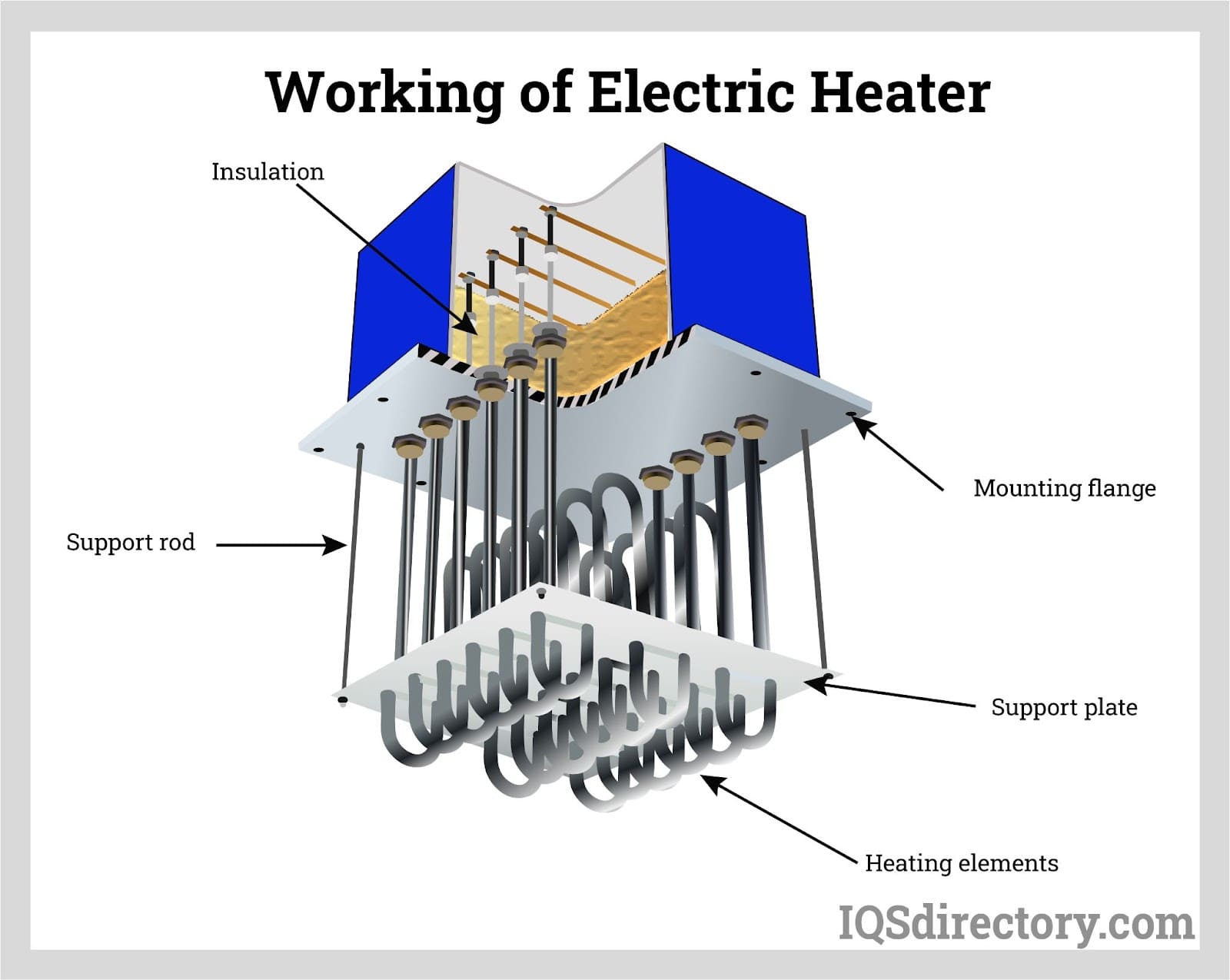
Electric resistance heating is the simplest type of heating system. It works by passing electricity through a resistor, which heats up and radiates heat. Common types include:
- Electric Baseboard Heaters: These are typically installed along walls and provide zonal heating.
- Space Heaters: Portable heaters used to heat small areas.
While electric resistance heating is inexpensive to install, it is the least energy-efficient method. For every unit of electricity consumed, it produces only one unit of heat (100% efficiency), meaning it offers no savings compared to other options. Electric resistance heating can be very expensive if used as a primary heat source.
Boilers
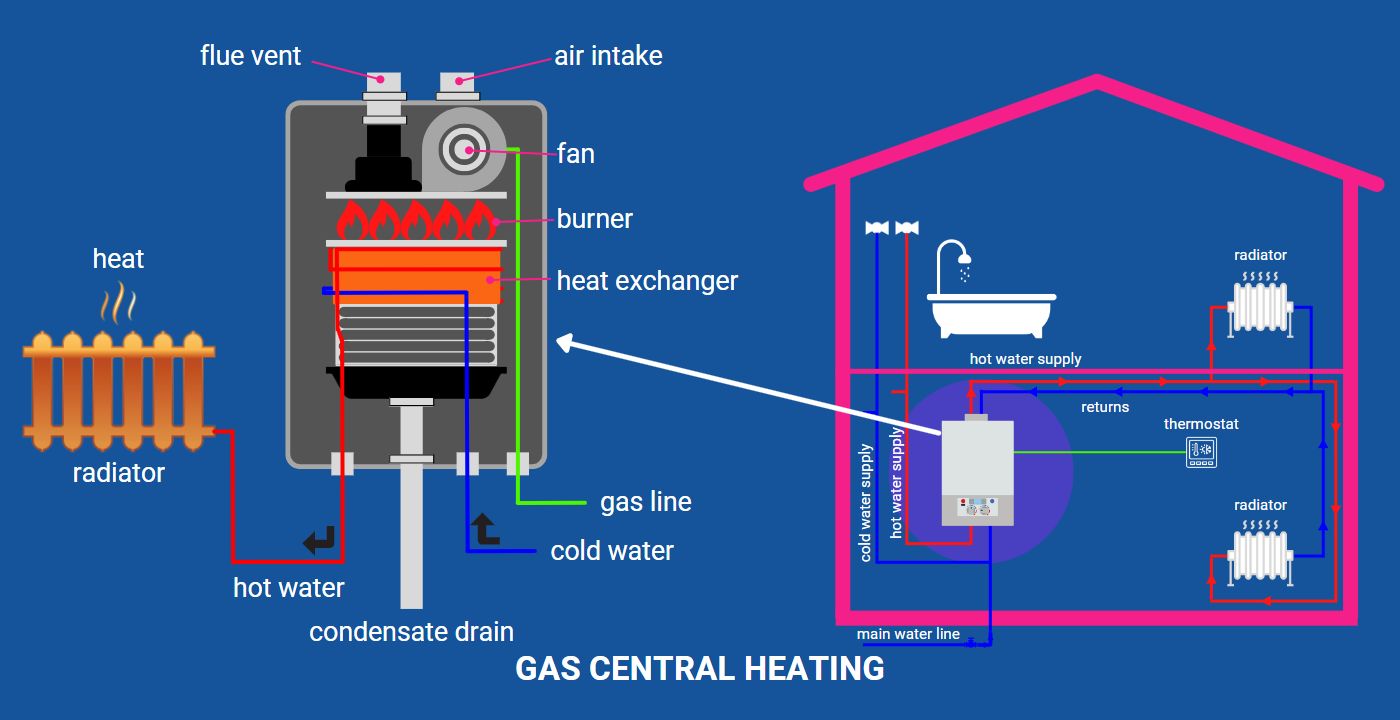
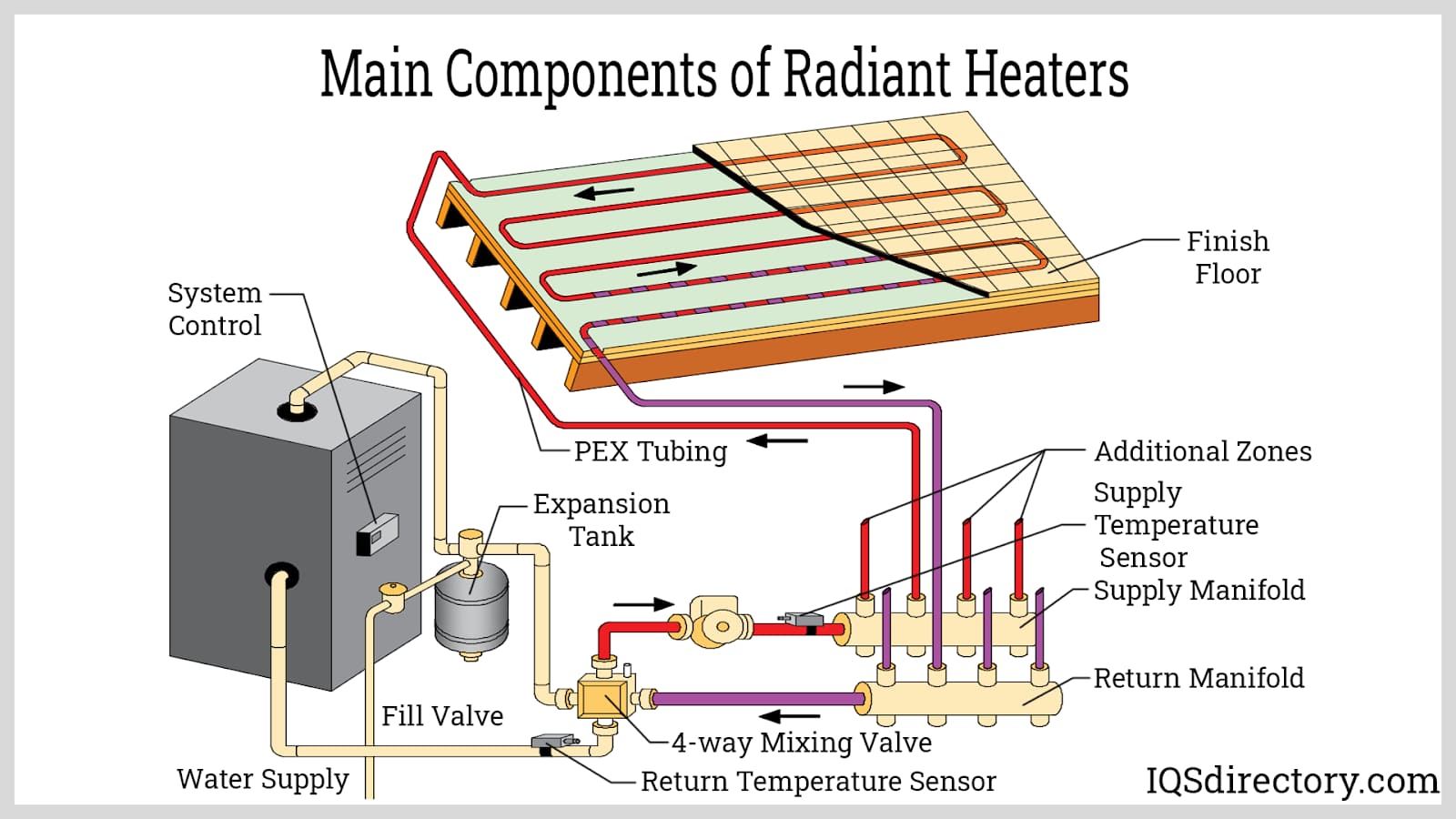
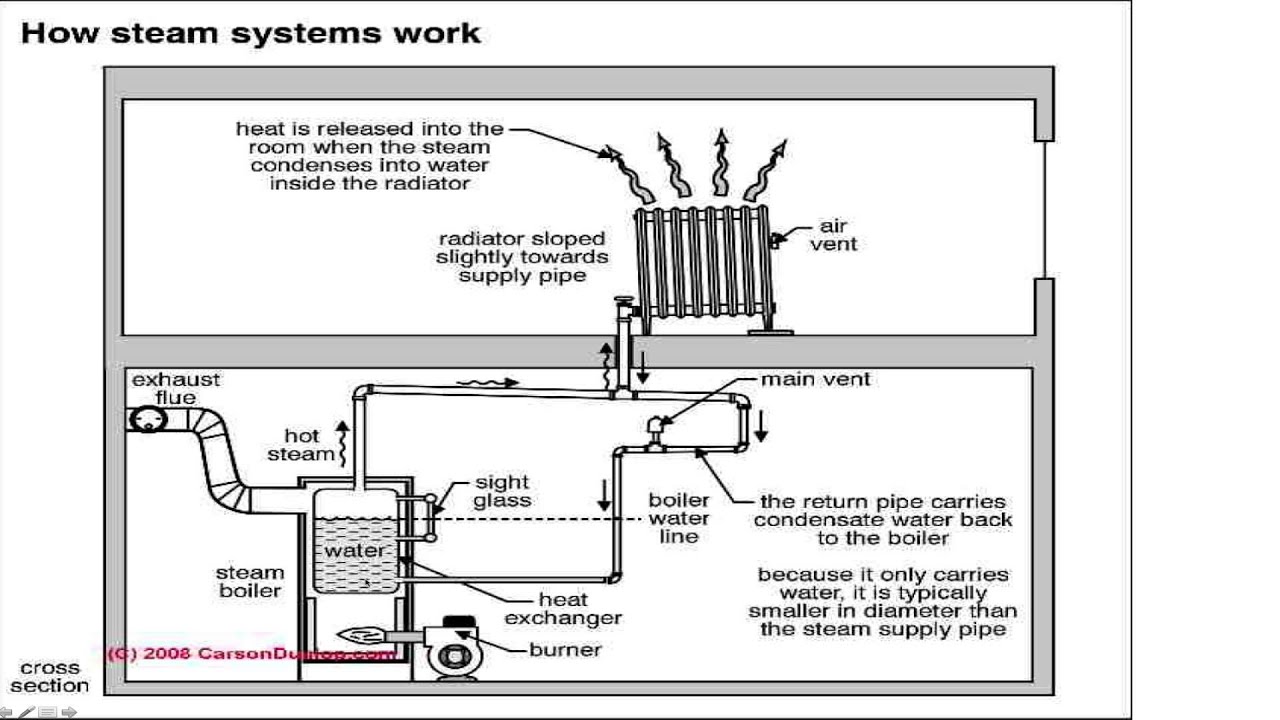
Boilers heat water, which is then circulated through radiators, baseboard heaters, or radiant floor systems to heat the home. They can be fueled by natural gas, propane, or oil. Here’s how they work:
- Water Heating: Fuel is burned to heat water in the boiler.
- Distribution: The hot water or steam is circulated through pipes to radiators or radiant floor loops.
- Heat Transfer: Radiators and radiant floors release heat into the room.
- Return: Cooled water returns to the boiler to be reheated.
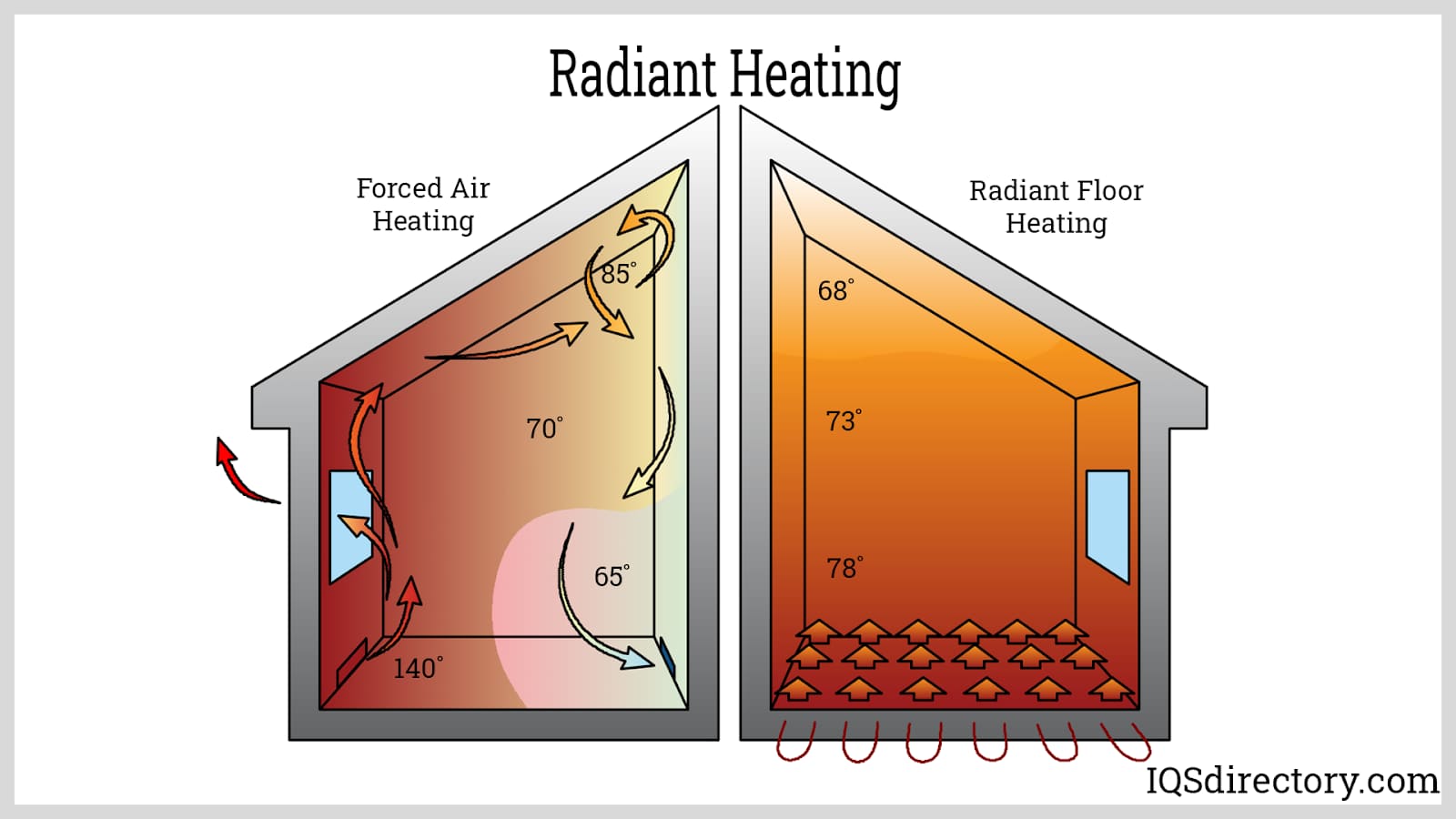
Boiler efficiency is also measured by AFUE. Modern condensing boilers can achieve AFUEs of 95% or higher, providing significant energy savings compared to older models. Radiant floor heating, in particular, offers comfortable and even heating.
Control Systems: Thermostats
The thermostat is the brain of your heating system. It monitors the temperature and signals the heating system to turn on or off to maintain the desired temperature. There are several types of thermostats:
- Manual Thermostats: These are the simplest and least expensive thermostats. They require manual adjustment.
- Programmable Thermostats: These allow you to set different temperatures for different times of the day, saving energy by lowering the temperature when you're asleep or away from home.
- Smart Thermostats: These are the most advanced thermostats. They connect to your home's Wi-Fi network and can be controlled remotely via a smartphone app. They also learn your heating preferences and adjust the temperature automatically to maximize energy savings.
Smart thermostats offer significant advantages. They can track your energy usage, provide detailed reports, and even detect when you're away from home and adjust the temperature accordingly. Some models also integrate with other smart home devices, such as sensors and voice assistants. According to Energy Star, using a smart thermostat can save you up to 8% on your heating and cooling costs annually.
Ductwork and Distribution Systems
Forced-air systems (furnaces and heat pumps) rely on ductwork to distribute heated air throughout the house. Leaky or poorly insulated ducts can waste a significant amount of energy. Studies show that duct leakage can account for up to 30% of heating energy loss in some homes.
Regularly inspect your ductwork for leaks and damage. Seal any leaks with duct sealant (not duct tape, which tends to dry out and crack). Consider insulating your ducts, especially those located in unheated areas like attics and crawl spaces. Professional duct sealing and insulation can significantly improve your heating system's efficiency.
Optimizing Your Heating System for Energy Efficiency
Here are several steps you can take to optimize your heating system for energy efficiency:
- Regular Maintenance: Schedule annual maintenance for your heating system. A qualified HVAC technician can clean the system, check for problems, and ensure it's operating efficiently.
- Air Filter Replacement: Replace your air filter regularly (typically every 1-3 months). A dirty air filter restricts airflow, making your heating system work harder and consume more energy.
- Insulation: Ensure your home is properly insulated. Adequate insulation in walls, ceilings, and floors reduces heat loss, keeping your home warmer and reducing your heating bills. The Department of Energy provides recommendations for insulation levels based on climate zone.
- Seal Air Leaks: Seal any air leaks around windows, doors, and other openings. Use caulk and weatherstripping to prevent drafts.
- Upgrade to Energy-Efficient Equipment: When it's time to replace your heating system, choose an Energy Star certified model. While the initial cost may be higher, the long-term energy savings will pay off.
- Professional Assessment: Consider having a professional energy audit to identify areas where you can improve your home's energy efficiency.
ROI and Energy Savings
Investing in energy-efficient heating solutions can provide a significant return on investment (ROI). Upgrading to a high-efficiency furnace or heat pump can reduce your heating bills by 20-40%. Installing a smart thermostat can save you up to 8% annually. Sealing and insulating ducts can reduce energy loss by up to 30%. Over time, these savings can add up to thousands of dollars.
Furthermore, many utility companies offer rebates and incentives for installing energy-efficient equipment. Check with your local utility company and state energy office for available programs. Federal tax credits are also available for certain energy-efficient upgrades.
Integration with Smart Home Systems
Integrating your heating system with a smart home system offers even greater control and efficiency. Smart thermostats can be controlled remotely via a smartphone app. You can also integrate them with other smart home devices, such as sensors, lights, and security systems. For example, you can program your thermostat to lower the temperature automatically when you leave home or to adjust the temperature based on occupancy.
Voice assistants like Amazon Alexa and Google Assistant can also be used to control your heating system. Simply say, "Alexa, set the temperature to 70 degrees," and your thermostat will adjust accordingly.
Conclusion
Understanding how your home's heating system works is crucial for optimizing its efficiency and saving money on your energy bills. By choosing the right type of system, implementing energy-saving measures, and integrating with smart home technology, you can create a comfortable and energy-efficient home.