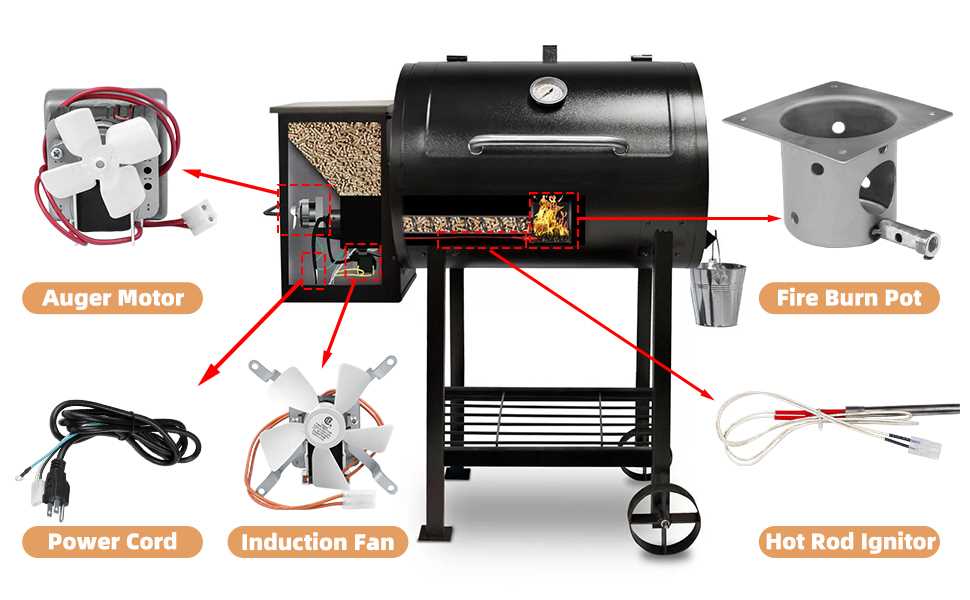
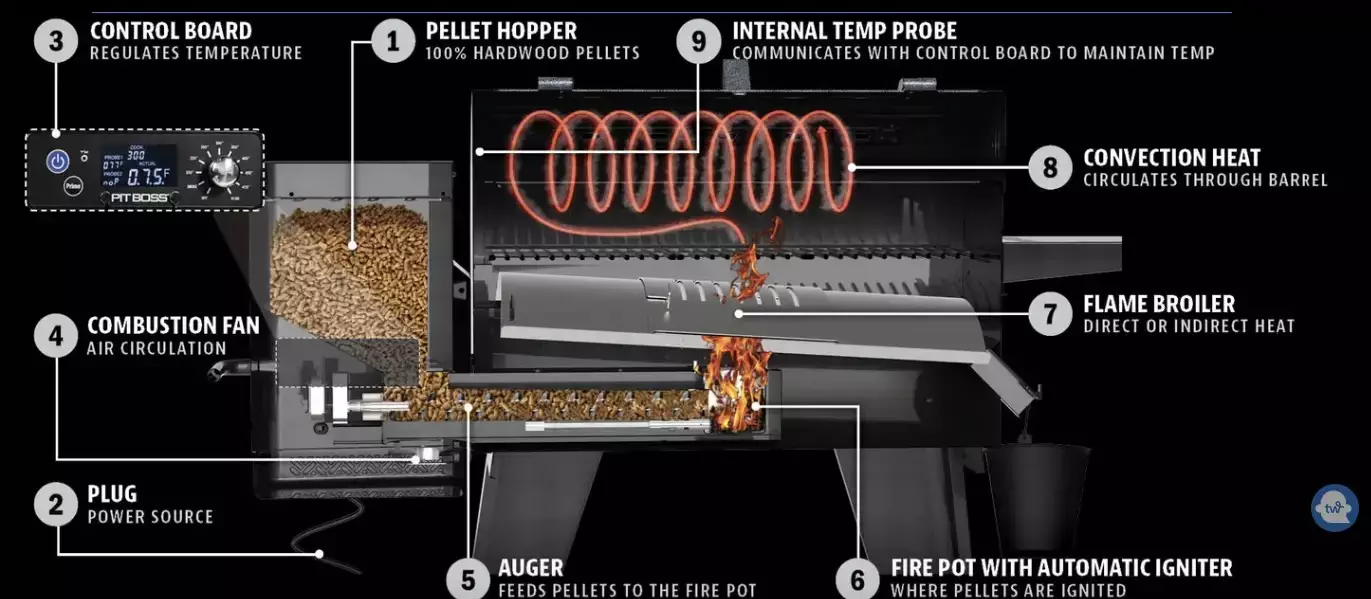
How Does The Pit Boss Pellet Grill Work
Understanding Your Home's Climate Control: A Deep Dive into HVAC Systems
Maintaining a comfortable indoor environment is crucial for homeowners, real estate investors, and contractors alike. A well-functioning HVAC (Heating, Ventilation, and Air Conditioning) system not only enhances comfort but also impacts energy efficiency and property value. This guide provides a comprehensive overview of HVAC systems, focusing on key features, brands, costs, and maintenance requirements to help you make informed decisions.
The Fundamentals of HVAC Systems
HVAC systems encompass a range of technologies designed to regulate temperature, humidity, and air quality within a building. These systems typically involve heating, cooling, and ventilation components working in tandem.
- Heating: Furnaces, heat pumps, and boilers are common heating sources.
- Cooling: Air conditioners and chillers provide cooling capabilities.
- Ventilation: Systems like ERVs (Energy Recovery Ventilators) and HRVs (Heat Recovery Ventilators) ensure proper airflow and air exchange.
Evaluating HVAC System Efficiency: Key Ratings
When choosing an HVAC system, understanding efficiency ratings is essential. These ratings provide a standardized way to compare the performance of different models.
AFUE (Annual Fuel Utilization Efficiency)
AFUE measures the efficiency of a furnace in converting fuel (natural gas, propane, or oil) into usable heat. It's expressed as a percentage, with higher percentages indicating greater efficiency. For instance, an 80% AFUE furnace converts 80% of the fuel into heat, while the remaining 20% is lost through exhaust.
Modern high-efficiency furnaces often boast AFUE ratings of 90% or higher. Investing in a high-AFUE furnace can significantly reduce heating costs over the long term.
SEER (Seasonal Energy Efficiency Ratio)
SEER measures the cooling efficiency of air conditioners. It represents the ratio of cooling output over a typical cooling season to the energy input in watt-hours. Higher SEER ratings indicate more efficient cooling performance.
The minimum SEER rating currently mandated in the United States is 14. However, many air conditioners offer SEER ratings of 16 or higher. Upgrading to a high-SEER air conditioner can lead to substantial energy savings, especially in hot climates.
HSPF (Heating Seasonal Performance Factor)
HSPF measures the heating efficiency of heat pumps. It represents the ratio of heating output over a typical heating season to the energy input in watt-hours. Similar to SEER, higher HSPF ratings indicate greater efficiency.
The minimum HSPF rating is typically around 8.0. Heat pumps with HSPF ratings of 9.0 or higher offer excellent heating performance and energy savings in milder climates.
Comparing Popular HVAC Brands and Models
The HVAC market features numerous reputable brands, each offering a range of models with varying features and performance levels. Here's a comparison of some popular brands:
Carrier
Carrier is a well-known brand renowned for its reliability and innovation. Their Infinity series furnaces and air conditioners offer advanced features such as variable-speed technology and smart controls.
Pros: High efficiency, advanced features, durable construction.
Cons: Higher upfront cost.
Notable Models: Infinity 98 Furnace (up to 98.5% AFUE), Infinity 26 Air Conditioner (up to 26 SEER).
Trane
Trane is another leading HVAC manufacturer known for its robust and dependable products. Their furnaces and air conditioners are designed for long-lasting performance and energy efficiency.
Pros: Reliable, durable, good energy efficiency.
Cons: Can be noisier than some other brands.
Notable Models: XV95 Furnace (up to 97% AFUE), XV20i Air Conditioner (up to 20 SEER).
Lennox
Lennox is known for its premium HVAC systems with a focus on energy efficiency and quiet operation. Their Dave Lennox Signature Collection offers some of the most efficient and technologically advanced products on the market.
Pros: High efficiency, quiet operation, advanced features.
Cons: Highest upfront cost.
Notable Models: SLP98DF Furnace (up to 98.7% AFUE), XC25 Air Conditioner (up to 26 SEER).
Goodman
Goodman offers more affordable HVAC solutions without sacrificing quality. While not as feature-rich as some premium brands, Goodman products provide reliable performance and decent energy efficiency.
Pros: Affordable, good value for the price.
Cons: Fewer advanced features, shorter warranties on some models.
Notable Models: GMVM97 Furnace (up to 98% AFUE), GSX16 Air Conditioner (up to 16 SEER).
Rheem
Rheem provides a balance of performance, reliability, and affordability. Their HVAC systems offer a good mix of features and efficiency at a competitive price point.
Pros: Good balance of price and performance, decent energy efficiency.
Cons: Not as widely available as some other brands.
Notable Models: Prestige Series R96V Furnace (up to 96% AFUE), Prestige Series RA17 Air Conditioner (up to 17 SEER).
HVAC System Costs: Factors to Consider
The cost of an HVAC system varies depending on several factors, including:
- Type of System: Furnaces, air conditioners, heat pumps, and ductless mini-splits have different price points.
- Brand and Model: Premium brands and high-efficiency models typically cost more.
- Size and Capacity: Larger systems required for larger homes will be more expensive.
- Installation Costs: Labor and material costs for installation can vary depending on the complexity of the project and local market rates.
- Ductwork: Replacing or adding ductwork can significantly increase the overall cost.
Typical Price Ranges:
- Furnace: $2,000 - $7,000 (including installation)
- Air Conditioner: $3,000 - $8,000 (including installation)
- Heat Pump: $4,000 - $10,000 (including installation)
It's important to obtain quotes from multiple HVAC contractors to compare pricing and ensure you're getting a fair deal.
Understanding HVAC Warranties
HVAC warranties provide protection against defects in materials and workmanship. Understanding the terms and conditions of the warranty is crucial before making a purchase.
Typical Warranty Coverage:
- Parts Warranty: Covers the cost of replacement parts for a specified period (e.g., 5-10 years).
- Compressor Warranty: A separate warranty often covers the compressor in air conditioners and heat pumps for a longer period (e.g., 10 years).
- Labor Warranty: Covers the cost of labor for repairs (often shorter than the parts warranty).
Some manufacturers offer extended warranties for an additional cost. Be sure to register your HVAC system with the manufacturer to activate the warranty.
HVAC Maintenance: Ensuring Long-Term Performance
Regular maintenance is essential for keeping your HVAC system running efficiently and extending its lifespan.
Recommended Maintenance Tasks:
- Change Air Filters: Replace air filters every 1-3 months to maintain proper airflow and air quality.
- Clean Coils: Clean the evaporator and condenser coils annually to ensure efficient heat transfer.
- Inspect Ductwork: Check for leaks and damage in the ductwork and seal any gaps.
- Check Refrigerant Levels: Ensure refrigerant levels are within the proper range for optimal cooling performance.
- Tune-Up: Schedule an annual tune-up with a qualified HVAC technician to inspect and service the system.
Proper maintenance can help prevent costly repairs and extend the life of your HVAC system.
Choosing the Right HVAC Contractor
Selecting a reputable and experienced HVAC contractor is crucial for proper installation and maintenance. Look for contractors who are licensed, insured, and have positive reviews.
Tips for Choosing an HVAC Contractor:
- Check Credentials: Verify that the contractor is licensed and insured.
- Read Reviews: Look for online reviews and testimonials from previous customers.
- Get Multiple Quotes: Obtain quotes from several contractors to compare pricing and services.
- Ask for References: Request references from previous customers and contact them to inquire about their experience.
- Inquire about Experience: Choose a contractor with experience installing and servicing the specific type of HVAC system you need.
Investing in a quality HVAC system and partnering with a reliable contractor will ensure your home remains comfortable and energy-efficient for years to come.