How Does Window Air Conditioner Work
Frequently Asked Questions About How Window Air Conditioners Work
Window air conditioners are a popular and affordable way to cool individual rooms. But how do they actually work? This FAQ provides answers to common questions about the inner workings of these cooling units.
Q: What are the basic components of a window air conditioner, and what does each do?
A window air conditioner has several key parts that work together to cool your room. Here's a breakdown:
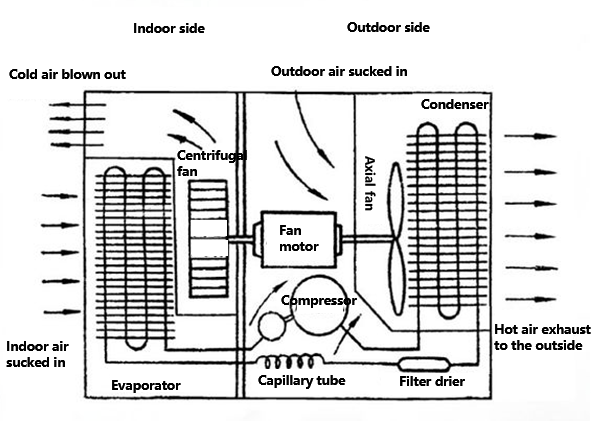
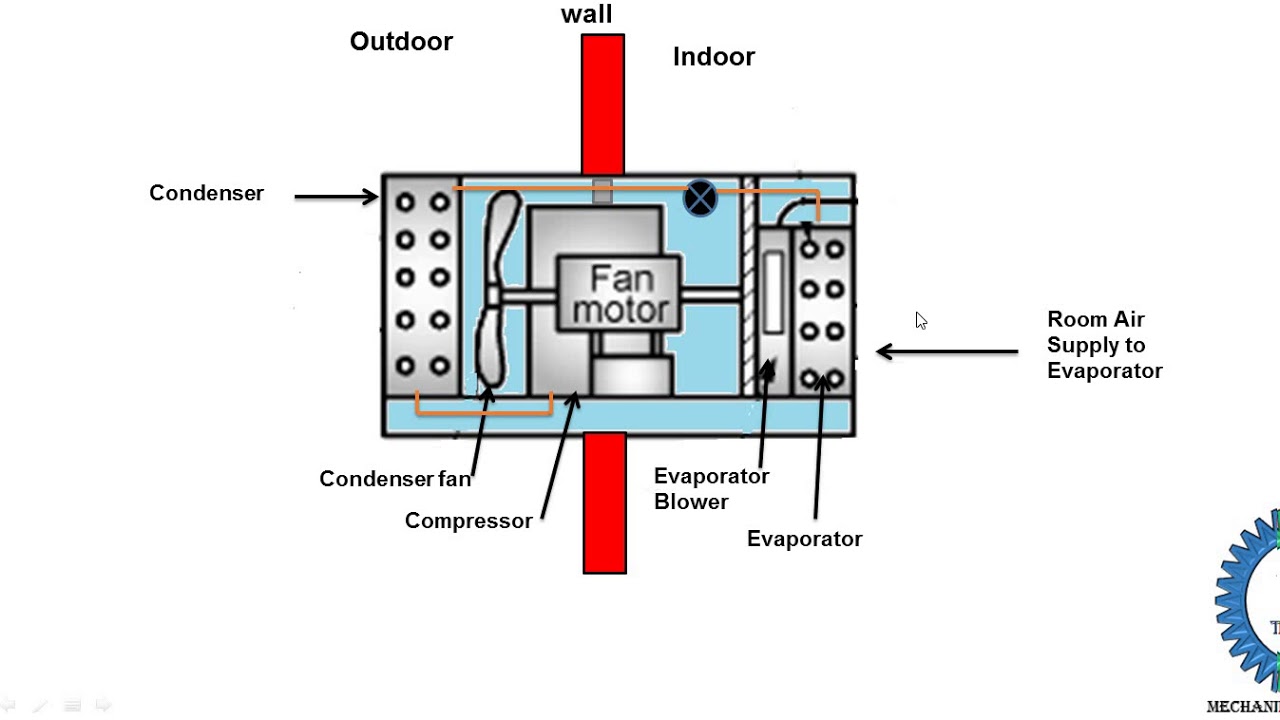
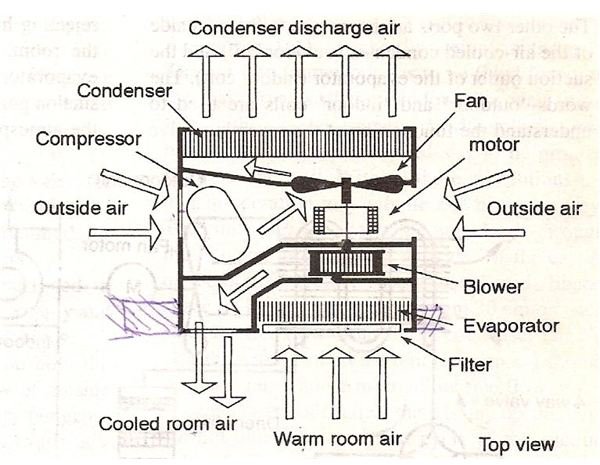
- Compressor: The heart of the system. It compresses the refrigerant, raising its temperature and pressure. Think of it as a pump that circulates the refrigerant.
- Condenser Coil: Located on the outside part of the unit, the condenser coil releases heat from the refrigerant into the outside air. A fan helps with this process.
- Expansion Valve (or Capillary Tube): This small device reduces the pressure of the refrigerant, causing it to cool down significantly.
- Evaporator Coil: Located on the inside part of the unit, the evaporator coil absorbs heat from the room air, cooling the air down. A fan blows the cooled air back into the room.
- Refrigerant: A special chemical (like R-410A or R-32) that cycles through the system, absorbing and releasing heat. It's the working fluid that makes the whole cooling process possible.
- Fans: One fan blows air across the condenser coil to release heat, and another fan blows air across the evaporator coil to circulate cool air into the room.
- Thermostat: This senses the room temperature and controls when the compressor turns on and off, maintaining the desired temperature.
Q: How does a window air conditioner actually cool the air? What's the process from start to finish?
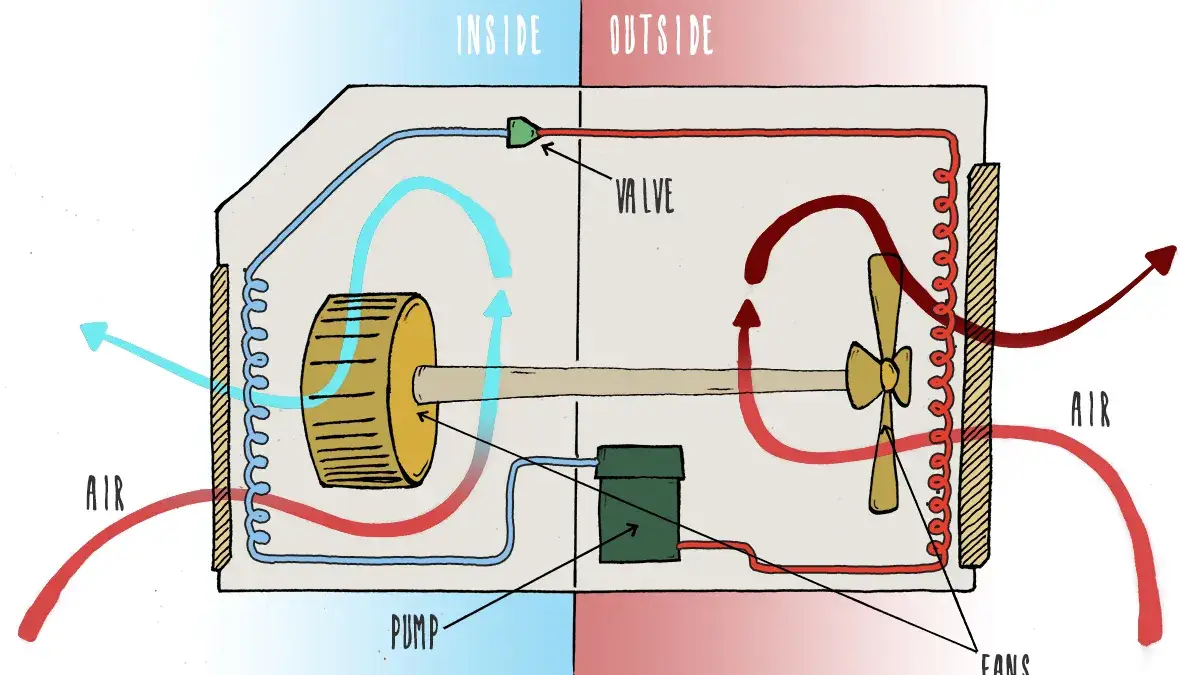
The cooling process involves a cycle of refrigerant, pressure, and heat exchange:
- Compression: The compressor pressurizes the refrigerant, turning it into a hot, high-pressure gas.
- Condensation: The hot, high-pressure gas flows through the condenser coil, where it releases heat to the outside air and condenses into a high-pressure liquid.
- Expansion: The high-pressure liquid refrigerant passes through the expansion valve (or capillary tube), which reduces its pressure. This causes the refrigerant to cool down significantly and turn into a cold, low-pressure liquid.
- Evaporation: The cold, low-pressure liquid refrigerant flows through the evaporator coil. As warm air from the room is blown across the coil by a fan, the refrigerant absorbs heat and evaporates into a low-pressure gas. This cools the air, which is then blown back into the room.
- Cycle Repeat: The low-pressure gas refrigerant returns to the compressor, and the cycle begins again.
Essentially, the air conditioner doesn't "create" cold. It transfers heat from inside your room to the outside. It's like a pump for heat!
Q: What is refrigerant, and why is it so important? What are the environmental considerations?
Refrigerant is a crucial substance in a window air conditioner. It’s a special fluid that changes between liquid and gas states as it absorbs and releases heat. Think of it as the bloodstream of the cooling system.
Its properties allow it to:
- Absorb Heat: As it evaporates, it pulls heat from the surrounding air in the evaporator coil.
- Release Heat: As it condenses, it releases the absorbed heat into the outside air via the condenser coil.
Environmental Considerations:
Older refrigerants, like R-22 (Freon), were found to deplete the ozone layer. These are being phased out and replaced with more environmentally friendly refrigerants, such as R-410A and, more recently, R-32. It's important to ensure that your air conditioner uses a refrigerant that meets current environmental standards.
Never release refrigerant into the atmosphere. If your air conditioner needs repairs involving the refrigerant, always use a licensed technician who can properly handle and dispose of the refrigerant.
Q: What does the Energy Efficiency Ratio (EER) mean, and how does it affect my energy bill?
The Energy Efficiency Ratio (EER) is a rating that indicates how efficiently a window air conditioner uses electricity to cool a room. It represents the cooling output (in BTUs) divided by the power input (in watts).
Higher EER = Greater Efficiency
An air conditioner with a higher EER will provide the same amount of cooling as a lower EER unit, but it will use less electricity. This translates to lower energy bills.
How it Affects Your Bill:
Imagine two air conditioners cooling the same room:
- Air Conditioner A: EER of 8
- Air Conditioner B: EER of 12
Air Conditioner B will use significantly less electricity to achieve the same level of cooling, resulting in a lower electricity bill over time. When purchasing a window air conditioner, always look for the EER rating and choose a model with a higher rating to save money on your energy costs. Also, look for the Energy Star label, which indicates that the appliance meets certain energy efficiency standards.
Consider the long-term cost savings of a high-EER unit versus the initial purchase price. The more you use the air conditioner, the faster you'll recoup the extra cost through lower energy bills.
Q: Why does my window air conditioner drip water? Is that normal?
Yes, it's generally normal for a window air conditioner to drip water, especially when it's humid outside. This water is condensed moisture from the air.
Here's why it happens:
As warm, humid air passes over the cold evaporator coil, the moisture in the air condenses into water. This is the same process that causes condensation on a cold glass of water.
Where does the water go?
Most window air conditioners have a system to manage this condensation. Some units have a drain hole that allows the water to drip outside. Others use a "slinger ring" or fan blade that dips into the collected water and throws it onto the condenser coil, where it evaporates, helping to cool the unit and improve its efficiency.
When to be Concerned:
- Excessive Dripping: If the dripping is significantly more than usual, it could indicate a clogged drain hole. Try cleaning the drain hole with a wire or pipe cleaner.
- Water Leaking Inside: If water is leaking into your room, the unit might not be properly tilted to allow for drainage, or the drain pan might be cracked or overflowing.
- Strange Smells: If the dripping water has a musty or moldy smell, it could indicate mold growth in the unit. This requires cleaning.
If you're experiencing excessive dripping or water leaking inside, consult the owner's manual or contact a qualified appliance repair technician.
Q: How often should I clean my window air conditioner, and what's the best way to do it?
Regular cleaning is crucial for maintaining the efficiency and performance of your window air conditioner, as well as preventing mold and bacteria growth. Aim to clean it at least once a month during the cooling season, or more frequently if you live in a dusty environment.
Cleaning Steps:
- Safety First: Disconnect the air conditioner from the power outlet before you begin cleaning.
- Remove the Filter: The air filter is usually located behind the front grille. Remove it carefully.
- Clean the Filter: Wash the filter with warm, soapy water. Rinse thoroughly and allow it to dry completely before replacing it. You can also vacuum the filter if it's not heavily soiled. Consider replacing disposable filters according to the manufacturer's recommendations.
- Clean the Coils: Use a vacuum cleaner with a brush attachment to gently remove dust and debris from the evaporator and condenser coils. Be careful not to bend or damage the delicate fins. You can also use a fin comb to straighten any bent fins.
- Clean the Exterior: Wipe down the exterior of the unit with a damp cloth and mild detergent.
- Clean the Drain Hole: Use a wire or pipe cleaner to clear any debris from the drain hole.
- Reassemble: Once everything is clean and dry, reassemble the air conditioner.
Additional Tips:
- Mold Prevention: After cleaning, spray the coils with a mold and mildew cleaner specifically designed for air conditioners.
- Professional Cleaning: For a more thorough cleaning, consider hiring a professional appliance repair technician to clean the unit annually. They can clean the internal components and check for any potential problems.
- End-of-Season Cleaning: Before storing your window air conditioner for the winter, give it a thorough cleaning to prevent mold and mildew growth during the off-season.
Q: What are some common problems with window air conditioners, and when do I need to call a professional?
While window air conditioners are generally reliable, they can experience problems over time. Knowing when to call a professional can save you time and money.
Common Problems and Troubleshooting:
- Air Conditioner Not Cooling:
- Possible Causes: Dirty filter, clogged coils, refrigerant leak, faulty compressor.
- Troubleshooting: Clean the filter and coils. If the problem persists, call a professional to check for refrigerant leaks or compressor issues.
- Air Conditioner Runs Constantly:
- Possible Causes: Dirty filter, blocked airflow, oversized unit, insulation issues in the room.
- Troubleshooting: Clean the filter, ensure proper airflow around the unit, and check for gaps or drafts in the room. If the unit is too large for the room, consider a smaller unit.
- Air Conditioner Making Strange Noises:
- Possible Causes: Loose fan blade, worn-out motor bearings, debris in the unit.
- Troubleshooting: Check for loose fan blades and tighten them. If the noise persists, call a professional to inspect the motor and other components.
- Air Conditioner Leaking Water Inside:
- Possible Causes: Clogged drain hole, cracked drain pan, improper tilt of the unit.
- Troubleshooting: Clear the drain hole, check the drain pan for cracks, and ensure the unit is properly tilted to allow for drainage.
- Air Conditioner Not Turning On:
- Possible Causes: Power cord issue, tripped circuit breaker, faulty thermostat.
- Troubleshooting: Check the power cord and outlet, reset the circuit breaker, and test the thermostat. If the problem persists, call a professional.
When to Call a Professional:
If you're uncomfortable working with electrical components or if you suspect a refrigerant leak or compressor issue, always call a qualified HVAC technician. Attempting to repair these problems yourself can be dangerous and may void the warranty.