How Efficient Are Air Source Heat Pumps
Air Source Heat Pumps: How Efficient Are They & How Much Can You Save?
Air source heat pumps (ASHPs) are rapidly gaining popularity as an energy-efficient alternative to traditional furnaces and air conditioners. But how efficient are they *really*, and what can you expect to save on your energy bills? This article dives into the efficiency ratings, operating costs, and smart home integration aspects of ASHPs, helping homeowners, businesses, and HVAC professionals make informed decisions.
Understanding Heat Pump Efficiency: HSPF, SEER, and COP
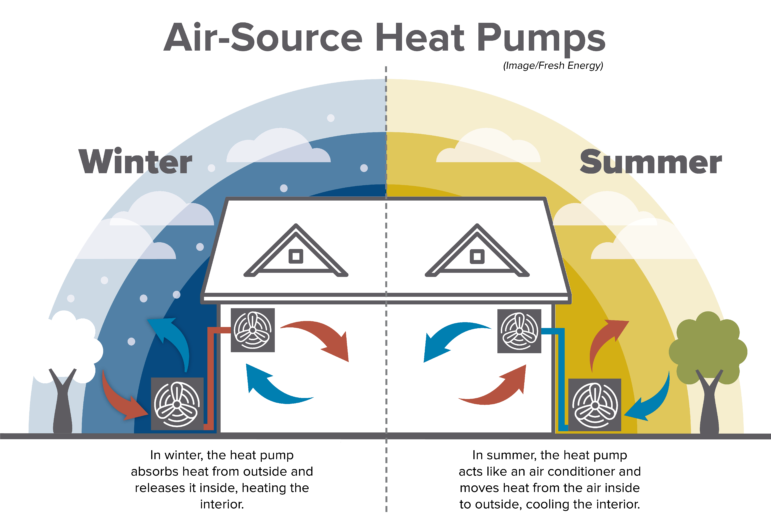
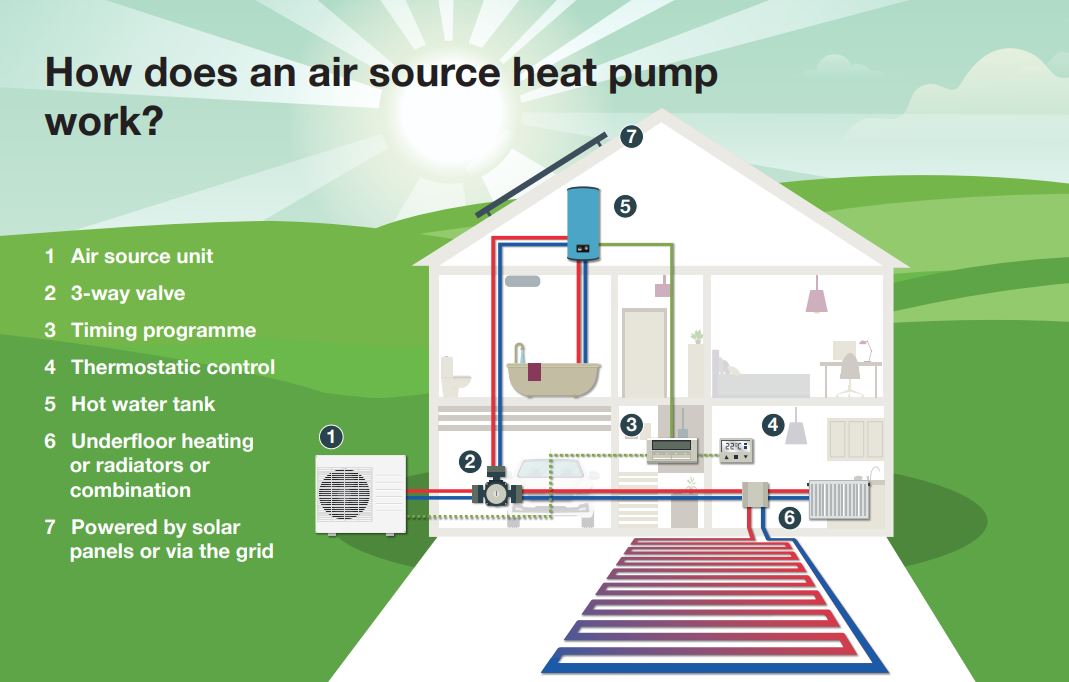
Unlike furnaces, which generate heat, heat pumps *transfer* heat from one place to another. In winter, they extract heat from the outside air (yes, even in cold weather!) and transfer it indoors. In summer, they reverse the process, removing heat from your home and expelling it outside. This process is inherently more efficient than creating heat from scratch.
To understand the efficiency of an ASHP, you need to be familiar with three key ratings:
- HSPF (Heating Seasonal Performance Factor): This measures the heating efficiency of a heat pump over an entire heating season. The higher the HSPF, the more efficient the unit. Energy Star certified heat pumps generally have an HSPF of 8.5 or higher.
- SEER (Seasonal Energy Efficiency Ratio): This measures the cooling efficiency of a heat pump over an entire cooling season. Like HSPF, a higher SEER rating indicates greater efficiency. Energy Star models typically have a SEER of 15 or higher.
- COP (Coefficient of Performance): This measures the ratio of heating or cooling output to energy input at a specific point in time. For example, a COP of 3 means that for every unit of electricity consumed, the heat pump produces three units of heating or cooling. While SEER and HSPF are more useful for long-term cost analysis, COP gives you an idea of instantaneous efficiency.
Important Note: The minimum efficiency standards set by the U.S. Department of Energy (DOE) are constantly evolving. Be sure to check the latest requirements for your region when comparing heat pump models. You can also find updated information on the Energy Star website.
Comparing Heat Pumps to Traditional HVAC Systems
Let's put these efficiency ratings into perspective. A traditional gas furnace typically has an AFUE (Annual Fuel Utilization Efficiency) rating of 80-98%. This means that 80-98% of the fuel consumed is converted into usable heat. While a high-efficiency furnace might seem comparable, the *method* of heat production is what truly differentiates it from a heat pump. A heat pump with an HSPF of 10 is significantly more efficient than even a 98% AFUE furnace because it's moving heat rather than generating it.
Similarly, traditional air conditioners generally have SEER ratings ranging from 13 to 22. A heat pump with a SEER of 18 will likely provide comparable cooling performance but also offers the added benefit of efficient heating in the winter.
Potential Savings: Switching from an older, less efficient furnace and air conditioner to a modern, Energy Star certified heat pump can reduce your energy consumption by 30-50%. This translates to significant savings on your monthly utility bills.
The Impact of Climate on Heat Pump Efficiency
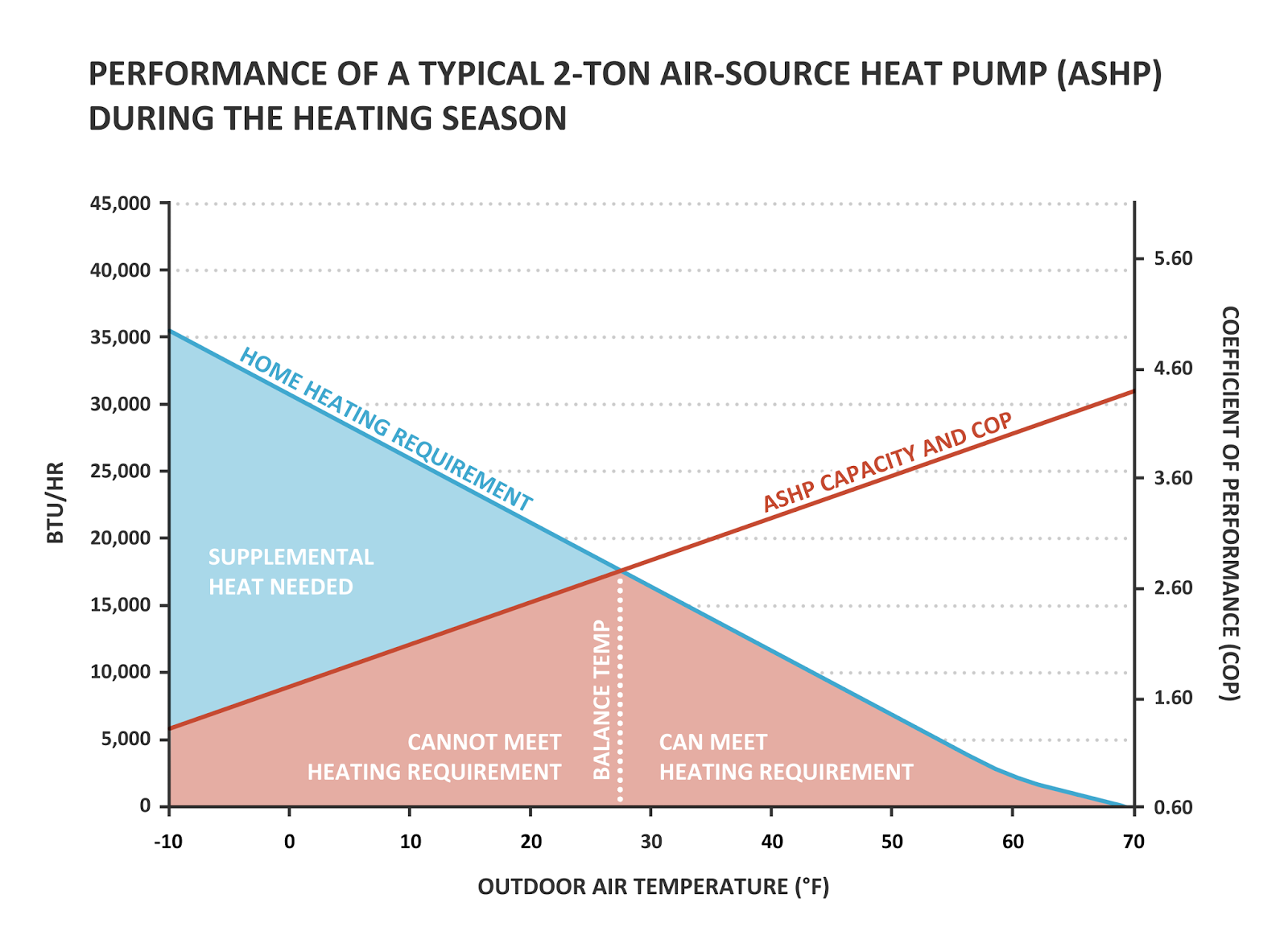
Heat pump performance is affected by the outdoor temperature. As temperatures drop, heat pumps have to work harder to extract heat from the air. In extremely cold climates, the heat pump may require supplemental heat from an electric resistance heater or a gas furnace. This can reduce the overall efficiency and increase energy costs.
However, advances in heat pump technology have led to the development of cold-climate heat pumps, which are designed to operate efficiently in temperatures as low as -13°F (-25°C). These models use advanced compressors and refrigerants to maintain high performance even in harsh winter conditions. Look for units specifically labeled as "cold-climate heat pumps" if you live in an area with prolonged periods of sub-freezing temperatures.
The sweet spot for heat pump efficiency is in moderate climates where temperatures rarely dip below freezing for extended periods. In these regions, heat pumps can provide year-round comfort with significantly lower energy costs than traditional HVAC systems.
Calculating Your ROI: Factors to Consider
Determining the return on investment (ROI) of a heat pump involves several factors:
- Initial Cost: Heat pumps typically have a higher upfront cost than traditional furnaces and air conditioners.
- Energy Savings: Calculate your potential energy savings based on the HSPF and SEER ratings of the heat pump and your current energy consumption.
- Installation Costs: Factor in the cost of installation, which can vary depending on the complexity of the project.
- Maintenance Costs: Heat pumps require regular maintenance, such as cleaning coils and replacing filters.
- Rebates and Incentives: Many utility companies and government agencies offer rebates and tax credits for installing energy-efficient heat pumps. Check with your local utility company and state energy office for available incentives. The Energy Star website is also a great resource.
To estimate your potential ROI, use online calculators or consult with an HVAC professional. They can assess your specific needs and provide a personalized cost-benefit analysis.
Smart Home Integration for Enhanced Efficiency
Integrating your heat pump with a smart thermostat and other smart home devices can further enhance its efficiency and reduce energy costs. Smart thermostats allow you to:
- Program custom heating and cooling schedules: Set different temperatures for different times of the day based on your occupancy patterns.
- Control your heat pump remotely: Adjust the temperature from your smartphone or tablet, even when you're away from home.
- Receive alerts and notifications: Get notified if there are any issues with your heat pump or if the temperature deviates from your set point.
- Optimize performance with learning algorithms: Some smart thermostats use machine learning to analyze your energy usage patterns and automatically adjust the settings for optimal efficiency.
By integrating your heat pump with smart sensors, you can also create zone-based heating and cooling systems. These systems allow you to control the temperature in individual rooms or zones, reducing energy waste in unoccupied areas.
For example, you can use occupancy sensors to detect when a room is empty and automatically lower the temperature. Or, you can use window and door sensors to detect when a window or door is open and automatically turn off the heat pump in that zone.
Choosing the Right Heat Pump: Key Considerations
Selecting the right heat pump for your needs requires careful consideration. Here are some key factors to keep in mind:
- Size: The size of the heat pump should be properly matched to the size of your home or building. An oversized heat pump will cycle on and off frequently, reducing its efficiency and lifespan. An undersized heat pump will struggle to maintain the desired temperature.
- Climate: Choose a heat pump that is designed for your climate. Cold-climate heat pumps are essential for areas with prolonged periods of sub-freezing temperatures.
- Efficiency Ratings: Look for heat pumps with high HSPF and SEER ratings. Energy Star certified models are a good choice.
- Refrigerant: Consider heat pumps that use environmentally friendly refrigerants with low global warming potential (GWP).
- Brand Reputation: Choose a reputable brand with a proven track record of reliability and performance.
- Warranty: Make sure the heat pump comes with a comprehensive warranty that covers parts and labor.
Working with an HVAC Professional
Installing a heat pump is a complex task that should be performed by a qualified HVAC professional. A professional can assess your needs, recommend the right heat pump for your home or building, and ensure that it is installed correctly.
When choosing an HVAC contractor, be sure to:
- Check their credentials: Make sure the contractor is licensed and insured.
- Get multiple quotes: Compare prices from different contractors.
- Read reviews: Check online reviews to see what other customers have to say about the contractor's work.
- Ask for references: Contact previous customers to get feedback on the contractor's quality of work and customer service.
By working with a qualified HVAC professional, you can ensure that your heat pump is installed correctly and operates efficiently for many years to come.
Conclusion: Heat Pumps Offer a Path to Energy Savings
Air source heat pumps offer a compelling solution for homeowners and businesses looking to reduce their energy consumption and lower their utility bills. By understanding the efficiency ratings, considering the climate, and integrating smart home technology, you can maximize the savings and enjoy year-round comfort. While the initial investment may be higher than traditional systems, the long-term energy savings and potential rebates make heat pumps a worthwhile investment for a sustainable future.