How Efficient Is Radiant Floor Heating
Radiant floor heating is a comfortable and increasingly popular way to heat homes. But how efficient is it, really? Understanding the nuances of radiant heating efficiency requires a deeper dive than just looking at initial costs. This guide will break down the factors that influence efficiency, compare it to other heating systems, and help you determine if it's the right choice for your needs.
Understanding Radiant Floor Heating
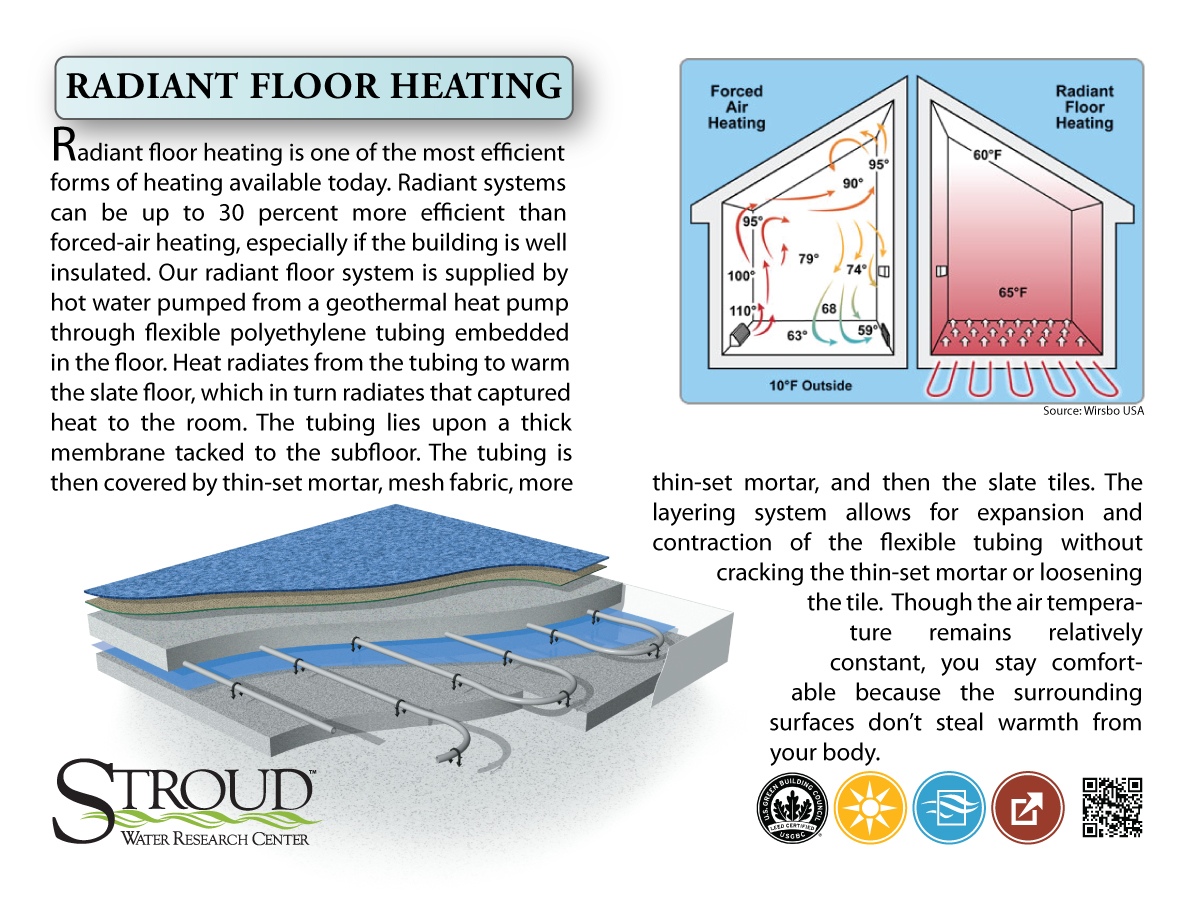
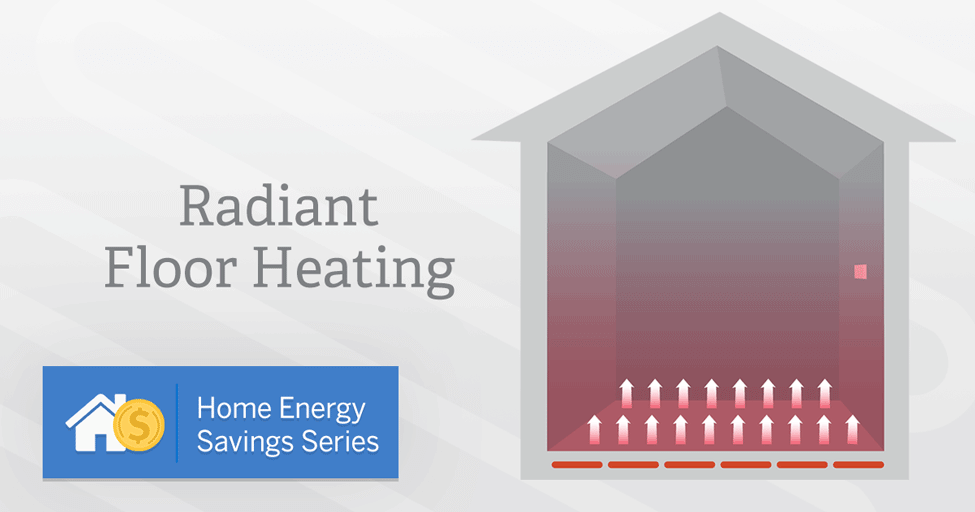
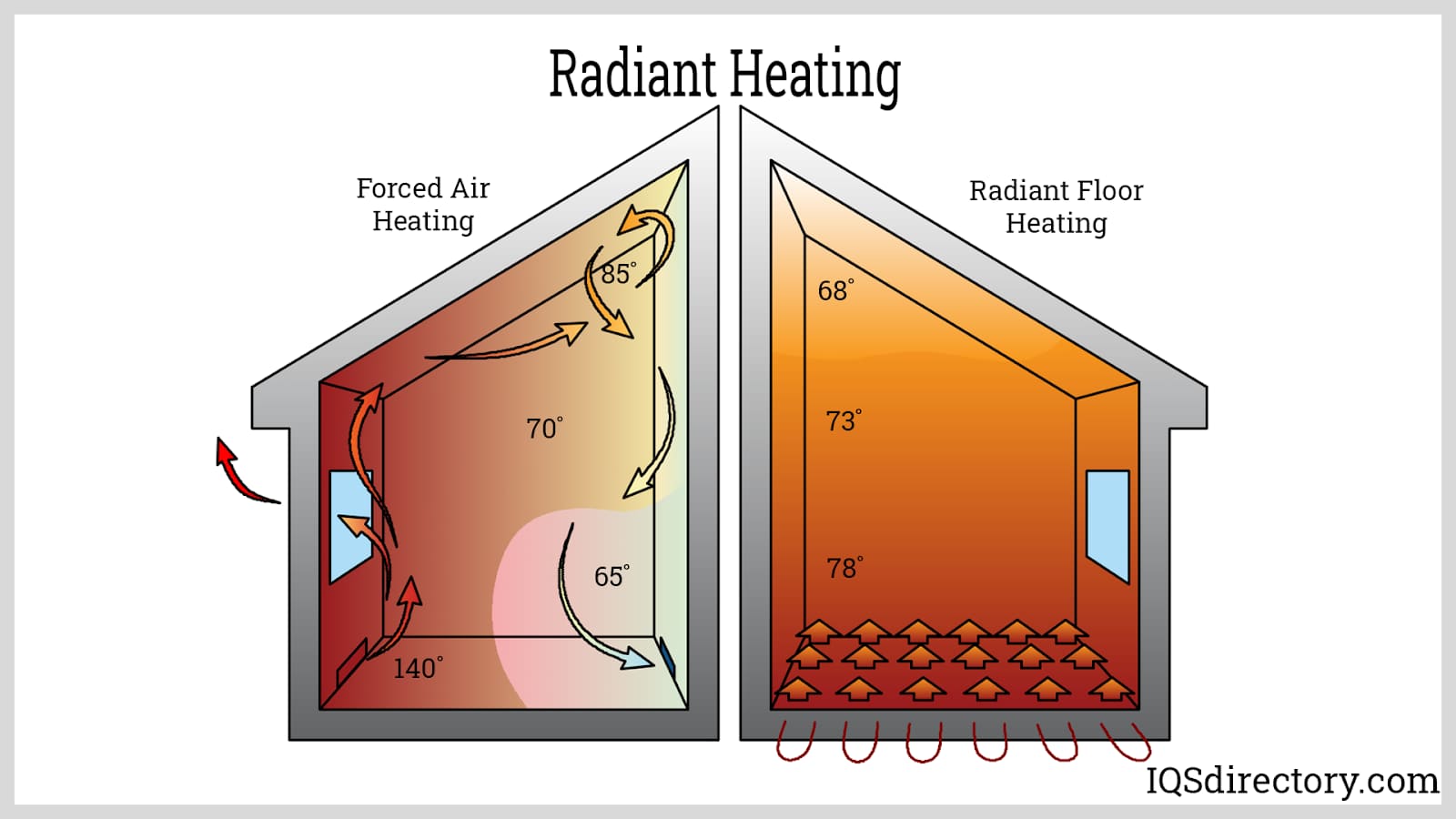
First, let's clarify what radiant floor heating is. Unlike forced-air systems that heat the air, radiant heating warms surfaces – primarily the floor. This heated surface then radiates warmth upwards, heating objects and people directly. This is similar to how the sun warms the earth.
Types of Radiant Floor Heating
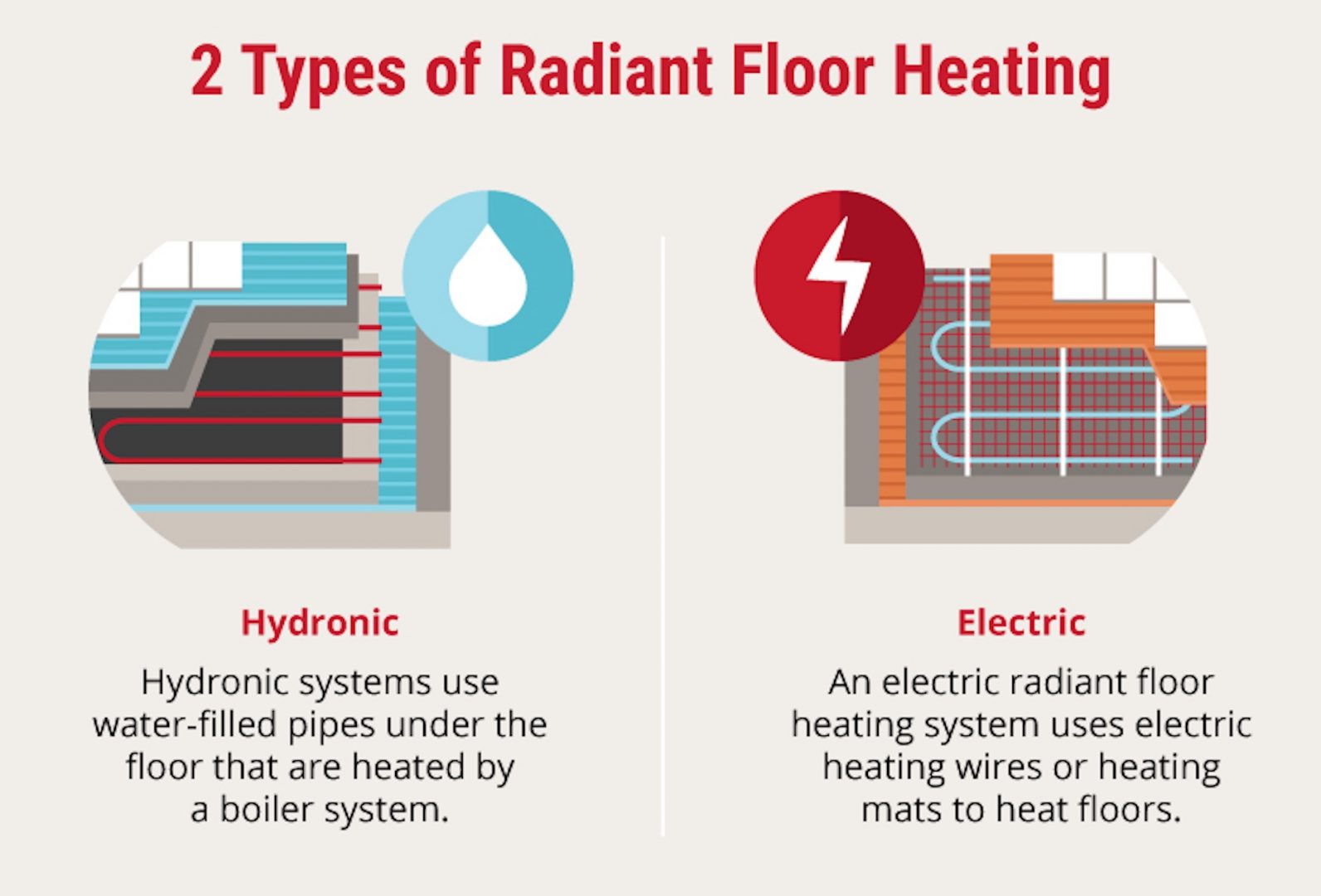
There are two main types of radiant floor heating systems:
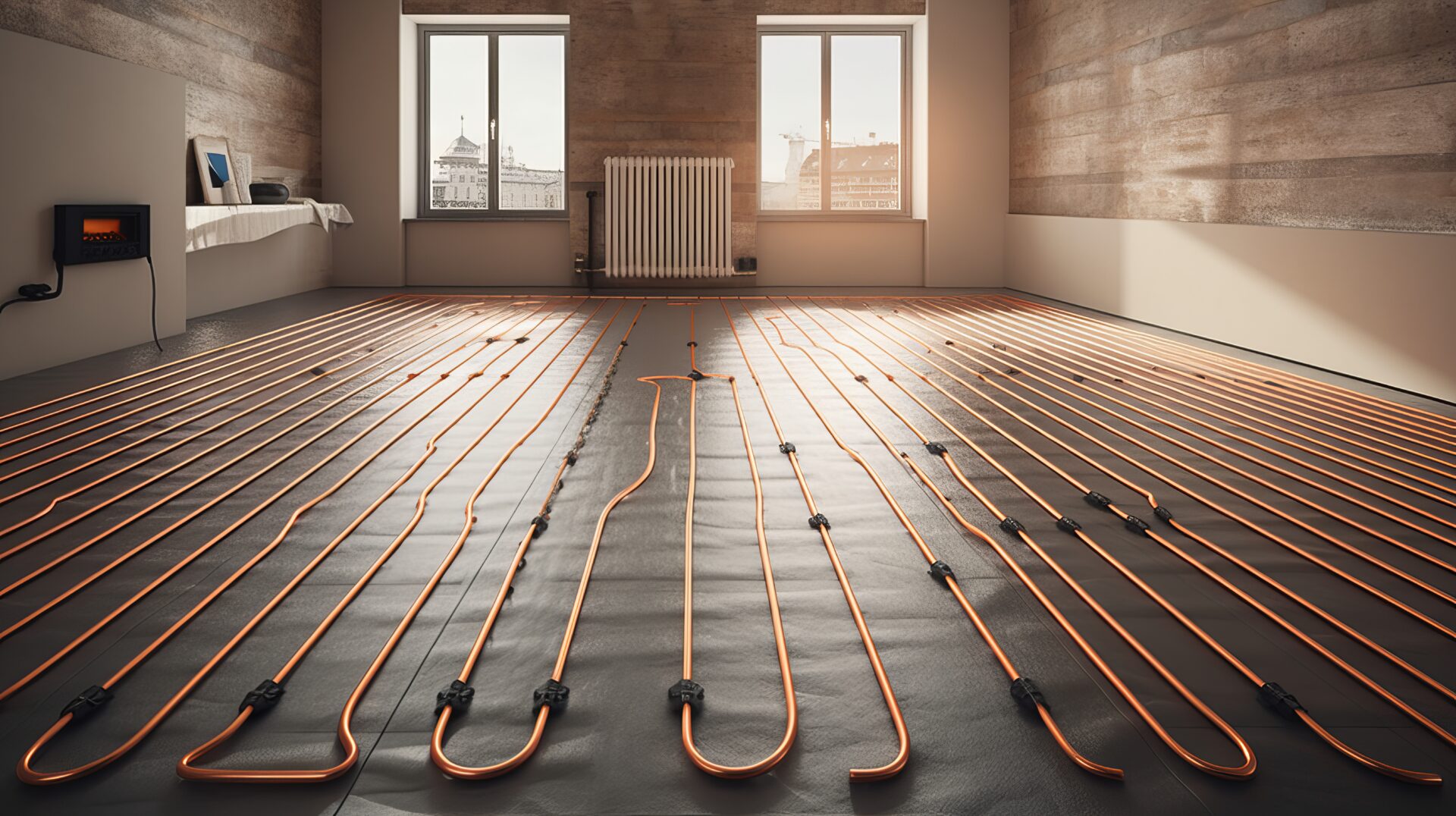
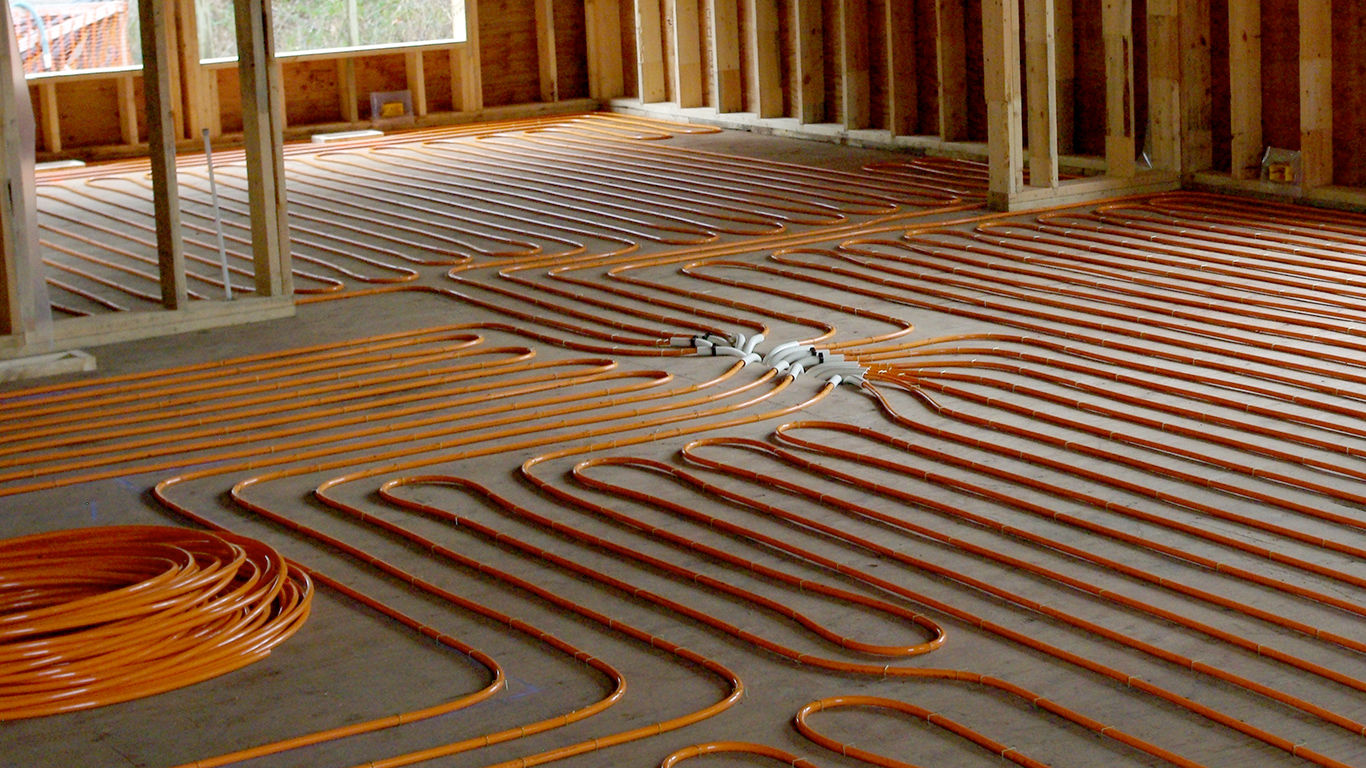
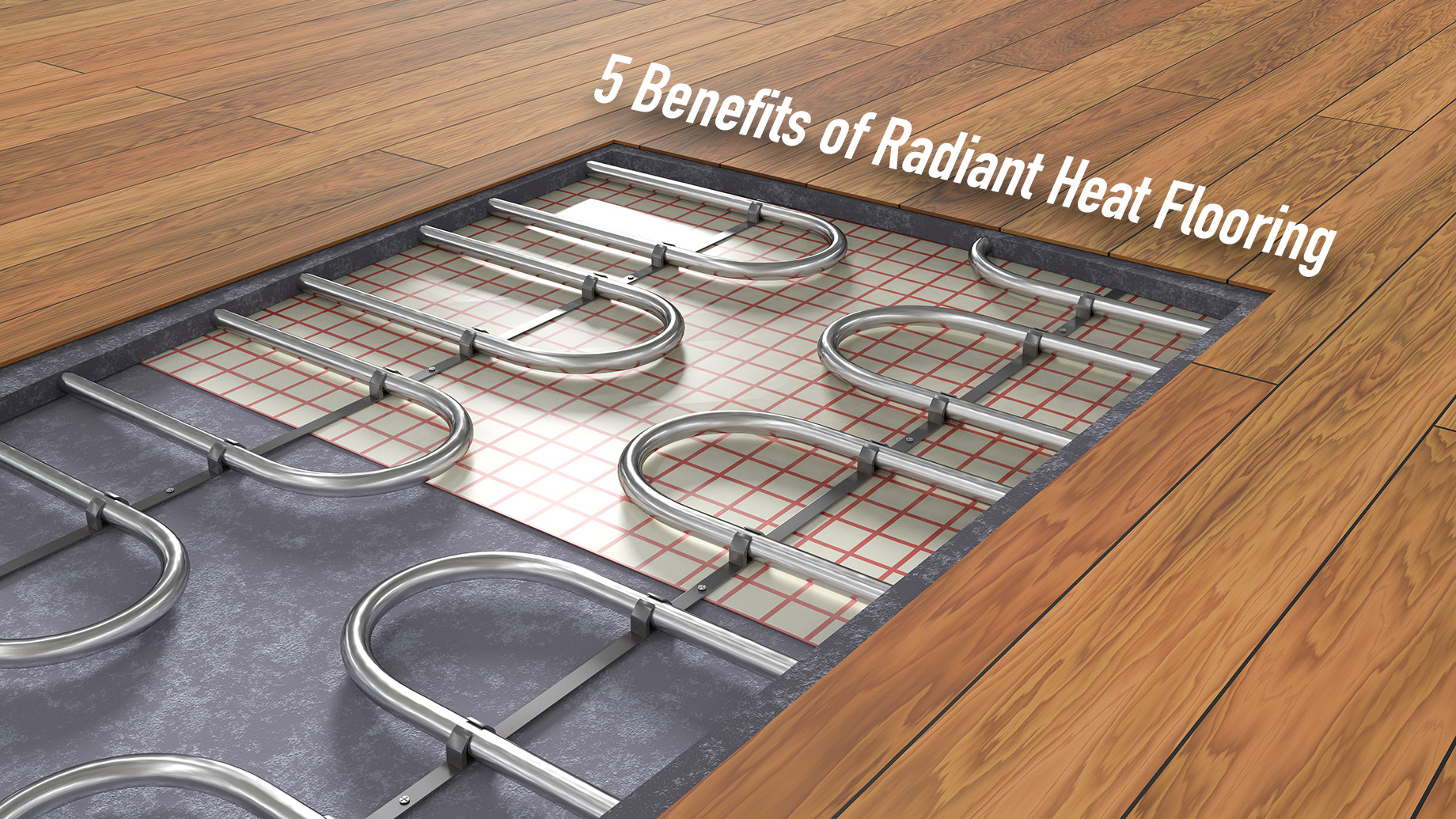
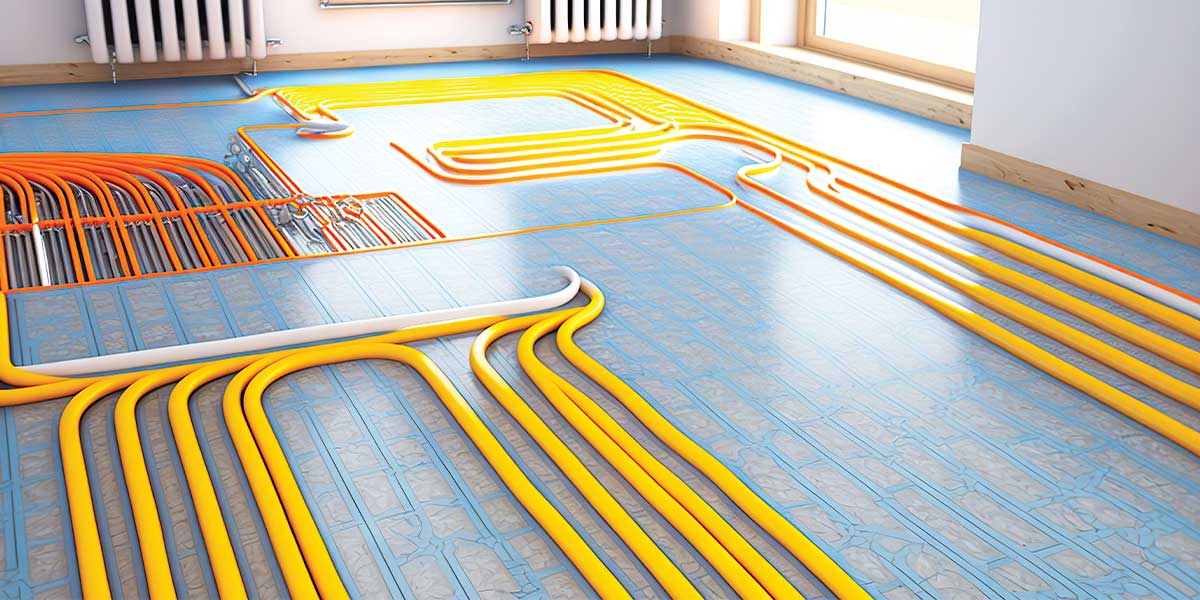
- Hydronic Systems: These circulate heated water through pipes embedded in the floor. A boiler or water heater heats the water, and a pump moves it through the network of pipes.
- Electric Systems: These use electric heating cables or mats embedded in the floor. When electricity flows through the cables, they heat up and radiate warmth.
The type of system you choose significantly impacts overall efficiency. We'll delve into this more later.
Factors Affecting Radiant Floor Heating Efficiency
Several factors determine how efficiently a radiant floor heating system operates. These range from the system design to the insulation of your home.
Insulation, Insulation, Insulation
Proper insulation is paramount for any heating system, but it's especially crucial for radiant floor heating. Think of insulation as a cozy blanket for your house. It prevents heat from escaping through walls, ceilings, and floors. Without adequate insulation, the radiant system will have to work harder to maintain a comfortable temperature, leading to wasted energy and higher bills.
The recommended insulation levels vary depending on your climate zone. Consult with a qualified insulation contractor to ensure your home is properly insulated.
System Design and Installation
A well-designed and properly installed radiant floor heating system is essential for efficiency. Factors like the spacing of the pipes or heating cables, the depth at which they're embedded, and the type of flooring material used all play a role.
- Pipe/Cable Spacing: Closer spacing generally provides more even heat distribution but can increase installation costs.
- Embedding Depth: Shallower embedding allows for quicker response times (heat-up and cool-down) but may result in less even heat distribution.
- Flooring Material: Some flooring materials, like tile and stone, are excellent conductors of heat, while others, like thick carpets, can impede heat transfer.
Hire a qualified and experienced contractor specializing in radiant floor heating. A poorly designed or installed system can lead to uneven heating, cold spots, and reduced efficiency.
Water Temperature (Hydronic Systems)
For hydronic systems, the water temperature is a critical factor. Radiant floor heating systems typically operate at lower water temperatures (around 80-120°F) compared to traditional radiators (around 140-180°F). This lower temperature requirement can lead to greater efficiency, especially when paired with a condensing boiler or heat pump designed for low-temperature operation.
Precise temperature control is vital. Using a thermostat and mixing valves, the water temperature can be precisely controlled according to the outside temperature and the desired indoor temperature. This helps prevent overheating and wasted energy.
Zoning and Controls
Zoning allows you to control the temperature in different areas of your home independently. For example, you might want to keep the bedrooms cooler at night while maintaining a comfortable temperature in the living areas. Zoning can be achieved using multiple thermostats and valves that control the flow of heated water to different zones.
Programmable thermostats are also crucial for efficiency. They allow you to set different temperatures for different times of the day, ensuring that you're not heating your home unnecessarily when you're away or asleep.
Heat Source Efficiency (Hydronic Systems)
The efficiency of the heat source powering the hydronic system plays a significant role. Consider the following options:
- Condensing Boilers: These are highly efficient boilers that extract more heat from the combustion gases than traditional boilers. They are an excellent choice for radiant floor heating.
- Heat Pumps: Heat pumps can provide both heating and cooling. They are very efficient, especially when used in mild climates. Ground source heat pumps are even more efficient than air source heat pumps.
- Solar Thermal: Solar thermal systems can be used to preheat the water for the radiant floor heating system, reducing the reliance on other energy sources.
Electricity Costs (Electric Systems)
For electric radiant floor heating systems, the cost of electricity is a major consideration. Electricity is generally more expensive than natural gas or propane. Therefore, electric systems may be less cost-effective in areas with high electricity rates. However, they can be a good option for small areas, like bathrooms, where the energy consumption is relatively low.
Radiant Floor Heating vs. Other Heating Systems
To truly assess the efficiency of radiant floor heating, it's helpful to compare it to other common heating systems.
Forced-Air Heating
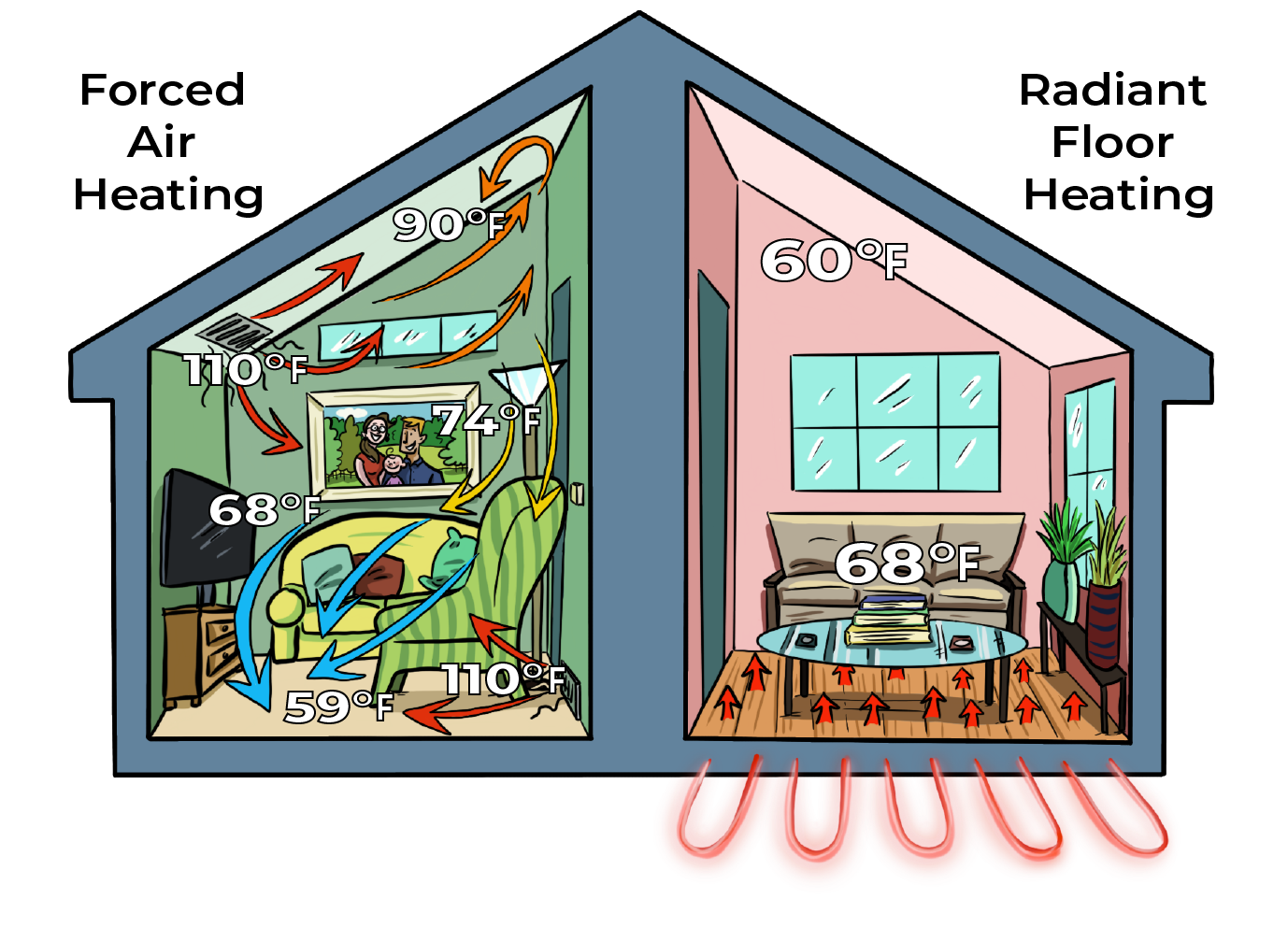
Forced-air heating systems, which use a furnace to heat air and distribute it through ducts, are often less efficient than radiant floor heating. Duct losses are a significant factor. Heat can be lost through leaky or poorly insulated ducts, reducing the overall efficiency of the system. Radiant floor heating eliminates duct losses because the heat is delivered directly to the floor.
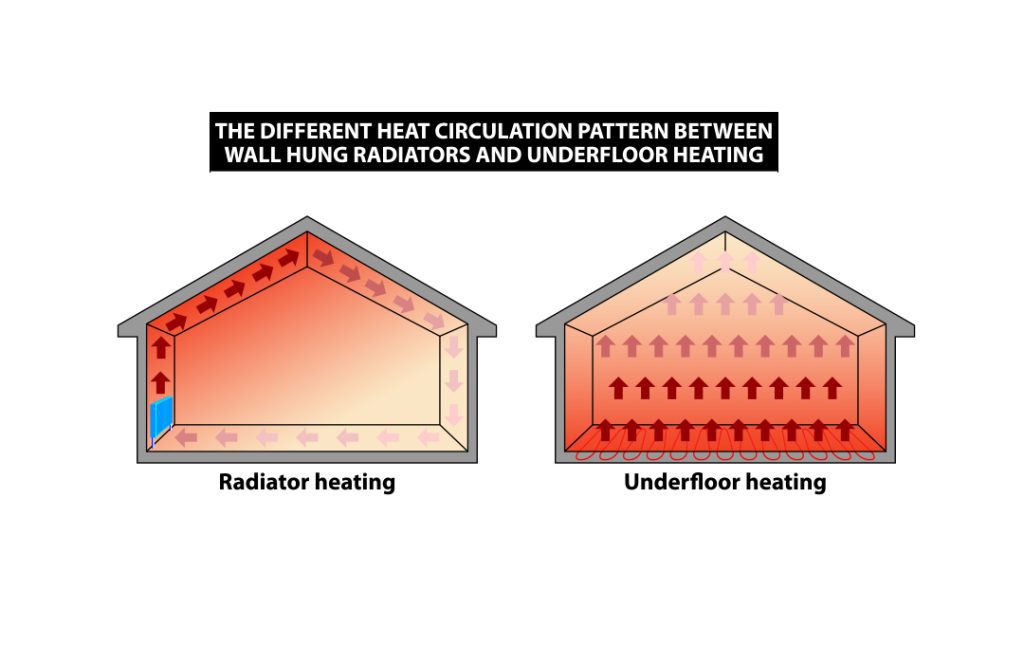
Furthermore, forced-air systems can create drafts and uneven temperature distribution. Radiant floor heating provides a more consistent and comfortable temperature throughout the room.
Baseboard Heating
Electric baseboard heaters are another common heating system. While relatively inexpensive to install, they are often less efficient than radiant floor heating. They heat the air near the floor, which then rises to the ceiling, resulting in temperature stratification (warmer air at the ceiling and cooler air at the floor). Radiant floor heating provides a more even temperature distribution and is generally more comfortable.
Radiators
Radiators, like forced-air systems, heat the air. While they don't have the duct loss issues of forced-air, they still suffer from some temperature stratification and can be less efficient than radiant floor heating, especially when using lower water temperatures in the radiant system coupled with an efficient boiler or heat pump.
Is Radiant Floor Heating Right for You?
Radiant floor heating offers several advantages, including improved comfort, even temperature distribution, and the potential for higher efficiency compared to some other heating systems. However, it's essential to consider the following factors before making a decision:
- Initial Cost: Radiant floor heating systems typically have a higher initial cost than forced-air or baseboard heating systems.
- Installation Complexity: Installing a radiant floor heating system can be more complex than installing other types of heating systems, especially in existing homes.
- Response Time: Radiant floor heating systems can have a slower response time than forced-air systems. It takes time for the floor to heat up and cool down.
- Flooring Material: The type of flooring material you choose can impact the efficiency and effectiveness of radiant floor heating.
- Climate: Radiant floor heating can be particularly effective in colder climates, but it can also be used in milder climates.
Maximizing Radiant Floor Heating Efficiency: Key Takeaways
To maximize the efficiency of your radiant floor heating system, remember these key points:
- Prioritize Insulation: Ensure your home is properly insulated to minimize heat loss.
- Choose the Right System: Carefully consider whether a hydronic or electric system is more appropriate for your needs and budget.
- Hire a Qualified Contractor: Work with an experienced contractor specializing in radiant floor heating design and installation.
- Optimize Water Temperature (Hydronic): Use the lowest possible water temperature while maintaining comfortable temperatures.
- Implement Zoning and Controls: Use zoning and programmable thermostats to control the temperature in different areas of your home and at different times of the day.
- Consider an Efficient Heat Source (Hydronic): Choose a condensing boiler, heat pump, or solar thermal system to power your hydronic system.
By carefully considering these factors and taking steps to optimize your system, you can enjoy the comfort and efficiency of radiant floor heating for years to come.
Ultimately, the decision of whether or not to install radiant floor heating depends on your individual needs, budget, and preferences. By weighing the advantages and disadvantages and consulting with qualified professionals, you can make an informed decision that's right for you.