How Heat Pumps Work In Winter

Imagine waking up on a chilly winter morning, expecting a warm and cozy house, only to find that your heating system is blowing out cold air. This is a common and frustrating issue many homeowners face, especially those relying on heat pumps. Before you panic and call a repair technician, let's explore how heat pumps work in winter and some basic troubleshooting steps you can take to diagnose and potentially fix the problem yourself.
Understanding How Heat Pumps Work in Winter
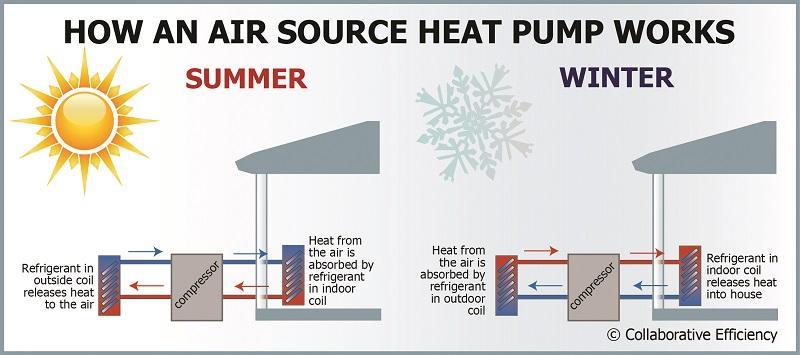
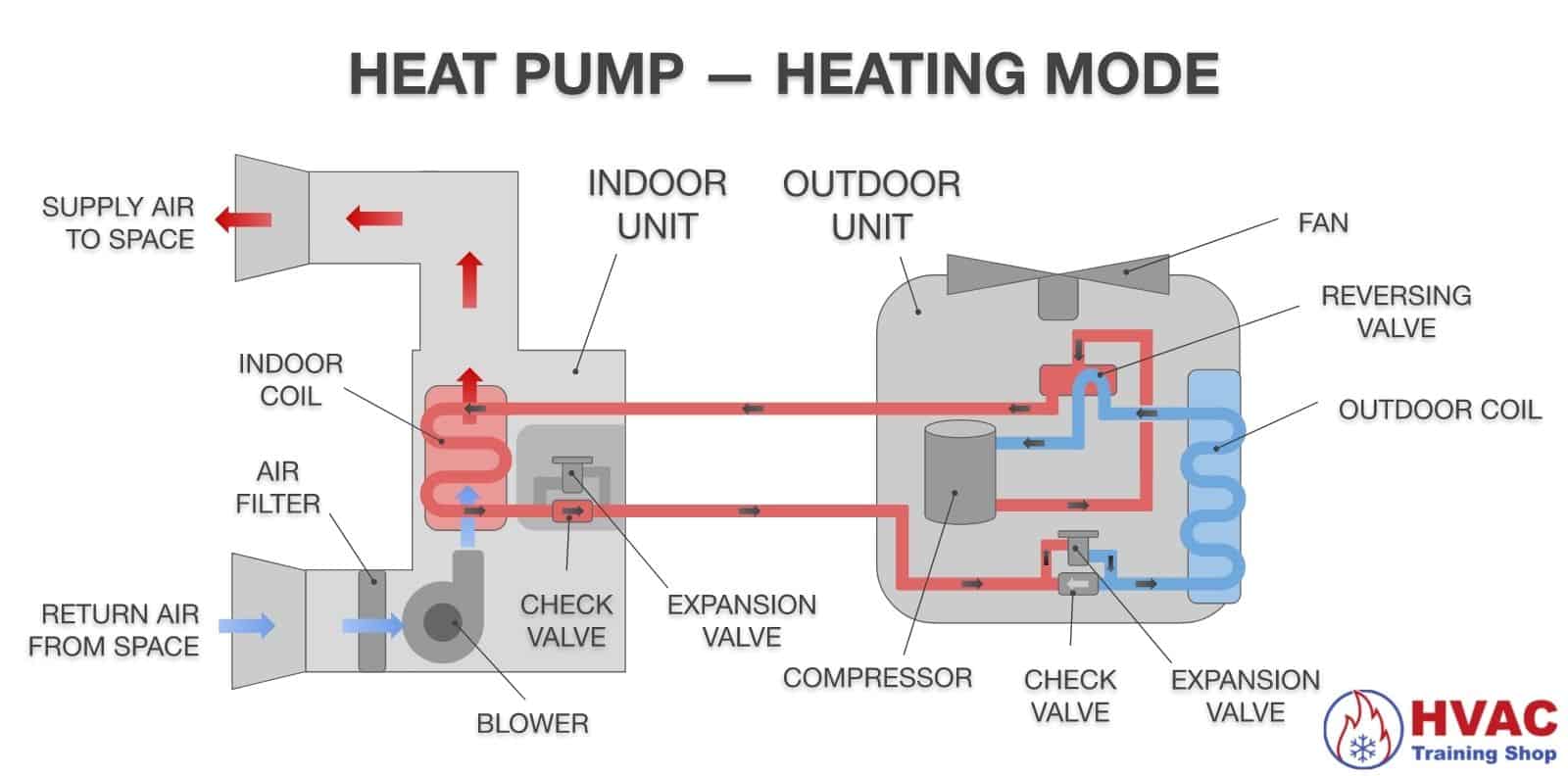
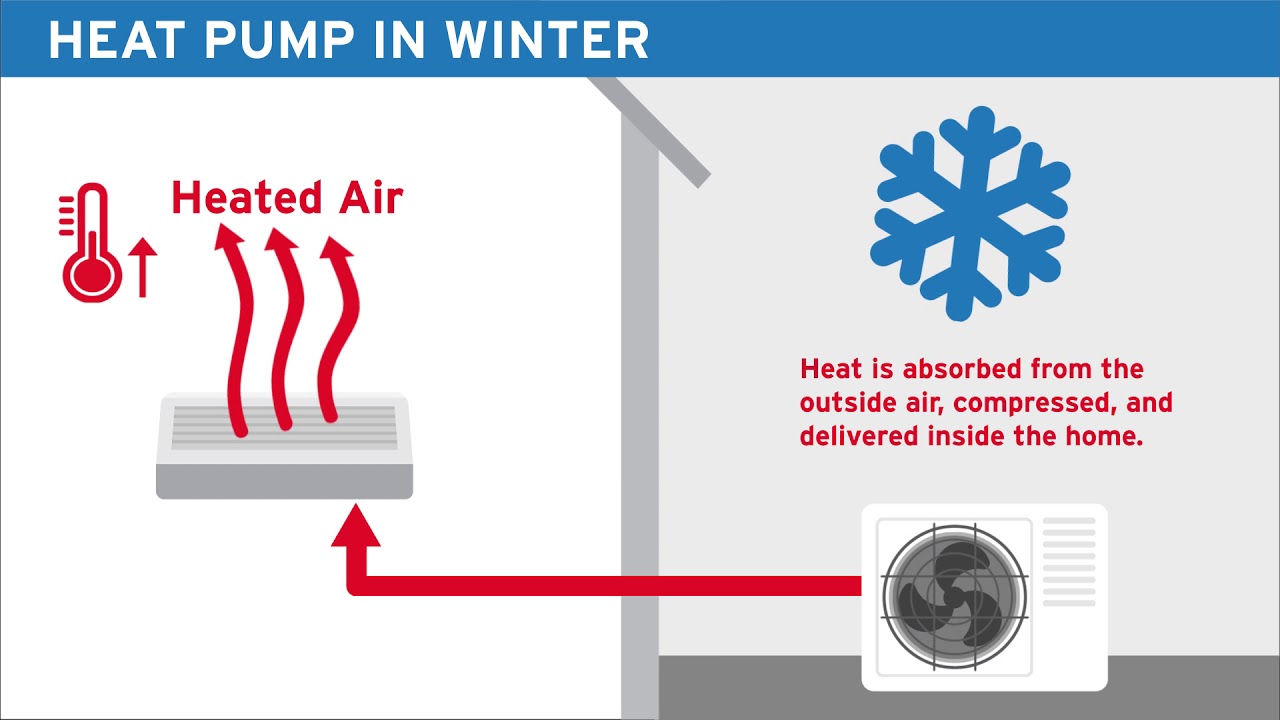
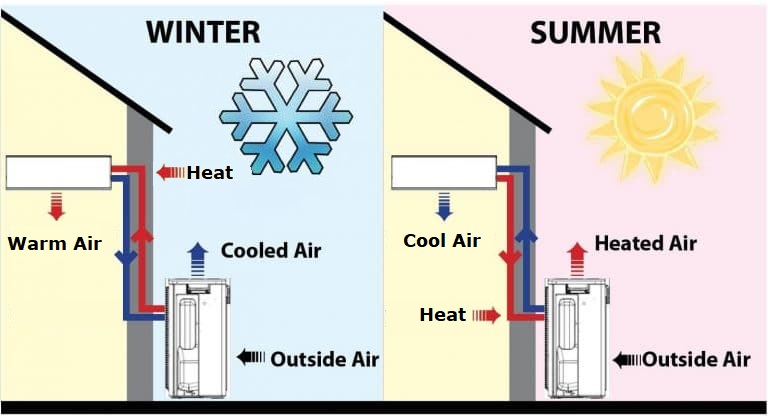
Unlike furnaces that generate heat by burning fuel, heat pumps move heat from one place to another. In the summer, they extract heat from inside your home and release it outside. In the winter, this process is reversed: they extract heat from the outside air and transfer it inside. Even when it feels cold outside, there's still some heat energy available in the air that a heat pump can utilize.
However, this process becomes less efficient as the outdoor temperature drops. That's why many heat pump systems include an auxiliary heating system, often electric resistance heat, to supplement the heat pump when it can't keep up with the demand. Knowing this is crucial for troubleshooting, as a malfunctioning auxiliary system can often be the culprit behind the "cold air" problem.
Troubleshooting Your Heat Pump: A Step-by-Step Guide
Before you start, always prioritize safety. Turn off the power to the heat pump at the breaker box before attempting any electrical troubleshooting. If you are uncomfortable with any of these steps, call a qualified HVAC technician.
Step 1: Check the Thermostat
This is the first and easiest step. Often, the problem is simply a setting issue.
- Verify the mode: Make sure the thermostat is set to "Heat" and not "Cool" or "Auto." While "Auto" should theoretically switch between heating and cooling, it can sometimes malfunction.
- Check the temperature setting: Ensure the set temperature is higher than the current room temperature. Try increasing the temperature by a few degrees to see if the heat pump kicks in.
- Examine the batteries: If your thermostat is battery-powered, check the battery level. Low batteries can cause erratic behavior. Replace them with fresh batteries.
- Inspect the thermostat wiring: (If you're comfortable and familiar with basic electrical work) Gently remove the thermostat cover and check the wiring connections. Loose or corroded wires can disrupt the signal. Tighten any loose connections, but only if you are absolutely certain you know what you are doing. If in doubt, call a professional.
Step 2: Inspect the Outdoor Unit
The outdoor unit is responsible for extracting heat from the air. It’s essential to ensure it’s not obstructed or frozen.
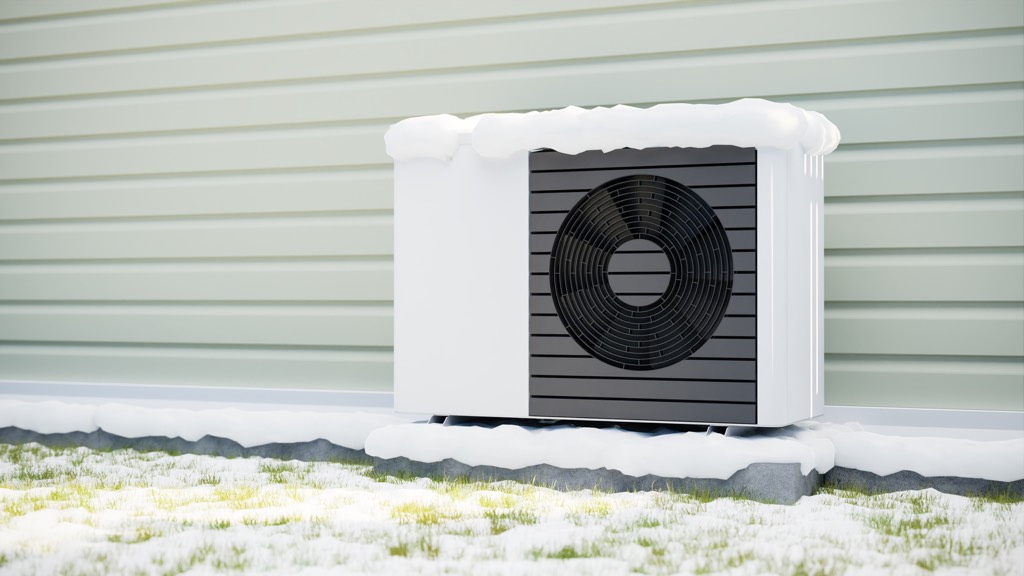
- Debris and obstructions: Check for any debris, such as leaves, snow, ice, or branches, blocking the airflow around the unit. Clear away any obstructions to allow for proper ventilation.
- Ice buildup: It's normal for heat pumps to accumulate some ice, especially during defrost cycles. However, excessive ice buildup can indicate a problem.
- Defrost cycle: Your heat pump should automatically enter a defrost cycle periodically to melt ice. During this cycle, it's normal for the unit to blow cool air for a short time (usually a few minutes).
- Excessive ice: If the unit is continuously covered in ice, it may indicate a malfunctioning defrost system. You can carefully try to melt the ice with a garden hose on a low setting. Do not use sharp objects or hot water, as this can damage the unit. If the ice continues to build up, call a professional.
- Fan operation: Ensure the outdoor fan is spinning freely. If it's not spinning or is making unusual noises, there may be a problem with the motor. This usually requires professional repair.
Step 3: Check the Indoor Unit (Air Handler)
The indoor unit, also known as the air handler, circulates the heated air throughout your home.
- Air filter: A dirty air filter restricts airflow, reducing the efficiency of your heat pump and potentially causing it to overheat. Replace your air filter regularly, typically every 1-3 months, depending on usage and air quality. A clogged filter is one of the most common reasons for heating problems.
- Blower fan: Listen for the blower fan running. If it's not running, check the circuit breaker. If the breaker has tripped, reset it. If it trips again immediately, there may be an electrical problem requiring professional attention.
- Register vents: Ensure that all registers are open and unobstructed, allowing for proper airflow throughout your home.
Step 4: Inspect the Auxiliary Heat
As mentioned earlier, the auxiliary heat system supplements the heat pump during colder temperatures. If the auxiliary heat isn't working correctly, your heat pump may struggle to keep your home warm.
- Thermostat settings: Some thermostats have settings that allow you to control the auxiliary heat. Check your thermostat manual to see if you can manually activate the auxiliary heat. If you can, try turning it on to see if it produces heat.
- Circuit breaker: The auxiliary heat system typically has its own circuit breaker. Check the breaker to ensure it hasn't tripped. Reset it if necessary. If it trips repeatedly, there's likely an electrical problem that requires professional attention.
- Listen for operation: When the auxiliary heat is running, you should hear a distinct humming or buzzing sound. If you don't hear anything, it may indicate a problem with the heating elements. This is an electrical repair and should only be performed by a qualified technician.
Step 5: Checking the Condensate Drain Line
During the heating process, heat pumps can produce condensation, which needs to be drained away. A clogged condensate drain line can cause water to back up, potentially triggering a safety switch that shuts down the system.
- Locate the drain line: The condensate drain line is typically a PVC pipe that runs from the indoor unit to a drain.
- Check for clogs: Look for any signs of blockage in the drain line, such as standing water or debris.
- Clear the drain line: You can try to clear the drain line by using a wet/dry vacuum to suck out any debris. Alternatively, you can carefully pour a mixture of hot water and vinegar down the drain line to dissolve any clogs. Do not use harsh chemicals.
When to Call a Professional
While these basic troubleshooting steps can resolve many common heat pump problems, there are situations where it's best to call a qualified HVAC technician. Never attempt repairs you're uncomfortable with or that involve complex electrical or refrigerant work.
Here are some situations where professional help is recommended:
- Refrigerant leaks: Refrigerant is essential for the heat pump's operation. If you suspect a refrigerant leak (e.g., hissing sounds, ice buildup on the refrigerant lines), do not attempt to repair it yourself. Refrigerant handling requires specialized equipment and training.
- Electrical problems: Any electrical repairs beyond resetting a circuit breaker should be left to a qualified electrician or HVAC technician. Working with electricity can be dangerous.
- Compressor issues: The compressor is the heart of the heat pump. If you suspect a problem with the compressor (e.g., loud noises, no heating or cooling), it's best to call a professional. Compressor repairs are complex and often require specialized tools and knowledge.
- Defrost system malfunction: If your heat pump is constantly covered in ice despite running, there may be a problem with the defrost system. Repairing the defrost system often requires specialized knowledge and equipment.
- Persistent problems: If you've tried all the basic troubleshooting steps and your heat pump is still not working correctly, it's time to call a professional. They can diagnose the problem and perform the necessary repairs.
Preventative Maintenance
The best way to avoid heat pump problems in the winter is to perform regular preventative maintenance. Here are some tips:
- Change air filters regularly: As mentioned earlier, a clean air filter is essential for optimal performance.
- Clean the outdoor unit: Remove any debris from around the outdoor unit regularly.
- Schedule annual maintenance: Have a qualified HVAC technician inspect and service your heat pump annually. This will help identify potential problems early and ensure that your system is running efficiently.
By understanding how heat pumps work in winter and following these basic troubleshooting steps, you can often resolve common heating problems yourself. Remember to prioritize safety and call a professional when necessary. With a little knowledge and preventative maintenance, you can keep your heat pump running smoothly and efficiently all winter long, ensuring a warm and comfortable home.