How High Does A Washer Drain Have To Be
Proper drainage is crucial for the efficient and safe operation of many appliances, especially washing machines and HVAC systems. Often overlooked, the height of the drain line significantly impacts performance and prevents potentially damaging issues like backflow. Understanding the correct drain height is essential for homeowners, HVAC technicians, and property managers alike.
Understanding Drain Height Requirements
The height requirement for a washer drain, and condensate drains from HVAC equipment, is primarily dictated by plumbing codes and manufacturer recommendations. These guidelines aim to prevent siphoning, backflow, and ensure gravity can effectively carry wastewater away. While specific numbers vary depending on local regulations and the appliance itself, there are general principles to follow.
Washer Drain Height
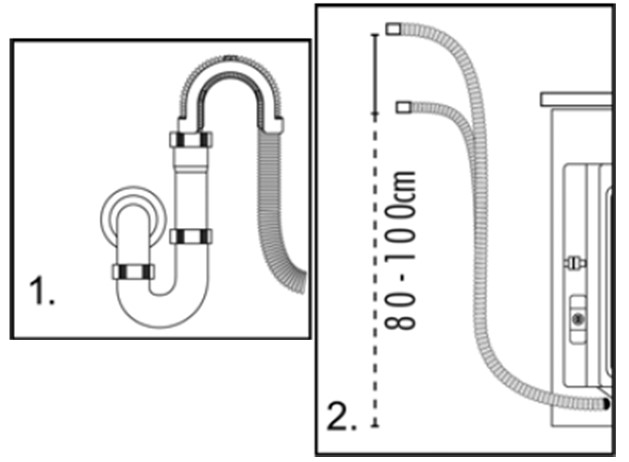
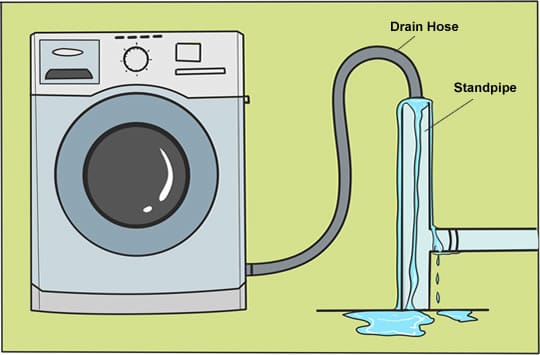
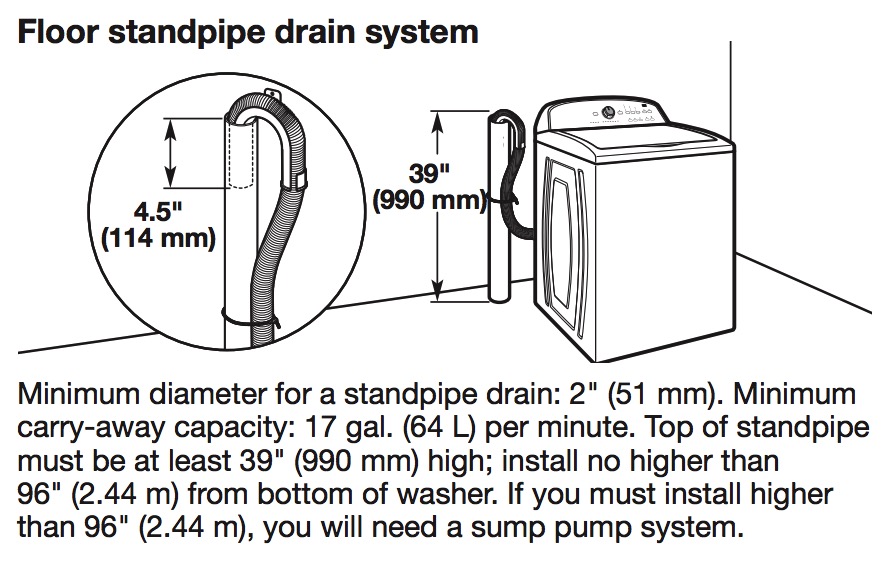
For washing machines, the standard drain height above the floor typically falls within the range of 30 to 96 inches (76 to 244 cm). The plumbing code specifies a *standpipe* that receives the discharge from the washing machine's drain hose. The top of this standpipe must be within the specified height range. If the standpipe is too low, wastewater can backflow into the washing machine. If it's too high, the pump in the washing machine may struggle to discharge the water effectively, potentially leading to premature pump failure. Moreover, an improperly installed drain can create an air gap that isn't large enough, leading to siphoning of the water back into the machine.
The diameter of the standpipe also matters. Most plumbing codes require a minimum diameter of 2 inches for washing machine standpipes. This allows for adequate flow and prevents clogs.
Example: Imagine a homeowner installing a new washing machine. They connect the drain hose to a standpipe only 18 inches above the floor. During the wash cycle, dirty water begins to back up into the washing machine drum, contaminating the clean clothes. This is a clear indication of an improperly installed drain with insufficient height.
HVAC Condensate Drain Height
HVAC systems, including air conditioners, heat pumps, and high-efficiency furnaces, generate condensate as a byproduct of the cooling or heating process. This condensate needs to be properly drained away to prevent water damage, mold growth, and equipment malfunction.
Unlike washing machines, HVAC condensate drains typically rely on gravity to function. The drain line must slope downwards from the unit to the drain termination point. While there isn't a specific height requirement above the floor in the same way as a washing machine standpipe, the overall slope and the elevation of the termination point are critical.
The general recommendation is to maintain a minimum slope of 1/4 inch per foot for condensate drain lines. This ensures that the water flows freely without pooling or becoming stagnant. The termination point, which could be a floor drain, a condensate pump, or an exterior drain, must be lower than the condensate drain outlet on the HVAC unit.
In some cases, particularly when the drain line cannot be routed downwards due to obstacles or the layout of the building, a condensate pump is required. These pumps automatically collect the condensate and pump it upwards to a higher drain point. The pump's discharge height should be chosen based on the manufacturer's specifications and the height of the drain it needs to reach. Installing a safety float switch in the condensate pan of the HVAC unit is also a standard practice, preventing overflow and potential water damage.
Example: Consider a split-system air conditioner installed in an attic. The condensate drain line is run horizontally for 20 feet without any slope. As a result, water accumulates in the line, eventually backing up into the air handler. This can lead to water damage in the attic and potentially damage the air conditioning unit. A proper slope or the installation of a condensate pump would have prevented this problem.
Factors Influencing Drain Height
Several factors can influence the optimal drain height for washing machines and HVAC systems:
- Local Plumbing Codes: Always consult your local plumbing codes for specific requirements regarding drain height, standpipe diameter, and venting. Codes vary by jurisdiction, so it's crucial to comply with local regulations.
- Manufacturer Specifications: Refer to the appliance manufacturer's installation instructions for recommended drain height and other drainage requirements. These specifications often supersede general plumbing codes.
- Drainage System Configuration: The overall configuration of the drainage system, including the length and slope of the drain lines, can affect the required drain height. Long, horizontal runs may require a higher drain height or a condensate pump.
- Type of HVAC Equipment: High-efficiency furnaces and air conditioners produce more condensate than older, less efficient models. This may necessitate a larger drain line or a condensate pump with a higher pumping capacity.
- Presence of a Condensate Pump: If a condensate pump is used, the pump's discharge height must be considered. The pump must be able to lift the condensate to the required drain point.
Potential Problems with Incorrect Drain Height
An incorrect drain height can lead to a variety of problems, including:
- Backflow: Wastewater can backflow into the appliance, contaminating clean clothes or damaging HVAC equipment.
- Siphoning: Water can be siphoned out of the appliance, leading to inefficient operation and potential damage.
- Clogging: Inadequate drain height or slope can cause debris and sediment to accumulate in the drain line, leading to clogs.
- Water Damage: Overflowing condensate or backflowing wastewater can cause water damage to floors, walls, and ceilings.
- Mold Growth: Stagnant water in the drain line can promote mold growth, which can pose health risks.
- Equipment Malfunction: Improper drainage can lead to premature failure of pumps, compressors, and other components.
Cost Considerations
The cost of ensuring proper drain height varies depending on the complexity of the installation. Simple drain height adjustments may only require a few dollars in materials and labor. However, more complex installations, such as those involving condensate pumps or extensive drain line modifications, can cost several hundred dollars or more.
Cost Breakdown:
- Drain hose extension: $10-$20
- Standpipe extension: $20-$50
- Condensate pump: $50-$200 (depending on capacity and features)
- Labor costs: $75-$150 per hour (plumber or HVAC technician)
Investing in proper drainage is crucial in the long run. Preventing water damage and equipment malfunction can save significant money on repairs and replacements. Ignoring this can lead to extensive damage, with mold remediation costing thousands of dollars. Moreover, replacing a prematurely failed washing machine or HVAC unit due to poor drainage will cost far more than the initial investment in proper drain installation.
Efficiency and Lifespan Considerations
Proper drainage directly impacts the efficiency and lifespan of your appliances. When washing machines or HVAC systems operate with obstructed or inadequate drainage, they have to work harder, consuming more energy and reducing their overall lifespan. A washing machine pump struggling against backpressure from an improperly vented drain will wear out much faster. Similarly, a furnace with a clogged condensate drain can experience corrosion and reduced heating efficiency.
Conclusion
Ensuring the correct drain height for washing machines and HVAC systems is a critical aspect of proper installation and maintenance. By adhering to local plumbing codes, manufacturer specifications, and best practices, homeowners, HVAC technicians, and property managers can prevent costly problems, improve energy efficiency, and extend the lifespan of their appliances. Remember to consult with a qualified plumber or HVAC technician if you have any questions or concerns about drain height requirements. This relatively small detail can have a significant impact on the performance, safety, and longevity of your appliances.