How Hot Does A Flue Pipe Get

Imagine waking up on a chilly morning, expecting the comforting warmth of your natural gas furnace, only to find your house stubbornly cold. The thermostat reads far below the set temperature, and a nagging worry sets in: is the furnace broken again? This scenario is a common household appliance failure, and understanding the potential problems, including flue pipe temperature, can empower you to troubleshoot effectively.
Understanding the Importance of Flue Pipe Temperature
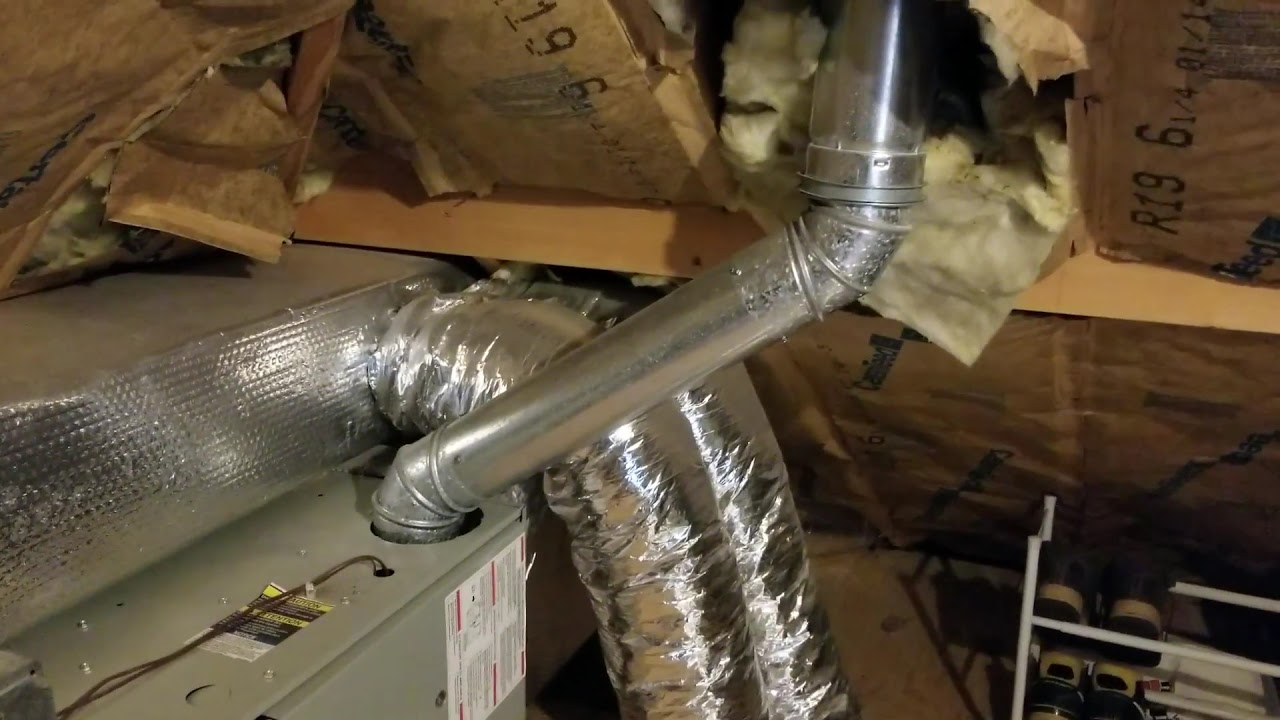
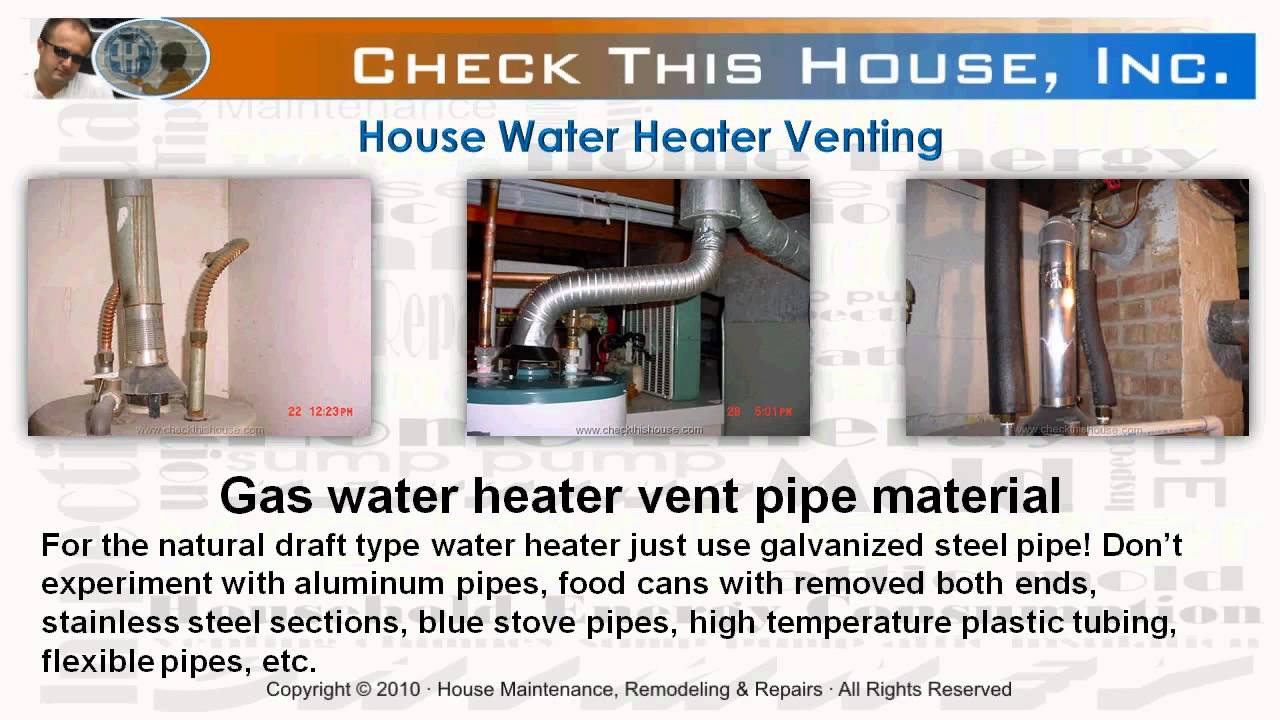
The flue pipe, also known as a vent pipe, is a critical component in gas-burning appliances like furnaces, water heaters, and some fireplaces. Its primary function is to safely exhaust harmful combustion byproducts, such as carbon monoxide, outside your home. Understanding how hot a flue pipe should get and recognizing signs of overheating is crucial for safety and preventing potential hazards like carbon monoxide poisoning or fires.
A properly functioning flue pipe will get hot, but not dangerously so. The temperature depends on several factors, including the appliance type, fuel being burned, and the efficiency of the appliance. Generally, you can expect a flue pipe to range from warm to hot to the touch during operation. The exterior temperature of a flue pipe should be warm to hot, but not hot enough to cause immediate and severe burns upon brief contact.
Troubleshooting a Furnace Not Producing Heat: A Step-by-Step Guide
Before diving into troubleshooting, always prioritize safety. Ensure proper ventilation, and if you suspect a gas leak, immediately evacuate the premises and contact your gas company from a safe location.
Step 1: Check the Thermostat
This might seem obvious, but it's the most common culprit! Make sure the thermostat is:
- Set to "Heat" mode.
- Set to a temperature higher than the current room temperature.
- The batteries are fresh (if applicable).
A simple fix like replacing batteries or adjusting the settings can often resolve the issue.
Step 2: Inspect the Power Supply
Your furnace needs electricity to operate. Check the following:
- Is the furnace switch (usually located on or near the furnace) turned ON?
- Check the circuit breaker in your electrical panel. If it's tripped, reset it. If it trips again immediately, do not keep resetting it – call a qualified electrician. A repeatedly tripping breaker indicates a serious electrical problem.
Step 3: Examine the Furnace Filter
A clogged furnace filter is a common cause of heating problems. It restricts airflow, causing the furnace to overheat and potentially shut down. * Locate the furnace filter (usually near the blower motor). * Remove the filter and inspect it. If it's visibly dirty, replace it with a new one of the same size and type. * Note: Regularly replacing your furnace filter (every 1-3 months) is a crucial maintenance task.
Step 4: Check the Pilot Light (For Older Furnaces)
If you have an older furnace with a pilot light (not a direct ignition system), check if the pilot light is lit. * Locate the pilot light assembly (refer to your furnace's manual). * If the pilot light is out, follow the manufacturer's instructions for relighting it. These instructions are usually printed on a label near the pilot light assembly. * Caution: If you smell a strong odor of gas, do not attempt to relight the pilot light. Evacuate and call your gas company.
Step 5: Inspect the Flame Sensor (For Modern Furnaces)
Modern furnaces use a flame sensor to detect the presence of a flame. If the sensor is dirty, it may not detect the flame, causing the furnace to shut down. * Locate the flame sensor (a small metal rod near the burner). * Turn off the furnace power at the breaker. * Remove the flame sensor (usually held in place by a screw). * Clean the flame sensor with a fine-grit sandpaper or steel wool. Be gentle! * Reinstall the flame sensor and turn the furnace power back on.
Step 6: Observing the Flue Pipe Temperature
Once the furnace is running (after addressing the previous steps), carefully monitor the flue pipe. * Observe the flue pipe's temperature. Use caution and avoid prolonged direct contact. * Look for signs of excessive heat, such as discoloration of the pipe or nearby materials. * Listen for unusual noises, like hissing or popping sounds, which could indicate a problem with combustion. * If the flue pipe is excessively hot to the touch (too hot to hold briefly), or if you observe any signs of damage or obstruction, immediately shut down the furnace and call a qualified HVAC technician. A flue pipe that is too hot can indicate a dangerous condition, such as a blocked flue or a malfunctioning burner.
Understanding Normal Flue Pipe Temperatures
Determining what constitutes a "normal" flue pipe temperature requires understanding the appliance type and fuel source.
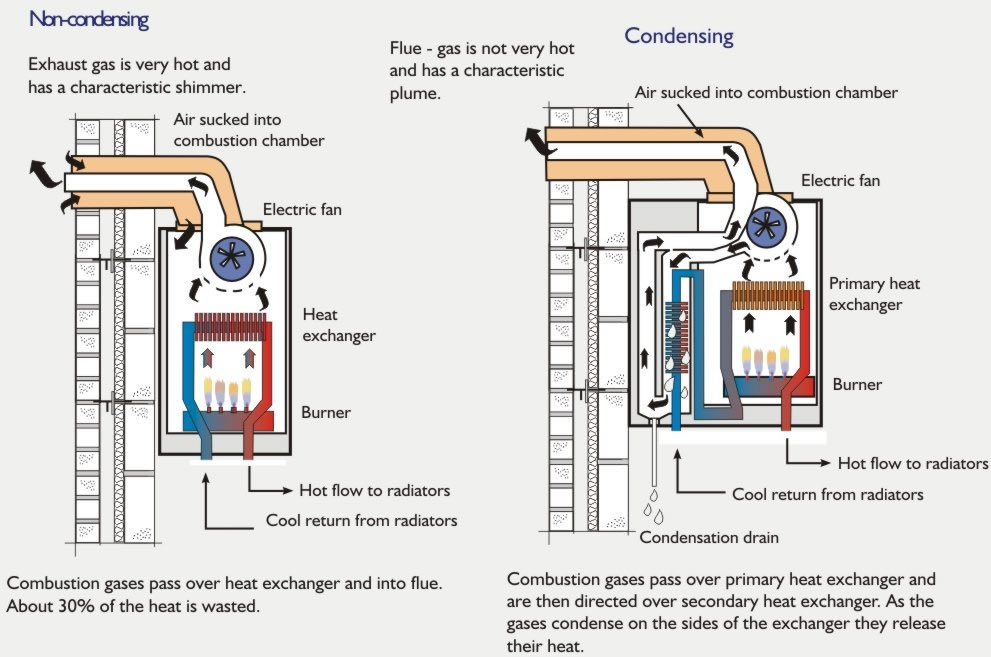
- Natural Gas Furnaces: Modern, high-efficiency furnaces (90% AFUE or higher) often have cooler flue pipes because they extract more heat from the combustion gases. These pipes may only feel warm to the touch. Older, less efficient furnaces will have significantly hotter flue pipes.
- Propane Furnaces: Propane furnaces generally produce slightly hotter flue gases than natural gas furnaces.
- Water Heaters: Flue pipe temperatures for water heaters will vary depending on the type and size of the unit. Expect the pipe to be warm to hot, but not excessively hot.
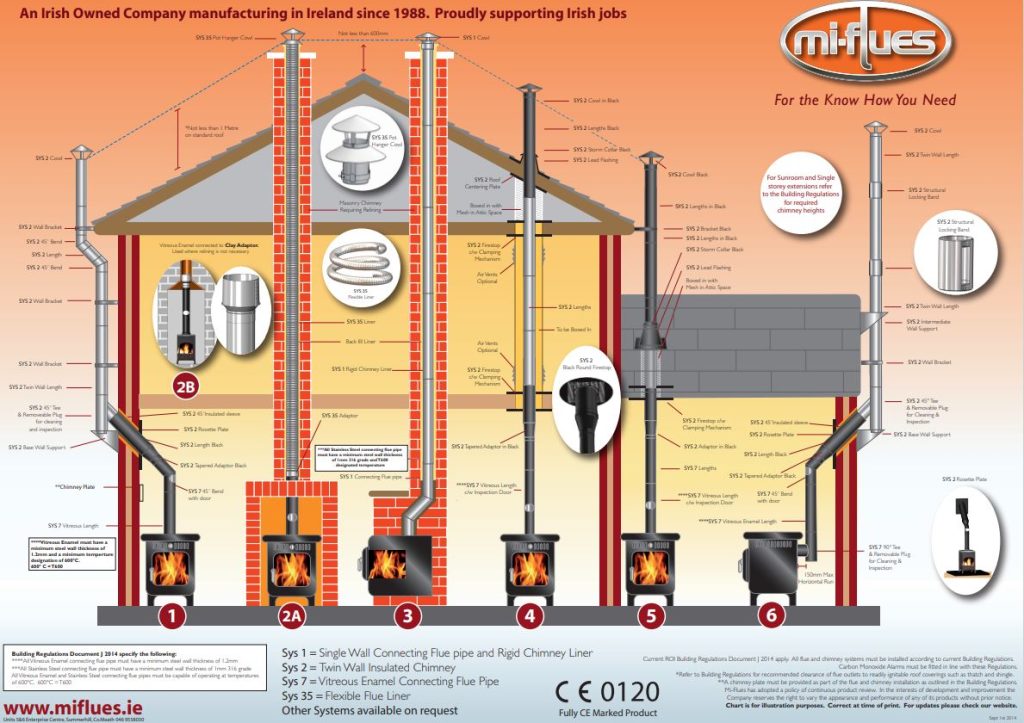
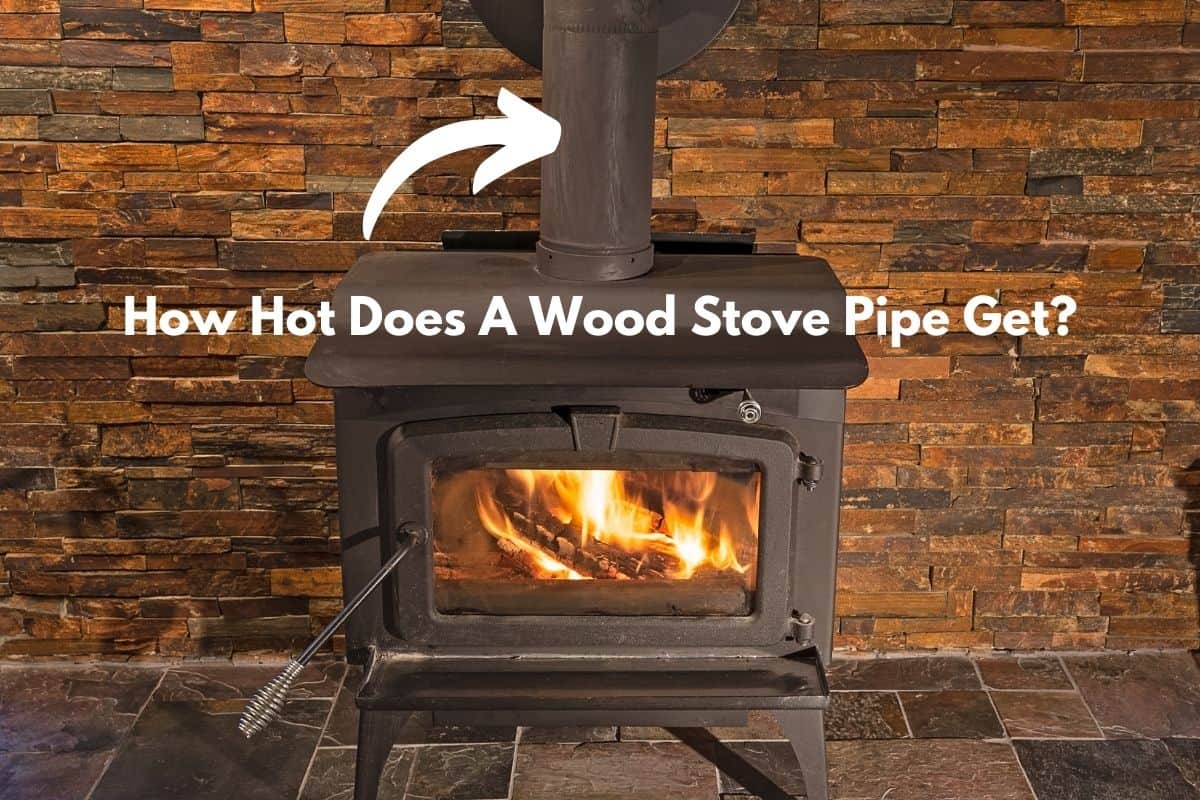
- Wood-Burning Stoves: Wood-burning stoves generate very high flue temperatures. These systems require special double-walled or triple-walled flue pipes to prevent fires.
Important Note: The manufacturer's specifications for your appliance may provide guidance on acceptable flue temperatures. Consult the appliance manual for detailed information.
When to Call a Professional
While some troubleshooting steps are safe and straightforward for homeowners, certain issues require the expertise of a qualified HVAC technician. Never attempt repairs beyond your skill level or comfort zone.
Call a professional immediately if:
- You suspect a gas leak.
- The circuit breaker repeatedly trips when you try to reset it.
- You are uncomfortable working with gas or electricity.
- You suspect a problem with the gas valve or burner assembly.
- The furnace is making loud or unusual noises.
- The flue pipe is excessively hot or damaged.
- You are unsure about any aspect of the troubleshooting process.
- You suspect a carbon monoxide problem.
- The furnace continues to malfunction after you have attempted the basic troubleshooting steps.
Carbon Monoxide Safety
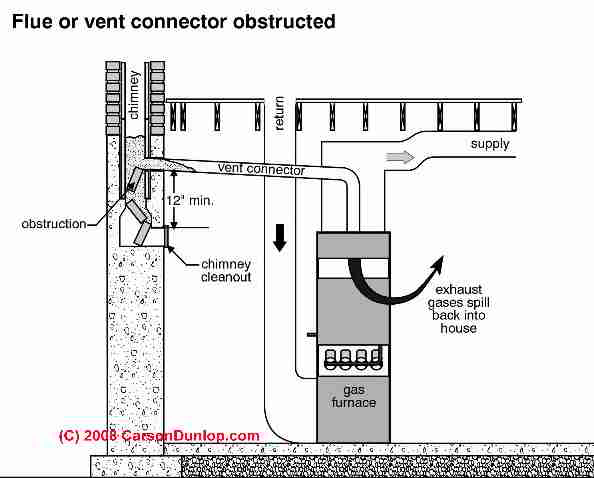
Carbon monoxide (CO) is a colorless, odorless, and deadly gas produced by incomplete combustion. A malfunctioning furnace or a blocked flue pipe can lead to carbon monoxide buildup in your home. * Install carbon monoxide detectors on every level of your home, especially near sleeping areas. * Test your CO detectors regularly to ensure they are functioning properly. * Know the symptoms of carbon monoxide poisoning, which include headache, dizziness, nausea, vomiting, and confusion. * If you suspect carbon monoxide poisoning, immediately evacuate the premises and call 911.
Preventative Maintenance
Regular maintenance can prevent many furnace problems and extend the life of your appliance. Consider these preventative measures:
- Schedule annual furnace inspections by a qualified HVAC technician.
- Replace your furnace filter regularly (every 1-3 months).
- Keep the area around your furnace clean and free of debris.
- Ensure proper ventilation around the furnace.
- Inspect the flue pipe annually for signs of damage or corrosion. Look for rust, cracks, or loose connections.
Simple DIY Fixes (With Caution)
Some simple DIY fixes can resolve common furnace problems, but always exercise caution and prioritize safety. These include:
- Replacing the furnace filter: This is a straightforward task that can significantly improve furnace performance.
- Cleaning the flame sensor: A dirty flame sensor is a common cause of furnace malfunction.
- Relighting the pilot light (if applicable): Follow the manufacturer's instructions carefully.
- Clearing obstructions from vents: Ensure that vents are not blocked by furniture or other objects.
Remember: If you are unsure about any aspect of the repair process, do not proceed. Call a qualified professional.
Conclusion
Troubleshooting a furnace problem can seem daunting, but by following a systematic approach and prioritizing safety, you can often identify and resolve the issue. Understanding the importance of the flue pipe and its temperature is crucial for ensuring the safe and efficient operation of your heating system. Remember to perform regular maintenance, monitor for signs of trouble, and when in doubt, always call a qualified HVAC technician. A properly functioning furnace not only keeps you warm but also ensures the safety of your home and family.