How Hot Does An Attic Get
Attics, those often-forgotten spaces nestled between our ceilings and roofs, can become surprisingly hot. Understanding just how hot an attic can get is crucial for homeowners, HVAC technicians, and property managers alike. Excessive heat in an attic can impact energy bills, shorten the lifespan of roofing materials, and even affect the comfort of the living spaces below. So, let’s delve into the factors that influence attic temperature and what you can do to manage it.
Factors Influencing Attic Temperature
Several factors contribute to the extreme temperatures often found in attics. These include:
- Sunlight: This is the most obvious culprit. Direct sunlight beating down on the roof transfers heat into the attic space. The color of your roof plays a significant role; darker roofs absorb more heat than lighter-colored ones.
- Insulation: The amount and type of insulation between the attic and the living space significantly impact heat transfer. Inadequate insulation allows heat to radiate downwards, increasing temperatures in the rooms below and simultaneously trapping heat in the attic.
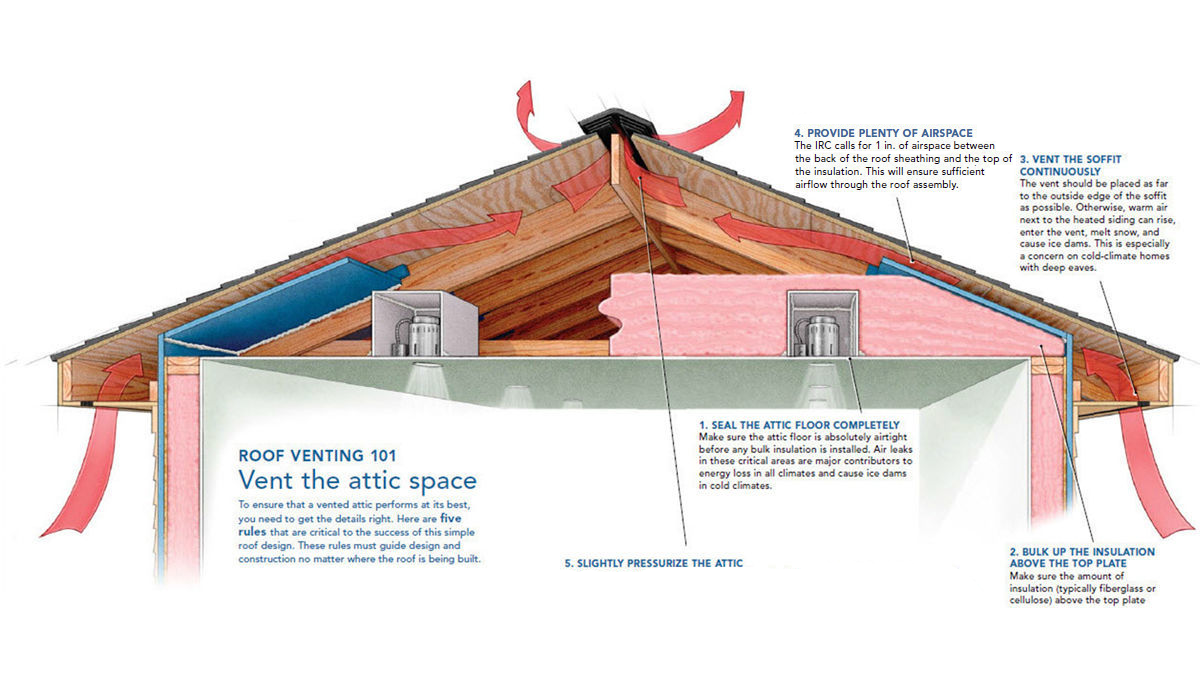
- Ventilation: Proper ventilation is essential for removing hot air from the attic. Without it, heat becomes trapped, leading to soaring temperatures. Ventilation typically involves a combination of soffit vents (intake) and ridge or gable vents (exhaust).
- Climate: Geographical location and prevailing weather conditions directly affect attic temperature. Hot, sunny climates will naturally result in hotter attics.
- Roofing Materials: Different roofing materials have varying levels of heat absorption and reflectivity. Asphalt shingles, for instance, tend to absorb more heat than metal roofing.
How Hot Does It Really Get? A Temperature Range
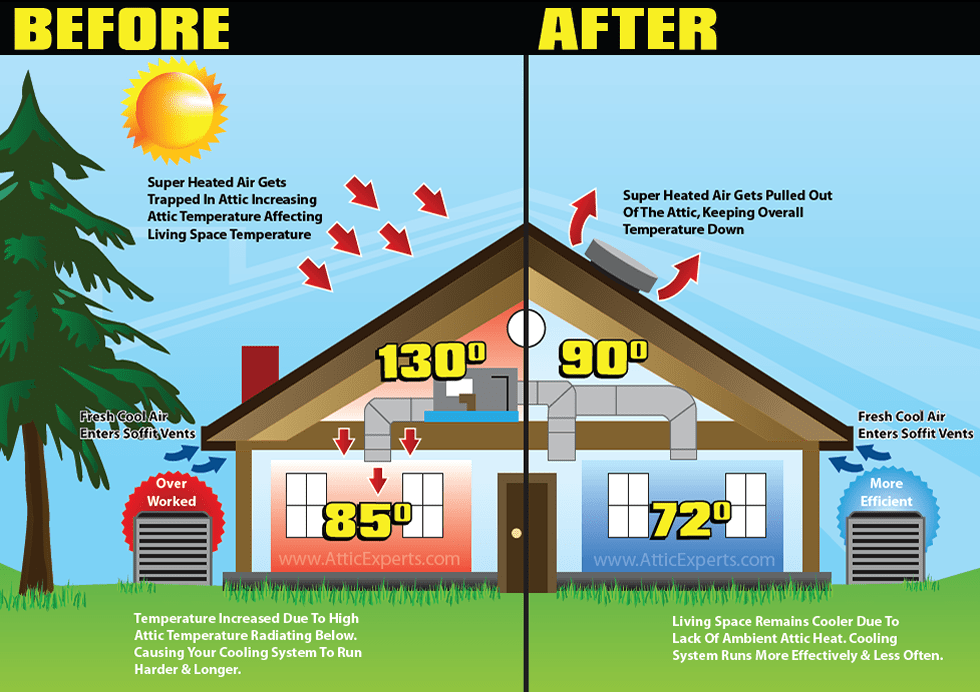
On a typical summer day, an attic can easily reach temperatures of 120°F (49°C) to 150°F (66°C) or even higher. In extreme cases, particularly with dark roofs and poor ventilation, temperatures can exceed 160°F (71°C). Even on milder days, attic temperatures can be significantly higher than the outdoor temperature, often by 20-30 degrees Fahrenheit.
To put this in perspective, consider this example: if the outdoor temperature is 90°F (32°C), your attic could be simmering at 120°F (49°C) or more. This extreme heat can have serious consequences.
The Impact of High Attic Temperatures
The extreme heat in attics can have several negative impacts:
- Increased Energy Bills: A hot attic makes your air conditioner work harder to cool your home, leading to higher energy consumption and increased utility bills. The heat radiating from the attic heats the ceiling, forcing your AC unit to fight against this constant influx of heat.
- Damage to Roofing Materials: Excessive heat can degrade roofing materials, such as asphalt shingles, causing them to crack, warp, or blister. This can shorten the lifespan of your roof and lead to leaks.
- Damage to Stored Items: If you store belongings in your attic, the high temperatures can damage them. Heat can melt plastics, warp wood, and ruin sensitive items.
- Reduced HVAC System Lifespan: An overworked air conditioner is more likely to break down prematurely. The constant strain from trying to cool a home with a superheated attic puts a significant burden on the system.
- Compromised Indoor Air Quality: High attic temperatures can contribute to the release of volatile organic compounds (VOCs) from building materials and stored items, potentially impacting indoor air quality.
Strategies for Cooling Down Your Attic
Fortunately, there are several effective strategies for reducing attic temperatures and mitigating their negative effects:
Improving Ventilation
Adequate ventilation is paramount. Here are some key aspects to consider:
- Soffit Vents: Ensure that soffit vents are clear and unobstructed. These vents allow cool air to enter the attic.
- Ridge Vents: Ridge vents, located along the peak of the roof, allow hot air to escape.
- Gable Vents: Gable vents, located on the sides of the attic, can also provide ventilation.
- Power Vents (Attic Fans): Powered attic fans can actively draw hot air out of the attic. These are typically thermostatically controlled and turn on when the attic reaches a certain temperature. Consider the noise level and energy consumption of these fans.
Boosting Insulation
Proper insulation is essential for preventing heat transfer between the attic and the living space. Aim for an R-value appropriate for your climate. (R-value measures thermal resistance. Higher R-value means better insulation). Common insulation materials include:
- Fiberglass Batt Insulation: Relatively inexpensive and easy to install.
- Cellulose Insulation: Made from recycled paper and treated for fire resistance.
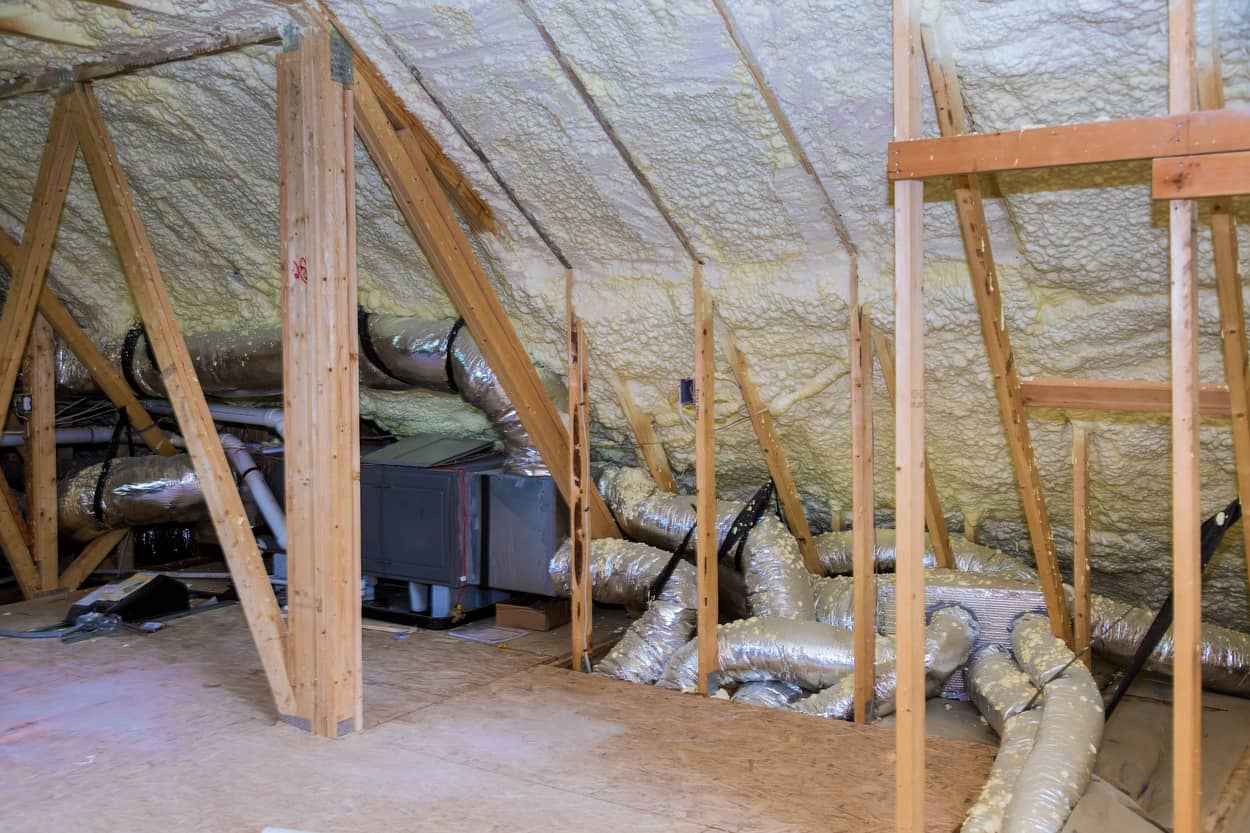
- Spray Foam Insulation: Provides excellent insulation and air sealing.
Radiant Barriers
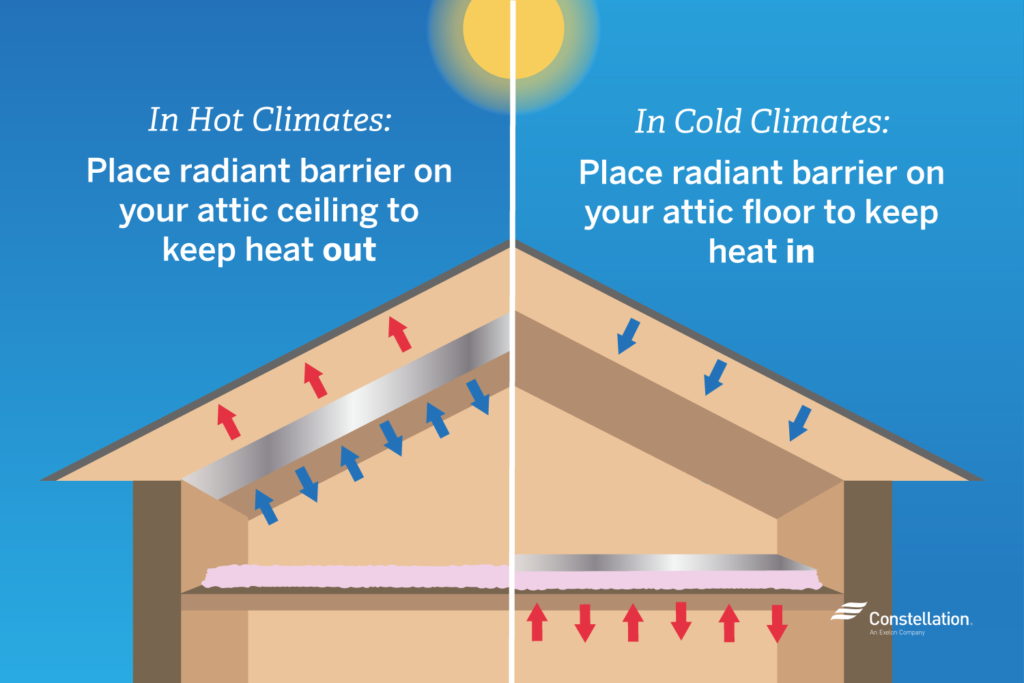
A radiant barrier is a reflective material (usually aluminum foil) installed in the attic to reflect radiant heat away from the living space. It can significantly reduce attic temperatures, especially in hot, sunny climates. Radiant barriers work best when facing an air space. They are most effective at reducing the downward flow of heat. Consider a professional install to ensure the barrier is installed correctly to minimize condensation issues.
Sealing Air Leaks
Seal any air leaks in the attic to prevent hot air from entering from outside and to prevent conditioned air from escaping from the living space. Common areas for air leaks include:
- Around pipes and wires: Use caulk or foam sealant to seal gaps around penetrations.
- Attic hatch: Ensure the attic hatch is properly insulated and sealed.
- Recessed lighting: Use IC-rated (insulation contact) recessed lighting fixtures and seal any gaps around them.
Choosing the Right Roofing Materials
Consider the heat reflectivity of your roofing materials. Lighter-colored roofs reflect more sunlight and absorb less heat than darker roofs. Metal roofing, for example, is highly reflective and can significantly reduce attic temperatures.
Monitoring Attic Temperature
Monitoring attic temperature can help you assess the effectiveness of your cooling strategies. Use a digital thermometer with a remote sensor to track temperatures over time. This can give you valuable insights into how your attic performs under different weather conditions.
The HVAC Technician's Role
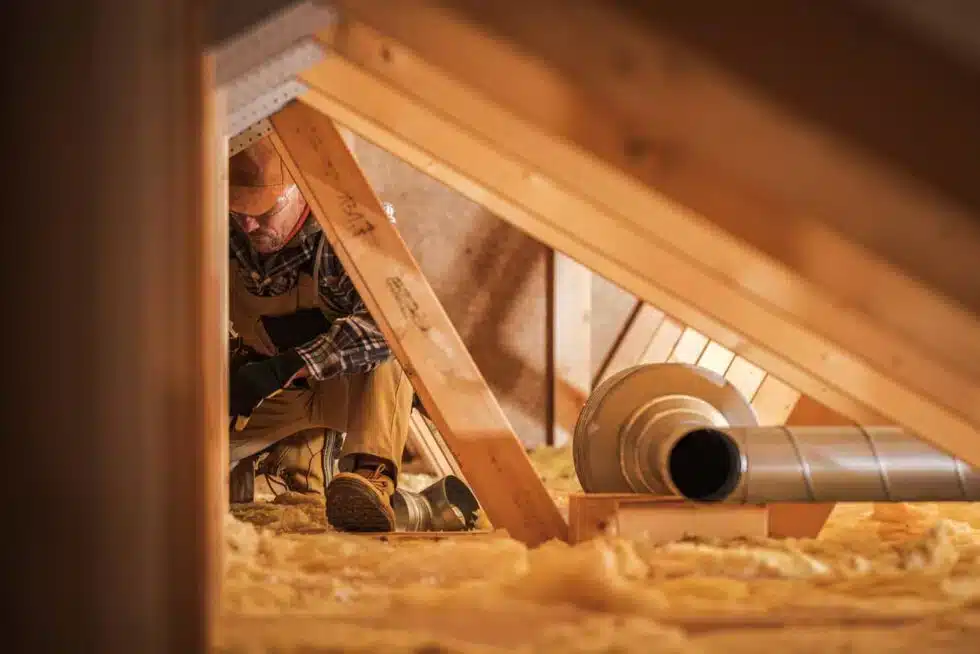
HVAC technicians play a vital role in assessing and addressing attic temperature issues. They can:
- Evaluate Ventilation: Assess the adequacy of attic ventilation and recommend improvements.
- Inspect Insulation: Check the R-value and condition of insulation and recommend upgrades.
- Identify Air Leaks: Use thermal imaging to identify air leaks and recommend sealing solutions.
- Install Attic Fans: Install and maintain attic fans.
- Advise on Roofing Materials: Provide guidance on choosing roofing materials that minimize heat absorption.
Regular HVAC maintenance should include an attic inspection to ensure optimal performance and energy efficiency.
Costs and ROI
The cost of implementing attic cooling strategies varies depending on the scope of the project. Improving ventilation might involve simply clearing obstructed vents, while installing a new attic fan or radiant barrier will be more expensive. Similarly, upgrading insulation can range from a DIY project to a professional installation.
However, the return on investment (ROI) can be significant. Reduced energy bills, extended roofing lifespan, and improved comfort can quickly offset the initial costs. For example, a properly installed radiant barrier can reduce cooling costs by 10-20%. Similarly, upgrading insulation can significantly lower heating and cooling bills.
Conclusion
Managing attic temperature is crucial for maintaining a comfortable, energy-efficient home and protecting your investment. By understanding the factors that influence attic temperature and implementing effective cooling strategies, you can significantly reduce the negative impacts of excessive heat and enjoy a cooler, more comfortable living environment. Whether you're a homeowner, HVAC technician, or property manager, taking proactive steps to manage attic temperatures is a worthwhile endeavor that will pay off in the long run. Remember to consult with qualified professionals to determine the best solutions for your specific needs and climate.