How Hot Does Natural Gas Burn

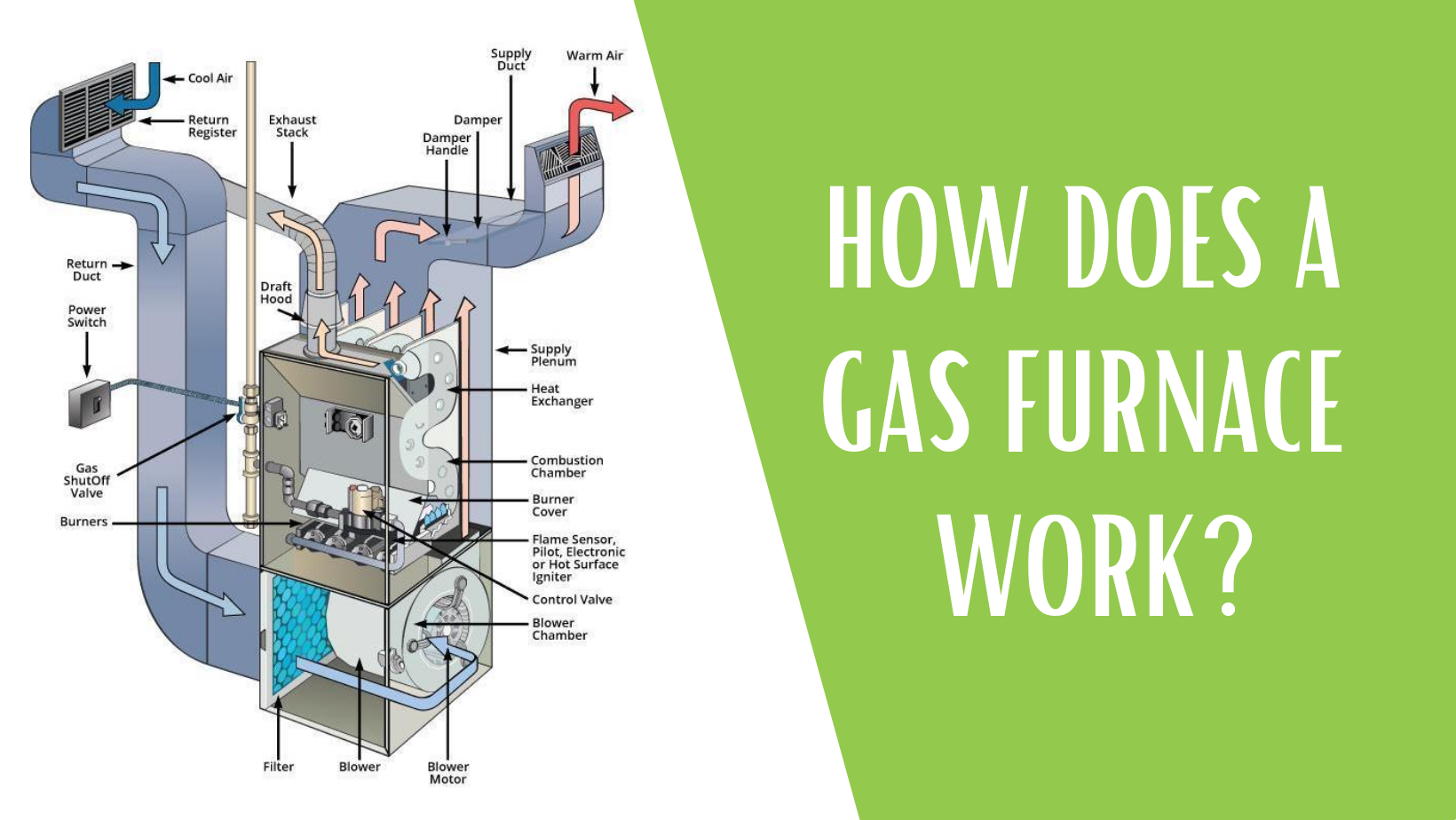
Natural gas is a cornerstone of modern heating and cooling systems, powering furnaces, boilers, and even some air conditioning units. Understanding the combustion characteristics of natural gas, specifically how hot it burns, is crucial for HVAC professionals. This knowledge impacts everything from system design and safety protocols to efficient troubleshooting and maintenance.
The Science Behind the Flame: Natural Gas Combustion Temperatures
The burning temperature of natural gas isn't a single, fixed value. It varies depending on several factors, most notably the purity of the gas and the air-to-fuel ratio in the combustion process. However, we can provide a general range.
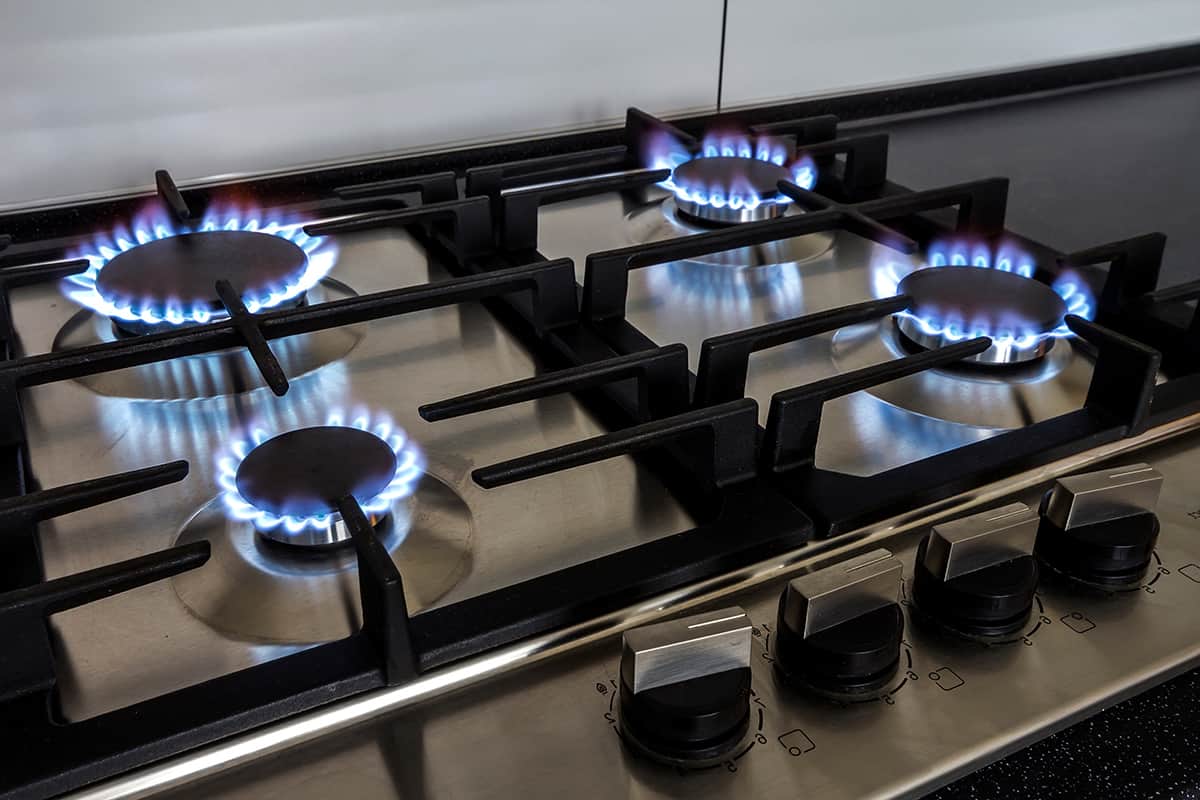
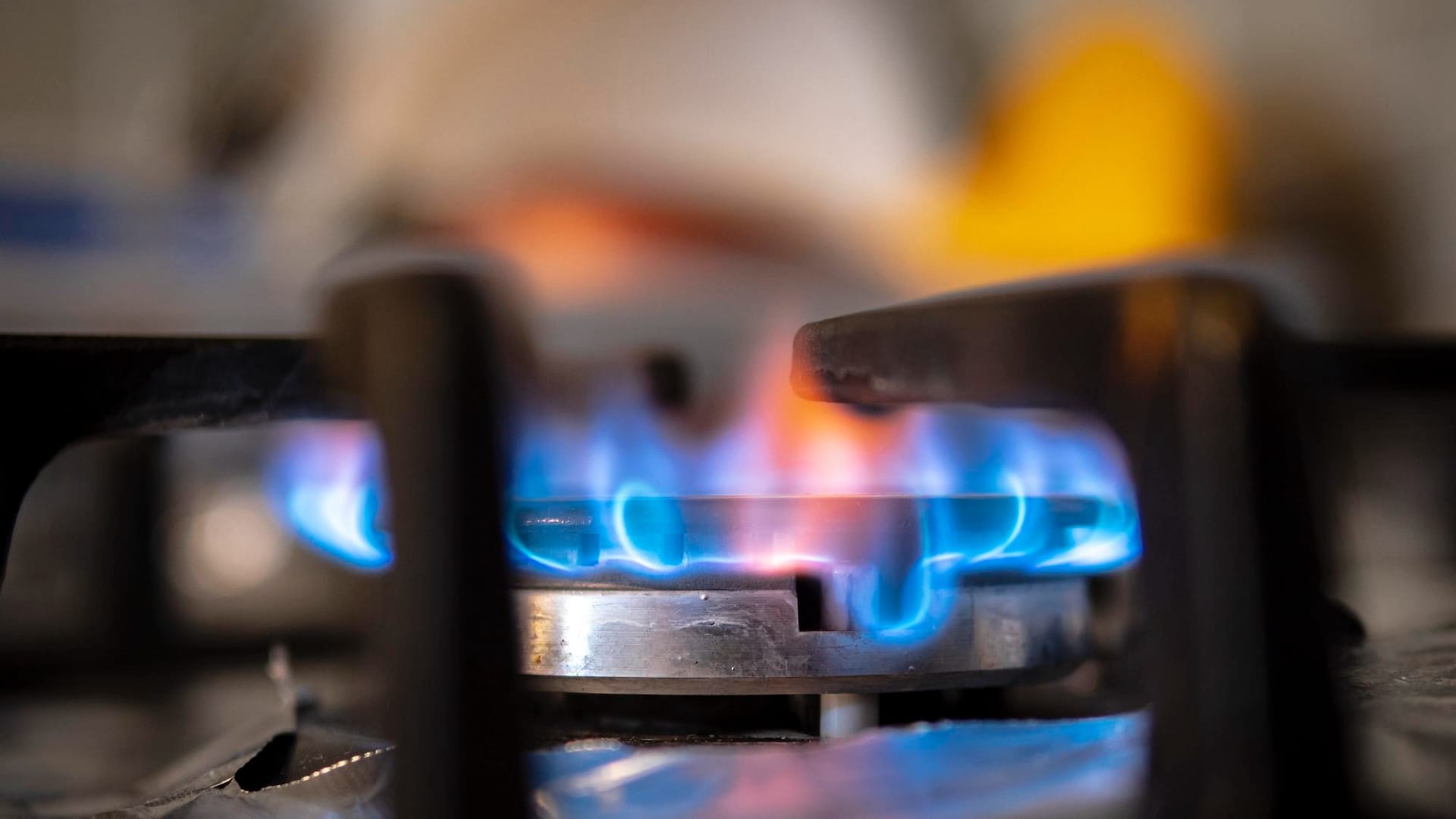
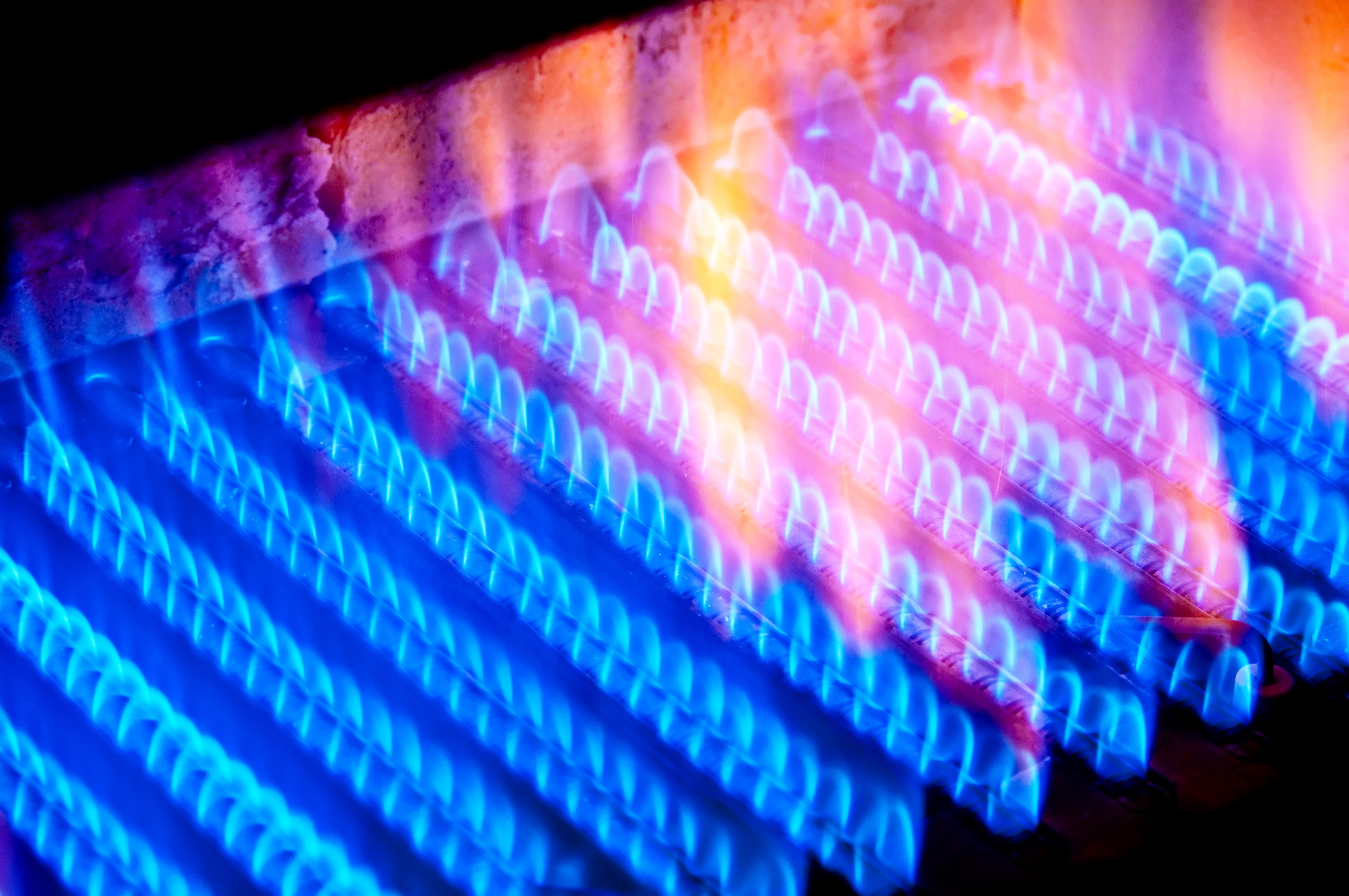
Typically, natural gas flames burn at temperatures between 1,950 and 2,050 degrees Fahrenheit (1,066 to 1,121 degrees Celsius). Under ideal conditions, with a perfect stoichiometric air-to-fuel ratio, the temperature can reach the higher end of this range. In real-world applications, however, variations are common due to inconsistencies in gas composition and burner adjustments.
It's important to distinguish between the theoretical flame temperature and the actual temperature experienced by components within an HVAC system. Factors like heat transfer and insulation influence the temperature that system parts are exposed to.
Understanding Stoichiometry and Flame Temperature
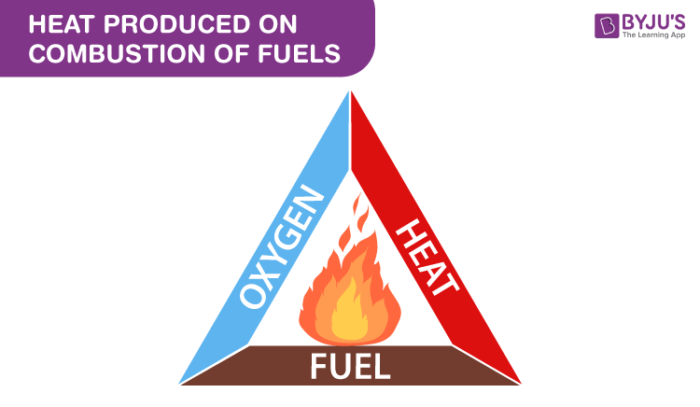
The term stoichiometry refers to the ideal ratio of air to fuel for complete combustion. For methane (CH4), the primary component of natural gas, the stoichiometric ratio is approximately 10:1 (air to fuel by volume). When this ratio is achieved, combustion is most efficient, and the flame temperature is maximized. Deviations from this ratio, such as having too much or too little air, will lower the flame temperature and reduce efficiency, potentially leading to incomplete combustion and the production of carbon monoxide (CO), a dangerous byproduct.
Why Combustion Temperature Matters for HVAC Professionals
The burning temperature of natural gas directly affects the efficiency, safety, and longevity of HVAC systems. Technicians need to understand these implications to properly install, maintain, and troubleshoot equipment.
- System Efficiency: A hotter, cleaner-burning flame indicates more complete combustion and greater energy efficiency. Proper burner adjustments and maintenance are crucial for achieving optimal flame temperature and minimizing energy waste.
- Safety: Incomplete combustion due to low flame temperature can lead to the production of carbon monoxide, a silent killer. HVAC technicians are responsible for ensuring safe operation by verifying proper air-to-fuel ratios, checking for leaks, and testing for CO emissions. Regular CO detector maintenance is also paramount.
- Component Lifespan: Excessive temperatures can damage heat exchangers, burners, and other system components. Understanding the temperature limits of various materials is essential for preventing premature failures and costly repairs.
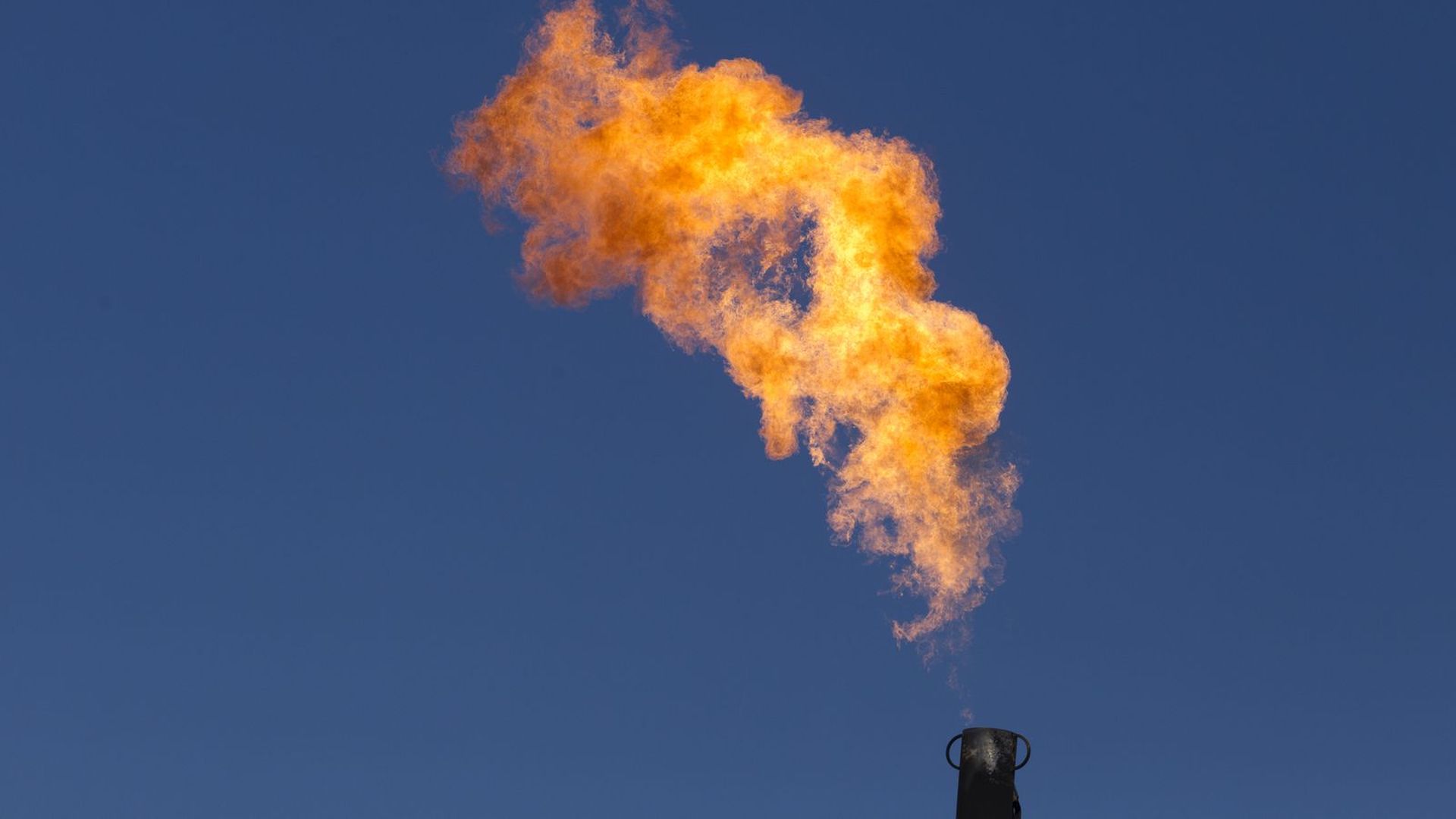
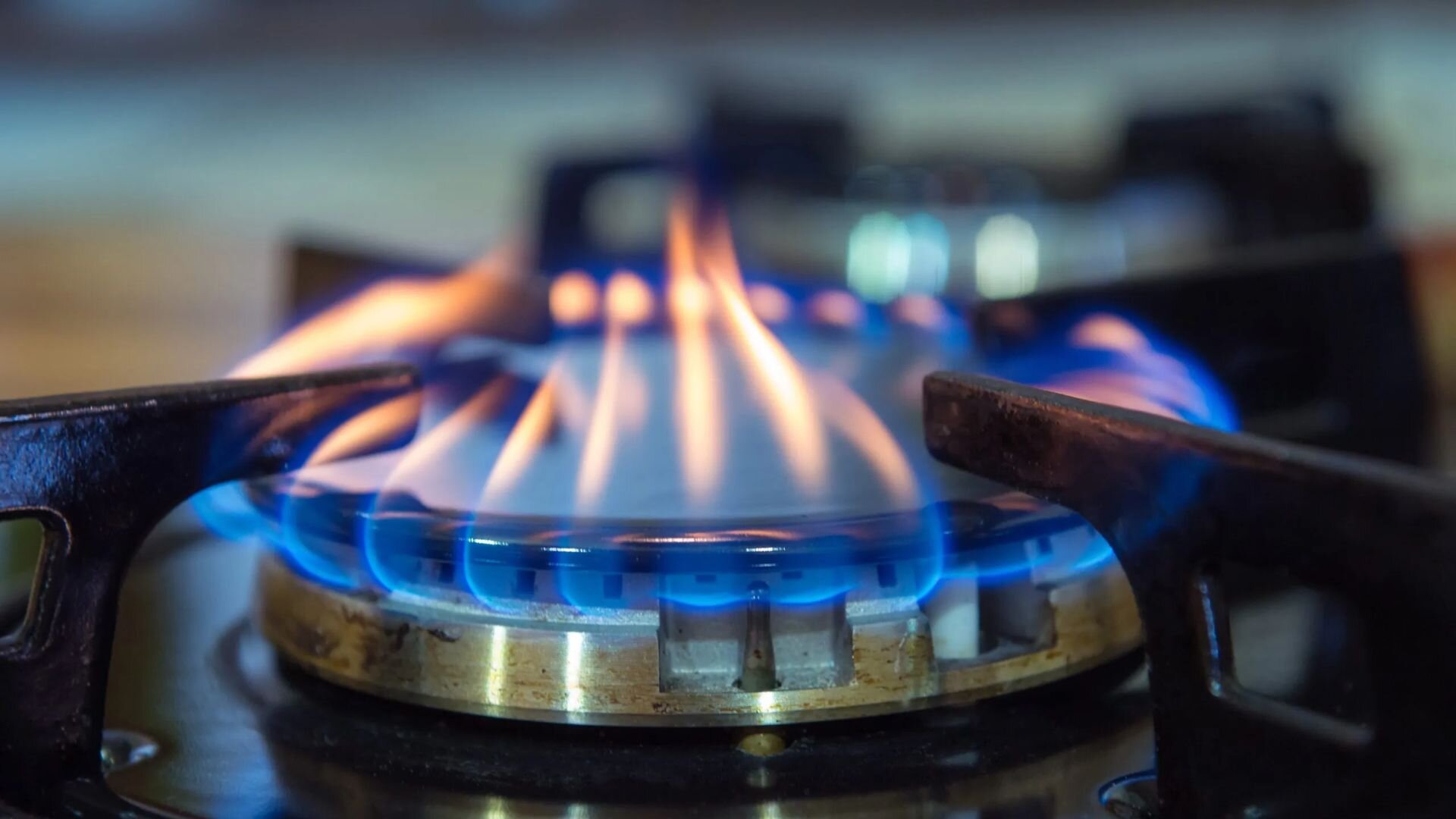
- Troubleshooting: Abnormal flame characteristics, such as a yellow or flickering flame, can indicate problems with the gas supply, burner assembly, or venting system. Technicians must be able to diagnose these issues and implement corrective actions.
Career Paths and Certifications in HVAC
A solid understanding of combustion principles is essential for success in various HVAC career paths. Here are a few examples:
- HVAC Technician: Installs, maintains, and repairs heating, ventilation, and air conditioning systems. Requires a strong understanding of gas combustion, electrical systems, and refrigeration cycles.
- HVAC Installer: Specializes in installing new HVAC systems, including gas furnaces and boilers. Must be knowledgeable about building codes, safety regulations, and proper venting techniques.
- HVAC Service Technician: Focuses on diagnosing and repairing malfunctioning HVAC systems. Requires excellent troubleshooting skills and a deep understanding of system operation.
- HVAC Design Engineer: Designs and develops HVAC systems for residential, commercial, and industrial buildings. Requires a strong background in thermodynamics, fluid mechanics, and heat transfer.
Essential Certifications for HVAC Professionals
Several certifications can enhance your career prospects and demonstrate your expertise to potential employers:
- EPA Section 608 Certification: Required for technicians who handle refrigerants. Covers safe handling and disposal practices to protect the ozone layer.
- NATE (North American Technician Excellence) Certification: Validates the knowledge and skills of HVAC technicians in specific areas, such as gas heating, air conditioning, and commercial refrigeration. NATE certification is highly regarded in the industry and can lead to higher earning potential.
- HVAC Excellence Certification: Another respected certification program that assesses the competency of HVAC technicians.
- State and Local Licenses: Many states and municipalities require HVAC technicians to be licensed. Requirements vary, but typically involve passing an exam and demonstrating relevant experience.
Job Outlook and Salary Expectations
The job outlook for HVAC technicians is excellent. The U.S. Bureau of Labor Statistics projects a growth rate of 6 percent from 2022 to 2032, which is about as fast as the average for all occupations. This growth is driven by the increasing demand for energy-efficient HVAC systems, the need to replace aging equipment, and the expansion of building construction.
According to the Bureau of Labor Statistics, the median annual wage for HVAC mechanics and installers was $51,390 in May 2022. The lowest 10 percent earned less than $33,810, and the highest 10 percent earned more than $81,620. Salary ranges can vary depending on experience, location, certifications, and employer.
Experienced technicians with advanced certifications, such as NATE certification, and specialized skills can command higher salaries. Opportunities also exist for advancement into supervisory or management roles.
The Future of Natural Gas in HVAC
While renewable energy sources are gaining traction, natural gas remains a significant fuel source for HVAC systems. Technological advancements are focused on improving the efficiency and reducing the emissions of natural gas-fired equipment.
High-efficiency furnaces, condensing boilers, and combined heat and power (CHP) systems are examples of technologies that maximize the energy potential of natural gas while minimizing environmental impact. Furthermore, research is underway to explore the use of renewable natural gas (RNG) and hydrogen blending to further reduce carbon emissions.
Staying Ahead of the Curve: Continuous Learning
The HVAC industry is constantly evolving, with new technologies and regulations emerging regularly. To stay competitive and provide the best possible service to clients, HVAC professionals must commit to continuous learning.
This can involve attending industry conferences, participating in online training programs, pursuing advanced certifications, and staying up-to-date on the latest codes and standards.
Resources for HVAC Professionals
Here are some valuable resources for HVAC students, technicians, and employers:
- ACCA (Air Conditioning Contractors of America): A leading trade association that provides training, certification, and advocacy for HVAC contractors.
- ASHRAE (American Society of Heating, Refrigerating and Air-Conditioning Engineers): A professional organization that develops standards and guidelines for HVAC design and operation.
- RSES (Refrigeration Service Engineers Society): A membership organization that offers training, certification, and networking opportunities for HVAC technicians.
- State and Local HVAC Associations: Many states and municipalities have their own HVAC associations that provide local resources and support.
By understanding the fundamental principles of natural gas combustion, pursuing relevant certifications, and staying abreast of industry trends, HVAC professionals can build successful and rewarding careers in this vital field.
Employers benefit from hiring well-trained and certified technicians who can ensure the safe and efficient operation of HVAC systems, reduce energy costs, and minimize environmental impact. Investing in employee training and development is essential for maintaining a competitive edge in the HVAC industry.
Ultimately, a thorough understanding of how hot natural gas burns, coupled with a commitment to excellence, is a winning formula for success in the dynamic and ever-evolving world of HVAC.