How Long Does It Take To Replace An Ac Compressor
Decoding AC Compressor Replacement: A Comprehensive Guide for HVAC Professionals and Beyond
The air conditioning (AC) compressor is the heart of any cooling system. When it fails, the need for replacement is urgent, impacting homeowners, businesses, and the HVAC professionals who are called upon to restore comfort. Understanding the time involved in replacing an AC compressor is crucial for managing customer expectations, optimizing work schedules, and accurately estimating job costs. This article delves into the factors influencing AC compressor replacement time, providing insights for students, seasoned technicians, and employers in the HVAC industry.
The Time Equation: Factors Influencing Replacement Duration
Replacing an AC compressor is not a one-size-fits-all task. The duration can vary significantly depending on several factors:
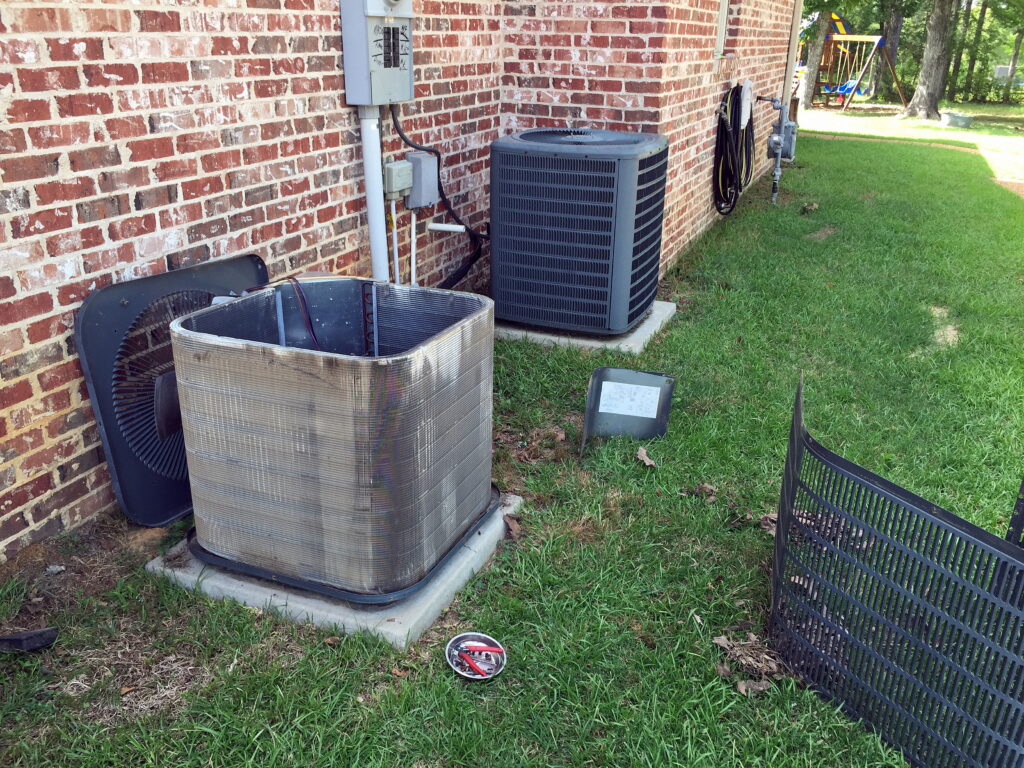
- Accessibility: How easily can the technician access the outdoor condenser unit and the compressor itself? A unit tucked away in a tight space or behind landscaping will naturally take longer to service.
- System Complexity: Is it a straightforward split system or a more complex multi-zone setup? The more complex the system, the longer the replacement process.
- Refrigerant Type: Dealing with older refrigerants like R-22 requires additional precautions and recovery procedures, adding to the overall time. Newer, more environmentally friendly refrigerants might streamline the process slightly, but proper handling is always paramount.
- Technician Skill Level: An experienced and certified technician can often complete the job more efficiently than someone less experienced. Familiarity with different compressor models and system configurations is a significant advantage.
- Parts Availability: Sourcing the correct replacement compressor can sometimes be a bottleneck. Specialty compressors or those for older systems may require more time to locate and obtain.
- Necessary Repairs Beyond the Compressor: Often, a failed compressor is a symptom of a larger problem. Burnt wiring, a failed capacitor, or a refrigerant leak must be addressed concurrently, extending the overall job time.
Estimating the Timeline: A Step-by-Step Breakdown
A typical AC compressor replacement involves several key steps, each contributing to the overall time:
- Diagnosis (30 minutes - 1 hour): Accurately diagnosing a failed compressor is the first step. This involves checking electrical components, pressures, and other system parameters to confirm the compressor is indeed the problem.
- Refrigerant Recovery (30 minutes - 1.5 hours): Legally and safely recovering the existing refrigerant is crucial. This process requires specialized equipment and adherence to EPA regulations. EPA Section 608 certification is mandatory for technicians handling refrigerants.
- System Evacuation (30 minutes - 1 hour): After refrigerant recovery, the system must be evacuated to remove any remaining air and moisture. This step ensures proper system operation and prevents damage to the new compressor.
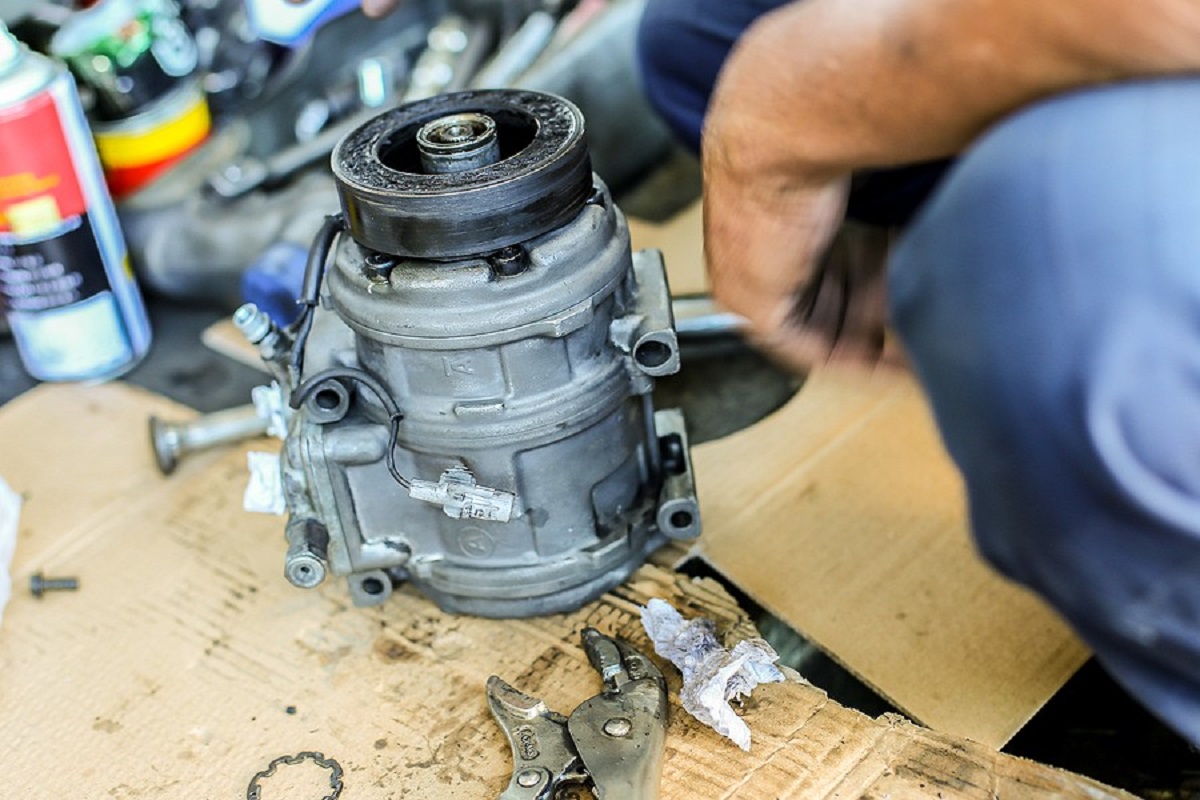
- Compressor Removal and Installation (1 - 2 hours): This involves disconnecting the electrical and refrigerant lines, removing the old compressor, and installing the new one. Proper brazing and leak testing are critical during this phase.
- System Recharge (30 minutes - 1 hour): Once the new compressor is installed and leak-tested, the system is recharged with the correct type and amount of refrigerant.
- Testing and Startup (30 minutes - 1 hour): Finally, the system is tested to ensure it's functioning correctly. This includes checking pressures, temperatures, and airflow to verify proper operation.
Based on these steps, a typical AC compressor replacement can take anywhere from 4 to 8 hours. However, complex situations can easily extend this timeframe.
Certifications and Professional Development: The Path to Efficiency
Investing in certifications and continuous professional development is essential for HVAC technicians aiming to improve their efficiency and expertise. Here are some key certifications:
- EPA Section 608 Certification: As mentioned earlier, this is legally required for handling refrigerants.
- NATE (North American Technician Excellence) Certification: NATE certification demonstrates a technician's knowledge and skills in specific HVAC areas. It's widely recognized and respected in the industry. Obtaining NATE certification often leads to higher earning potential and career advancement opportunities.
- HVAC Excellence Certification: Similar to NATE, HVAC Excellence offers various certifications to validate technicians' competence.
- Manufacturer-Specific Training: Many HVAC equipment manufacturers offer training programs on their specific products. These programs can be invaluable for troubleshooting and repairing specific systems.
Real-World Example: Consider a technician who starts as an apprentice, gains experience working on various HVAC systems, and then pursues NATE certification. This technician will likely be more efficient and accurate in diagnosing and repairing AC systems, leading to faster compressor replacements and higher customer satisfaction.
Job Outlook and Salary Expectations in HVAC
The HVAC industry is experiencing steady growth, driven by factors like climate change, increasing demand for energy-efficient systems, and a growing construction sector. The U.S. Bureau of Labor Statistics projects a 6% growth in employment for HVAC mechanics and installers from 2022 to 2032.
Salary ranges for HVAC technicians vary based on experience, location, and certifications. According to recent data, the median annual wage for HVAC mechanics and installers was around $51,390 in May 2022. However, experienced technicians with advanced certifications and specialized skills can earn significantly more, often exceeding $70,000 or even $80,000 per year. Top earners often have specialized skills like commercial refrigeration or building automation.
The Employer's Perspective: Hiring and Training for Efficiency
For HVAC employers, hiring skilled and efficient technicians is crucial for profitability and customer satisfaction. Here are some key considerations:
- Prioritize Certifications: Look for candidates with relevant certifications, such as EPA 608 and NATE.
- Invest in Training: Provide ongoing training opportunities for your technicians to keep them up-to-date on the latest technologies and best practices.
- Equip Technicians with the Right Tools: Providing technicians with modern, well-maintained tools can significantly improve their efficiency.
- Foster a Culture of Continuous Improvement: Encourage technicians to seek out new knowledge and skills and to share their expertise with colleagues.
By investing in skilled technicians and providing them with the resources they need, employers can ensure that AC compressor replacements are completed efficiently and effectively, leading to happier customers and a more profitable business.
Troubleshooting Delays and Common Challenges
Despite careful planning, unforeseen challenges can arise during AC compressor replacements. Some common delays include:
- Unexpected System Issues: Discovering additional problems, such as refrigerant leaks or electrical faults, can add time to the job.
- Difficult-to-Remove Components: Corroded or seized fittings can make component removal challenging.
- Weather Conditions: Extreme heat or rain can slow down the work process.
- Customer Communication: Clear communication with the customer about potential delays and additional costs is essential to maintaining a positive relationship.
Effective communication, thorough diagnostics, and a proactive approach to problem-solving are crucial for minimizing delays and ensuring a successful AC compressor replacement.
Conclusion: Mastering the Art of AC Compressor Replacement
Replacing an AC compressor requires a combination of technical expertise, problem-solving skills, and effective communication. By understanding the factors influencing the replacement timeline, investing in certifications and professional development, and prioritizing efficiency, HVAC technicians can excel in this critical aspect of the trade. For employers, hiring and training skilled technicians is essential for delivering exceptional service and maintaining a competitive edge in the HVAC industry. The future of HVAC relies on skilled individuals who can efficiently and effectively maintain and repair these essential systems, ensuring comfort and well-being for homes and businesses alike.