How Long For Pipe Dope To Dry
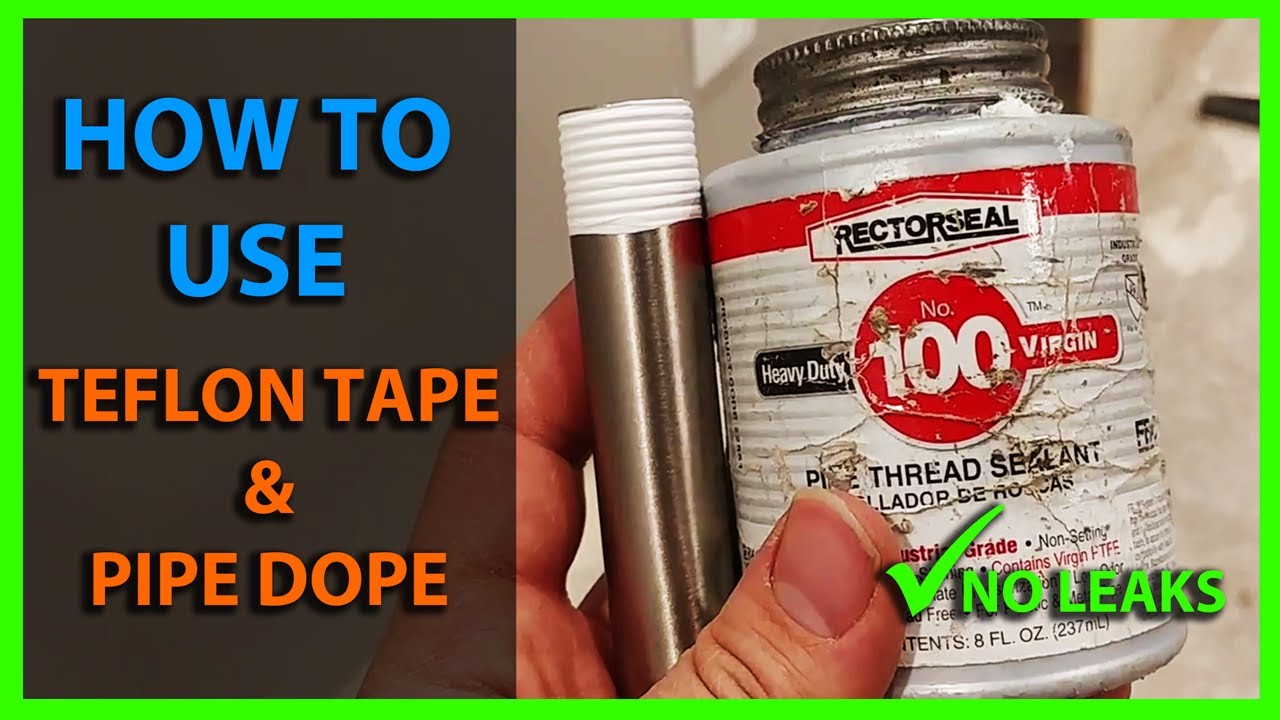
Ensuring a leak-proof seal in your plumbing or HVAC system is crucial, not only for efficient operation but also for preventing costly water damage and wasted energy. A key element in achieving this seal is using pipe joint compound, commonly known as pipe dope. But how long does pipe dope take to dry, and what factors influence its curing time? Understanding this is vital for homeowners, businesses, and HVAC professionals alike, especially when aiming for energy-efficient and sustainable solutions.
Understanding Pipe Dope Drying Time: A Crucial Factor in Energy Efficiency
The drying time for pipe dope isn't a one-size-fits-all answer. Several variables come into play, impacting how quickly the compound cures and creates a reliable seal. Generally, you can expect pipe dope to set enough for low-pressure testing within 30 minutes to an hour. However, a full cure can take anywhere from 24 to 72 hours, depending on the specific type of pipe dope used and the environmental conditions.
Factors Influencing Drying Time:
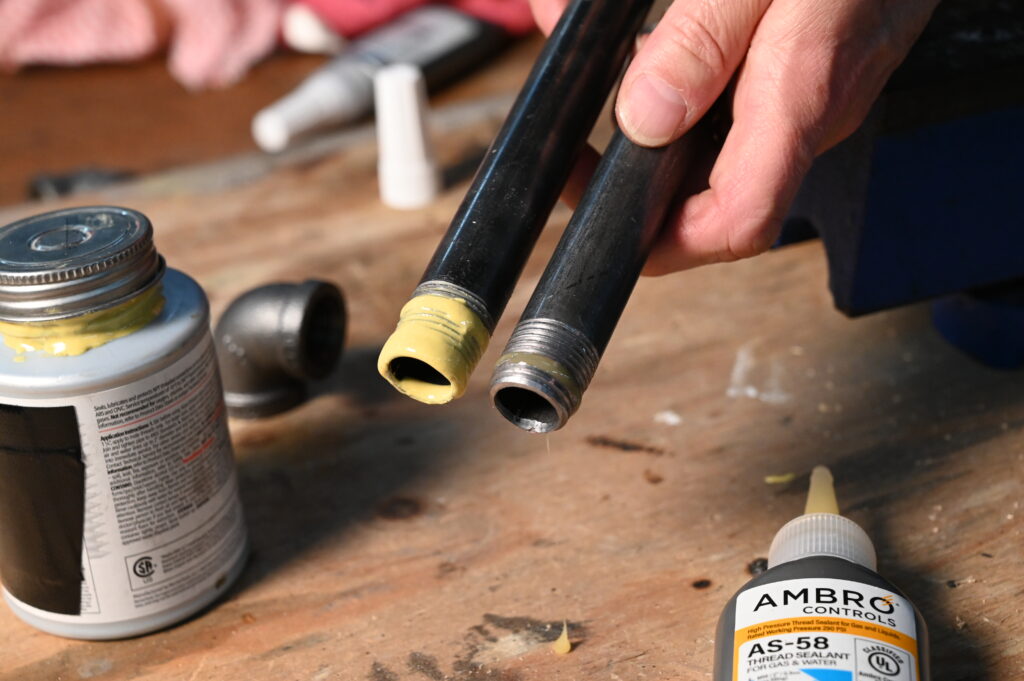
- Type of Pipe Dope: Different formulations, such as solvent-based, PTFE-based, or anaerobic compounds, have vastly different drying times. Solvent-based dopes tend to dry faster initially as the solvent evaporates, but might not offer the same long-term sealing capabilities as PTFE-based options. Anaerobic dopes, which cure in the absence of air, require specific fitting conditions to fully cure. Always refer to the manufacturer's specifications for the recommended drying time.
- Temperature: Higher temperatures generally accelerate the drying process. Pipe dope applied in a warm environment (around 70-80°F or 21-27°C) will cure faster than in a cold one. Conversely, working in temperatures below 40°F (4°C) may significantly delay or even prevent proper curing.
- Humidity: High humidity can hinder the evaporation of solvents in some pipe dopes, extending the drying time. Conversely, extremely low humidity can cause the compound to dry too quickly, potentially leading to cracks and a compromised seal.
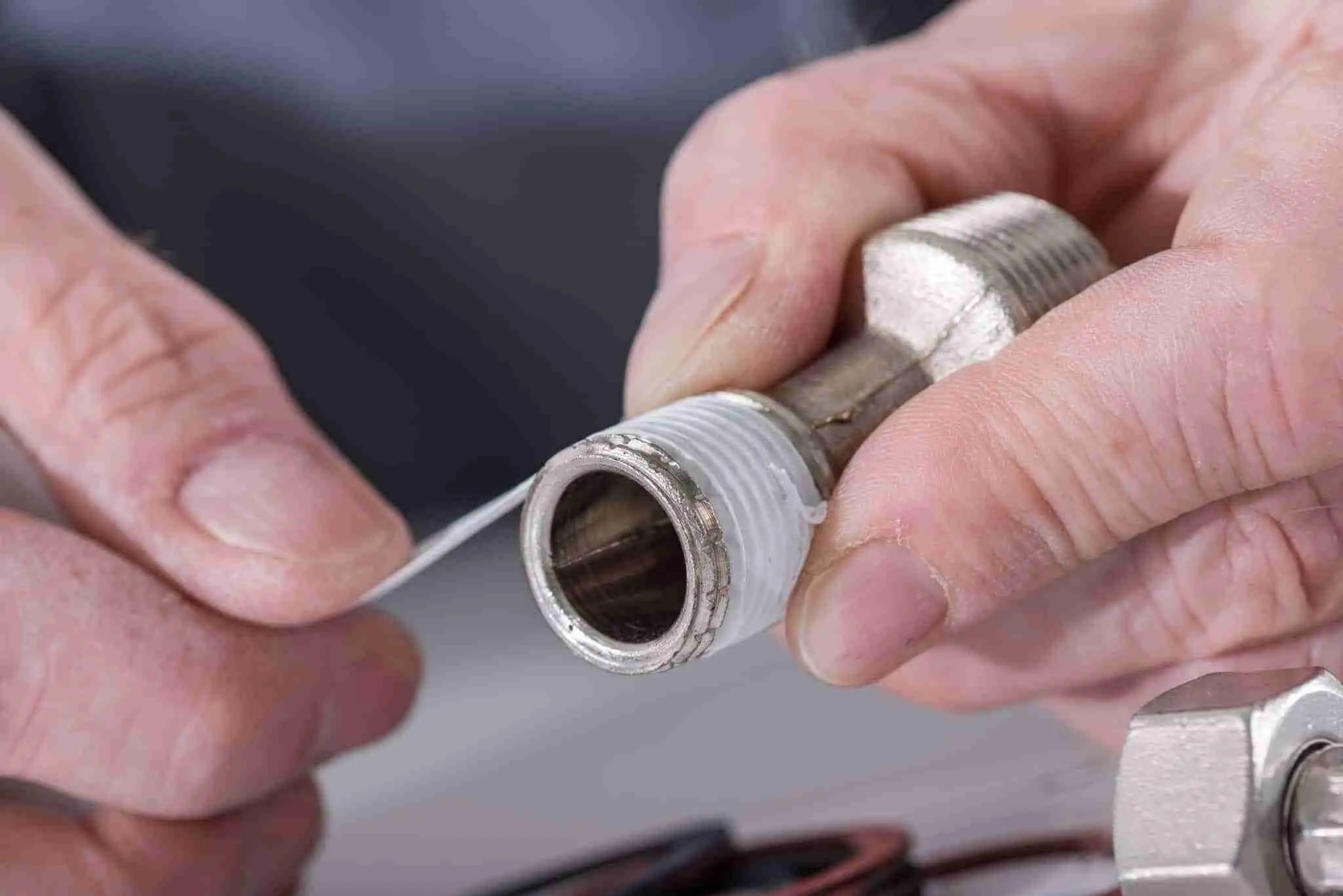
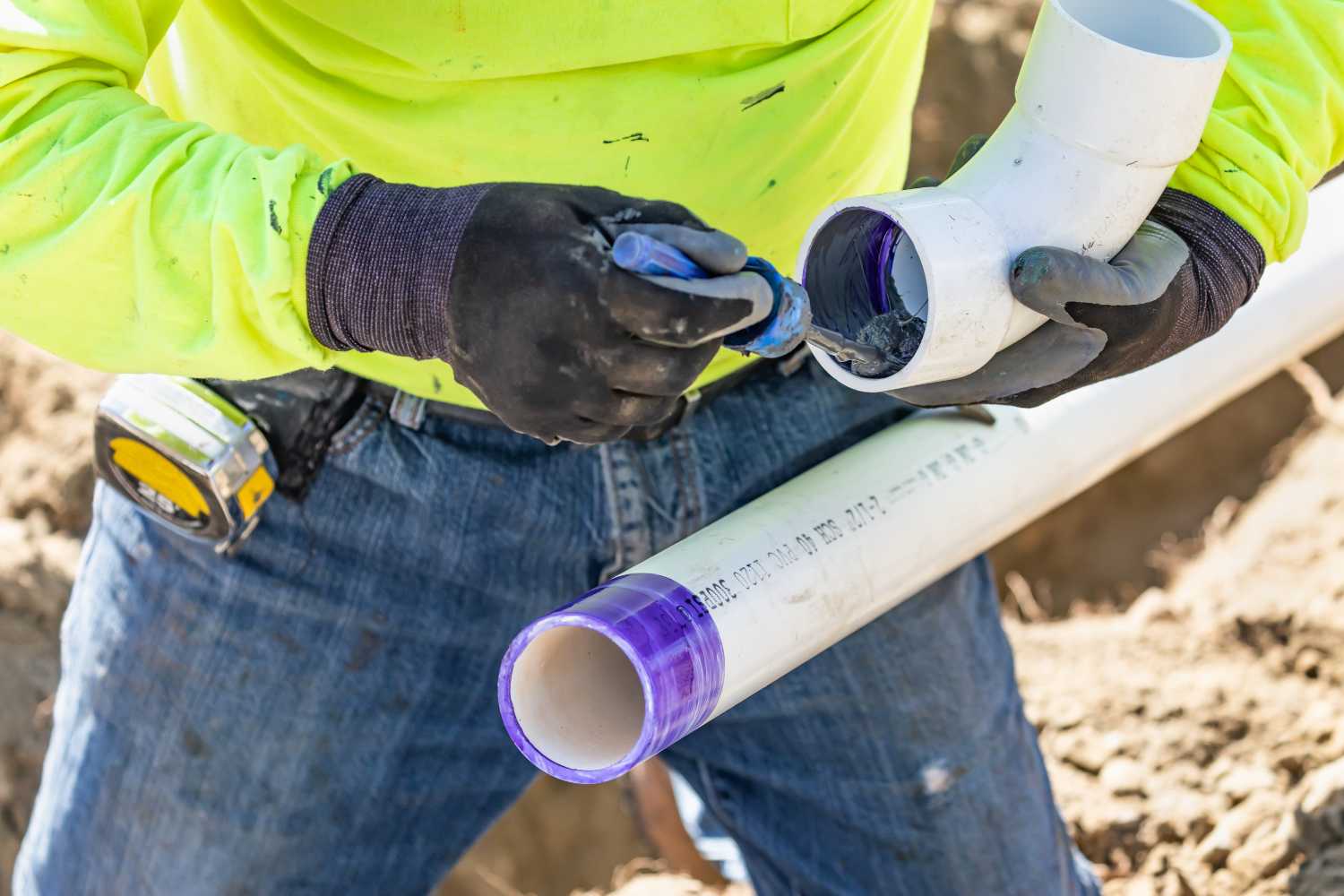
- Application Thickness: Applying too much pipe dope can actually increase the drying time and reduce the effectiveness of the seal. A thin, even coat is all that's needed to fill the microscopic imperfections in the threads. Excess compound can prevent proper thread engagement and create a weak point.
- Pipe Material: The material of the pipe itself can subtly influence drying time. For example, porous materials like galvanized steel might absorb some of the solvent in the dope, potentially slightly accelerating the surface drying.
- Ventilation: Adequate ventilation helps to remove evaporating solvents, speeding up the drying process, particularly for solvent-based dopes.
Why Proper Drying Matters for Energy Savings
A properly sealed plumbing or HVAC system is paramount for energy efficiency. Leaks, even small ones, can lead to significant energy losses over time. Consider these scenarios:
- Water Heater Leaks: A dripping hot water pipe can waste gallons of heated water per day, forcing your water heater to work harder and consume more energy. This wasted energy translates directly to higher utility bills. According to the Energy Star program, a leaky faucet can waste hundreds, even thousands of gallons of water a year. While this refers to faucets, the principle applies to any leak in your plumbing system, including those at pipe joints.
- HVAC System Leaks: Leaks in refrigerant lines in your air conditioning or heat pump system mean your unit is working harder to cool or heat your home. This increased workload reduces the unit's efficiency and shortens its lifespan. The Department of Energy estimates that refrigerant leaks can reduce system efficiency by as much as 20%. A properly sealed system, achieved with correctly applied and cured pipe dope, prevents these costly leaks.
By ensuring pipe dope is fully dried and cured, you're contributing to a more energy-efficient home or business, lowering your utility bills, and reducing your carbon footprint.
Selecting the Right Pipe Dope for Your Needs
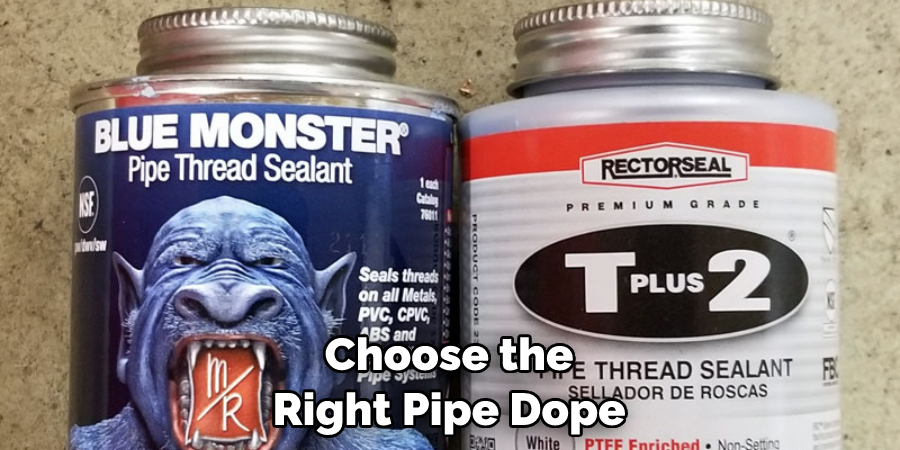
Choosing the appropriate pipe dope is just as important as allowing it to dry properly. Consider these factors when selecting a pipe joint compound:
- Compatibility: Ensure the pipe dope is compatible with the pipe material and the fluid or gas being conveyed. Some compounds are specifically designed for use with certain materials, such as copper, steel, or PVC.
- Temperature and Pressure Rating: Verify that the pipe dope is rated for the operating temperatures and pressures of your system. High-pressure systems require compounds with higher pressure ratings.
- Application: Consider the ease of application. Some pipe dopes are easier to apply smoothly and evenly than others.
- Regulations: Check for any local regulations or codes regarding the type of pipe dope allowed for specific applications.
- NSF Certification: If the pipe dope will be used in potable water systems, ensure it is NSF certified for safe use with drinking water.
Always consult the manufacturer's data sheet for detailed information on the product's properties, application instructions, and safety precautions.
Accelerating the Drying Process (Safely)
While patience is key, there are a few ways to carefully accelerate the drying process without compromising the integrity of the seal:
- Increase Ventilation: Improving airflow around the joint helps to evaporate solvents more quickly. Open windows or use a fan to circulate air.
- Maintain Optimal Temperature: Ensure the ambient temperature is within the manufacturer's recommended range. If necessary, use a space heater to gently warm the area, but avoid direct heat, which can cause the compound to dry unevenly.
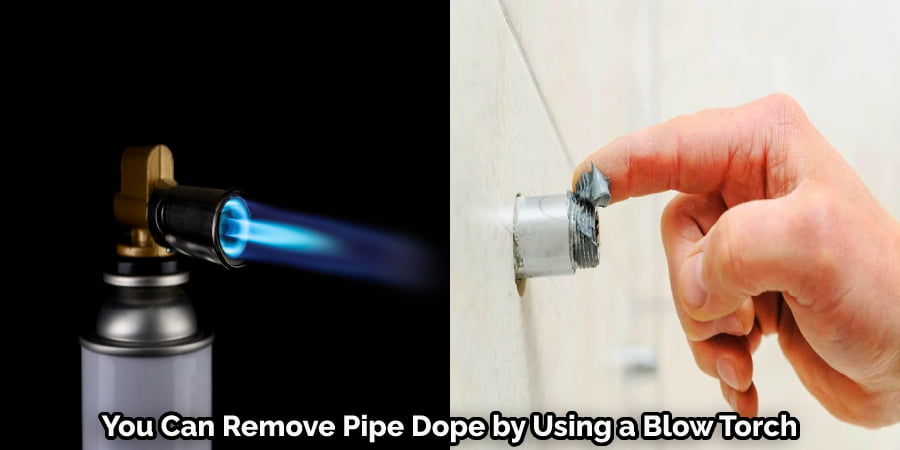
- Use a Heat Gun (With Extreme Caution): In some cases, a heat gun can be used to carefully warm the joint and accelerate drying. However, this should be done with extreme caution to avoid overheating the pipe dope, which can damage the seal or even cause a fire hazard. Keep the heat gun moving and maintain a safe distance from the joint. This method is best left to experienced professionals.
Important Note: Never use excessive heat or force to try and speed up the drying process. This can weaken the seal and lead to leaks. Always prioritize safety and follow the manufacturer's instructions.
Integrating Smart Technology for Leak Detection and Prevention
Smart home technology can play a significant role in preventing leaks and ensuring your plumbing and HVAC systems are operating efficiently. Smart leak detectors, strategically placed near vulnerable pipe joints, can provide early warnings of potential leaks, allowing you to address the issue before it escalates into a major problem. These devices often connect to your smartphone or smart home hub, sending alerts when they detect moisture. Additionally, some smart thermostats integrate with flow sensors that monitor water usage, identifying anomalies that could indicate a leak. Investing in these technologies can provide peace of mind and help you proactively manage your energy consumption and prevent costly repairs.
Rebates and Incentives for Energy-Efficient Upgrades
Many utility companies and government agencies offer rebates and incentives for energy-efficient upgrades to your home or business, including HVAC system improvements. Installing a high-efficiency furnace, air conditioner, or heat pump can qualify you for substantial savings. These programs often require professional installation and may have specific requirements for the equipment used. Be sure to research available rebates and incentives in your area before starting your project. Websites like Energy Star and your local utility provider's website are excellent resources for finding information on available programs.
Working with HVAC Professionals
While some plumbing and HVAC tasks can be handled by homeowners, complex projects or those involving refrigerant lines should always be entrusted to licensed and experienced HVAC professionals. They have the expertise to properly select and apply pipe dope, ensure proper sealing, and diagnose and repair any leaks that may occur. Furthermore, they can advise you on the best energy-efficient solutions for your home or business and help you take advantage of available rebates and incentives. A reputable HVAC contractor will stand behind their work and provide a warranty on their services.
In conclusion, understanding the drying time of pipe dope and taking the necessary steps to ensure a proper seal is critical for maintaining an energy-efficient and leak-free plumbing and HVAC system. By choosing the right pipe dope, applying it correctly, and allowing it to fully cure, you can prevent costly leaks, lower your utility bills, and contribute to a more sustainable future.