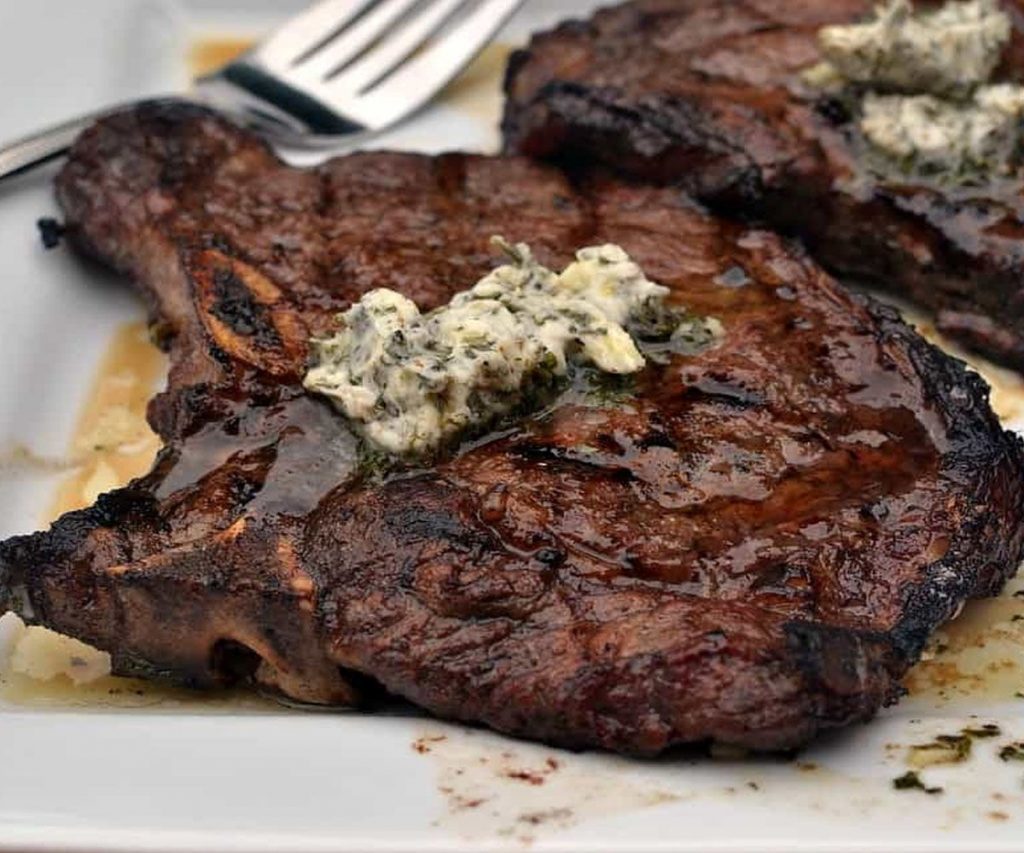
How Long To Cook A T Bone Steak On Grill

HVAC systems are the unsung heroes of modern comfort, diligently working to maintain optimal indoor environments year-round. Whether you're a homeowner seeking to upgrade your residential setup, an HVAC technician expanding your knowledge, or a property manager overseeing a large commercial complex, understanding the nuances of heating, ventilation, and air conditioning is crucial. This article delves into the key aspects of HVAC systems, comparing various technologies, exploring efficiency metrics, and examining their operational lifespan. We'll cover everything from basic principles to advanced control strategies, aiming to provide a comprehensive overview for a diverse audience.
Understanding the Fundamentals of HVAC Systems
At its core, an HVAC system is designed to regulate temperature, humidity, and air quality within a building. This involves a complex interplay of components working in concert. Let's break down the primary functions:
- Heating: Raising the temperature of the indoor environment, typically achieved through furnaces, heat pumps, or boilers.
- Ventilation: Introducing fresh air from the outside and expelling stale air, controlling the concentration of pollutants and maintaining air quality. This can range from simple window fans to sophisticated energy recovery ventilation (ERV) systems.
- Air Conditioning: Removing heat and moisture from the indoor air, providing cooling and dehumidification. Common methods include vapor-compression refrigeration cycles, evaporative cooling, and absorption chillers.
These three core functions are integrated into various system configurations, each designed to address specific building requirements and environmental conditions.
Types of HVAC Systems: A Comparative Overview
Choosing the right HVAC system is critical for ensuring optimal performance and energy efficiency. Here's a look at some common system types and their key characteristics:
Central Air Conditioning and Heating
This is the most prevalent type in residential buildings, employing a network of ducts to distribute conditioned air throughout the structure. A central air conditioner cools the air, while a furnace or heat pump provides heating. Central systems are relatively affordable to install in new construction but can be more challenging and costly to retrofit into older homes lacking ductwork. Consider the upfront cost of installation against the long-term energy savings and increased home value.
Heat Pumps
Heat pumps are gaining popularity due to their energy efficiency and versatility. They function by transferring heat, rather than generating it. In heating mode, a heat pump extracts heat from the outside air (even in cold temperatures) and transfers it indoors. In cooling mode, the process is reversed. There are two primary types of heat pumps:
- Air-Source Heat Pumps: These are the most common type, using the outside air as a heat source or sink. Their efficiency decreases as outdoor temperatures drop.
- Geothermal Heat Pumps (Ground-Source Heat Pumps): These systems utilize the stable temperature of the earth as a heat source or sink, providing superior efficiency and performance, especially in extreme climates. However, the initial installation cost is significantly higher due to the need for underground piping.
Ductless Mini-Split Systems
Ductless mini-split systems offer a flexible and energy-efficient solution for heating and cooling individual rooms or zones. They consist of an outdoor unit and one or more indoor units, connected by refrigerant lines. Ductless systems are ideal for retrofits, additions, or spaces where ductwork is impractical. They offer individual temperature control for each zone, leading to potential energy savings by only conditioning occupied areas.
Packaged HVAC Systems
These systems combine all the heating and cooling components into a single outdoor unit. They are often used in commercial buildings or homes without sufficient indoor space for separate units. Packaged systems are relatively easy to install but can be less energy-efficient than split systems.
Boilers and Radiators
While less common in new construction, boilers provide heat by circulating hot water or steam through radiators or baseboard heaters. They offer a comfortable and even heating experience but lack cooling capabilities. Boilers are often found in older homes and buildings, particularly in colder climates.
Energy Efficiency Ratings: Understanding SEER, EER, and HSPF
When evaluating HVAC systems, it's crucial to understand the various energy efficiency ratings. These ratings provide a standardized measure of how efficiently a system converts energy into heating or cooling.
- SEER (Seasonal Energy Efficiency Ratio): Measures the cooling efficiency of air conditioners and heat pumps. A higher SEER rating indicates greater energy efficiency. The minimum SEER rating currently mandated in the United States is 14 in most regions.
- EER (Energy Efficiency Ratio): Measures the cooling efficiency of an air conditioner at a specific operating point (e.g., peak load). It's a snapshot of efficiency under specific conditions.
- HSPF (Heating Seasonal Performance Factor): Measures the heating efficiency of heat pumps. A higher HSPF rating indicates greater energy efficiency during the heating season.
- AFUE (Annual Fuel Utilization Efficiency): Measures the heating efficiency of furnaces and boilers. It represents the percentage of fuel that is converted into usable heat. A higher AFUE rating indicates greater fuel efficiency.
Pay close attention to these ratings when comparing HVAC systems. Investing in a high-efficiency system can result in significant long-term energy savings and lower utility bills.
Maintenance and Lifespan: Ensuring Longevity and Performance
Regular maintenance is essential for extending the lifespan of your HVAC system and ensuring optimal performance. Neglecting maintenance can lead to reduced efficiency, increased energy consumption, and costly repairs. Here are some key maintenance tasks:
- Filter Replacement: Regularly replace air filters (typically every 1-3 months) to maintain airflow and prevent dust and debris from accumulating in the system.
- Coil Cleaning: Clean the evaporator and condenser coils to remove dirt and debris that can impede heat transfer.
- Duct Cleaning: Periodically clean air ducts to remove dust, allergens, and other contaminants.
- Professional Inspection: Schedule annual inspections and tune-ups by a qualified HVAC technician.
The typical lifespan of an HVAC system varies depending on the type of system, the quality of installation, and the level of maintenance. Generally, furnaces and air conditioners can last 15-20 years with proper care. Heat pumps may have a slightly shorter lifespan, around 10-15 years. Boilers can last for 20 years or more.
Cost Considerations: Initial Investment vs. Long-Term Savings
The cost of an HVAC system includes the initial purchase price, installation costs, and ongoing operating expenses (energy consumption and maintenance). While a high-efficiency system may have a higher upfront cost, it can result in significant long-term savings on energy bills. Consider the following factors when evaluating costs:
- System Size: Selecting the right size system for your building is crucial. An undersized system will struggle to maintain desired temperatures, while an oversized system will cycle on and off frequently, leading to reduced efficiency and increased wear and tear.
- Energy Efficiency: Factor in the SEER, EER, HSPF, and AFUE ratings to estimate long-term energy savings.
- Installation Costs: Obtain quotes from multiple contractors to ensure competitive pricing.
- Maintenance Costs: Budget for annual maintenance and potential repairs.
- Rebates and Incentives: Check for available rebates and tax credits for installing energy-efficient HVAC systems. Many utility companies and government agencies offer incentives to encourage energy conservation.
Advanced HVAC Technologies: Smart Controls and Zoning
Advancements in HVAC technology are constantly evolving, offering enhanced control, efficiency, and comfort. Some notable technologies include:
- Smart Thermostats: These thermostats learn your heating and cooling preferences and automatically adjust temperatures to optimize energy savings. They can be controlled remotely via smartphone apps and integrate with other smart home devices.
- Zoning Systems: Zoning systems allow you to divide your building into different zones, each with its own temperature control. This enables you to heat or cool only occupied areas, reducing energy consumption.
- Variable Speed Systems: Variable speed air conditioners and heat pumps can adjust their cooling or heating output based on demand, providing more consistent temperatures and improved energy efficiency compared to traditional single-speed systems.
- Energy Recovery Ventilation (ERV): ERV systems transfer heat and moisture between incoming and outgoing air streams, reducing energy losses and improving indoor air quality.
HVAC for Property Managers: Maintaining Large Buildings
Property managers face unique challenges in maintaining HVAC systems for large buildings. They need to ensure reliable and efficient operation while minimizing energy consumption and maintenance costs. Key considerations for property managers include:
- Preventative Maintenance Programs: Implement comprehensive preventative maintenance programs to identify and address potential problems before they escalate.
- Building Automation Systems (BAS): Utilize BAS to monitor and control HVAC systems throughout the building, optimizing energy performance and providing real-time data.
- Centralized Control: Implement centralized control systems to manage HVAC equipment from a single location, streamlining operations and improving responsiveness.
- Energy Audits: Conduct regular energy audits to identify opportunities for energy savings and efficiency improvements.
Conclusion: Making Informed HVAC Decisions
Choosing and maintaining an HVAC system is a significant investment that impacts comfort, energy consumption, and overall building performance. By understanding the different types of systems, energy efficiency ratings, maintenance requirements, and cost considerations, homeowners, HVAC technicians, and property managers can make informed decisions that optimize comfort, save energy, and extend the lifespan of their HVAC equipment. Staying informed about the latest technologies and best practices is crucial for maximizing the benefits of these essential systems.