How Long To Install Hvac System
Frequently Asked Questions: HVAC System Installation Time
Installing a new HVAC system is a significant investment, and understanding the process and timeline is crucial. This FAQ addresses common questions about the duration of HVAC installation, helping you plan and prepare for your new system.
Q1: How long does it typically take to install a complete HVAC system in a house?
The installation time for a complete HVAC system (heating, ventilation, and air conditioning) in a house can vary, but a general estimate is between 1 to 5 days. Several factors influence this timeframe, including the complexity of the system, the size of your home, and any modifications needed to your ductwork or electrical panel.
- Simple Replacement: Replacing an existing system with a similar model in the same location can often be completed in 1-2 days.
- New Installation: Installing a system in a home that didn't previously have central HVAC, or significantly altering the ductwork, can take 3-5 days or longer.
- Complex Systems: More complex systems like geothermal or those with multiple zones can also extend the installation time.
Q2: What factors affect the overall HVAC installation timeline?
Several factors can either shorten or lengthen the time it takes to install your HVAC system. Being aware of these can help you anticipate potential delays.
- Size of the Home: Larger homes with more square footage naturally require more time for ductwork and equipment installation.
- Complexity of the System: As mentioned earlier, more complex systems (e.g., multi-zone systems, geothermal) take longer to install. Heat pumps, for example, can require more intricate wiring and plumbing.
- Ductwork Modifications: If your existing ductwork needs to be modified, replaced, or extended, this will add to the overall installation time. This includes sealing and insulation work, which is crucial for efficiency.
- Electrical Work: Upgrading the electrical panel or adding new circuits to accommodate the new HVAC system can also increase the installation time. Permits and inspections may also be required.
- Permits and Inspections: Obtaining the necessary permits and scheduling inspections can introduce delays. The local building codes often require inspections at various stages of the installation.
- Accessibility: The ease of access to the installation site (e.g., attic, crawl space) can impact the speed of the work. Difficult access adds to the labor hours.
- Weather Conditions: Inclement weather can sometimes delay outdoor work, especially when installing the outdoor unit (condenser).
- Contractor's Experience and Crew Size: A more experienced contractor with a larger crew can typically complete the job faster.
- Unexpected Issues: Unforeseen problems, such as asbestos discovery or structural issues, can arise and cause delays.
Q3: How long does it take to install just a new air conditioner (AC) unit?
Installing a new air conditioner unit, assuming the existing furnace and ductwork are compatible and in good condition, generally takes 1-2 days. This includes removing the old unit, installing the new one, connecting it to the existing system, and testing its functionality. However, if any modifications to the ductwork or electrical system are required, the installation could take longer.
The process typically involves:
- Disconnecting and removing the old AC unit.
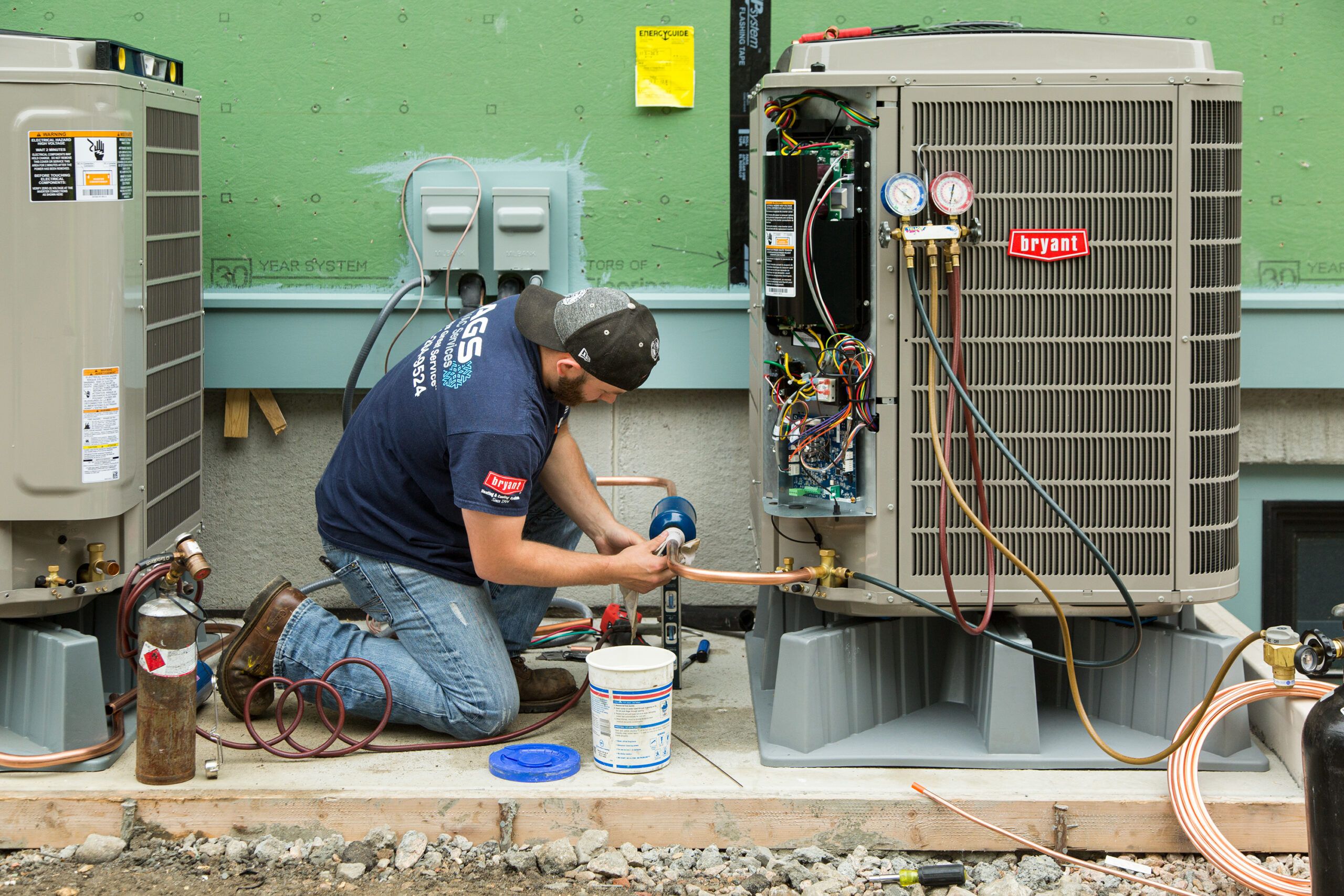
- Installing the new AC unit on a level pad.
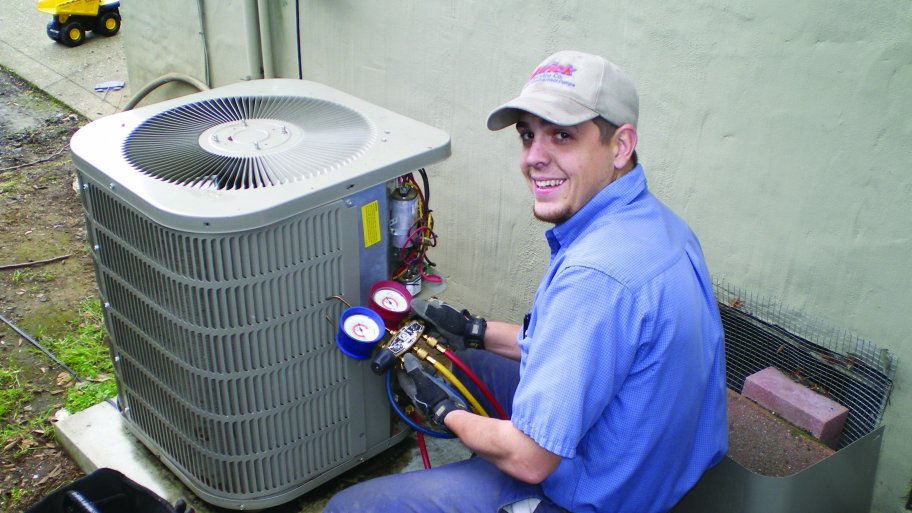
- Connecting refrigerant lines and electrical wiring.
- Evacuating the refrigerant lines to remove air and moisture.
- Charging the system with the correct refrigerant level.
- Testing the system for proper operation.
Q4: What about installing a new furnace? How long does that take?
Replacing an existing furnace usually takes 1-2 days, similar to an AC unit replacement. The process involves disconnecting the old furnace, installing the new one, connecting it to the gas line and ductwork, and testing its functionality. Like AC installations, modifications to gas lines, venting, or electrical systems will increase the installation time.
Specific steps include:
- Disconnecting and removing the old furnace.
- Installing the new furnace in the designated space.
- Connecting gas lines and flue venting.
- Connecting electrical wiring and controls.
- Testing the system for gas leaks and proper operation.
Q5: What preparation should I do before the HVAC installers arrive to speed up the process?
Proper preparation can significantly streamline the installation process and minimize disruptions to your home. Here are some key steps you can take:
- Clear the Area: Remove any furniture, boxes, or other obstructions from around the old unit and the installation path. This includes clearing access to the attic, crawl space, or basement where the equipment will be located.
- Protect Your Belongings: Cover furniture and floors near the work area with drop cloths or plastic sheeting to protect them from dust and debris.
- Secure Pets: Keep pets away from the work area to ensure their safety and prevent them from interfering with the installers.
- Inform Your Family: Let your family members know when the installation will take place and what to expect, including potential noise and temporary disruptions to heating or cooling.
- Review the Contract: Carefully review your contract with the HVAC contractor to ensure you understand the scope of work, payment terms, and warranty information.
- Ask Questions: Don't hesitate to ask the contractor any questions you have about the installation process before they begin.
- Provide Access: Ensure the installers have easy access to the areas where the equipment will be installed, including unlocking gates or doors if necessary.
- Turn off Power: If instructed by the contractor, turn off the power to the existing HVAC system at the breaker box.
Q6: Will my house be without heating or cooling during the entire installation period?
Yes, you should expect to be without heating or cooling for at least part of the installation period. The exact duration will depend on the complexity of the installation and the speed of the work. Your HVAC contractor should be able to give you a more precise estimate of the downtime before starting the job.
Plan accordingly, especially during extreme weather conditions. If the installation is expected to take several days, consider making alternative arrangements for heating or cooling, such as using space heaters or fans, or staying with friends or family.
Q7: How can I get the most accurate estimate of the installation time for *my* specific HVAC system?
The best way to get an accurate estimate of the installation time for your specific HVAC system is to:
- Obtain Multiple Quotes: Get quotes from several reputable HVAC contractors. This allows you to compare not only prices but also the estimated installation time.
- Detailed On-Site Assessment: Ensure each contractor performs a thorough on-site assessment of your home and existing HVAC system. This will help them identify any potential challenges and provide a more accurate estimate.
- Ask Specific Questions: Ask each contractor detailed questions about their installation process, including the number of technicians they will use, the estimated downtime, and any potential delays.
- Review Their References: Check the contractor's references and read online reviews to get an idea of their reputation and track record for completing installations on time.
- Look for Clear Communication: Choose a contractor who communicates clearly and responds promptly to your questions. This is a good indication that they will be reliable and professional throughout the installation process.
- Discuss Contingency Plans: Ask the contractor about their contingency plans for dealing with unexpected issues that may arise during the installation.
By following these steps, you can get a more accurate estimate of the installation time and choose a contractor who is best suited to meet your needs.
Remember, while speed is important, quality workmanship is even more critical. A properly installed HVAC system will operate more efficiently, last longer, and provide better comfort for your home.