How Low Can Propane Tank Go
Propane is a versatile and efficient fuel source for many homes, powering everything from heating and hot water to cooking and even some appliances. Understanding how low your propane tank can safely go is crucial for avoiding inconvenient service interruptions and potential safety hazards. This guide will walk you through the key considerations, help you troubleshoot common problems, and provide guidance on when to call a professional.
Understanding Propane Tank Levels
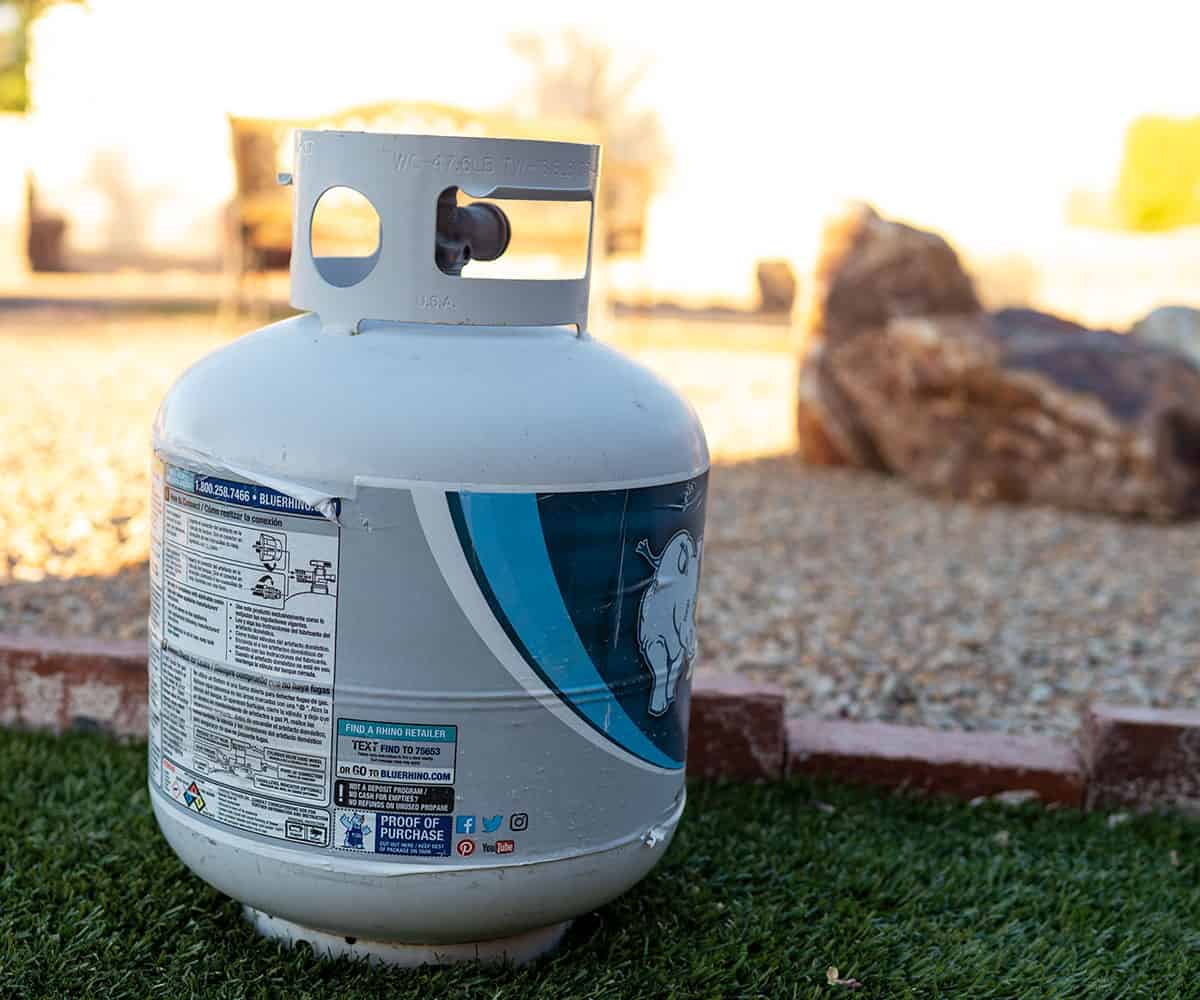
Propane tanks aren't filled to 100% capacity. Instead, they are typically filled to around 80% to allow for expansion of the liquid propane as temperatures rise. This is a critical safety measure. Knowing this, understanding your tank gauge becomes essential.
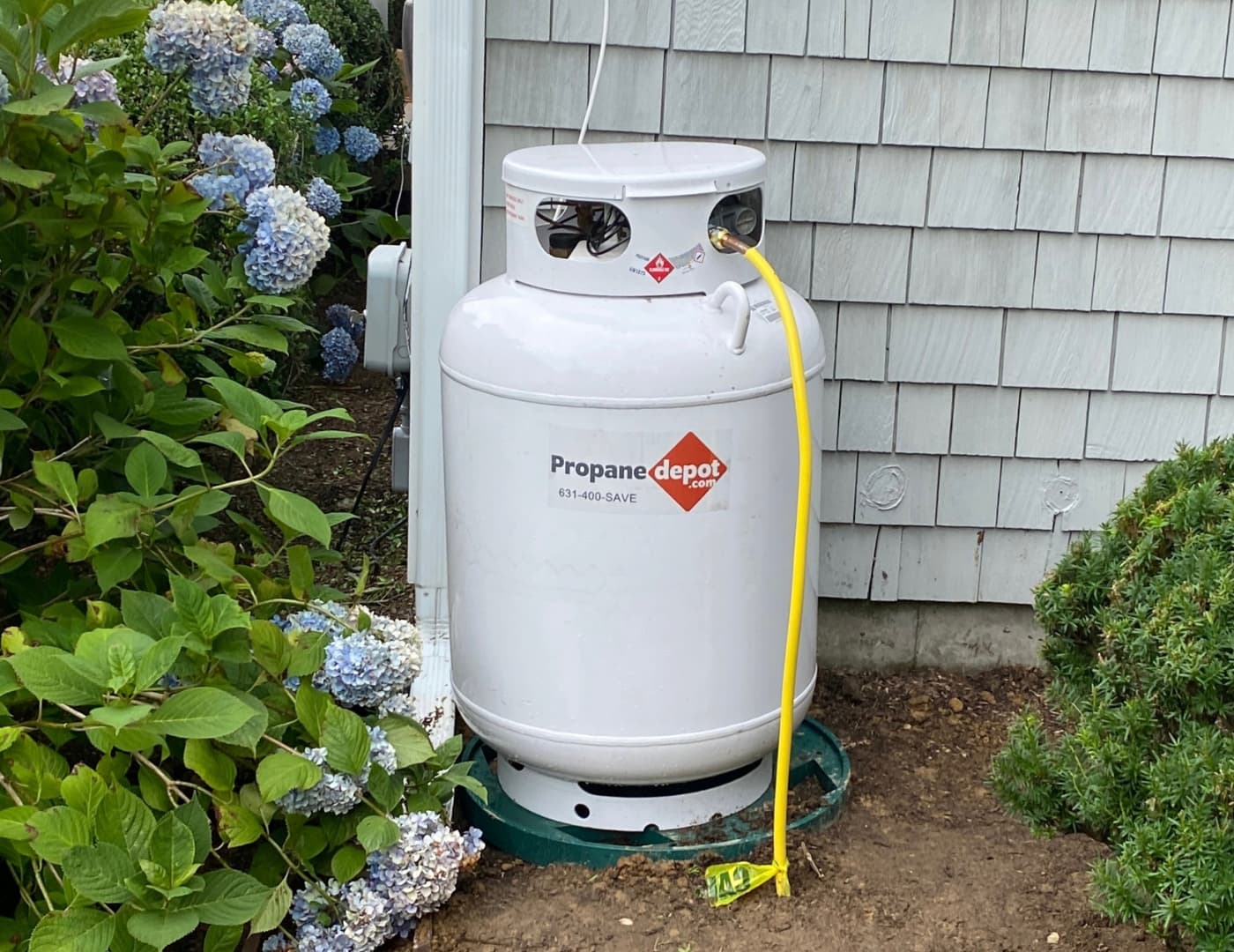
Most residential propane tanks have a gauge, usually located under a protective dome on the tank itself. This gauge displays the percentage of propane currently in the tank. Knowing how to read this gauge is your first line of defense against running out of fuel.
Ideal Level: Maintaining a level above 30% is generally recommended, especially during the winter months when heating demands are high. This buffer provides a safety net and helps prevent issues related to low tank pressure.
Minimum Level: While technically, propane appliances can function with the tank level much lower, letting it drop below 20% can lead to problems. Operating appliances with very low propane can introduce air or sediment into the lines, causing malfunctions.
What Happens When the Tank Gets Too Low?
Several issues can arise when your propane tank level drops too low:
- Loss of Pilot Lights: Low pressure can cause pilot lights on furnaces, water heaters, and other appliances to go out. Relighting these pilot lights can be tricky and, if not done correctly, potentially dangerous.
- Appliance Malfunction: Inconsistent fuel supply can lead to appliances sputtering, not heating properly, or shutting down completely.
- Sediment Buildup: Propane tanks can accumulate sediment over time. When the tank is nearly empty, this sediment can be drawn into the fuel lines, clogging valves and burners.
- Air in the Lines: Running the tank completely empty can allow air to enter the fuel lines. Purging this air requires a qualified technician and specialized equipment. This is often a costly service call.
Troubleshooting Low Propane Issues
If you suspect you're having issues due to a low propane tank, here are some troubleshooting steps you can take:
- Check the Tank Gauge: Confirm the propane level. Is it below 20%? This is a likely culprit.
- Check Appliance Pilot Lights: Are any of your propane appliances not working? Check the pilot lights, following the manufacturer's instructions for relighting (if applicable). Always exercise extreme caution when working with gas appliances. If you are uncomfortable, call a professional.
- Inspect Fuel Lines and Connections: Look for any signs of leaks (smell of propane, hissing sound). If you suspect a leak, immediately evacuate the area and call your propane supplier or fire department. Do not attempt to repair a leak yourself.
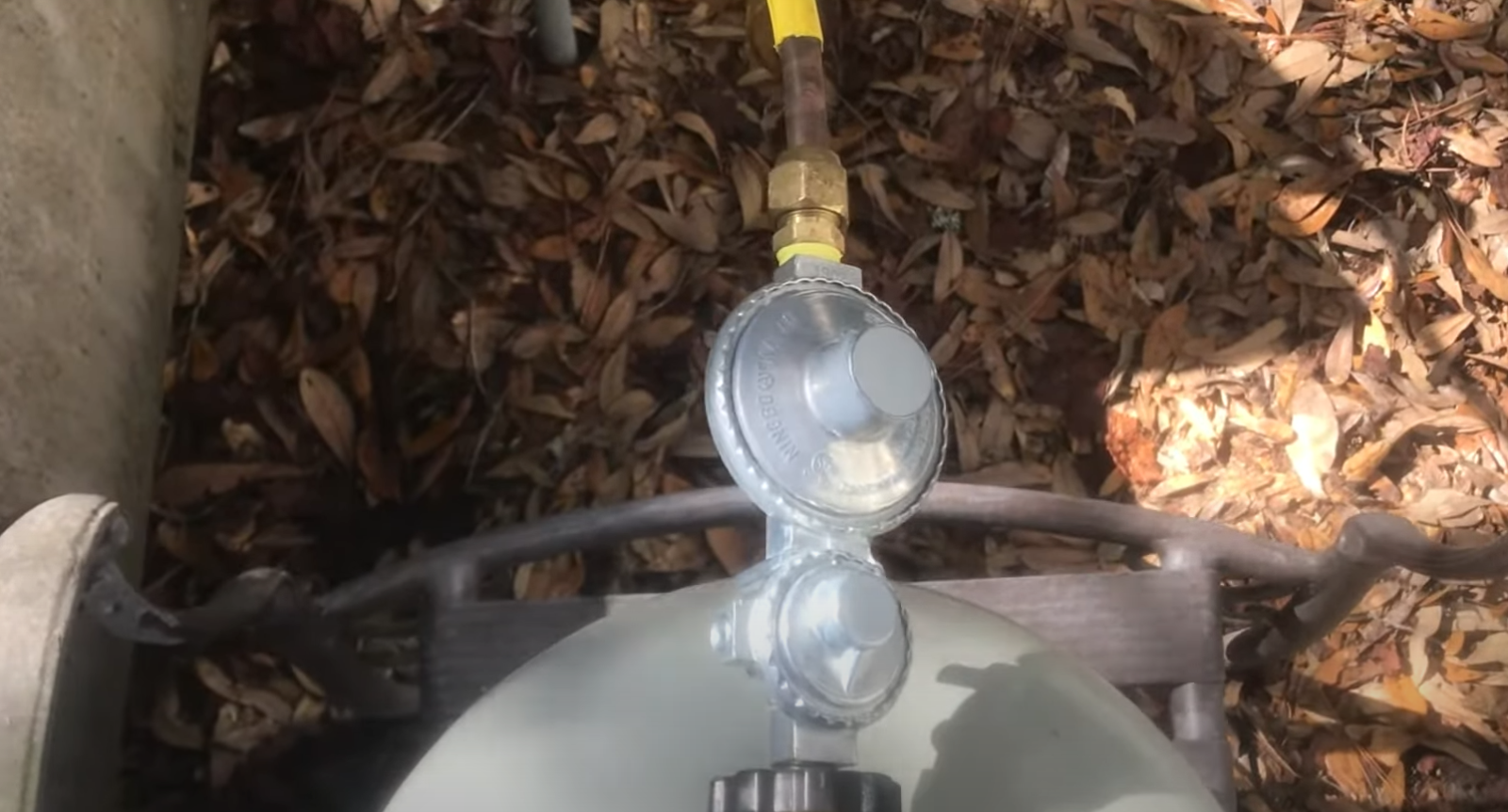
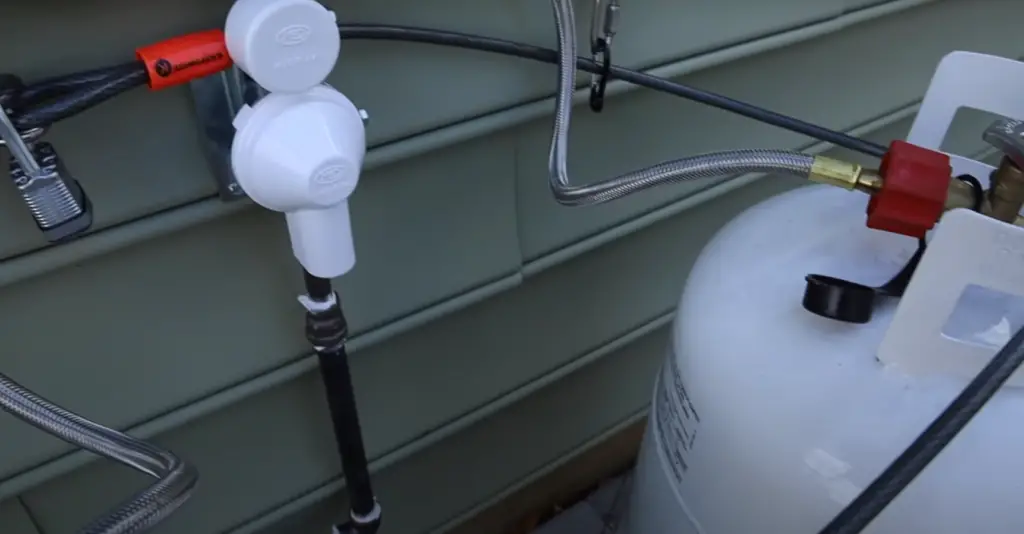
- Check the Regulator: The regulator controls the propane pressure. A malfunctioning regulator can cause pressure problems, even if the tank has propane. This is a more advanced repair and generally requires a professional.
Common Propane Appliance Problems and Solutions
Here's a breakdown of common problems you might encounter and potential solutions:
- Furnace Not Heating:
- Possible Causes: Low propane, pilot light out, faulty igniter, dirty flame sensor, thermostat issues.
- DIY Checks: Check propane level, relight pilot light (if applicable), ensure thermostat is set correctly, clean flame sensor (if comfortable).
- When to Call a Pro: Faulty igniter, complex electrical issues, persistent problems.
- Water Heater Not Heating:
- Possible Causes: Low propane, pilot light out, faulty thermocouple, sediment buildup in the tank.
- DIY Checks: Check propane level, relight pilot light (if applicable), flush the tank to remove sediment.
- When to Call a Pro: Faulty thermocouple, persistent problems, dealing with gas connections.
- Stove Burners Not Lighting:
- Possible Causes: Low propane, clogged burner ports, faulty igniter.
- DIY Checks: Check propane level, clean burner ports, try lighting with a match (carefully!).
- When to Call a Pro: Faulty igniter, gas leak.
DIY vs. Calling a Professional: Knowing Your Limits
While some propane-related issues can be addressed with basic DIY skills, it's crucial to know when to call a professional HVAC technician or propane supplier. Working with propane can be dangerous, and improper repairs can lead to gas leaks, fires, or explosions. Safety should always be your top priority.
When to Call a Professional:
- Suspected Gas Leak: If you smell propane, hear a hissing sound, or suspect a leak, evacuate immediately and call your propane supplier or fire department.
- Regulator Issues: Replacing or repairing a propane regulator requires specialized knowledge and equipment.
- Purging Air from Lines: If you've run your tank completely empty, you'll need a professional to purge the air from the lines.
- Complex Appliance Repairs: If you're uncomfortable working with gas appliances or the problem persists after basic troubleshooting, call a qualified technician.
- Any Work on Gas Lines: Leave any work on gas lines to licensed professionals.
Tools and Parts for Basic Propane Troubleshooting
Here's a list of tools and parts you might need for basic troubleshooting (always consult your appliance's owner's manual first):
- Wrench set
- Screwdrivers (Phillips and flathead)
- Multimeter (for testing electrical components)
- Flame sensor cleaner
- Pilot light relighting tool (if applicable)
- Gas leak detector (optional, but recommended)
- Replacement thermocouple (for water heaters)
- Work gloves
- Safety glasses
Cost Estimates for Propane Repairs
The cost of propane repairs can vary depending on the complexity of the problem and the labor rates in your area. Here are some rough estimates:
- Pilot Light Relighting: $75 - $150 (if a service call is required)
- Regulator Replacement: $150 - $400
- Purging Air from Lines: $100 - $250
- Thermocouple Replacement: $100 - $200
- Gas Leak Repair: Varies widely depending on the severity of the leak and the necessary repairs. This can range from a few hundred dollars to thousands if extensive work is required.
- Furnace Repair: $75 - $1000+ depending on the needed repair.
- Water Heater Repair: $75 - $800+ depending on the needed repair.
Note: These are just estimates. Always get a quote from a qualified technician before authorizing any repairs.
Preventive Measures for Trouble-Free Propane Use
Taking preventive measures can help you avoid propane-related problems in the first place:
- Monitor Your Tank Gauge Regularly: Check the gauge at least monthly, and more frequently during periods of high usage (like winter).
- Schedule Regular Tank Refills: Consider automatic delivery service to ensure you never run out of propane.
- Annual Appliance Maintenance: Have your propane appliances serviced annually by a qualified technician. This can help identify and address potential problems before they become major issues.
- Keep the Area Around the Tank Clear: Ensure there is clear access to the tank for deliveries and maintenance.
- Trim Shrubbery Around the Tank: Prevent vegetation from obstructing the tank gauge or interfering with ventilation.
Conclusion
Understanding your propane system and taking proactive steps can help you avoid costly repairs and ensure a safe and reliable fuel supply. By monitoring your tank levels, performing basic maintenance, and knowing when to call a professional, you can keep your propane appliances running smoothly for years to come. Remember, when in doubt, always err on the side of safety and seek expert advice.