How Many Animals Are Killed From Litter Each Year
Imagine this: you’re all set to unwind after a long day, looking forward to a perfectly chilled beverage from your refrigerator. But instead of a welcoming hum, you’re greeted by silence. Or worse, a faint, unsettling whir with no cooling action. A malfunctioning refrigerator can be a real headache, leading to spoiled food and potential expenses. Before you panic and call a repair service, let’s explore some basic troubleshooting steps you can take yourself.
Refrigerator Troubleshooting: A Step-by-Step Guide
This guide provides simple, safe DIY fixes for common refrigerator issues. Remember, safety is paramount. Always unplug the refrigerator from the power outlet before attempting any repairs, unless specifically instructed otherwise for testing purposes. If at any point you feel uncomfortable or the problem seems beyond your skill level, it’s best to contact a qualified appliance repair technician.
Step 1: Check the Power Supply
The first and most basic step is to ensure your refrigerator is receiving power. Don’t laugh – it happens more often than you think!
- Verify the Outlet: Plug another appliance (like a lamp or phone charger) into the same outlet to confirm it’s working. If the other appliance doesn't work, the problem is likely with the outlet itself. Check your circuit breaker panel or fuse box.
- Circuit Breaker/Fuse: Locate the circuit breaker or fuse that controls the refrigerator’s outlet. Reset the breaker by switching it fully off and then back on. If it’s a fuse, check if the filament is broken. Replace the fuse with one of the same amperage rating if necessary. Never use a fuse with a higher amperage.
- Power Cord: Inspect the refrigerator's power cord for any visible damage like cuts, frays, or exposed wires. A damaged power cord is a serious safety hazard and should be replaced immediately. Do not attempt to repair a damaged power cord yourself; contact a qualified electrician or appliance repair technician.
Step 2: Check the Refrigerator Settings
Sometimes, the issue isn't a mechanical failure, but rather an incorrect setting.
- Temperature Controls: Ensure the temperature controls inside the refrigerator and freezer are set correctly. Avoid setting them to the coldest setting initially, as this can sometimes cause issues. Try adjusting the temperature a degree or two cooler or warmer to see if it resolves the problem.
- Door Switch: The door switch activates the interior light and sometimes controls the fan motor. Open and close the refrigerator door to see if the light comes on. If the light doesn't come on, the switch might be faulty. You can often test the switch by pressing it in manually. If the light comes on when you press it, the switch itself might be the issue. Replacement switches are relatively inexpensive and easy to install on many models, but consult your refrigerator’s manual for specific instructions. Always unplug the refrigerator before replacing the door switch.
- Control Lock: Some refrigerators have a control lock feature that can prevent temperature adjustments. Make sure this feature is disabled. Refer to your refrigerator's manual for instructions on how to disable the control lock.
Step 3: Clean the Condenser Coils
The condenser coils release heat from the refrigerant. If they are covered in dust and debris, the refrigerator will have to work harder, reducing its efficiency and potentially leading to overheating.
- Location: Condenser coils are typically located on the back or underneath the refrigerator. Consult your refrigerator's manual to locate them.
- Cleaning: Unplug the refrigerator. Use a vacuum cleaner with a brush attachment to carefully remove dust and debris from the coils. You can also use a condenser coil cleaning brush, available at most hardware stores. Be gentle to avoid damaging the coils.
- Frequency: Clean the condenser coils every 6-12 months for optimal performance.
Step 4: Check the Door Seals
A faulty door seal can allow warm air to enter the refrigerator, causing it to work harder and potentially leading to temperature fluctuations and food spoilage.
- Inspection: Visually inspect the door seals (gaskets) around both the refrigerator and freezer doors. Look for cracks, tears, or areas where the seal is loose or damaged.
- Test: Close the door on a piece of paper. If you can easily pull the paper out without resistance, the seal is likely compromised. Repeat this test around the entire perimeter of the door.
- Cleaning: Clean the door seals with warm soapy water and a soft cloth. Remove any food debris or buildup that might be preventing a tight seal.
- Repair/Replacement: If the seal is simply dirty, cleaning may improve its effectiveness. However, if the seal is damaged, it will need to be replaced. Replacement door seals are available for most refrigerator models. Installing a new seal is often a relatively simple process, but consult your refrigerator's manual for specific instructions.
Step 5: Defrost the Freezer (If Applicable)
If your refrigerator is not a frost-free model, ice buildup in the freezer can significantly reduce its efficiency and affect the refrigerator's temperature.
- Manual Defrost: Unplug the refrigerator. Remove all food from the freezer. Place towels or trays underneath the freezer to catch melting ice. Leave the freezer door open and allow the ice to melt naturally. You can speed up the process by placing a bowl of hot water inside the freezer or using a hairdryer (on a low setting and keeping it moving) to melt the ice. Be extremely careful not to damage any internal components when using a hairdryer.
- Automatic Defrost Issues (Frost-Free Models): If your refrigerator is frost-free and you notice excessive ice buildup, there may be a problem with the defrost system. This could involve a faulty defrost timer, defrost heater, or defrost thermostat. These repairs are more complex and should be handled by a qualified appliance repair technician.
Step 6: Listen for Unusual Noises
Unusual noises can often indicate a problem with specific components of the refrigerator.
- Motor Humming: A humming sound is normal when the compressor is running. However, a loud or constant humming, especially if the refrigerator is not cooling, could indicate a problem with the compressor. Compressor repairs are complex and require specialized tools and knowledge. Contact a qualified appliance repair technician.
- Clicking or Buzzing: These sounds can sometimes indicate a problem with the start relay or overload protector, which are components that help the compressor start. Replacing these components is generally straightforward, but it's crucial to unplug the refrigerator and discharge the capacitor before attempting any repairs. If you are not comfortable working with electrical components, contact a qualified appliance repair technician.
- Rattling: A rattling sound could be caused by loose components or a fan blade hitting something. Inspect the fan blades (both inside the refrigerator and in the condenser coil area) to see if they are obstructed or damaged. Unplug the refrigerator before inspecting the fan blades.
- Water Sounds: Gurgling or dripping sounds can indicate a problem with the drain line, which removes condensation from the refrigerator. The drain line can become clogged with debris, causing water to back up. Locate the drain line opening (usually on the back wall of the refrigerator compartment) and clear it with a pipe cleaner or a thin, flexible wire.
When to Call a Professional
While many refrigerator issues can be resolved with simple DIY fixes, some problems require the expertise of a qualified appliance repair technician. It's essential to prioritize your safety and avoid attempting repairs that you are not comfortable with.
Here are some situations where you should call a professional:
- Refrigerant Leaks: Refrigerant is a hazardous substance, and repairing refrigerant leaks requires specialized equipment and training. Never attempt to repair a refrigerant leak yourself.
- Compressor Problems: Compressor repairs are complex and require specialized tools and knowledge.
- Electrical Issues: If you are uncomfortable working with electrical components, contact a qualified electrician or appliance repair technician.
- Gas Leaks (Gas-Powered Refrigerators): Some older refrigerators use gas as a coolant. If you suspect a gas leak, immediately evacuate the area and contact your gas company or a qualified appliance repair technician.
- If the Problem Persists: If you have tried all the troubleshooting steps outlined in this guide and the refrigerator is still not working properly, it's time to call a professional.
By following these troubleshooting steps, you can often diagnose and resolve common refrigerator problems yourself, saving time and money. Remember to prioritize safety and never attempt repairs that you are not comfortable with. When in doubt, contact a qualified appliance repair technician for assistance. Good luck!
How Many Animals Are Killed From Litter Each Year?
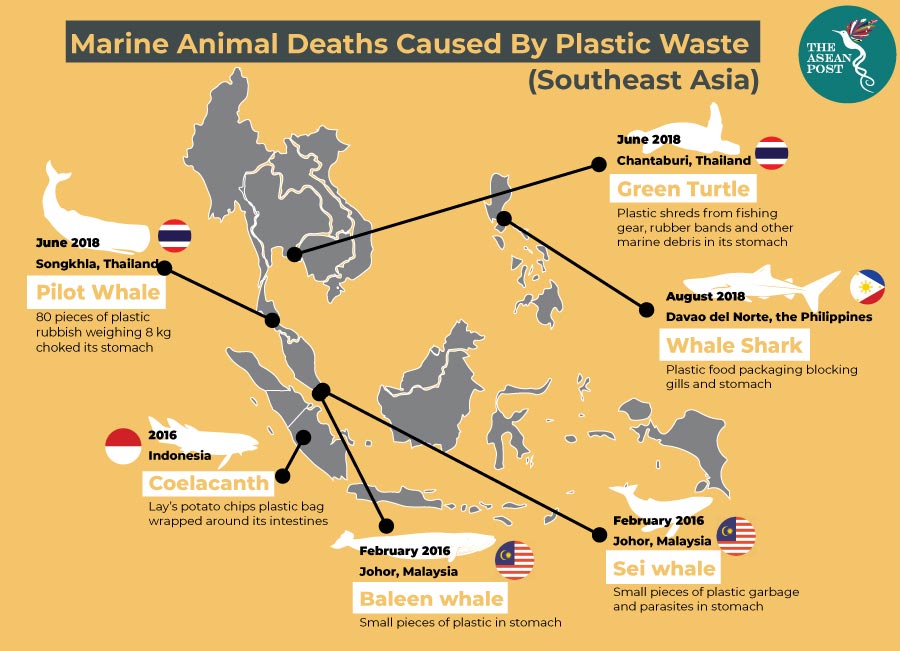
While pinpointing an exact number is impossible due to the vastness of the problem and difficulty in tracking individual cases, it's estimated that millions of animals die each year due to the detrimental effects of litter. This includes marine life, birds, mammals, and other creatures both on land and in water.
The Devastating Impact of Litter on Wildlife
Litter, defined as improperly discarded waste, poses a significant threat to animal populations worldwide. The consequences are far-reaching and can be categorized as follows:
- Entanglement: Animals can become entangled in litter items like plastic bags, six-pack rings, fishing line, and discarded netting. This entanglement can lead to suffocation, strangulation, drowning, starvation, and injuries resulting in death. Marine mammals like seals and dolphins, seabirds, and turtles are particularly vulnerable.
- Ingestion: Animals often mistake litter for food. Ingesting plastic and other non-biodegradable materials can block digestive tracts, leading to starvation and death. Seabirds, for instance, frequently ingest plastic pellets, mistaking them for fish eggs. The plastic fills their stomachs, preventing them from consuming actual food. Sea turtles also often mistake plastic bags for jellyfish, a staple food source.
- Habitat Destruction: Litter contaminates and degrades natural habitats. Plastic pollution in oceans smothers coral reefs, pollutes waterways, and disrupts delicate ecosystems. Land-based litter can contaminate soil, affecting plant growth and the animals that depend on those plants.
- Chemical Contamination: As litter degrades, it can release harmful chemicals into the environment. These chemicals can contaminate water sources, soil, and the food chain, posing a risk to animal health. Plastics, in particular, can leach endocrine disruptors, which can interfere with hormone function and reproduction in animals.
- Disease Transmission: Litter can provide breeding grounds for disease-carrying vectors like mosquitoes and rodents. This can increase the risk of disease transmission to both animals and humans.
Examples of Animals Affected
The impact of litter is felt across a wide range of species:
- Seabirds: Many seabird species are highly susceptible to plastic ingestion and entanglement. Studies have found plastic in the stomachs of a significant percentage of seabirds.
- Sea Turtles: Sea turtles frequently mistake plastic bags for jellyfish, leading to ingestion and digestive blockages.
- Marine Mammals: Seals, dolphins, and whales can become entangled in fishing gear and other plastic debris, leading to drowning, starvation, and injuries.
- Fish: Fish can ingest microplastics, which can accumulate in their tissues and potentially transfer up the food chain to humans.
- Land Animals: Land animals like foxes, deer, and raccoons can become entangled in litter or ingest it while scavenging for food.
- Livestock: Farm animals, especially grazing animals, can inadvertently ingest litter scattered in fields, leading to health problems and even death.
Addressing the Problem: What Can Be Done?
Reducing the number of animals killed by litter requires a multi-faceted approach:
- Reduce, Reuse, Recycle: Reduce your consumption of single-use plastics, reuse items whenever possible, and recycle properly.
- Proper Waste Disposal: Dispose of trash properly in designated receptacles. Secure lids on trash cans to prevent litter from being blown away by the wind.
- Participate in Cleanups: Organize or participate in local cleanup events to remove litter from beaches, parks, and other natural areas.
- Support Legislation: Support legislation that promotes waste reduction, recycling, and extended producer responsibility.
- Educate Others: Raise awareness about the impact of litter on wildlife and encourage others to adopt responsible waste disposal practices.
- Choose Sustainable Products: Opt for products made from sustainable materials and avoid products with excessive packaging.
- Dispose of Fishing Line Responsibly: Anglers should properly dispose of used fishing line to prevent entanglement of marine life.
By taking individual and collective action, we can significantly reduce the amount of litter in the environment and protect vulnerable animal populations. Every effort, no matter how small, contributes to a cleaner, healthier, and safer world for all living creatures. The cumulative effect of conscious choices regarding waste disposal and consumption habits can have a profound impact on the survival of countless animals facing the daily threat of human-generated litter.