How Many Btu In Gallon Of Propane

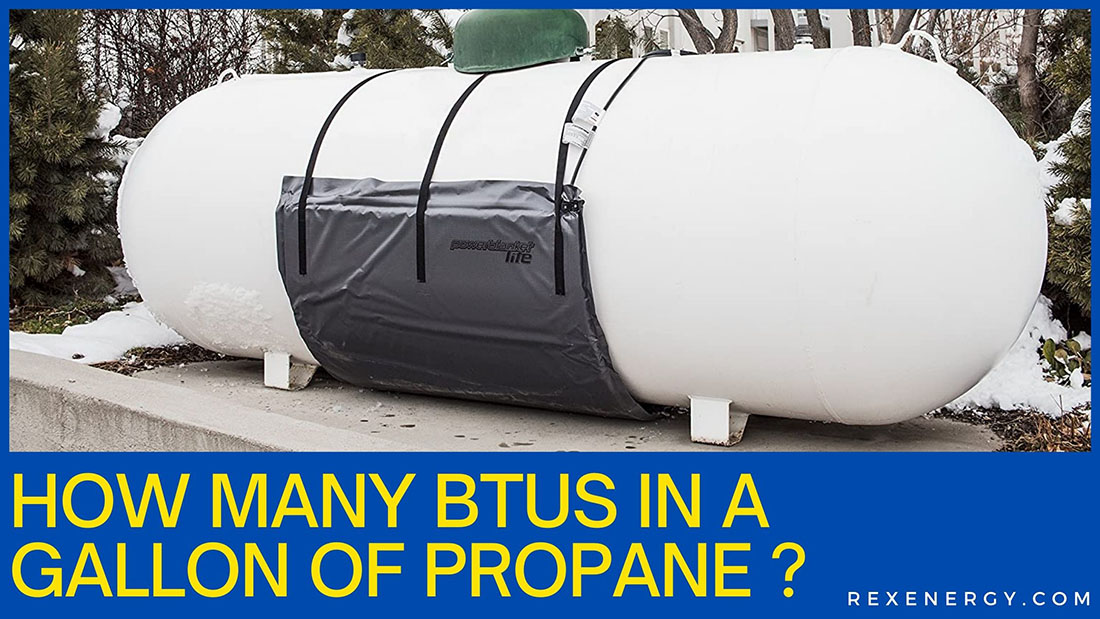
Understanding the energy content of fuels is crucial for making informed decisions about heating and cooling systems, especially when aiming for energy efficiency and cost savings. Propane, a popular fuel source for residential and commercial heating, cooking, and various industrial applications, is often compared to other energy sources like natural gas, electricity, and heating oil. A key metric for evaluating propane's potential is its British Thermal Unit (BTU) content per gallon. So, how many BTUs are in a gallon of propane, and how can that information help you save money?
The BTU Content of Propane: A Deep Dive
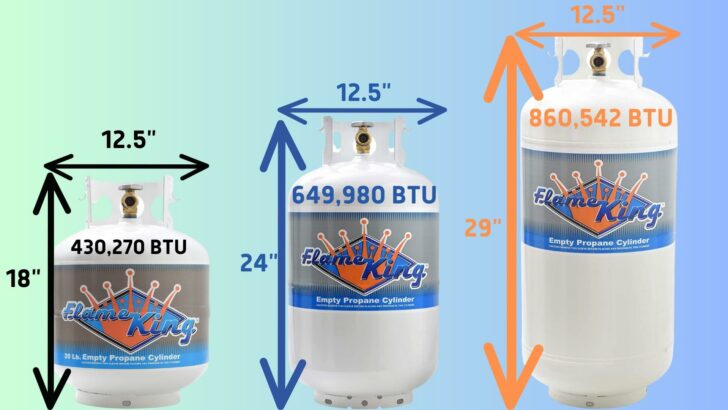
The standard measurement for the energy content of propane is approximately 91,500 BTUs per gallon. This number is an average, and the actual BTU content can vary slightly depending on the propane's composition and purity. Factors like temperature and pressure also play a minor role, but for practical purposes, 91,500 BTU/gallon is a reliable figure.
Understanding this number is essential for several reasons:
- Calculating Fuel Consumption: Knowing the BTU content allows you to estimate how much propane your appliances will consume based on their BTU ratings.
- Comparing Energy Costs: It enables you to compare the cost-effectiveness of propane against other fuels like natural gas, heating oil, or electricity.
- Evaluating HVAC Efficiency: You can use the BTU content to assess the efficiency of your propane-powered heating system and identify opportunities for improvement.
Propane vs. Other Fuels: A BTU Comparison
To appreciate the significance of propane's BTU content, let's compare it to other common fuels:
- Natural Gas: Natural gas typically contains around 1,030 BTU per cubic foot. A gallon of propane contains significantly more energy than a cubic foot of natural gas.
- Heating Oil: Heating oil boasts approximately 138,700 BTU per gallon, making it more energy-dense than propane. However, heating oil systems often have different efficiency ratings, impacting the overall cost-effectiveness.
- Electricity: Electricity is measured in kilowatt-hours (kWh). One kWh is equivalent to 3,412 BTUs. Comparing electricity to propane requires considering the efficiency of electric heating systems like heat pumps.
The higher BTU content of propane compared to natural gas means you need less propane to generate the same amount of heat. This can translate into lower fuel consumption, especially in areas where natural gas prices are high. On the other hand, while heating oil has a higher BTU content, the overall cost-effectiveness depends on the price per gallon and the efficiency of your heating system.
Calculating Propane Usage and Costs
Let's say you have a propane furnace with an input rating of 80,000 BTU/hour and an efficiency rating of 90%. This means that for every 80,000 BTU of propane consumed, 72,000 BTU (80,000 x 0.90) are converted into usable heat. To calculate the hourly propane consumption, divide the input rating by the BTU content per gallon:
80,000 BTU/hour / 91,500 BTU/gallon = approximately 0.87 gallons/hour
If propane costs $3.00 per gallon, the hourly heating cost would be:
0.87 gallons/hour x $3.00/gallon = $2.61/hour
These calculations provide a clear understanding of your heating costs, allowing you to budget accordingly and identify potential areas for savings.
Maximizing Propane Efficiency: Tips and Strategies
While propane is a versatile and reliable fuel, optimizing its efficiency is crucial for reducing energy costs. Here are several strategies you can implement:
Regular HVAC Maintenance
Annual maintenance by a qualified HVAC technician is essential. This includes cleaning or replacing air filters, inspecting burners, checking for leaks, and ensuring proper airflow. A well-maintained system operates more efficiently, reducing propane consumption and preventing costly repairs.
Insulation Upgrades
Proper insulation is paramount. Ensure your home is adequately insulated in the attic, walls, floors, and crawl spaces. Sealing air leaks around windows, doors, and other openings further reduces heat loss. The U.S. Department of Energy offers guidelines on recommended insulation levels for different climates.
Smart Thermostats
Smart thermostats offer programmable settings that adjust temperatures automatically based on your schedule and preferences. Learning thermostats even adapt to your habits over time, optimizing energy usage without compromising comfort. Many smart thermostats can be controlled remotely via smartphone, allowing you to adjust settings even when you're away from home. They also provide detailed energy usage reports, enabling you to identify areas for improvement. Look for Energy Star certified models to ensure optimal energy savings.
Energy-Efficient Appliances
When replacing propane-powered appliances, choose Energy Star certified models. These appliances meet strict energy efficiency guidelines, consuming less propane and reducing your overall energy bills. For example, consider a high-efficiency propane furnace with an Annual Fuel Utilization Efficiency (AFUE) rating of 95% or higher.
Tankless Water Heaters
Tankless propane water heaters heat water on demand, eliminating the standby heat losses associated with traditional tank water heaters. This can result in significant energy savings, especially in households with low to moderate hot water usage.
Consider a Propane Heat Pump
While less common, propane heat pumps offer an efficient alternative for both heating and cooling. They transfer heat rather than generate it, resulting in lower energy consumption compared to traditional propane furnaces. Heat pumps are particularly effective in moderate climates.
Rebates and Incentives for Energy-Efficient Propane Systems
Many states and utility companies offer rebates and incentives for installing energy-efficient propane systems. Check with your local utility company and state energy office to explore available programs. The Database of State Incentives for Renewables & Efficiency (DSIRE) is a comprehensive online resource for finding rebates and incentives for energy-efficient products and technologies.
Federal tax credits may also be available for certain energy-efficient upgrades. Consult with a tax professional to determine your eligibility.
Smart Home Integration for Enhanced Propane Efficiency
Integrating your propane-powered HVAC system with a smart home platform can further enhance energy efficiency and convenience. Smart home systems allow you to control and monitor your HVAC system remotely, optimize energy usage based on real-time conditions, and receive alerts for potential issues.
For example, you can use smart sensors to detect occupancy in different rooms and adjust the temperature accordingly. You can also integrate your HVAC system with weather forecasts to preheat or precool your home based on anticipated temperature changes. Some smart home systems even offer advanced features like demand response, which automatically adjusts your energy usage during peak demand periods to save money and reduce strain on the grid.
The Long-Term ROI of Energy-Efficient Propane Systems
Investing in energy-efficient propane systems may require an upfront investment, but the long-term return on investment (ROI) can be significant. Reduced energy bills, lower maintenance costs, and increased home value contribute to the overall ROI. Additionally, government rebates and tax incentives can help offset the initial investment.
Before making any major HVAC upgrades, conduct a thorough energy audit to identify areas where you can save the most money. An energy audit will provide you with a detailed assessment of your home's energy performance and recommendations for improvement.
Conclusion
Understanding the BTU content of propane (approximately 91,500 BTU/gallon) is essential for making informed decisions about heating and cooling. By comparing propane to other fuels, calculating your propane usage, and implementing energy-efficient strategies, you can significantly reduce your energy bills and minimize your environmental impact. Smart home integration and available rebates and incentives further enhance the benefits of energy-efficient propane systems. Investing in a sustainable and efficient propane system is a smart choice for both your wallet and the environment.
Remember to always consult with qualified HVAC professionals for proper installation, maintenance, and safety inspections of your propane systems. They can help you choose the right equipment for your needs and ensure that it operates safely and efficiently.