How Many Btus Does A Candle Produce

The concept of British Thermal Units (BTUs) is fundamental to understanding heating and cooling, whether you're a homeowner considering a new furnace, an HVAC technician sizing equipment, or a facility manager overseeing a large commercial building. While we typically associate BTUs with powerful heating and cooling systems, it's insightful to examine how even a seemingly insignificant heat source like a candle contributes to the thermal environment. Understanding the BTU output of a candle can provide a relatable perspective on the scale of energy involved in HVAC systems.
What is a BTU?
A BTU (British Thermal Unit) is a unit of energy. Specifically, it's the amount of energy required to raise the temperature of one pound of water by one degree Fahrenheit. In HVAC, BTUs are used to measure the heating or cooling capacity of equipment. A furnace with a higher BTU rating can produce more heat, while an air conditioner with a higher BTU rating can remove more heat.
For example, a typical residential furnace might have an output of 60,000 to 100,000 BTUs per hour. A central air conditioner might have a cooling capacity of 12,000 to 60,000 BTUs per hour (often expressed in "tons," where 1 ton equals 12,000 BTUs). Understanding these numbers helps in selecting the right size system for your home or building, preventing issues like short cycling or insufficient heating/cooling.
Estimating the BTU Output of a Candle
Determining the exact BTU output of a candle is complex and depends on various factors, including the type of wax, the size of the wick, and the surrounding environment. However, we can arrive at a reasonable estimate.
A typical candle flame produces heat through the combustion of wax. The energy released in this process can be approximated based on the chemical composition of the wax and its burning rate. Most candles use paraffin wax, which has a relatively well-defined energy content.
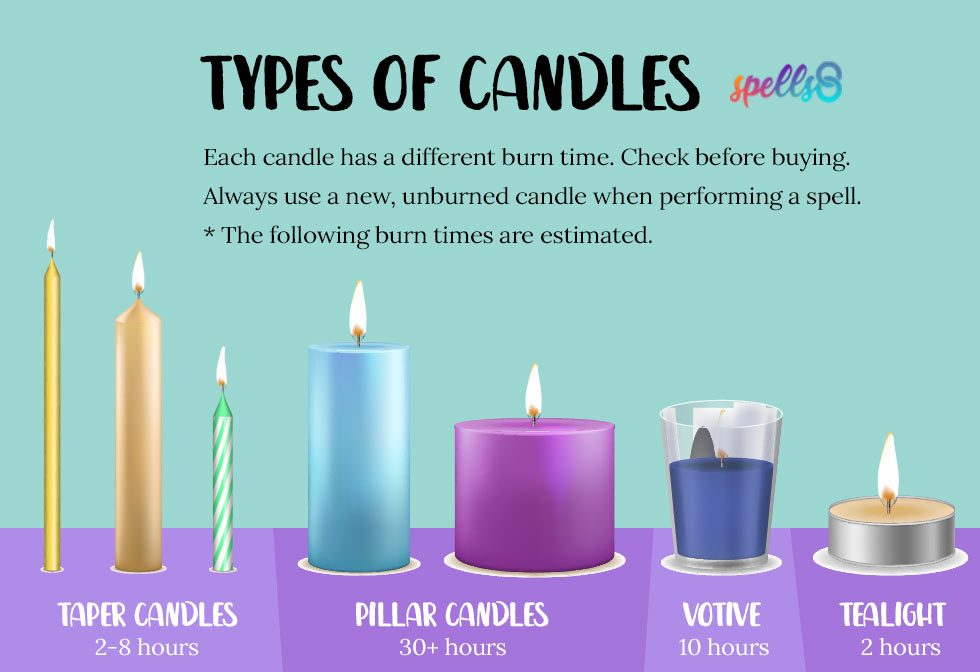
Let's consider a standard taper candle. While specifics vary, a general estimate is that a burning candle produces around 300-500 BTUs per hour. This is a very rough estimate, and individual candles can differ. Factors affecting this include:
- Wax Type: Paraffin, soy, beeswax, and other waxes have slightly different energy densities. Soy wax, for example, might burn slightly cooler.
- Wick Size and Material: A larger wick burns more wax, producing more heat. The material also affects the burning efficiency.
- Airflow: Drafts can affect the flame's stability and combustion rate.
To put this into perspective, consider a small space heater. A portable electric space heater might output 5,000 BTUs per hour or more. Therefore, a single candle contributes only a fraction of the heat produced by even a small space heater. You would need roughly 10-15 candles to equal the output of a single 5000 BTU space heater. However, a room full of candles *can* noticeably increase temperature in a small, well-insulated room, which is important to know during a power outage. While providing light, those candles also emit *some* heat that can help in an emergency situation.
Comparing Candle BTUs to HVAC Systems
The disparity between the BTU output of a candle and a typical HVAC system is significant, but illustrating this difference is important for understanding the scale of energy involved in heating and cooling.
Furnaces
As mentioned earlier, a typical residential furnace might output 60,000 to 100,000 BTUs per hour. Compared to the 300-500 BTUs from a candle, a furnace generates 120 to 333 times more heat per hour. This immense difference highlights the power required to heat an entire home efficiently.
Example: A 80,000 BTU furnace running for one hour produces the equivalent heat of approximately 160-266 candles burning for one hour.
Air Conditioners
Air conditioners are rated by their cooling capacity, also measured in BTUs per hour. A typical central air conditioner might have a cooling capacity of 24,000 BTUs per hour (2 tons). While air conditioners remove heat instead of generating it, the comparison is still valuable. The energy required to remove that heat is substantial, far exceeding the heat produced by a few candles. Imagine trying to cool a room by removing the heat of candles with an air conditioner – the air conditioner has to work much harder due to the extra heat load.
Heat Pumps
Heat pumps are unique because they can both heat and cool. In heating mode, a heat pump transfers heat from the outside air (even when it's cold) into your home. In cooling mode, it reverses the process. Heat pumps are often rated using a Heating Season Performance Factor (HSPF) and a Seasonal Energy Efficiency Ratio (SEER) for cooling. These ratings indicate the efficiency of the unit. A typical heat pump might have a heating capacity similar to a furnace, around 60,000 to 100,000 BTUs, dwarfing the output of a candle.
Why Does This Matter?
Understanding the BTU output of a candle, even though it's small, helps contextualize the energy consumption of your home or building. It reinforces the following points:
- Energy Efficiency: Small inefficiencies in your HVAC system can add up over time. A leaky duct or a poorly insulated window can waste a significant amount of energy, costing you money.
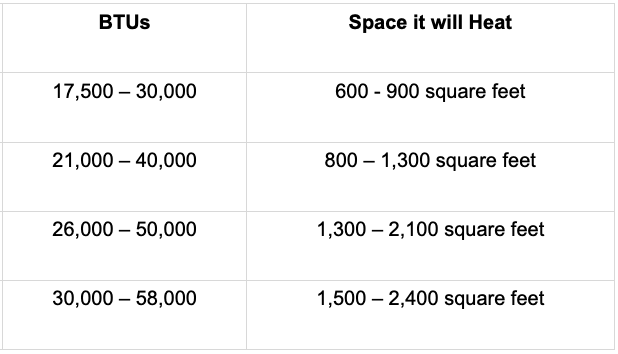
- System Sizing: Correctly sizing your HVAC system is crucial. An oversized system can lead to short cycling and higher energy bills, while an undersized system may not be able to adequately heat or cool your space.
- Energy Conservation: Simple changes, like sealing air leaks and using energy-efficient appliances, can make a noticeable difference in your energy consumption and reduce your carbon footprint.
Real-World Applications
Here are some real-world examples that put these BTU figures into perspective:
- Home Heating: If your home requires 80,000 BTUs per hour to maintain a comfortable temperature on a cold day, you would need a furnace with that capacity. Relying on candles to heat your home is impractical and unsafe.
- Commercial Cooling: A large office building might require several hundred tons of cooling capacity (each ton being 12,000 BTUs). This requires a complex system of chillers, air handlers, and ductwork to distribute the cool air efficiently.
- Emergency Preparedness: While candles provide minimal heat, they can offer light and a small amount of warmth during a power outage. However, it's crucial to prioritize safety and ventilation to prevent fire hazards and carbon monoxide poisoning. Consider alternatives like battery-powered lanterns or propane heaters designed for indoor use (with proper ventilation).
Cost Considerations
When evaluating heating and cooling options, consider the cost per BTU. While candles might seem inexpensive initially, their BTU output is low, and they require frequent replacement. Furnaces, air conditioners, and heat pumps have higher upfront costs, but they provide significantly more BTUs for a much lower cost per BTU over their lifespan. Also consider *fuel* costs, such as electricity vs. natural gas.
Example: Let's say a candle costs $2 and provides 400 BTUs per hour. A furnace might cost $5,000 installed and provide 80,000 BTUs per hour. Over the long term, the furnace will be far more cost-effective and efficient. In addition, a new, energy-efficient furnace may qualify for rebates and tax incentives, further reducing the total cost of ownership.
Conclusion
While the BTU output of a candle is relatively small, it serves as a valuable reference point for understanding the scale of energy involved in heating and cooling. By comparing candle BTUs to those of furnaces, air conditioners, and heat pumps, we gain a better appreciation for the power and efficiency of modern HVAC systems. This knowledge empowers homeowners, HVAC technicians, and facility managers to make informed decisions about energy consumption, system sizing, and cost-effectiveness.
Remember to prioritize energy efficiency, proper system sizing, and regular maintenance to ensure your HVAC system operates optimally and provides a comfortable and safe environment.

:max_bytes(150000):strip_icc()/UnderstandingBasicCandlestickCharts-01_2-7114a9af472f4a2cb5cbe4878c1767da.png)