How Many Co Detectors In A House
Frequently Asked Questions About Carbon Monoxide (CO) Detector Placement
Carbon monoxide (CO) is a colorless, odorless, and deadly gas. Protecting yourself and your family from CO poisoning is crucial, and properly installed CO detectors are your first line of defense. This FAQ addresses common questions about how many CO detectors you need and where they should be located.
1. How Many CO Detectors Do I Need in My Home?
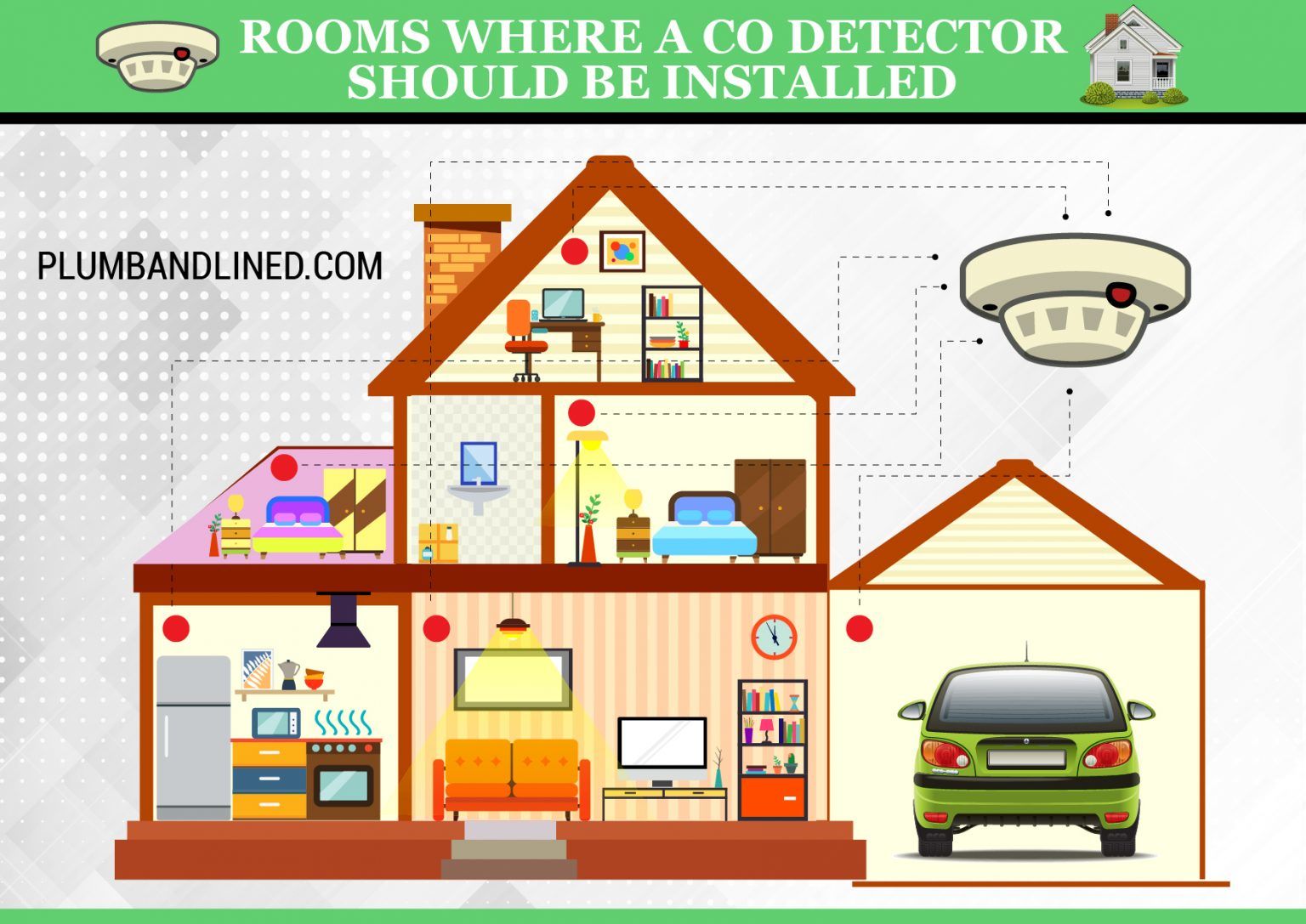
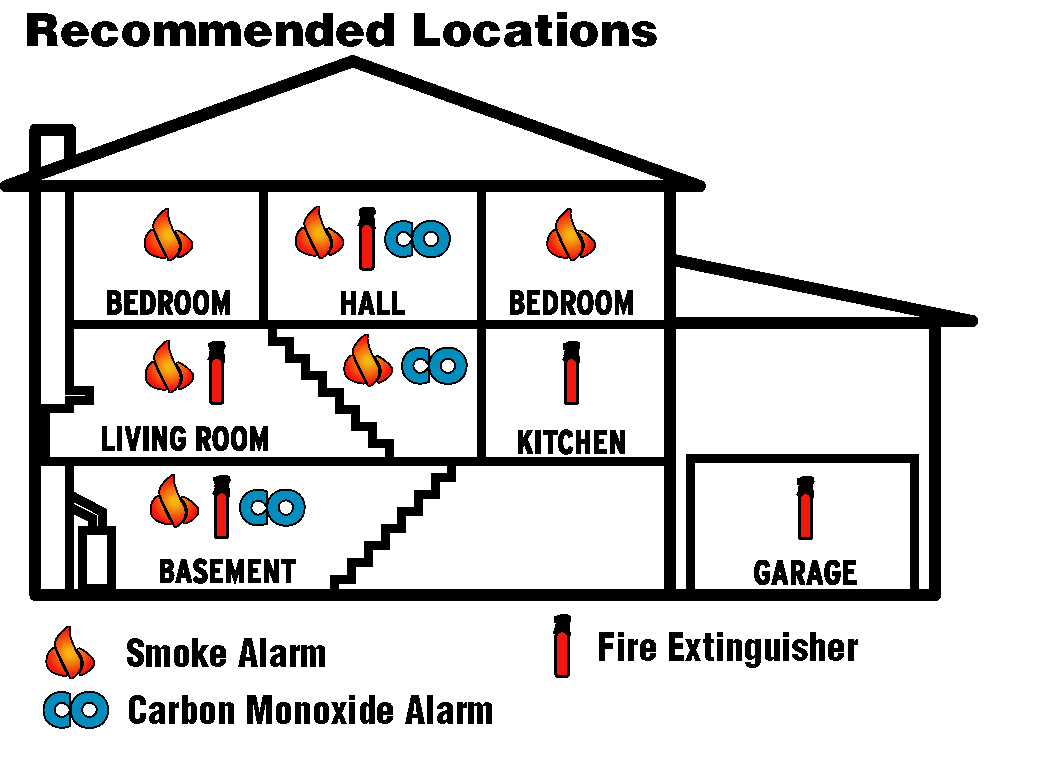
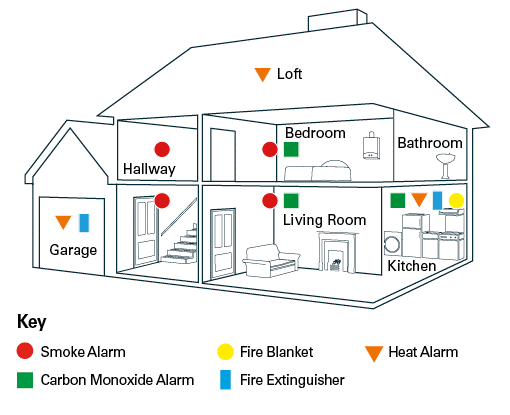
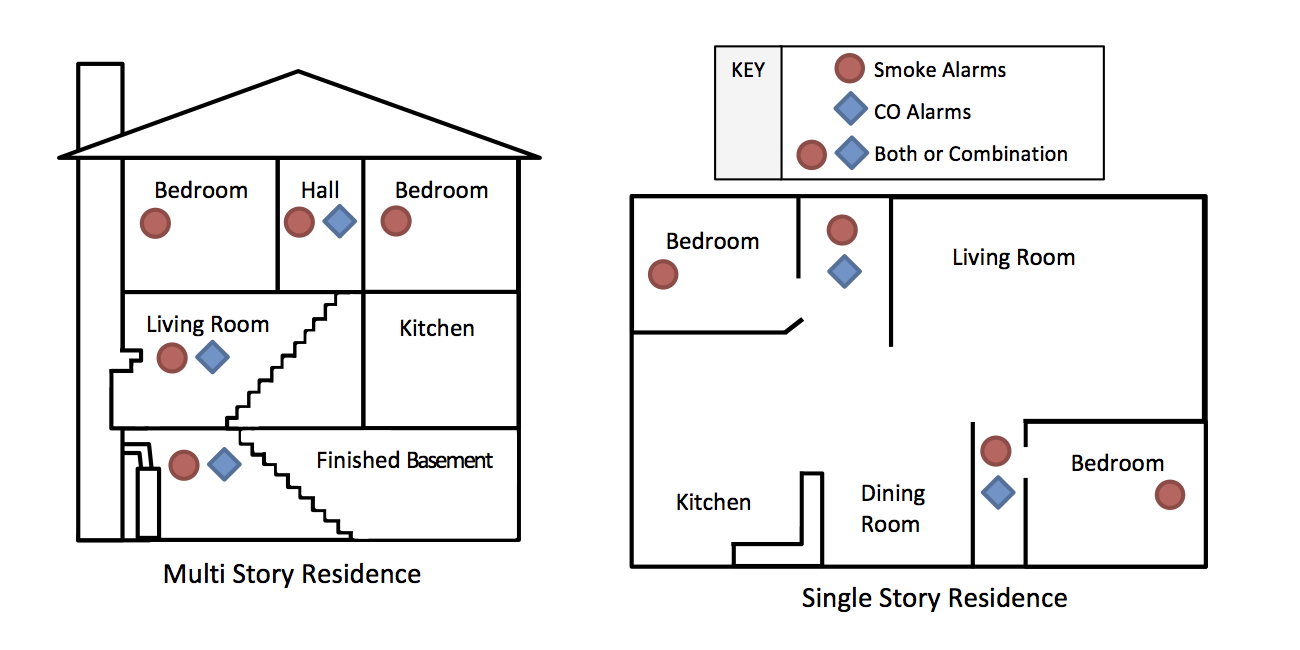
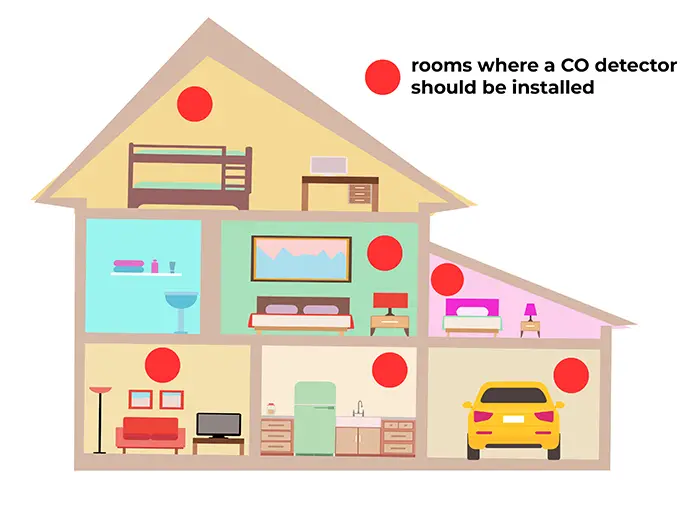
The general rule of thumb is to have at least one CO detector on every level of your home, including the basement. This ensures that you're alerted to the presence of CO, regardless of where it originates. However, several factors can influence the ideal number:
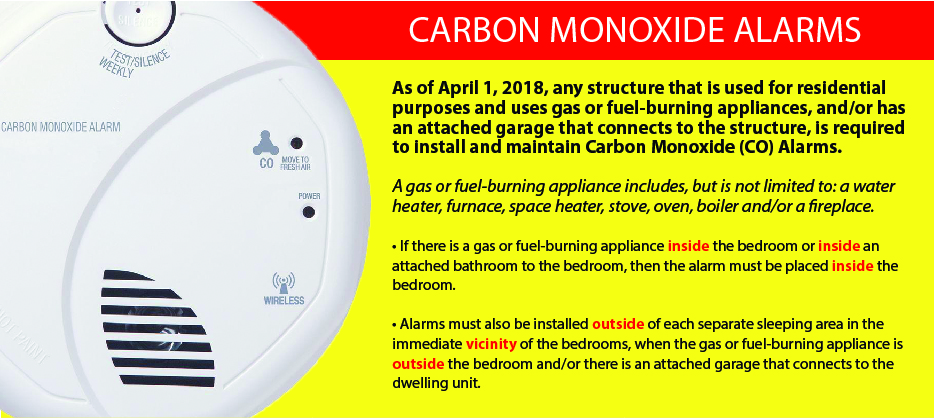
- Number of Bedrooms: At a minimum, install a CO detector outside of each sleeping area. This is vital because CO poisoning can happen while you are asleep and unaware.
- Size of the Home: Larger homes with multiple wings or detached living spaces (like converted garages) may require additional detectors to ensure adequate coverage.
- Fuel-Burning Appliances: If you have multiple fuel-burning appliances (furnaces, water heaters, stoves, fireplaces) in different areas of your home, consider installing a detector near each one.
- Local Codes: Always check your local building codes and regulations. Many municipalities have specific requirements for CO detector placement, often exceeding the minimum recommendations. These codes take into account local climate, building types, and common CO sources in your area.
In summary, aim for comprehensive coverage. Over-protecting is always better than under-protecting when it comes to carbon monoxide.
2. Where Should I Place CO Detectors? Specific Placement Guidelines
Proper placement is just as important as having enough detectors. Here are some key guidelines:
- Near Sleeping Areas: As mentioned before, place detectors outside of bedrooms, ideally in the hallway near the sleeping area. This ensures that you'll hear the alarm even if you're asleep.
- On Every Level: A detector on each level of your home, including the basement, catches CO buildup no matter where it originates.
- Distance from Fuel-Burning Appliances: Follow the manufacturer's instructions for placement near fuel-burning appliances. Generally, avoid placing them too close (within 10 feet), as brief CO releases during appliance startup can cause false alarms. However, placing them in the same room as the appliance is generally recommended, especially if the appliance is known to have potential issues.
- Height on the Wall: CO is slightly lighter than air and can accumulate near the ceiling. Install CO detectors on the wall, about 5 feet from the floor. This allows for optimal detection at breathing level. If you have to install on the ceiling, place it at least 4 inches from the wall.
- Avoid Obstructions: Do not place detectors behind furniture, curtains, or other obstructions that could block airflow and prevent them from detecting CO.
- Away from Windows and Doors: Keep detectors away from windows and doors, as drafts can dilute the CO and delay detection. Avoid placement near vents or fans that could similarly affect airflow.
- Consider Garages: If you have an attached garage, consider installing a CO detector in the adjacent living space. Cars can produce high levels of CO, and even a brief garage door opening can allow the gas to seep into the house.
- Think About Vulnerable Populations: If you have elderly residents, young children, or individuals with respiratory problems, pay extra attention to detector placement near their sleeping areas and living spaces. These populations are particularly susceptible to the effects of CO poisoning.
Always refer to the CO detector's instruction manual for specific placement recommendations. Different models may have slightly different requirements.
3. What Type of CO Detector Should I Buy?
Several types of CO detectors are available, each with its own advantages and disadvantages:
- Battery-Powered CO Detectors: These are the most common and affordable type. They are easy to install and can be placed anywhere. Remember to replace the batteries regularly (usually every six months or annually, depending on the model). Some models come with a 10-year sealed battery, eliminating the need for battery replacements during the detector's lifespan.
- Hardwired CO Detectors: These detectors are connected to your home's electrical system and often have a battery backup in case of power outages. They typically require professional installation but offer greater reliability. They are often interconnected, meaning that if one detector sounds, all the interconnected detectors will sound as well.
- Plug-In CO Detectors: These detectors plug directly into an electrical outlet. They are easy to install, but make sure the outlet is not controlled by a switch. Some models have a battery backup.
- Smart CO Detectors: These detectors connect to your home's Wi-Fi network and can send alerts to your smartphone or tablet in case of a CO emergency. They often offer additional features, such as carbon monoxide level monitoring and historical data.
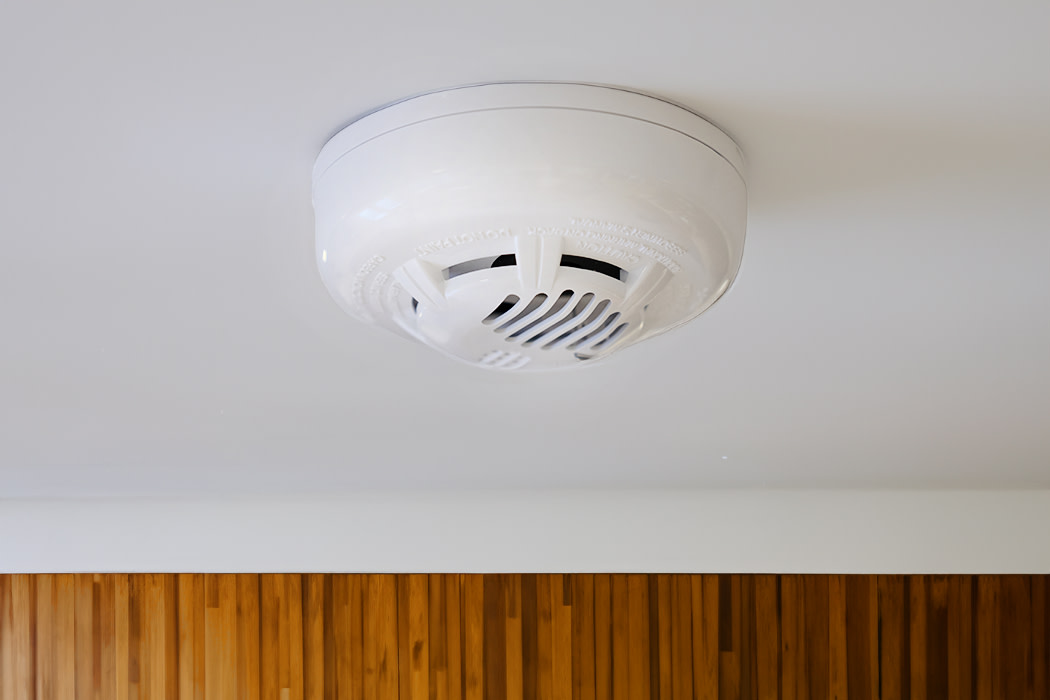
- Combination CO/Smoke Detectors: These detectors combine both CO and smoke detection into a single unit. They can be a convenient option, but make sure the placement is appropriate for both smoke and CO detection. Smoke detectors are best placed on the ceiling, while CO detectors are best placed on the wall. So, choose a location that accommodates both functions or use separate detectors.
Look for CO detectors that are certified by a reputable testing organization, such as UL (Underwriters Laboratories) or ETL (Intertek). This certification ensures that the detector meets industry safety standards.
4. How Often Should I Test and Replace My CO Detectors?
Regular testing and replacement are essential to ensure your CO detectors are functioning properly.
- Testing: Test your CO detectors at least once a month by pressing the test button. If the alarm doesn't sound, replace the batteries or the detector.
- Battery Replacement: Replace the batteries in battery-powered CO detectors at least every six months, or annually. Consider replacing them when you change your clocks for daylight saving time. Many CO detectors will chirp when the battery is low to alert you.
- Replacement: CO detectors have a limited lifespan, typically 5-10 years, depending on the model. Check the manufacturer's instructions for the expiration date. Even if the detector seems to be working fine, its sensors can degrade over time, making it less effective. Most detectors will chirp at the end of their life to indicate they need replacing. Replace all CO detectors by the expiration date, without exception.
5. What Should I Do If My CO Detector Goes Off?
A CO alarm is a serious warning that requires immediate action.
- Evacuate Immediately: Get everyone out of the house immediately. Do not try to find the source of the CO or open windows before evacuating.
- Call 911 or the Fire Department: Once you are outside, call 911 or your local fire department. Do not re-enter the house until the authorities have determined it is safe to do so.
- Seek Medical Attention: If anyone is experiencing symptoms of CO poisoning (headache, dizziness, nausea, vomiting, confusion, loss of consciousness), seek medical attention immediately.
- Do Not Ignore the Alarm: Never ignore a CO alarm, even if you don't feel sick. CO poisoning can be fatal, and prompt action can save lives.
- Investigate the Source: Once the authorities have given the all-clear, have a qualified technician inspect your fuel-burning appliances to identify and repair the source of the CO leak.
6. Can I Have Too Many CO Detectors?
While there is no definitive "too many" regarding CO detectors, you should focus on strategic placement rather than excessive quantity. Having too many detectors clustered in one area may not be as effective as having them distributed throughout the house in key locations. The goal is comprehensive coverage, not simply maximizing the number of devices. Avoid placing detectors in areas where they are likely to give false alarms, such as near cooking appliances (unless the instructions advise to do so) or in extremely humid environments. A well-planned and executed placement strategy using the appropriate number of detectors for your home is far more effective than indiscriminately placing numerous devices.
7. Are There Specific Recommendations for Apartments or Condos?
Yes, there are specific considerations for apartments and condos:
- Shared Walls: Because CO can seep through walls, it's crucial to have detectors even if you don't have fuel-burning appliances in your unit. CO could be entering from a neighboring unit.
- Building-Wide Systems: Check with your building management to see if there are building-wide CO detection systems in place. Even if there are, it's still advisable to have your own detectors within your unit for added protection.
- Placement Considerations: Apply the same placement guidelines as for single-family homes: one detector on each level, outside sleeping areas, and near any potential CO sources within your unit (e.g., gas stove, water heater).
- Maintenance Responsibilities: Clarify with your landlord who is responsible for maintaining the CO detectors (testing, battery replacement, and overall maintenance). Even if the landlord is responsible, it's a good idea to monitor the detectors yourself to ensure they are functioning correctly.
- Interconnected Systems: In some apartment buildings, CO detectors are interconnected, so an alarm in one unit will trigger alarms in other units. This is a beneficial safety feature.
In summary, apartment and condo dwellers should take CO detection very seriously and ensure adequate protection for themselves and their neighbors.