How Many Gpm Does A Washing Machine Use

Understanding the water consumption of your washing machine is essential for water conservation, managing your utility bills, and making informed decisions when purchasing a new appliance. This guide provides a comprehensive overview of how many gallons per minute (GPM) a washing machine typically uses, the factors influencing water usage, and ways to reduce your water consumption during laundry.
What is GPM and Why Does it Matter?
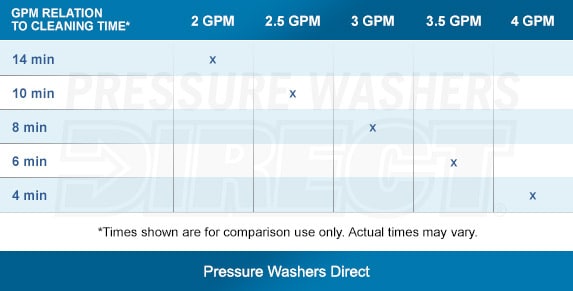
GPM, or gallons per minute, is a measurement of the volume of water flowing out of a source (like a faucet or washing machine) in one minute. It's a key indicator of water usage and can directly impact your water bill. Knowing the GPM of your appliances helps you estimate your overall water consumption and identify areas where you can save water.
Why GPM Matters:
- Cost: Higher GPM means higher water bills.
- Water Conservation: Understanding GPM helps you conserve water.
- Appliance Choice: Comparing GPM ratings guides informed purchasing decisions.
- Well Systems: Important for homes with wells to ensure adequate water supply.
Average GPM of Washing Machines
The GPM of a washing machine varies depending on its type, age, and settings. However, we can establish some general averages.
Traditional Top-Load Washers:
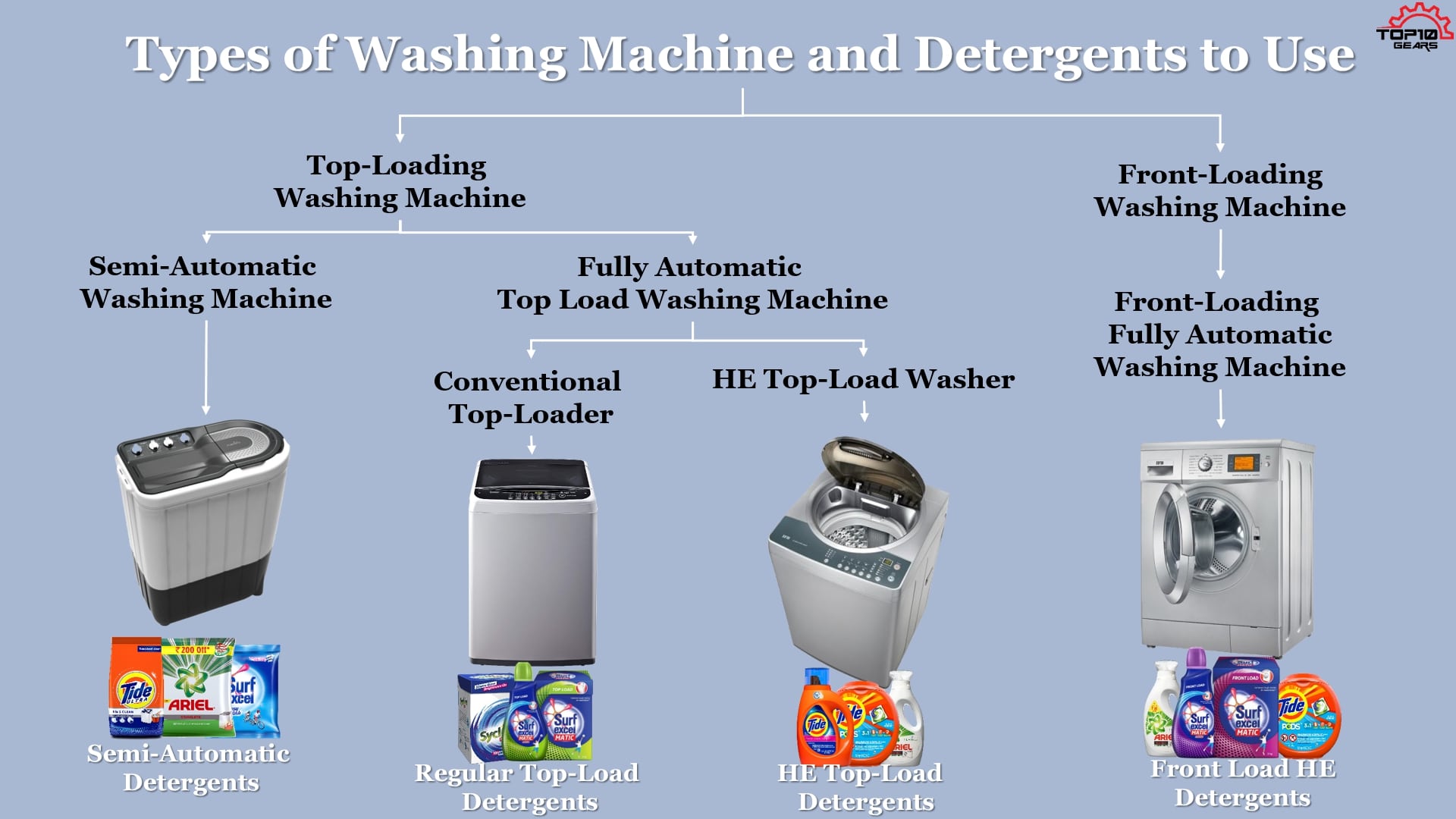
Traditional top-load washers, also known as conventional washers, are generally less water-efficient than newer models. They typically use a significant amount of water to fill the entire tub during each wash and rinse cycle.
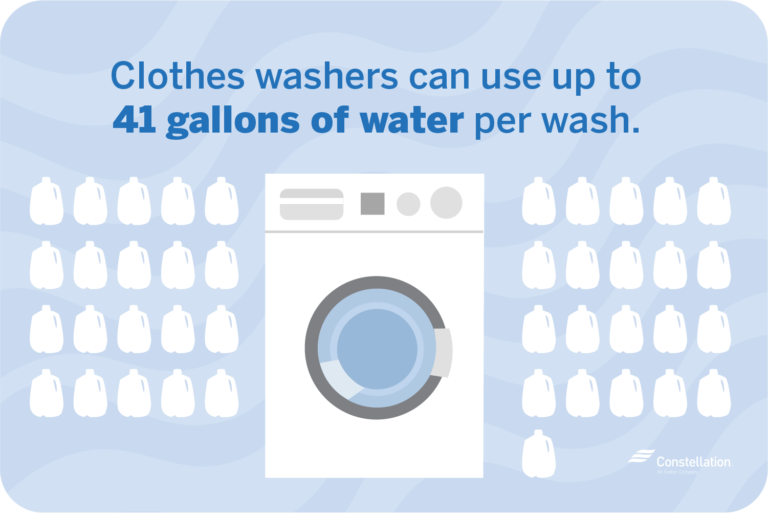
Average GPM: A traditional top-load washer might use between 8 to 12 GPM during its fill cycles. However, because these washers don't continuously use water during the whole cycle, the overall average water usage is often expressed in gallons per cycle rather than GPM. They may use 30 to 45 gallons per cycle.
High-Efficiency (HE) Top-Load Washers:
HE top-load washers use advanced technology to clean clothes with less water. They often use impellers or wash plates instead of a central agitator, which allows for larger load capacity and more efficient cleaning.
Average GPM: HE top-load washers generally use between 4 to 7 GPM during their fill cycles. Similar to traditional top-load washers, the overall water use is better measured in gallons per cycle, which is typically between 15 to 25 gallons.
Front-Load Washers:
Front-load washers are renowned for their water efficiency. They use a tumbling action to clean clothes, requiring much less water than top-load models. They are generally considered the most water and energy-efficient type of washing machine.
Average GPM: Front-load washers typically use between 2 to 4 GPM during their fill cycles. Again, focusing on gallons per cycle, a front-load washer may use only 10 to 15 gallons per cycle. This significant reduction in water usage translates into substantial savings on your water bill over time.
Factors Affecting Washing Machine GPM
Several factors can influence the actual GPM your washing machine uses. Understanding these factors can help you optimize your washing machine's performance and reduce water consumption.
Load Size:
The amount of laundry you're washing directly impacts the amount of water used. Larger loads require more water to ensure proper cleaning. Some washing machines have automatic load-sensing features that adjust the water level accordingly, but older models may require you to manually select the water level.
Tip: Always try to wash full loads (but not overloaded) to maximize water efficiency. Overloading can reduce cleaning effectiveness and potentially damage the machine.
Wash Cycle Selection:
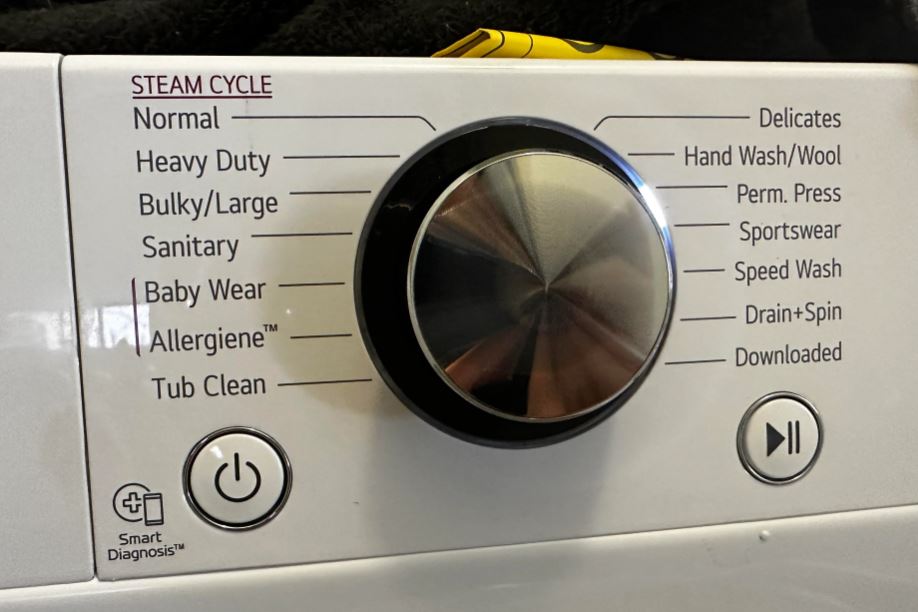
Different wash cycles are designed for different types of fabrics and soil levels. Heavy-duty cycles typically use more water and longer wash times than delicate or quick wash cycles. Selecting the appropriate cycle for your laundry needs can help minimize water usage.
Tip: Use the delicate or quick wash cycles for lightly soiled items to conserve water.
Water Level Setting:
In older or less sophisticated models, you often have the option to manually select the water level. Choosing a higher water level than necessary wastes water. If your machine has an automatic water level setting, use it to ensure the optimal amount of water is used for each load.
Tip: Opt for automatic water level settings whenever possible.
Machine Age and Technology:
Older washing machines are generally less water-efficient than newer models. Modern HE washing machines incorporate advanced technologies to reduce water consumption, such as load sensing, optimized spray patterns, and efficient draining systems. Upgrading to a newer model can significantly reduce your water usage.
Analogy: Think of it like cars. A classic car might look cool, but a modern hybrid is far more fuel-efficient.
Water Pressure:
While not directly controlling the *amount* of water used per cycle, your home's water pressure can impact the *rate* at which the machine fills. Higher water pressure might result in a higher instantaneous GPM during the fill cycle, but the overall water usage per cycle remains relatively the same, dictated by the machine's settings.
How to Calculate Your Washing Machine's Water Usage
While the GPM gives an instantaneous reading, calculating the total water used *per cycle* is more helpful. Here's how to estimate your washing machine's water usage:
- Check the Manufacturer's Specifications: The most accurate information is usually found in the owner's manual or on the manufacturer's website. Look for the "water consumption per cycle" specification.
- Use a Water Meter: You can monitor your water meter while the washing machine is running to see how much water is used during a complete cycle. Note the meter reading before and after the cycle, and the difference is the water used.
- Estimate Based on Machine Type: Use the average gallons per cycle figures mentioned earlier as a rough estimate if you can't find specific data:
- Traditional Top-Load: 30-45 gallons
- HE Top-Load: 15-25 gallons
- Front-Load: 10-15 gallons
Tips to Reduce Washing Machine Water Consumption
Reducing your washing machine's water consumption is beneficial for both your wallet and the environment. Here are some practical tips to conserve water during laundry:
Wash Full Loads:
As mentioned earlier, washing full loads (without overloading) is the most effective way to maximize water efficiency. Avoid washing small loads unless absolutely necessary.
Use the Correct Wash Cycle:
Select the appropriate wash cycle for the type of fabric and soil level. Using gentler cycles for lightly soiled items can significantly reduce water and energy consumption.
Upgrade to a High-Efficiency (HE) Washing Machine:
If you have an older, less efficient washing machine, consider upgrading to a newer HE model. HE washers use significantly less water and energy than traditional models, leading to substantial long-term savings.
Check for Leaks:
Regularly inspect your washing machine's hoses and connections for leaks. Even small leaks can waste a considerable amount of water over time. Repair any leaks promptly.
Use Cold Water:
Washing clothes in cold water can save energy and reduce your carbon footprint. Modern detergents are designed to be effective in cold water, so you don't necessarily need hot water for most loads.
Consider a Greywater System:
For more advanced water conservation, explore the possibility of installing a greywater system. This system allows you to reuse water from your washing machine (and other sources like showers and sinks) for non-potable purposes such as watering your lawn or flushing toilets.
Conclusion
Understanding the GPM and overall water usage of your washing machine is crucial for effective water management and cost savings. By considering the factors that influence water consumption, making informed purchasing decisions, and implementing water-saving practices, you can significantly reduce your environmental impact and lower your utility bills. Remember to regularly maintain your washing machine to ensure optimal performance and prevent water wastage. Choosing an energy star certified appliance will also help ensure water and energy efficiency.