How Many Mini Split Zones Do I Need

Choosing the right HVAC system is crucial for comfort, efficiency, and cost savings. When it comes to ductless systems, the question often arises: How many mini-split zones do I need? This article delves into the factors influencing this decision, provides insights for aspiring and experienced HVAC professionals, and offers guidance for employers in the HVAC industry.
Understanding Mini-Split Systems and Zonal Heating/Cooling
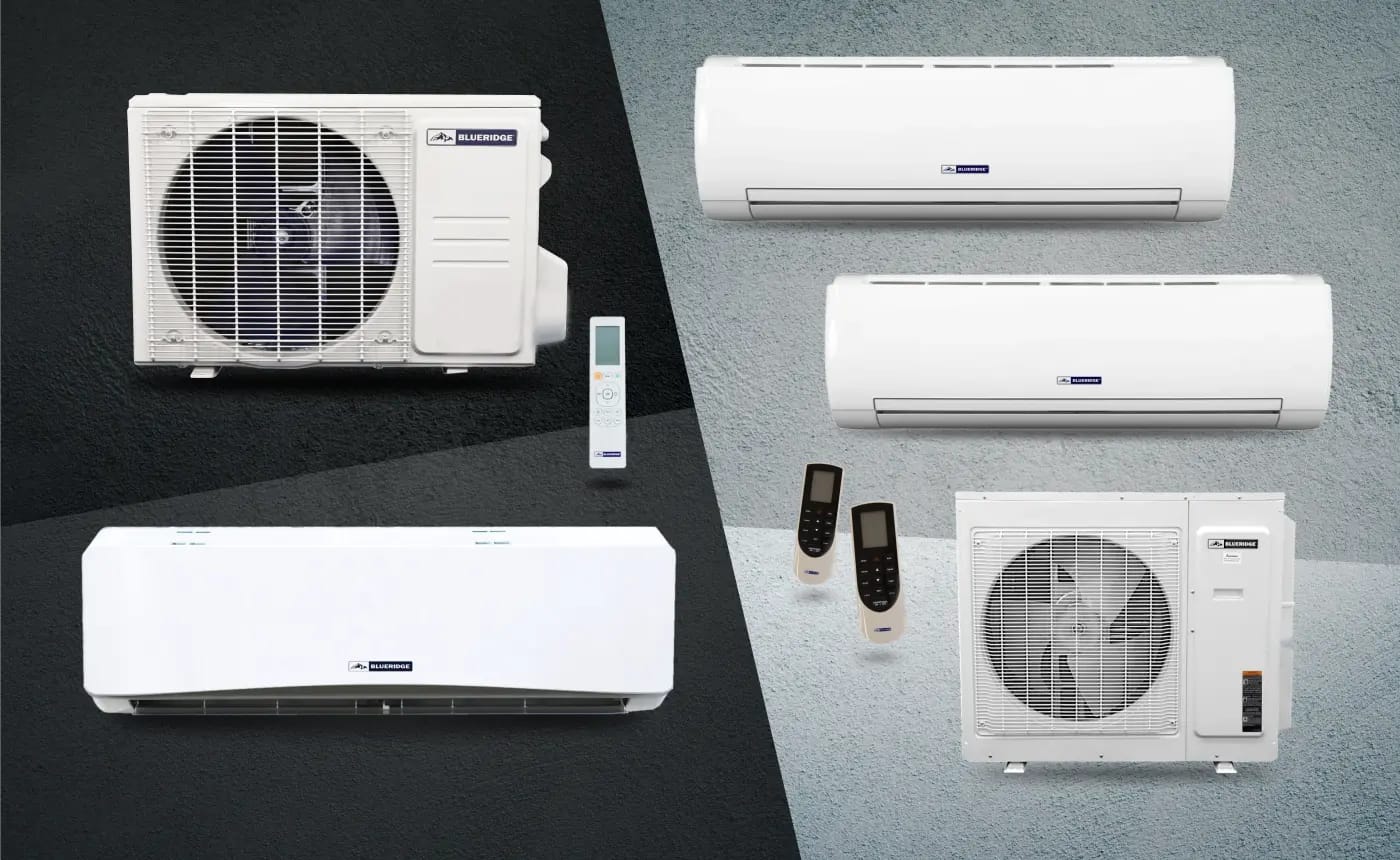
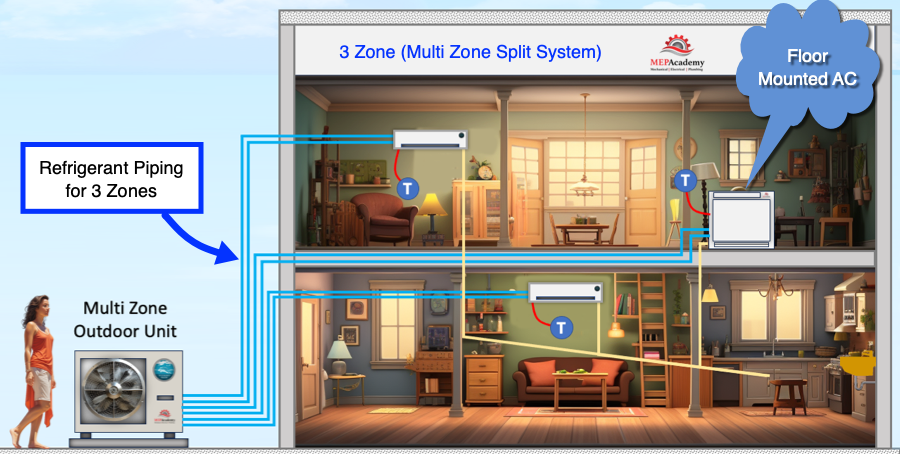
Mini-split systems, also known as ductless systems, are a popular alternative to traditional central air conditioning and heating. They consist of an outdoor compressor/condenser unit and one or more indoor air handlers. Unlike ducted systems, mini-splits deliver conditioned air directly into a room or "zone," offering the advantage of individualized temperature control. This zonal approach can lead to significant energy savings and improved comfort.
What is a Zone?
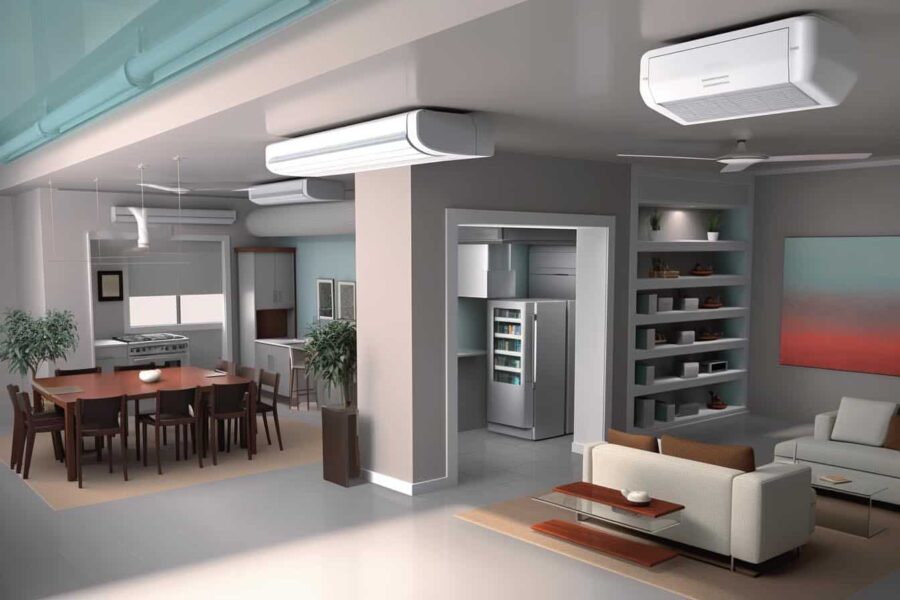
In the context of mini-splits, a zone refers to a distinct area within a building that is independently heated or cooled. Each indoor air handler in a mini-split system controls the temperature of its designated zone. For example, a living room, a bedroom, and a home office could each be considered separate zones.
Factors Determining the Number of Zones
Determining the optimal number of mini-split zones depends on several factors:
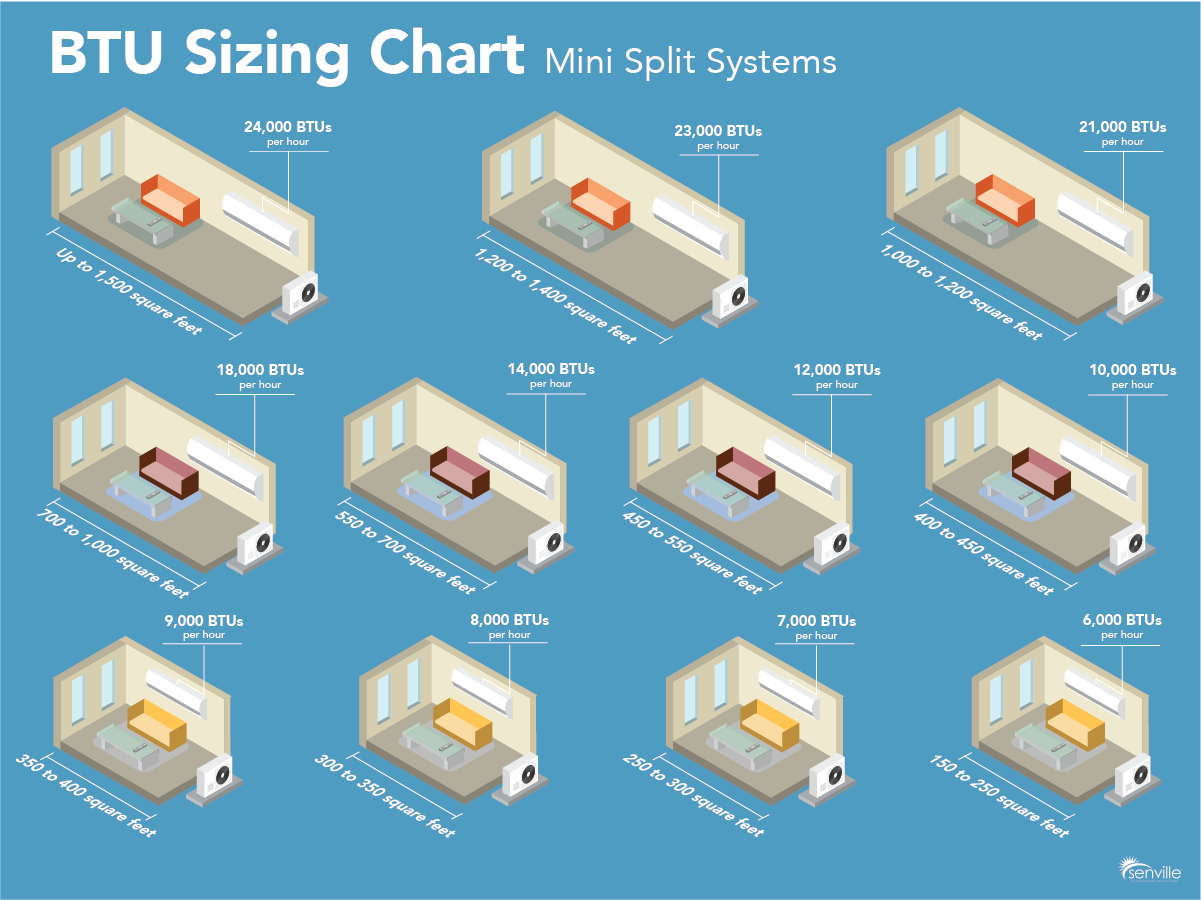
- Building Size and Layout: The square footage of your home or building is a primary consideration. Larger spaces may require more zones to ensure even temperature distribution. The layout also matters; open-concept designs may require fewer zones than buildings with numerous small, enclosed rooms.
- Occupancy Patterns: Consider which rooms are used most frequently and at what times. For example, if you primarily use the living room during the evenings and bedrooms at night, you might prioritize zoning for these areas. Unoccupied rooms can remain unconditioned, saving energy.
- Insulation and Windows: Poorly insulated rooms or those with many windows will lose or gain heat more rapidly, potentially requiring a dedicated zone to maintain consistent temperature. Pay close attention to rooms with significant solar exposure.
- Personal Preferences: Individuals have different temperature preferences. Zonal systems allow occupants to customize the temperature in their own spaces, leading to greater comfort and satisfaction.
- Budget: The cost of a mini-split system increases with the number of zones. Balancing comfort needs with budget constraints is essential.
The Goldilocks Principle: Avoiding Too Few or Too Many Zones
While the flexibility of mini-splits is a major draw, it's important to avoid extremes. Too few zones can result in uneven temperature distribution and negate the energy-saving benefits. Conversely, too many zones can lead to excessive upfront costs and potentially complex system management.
A common mistake is underestimating the heat load of a room with large windows, especially those facing south or west. These rooms can experience significant temperature fluctuations throughout the day and may require a dedicated, higher-capacity unit.
Real-World Examples
Let's consider a few scenarios:
- Small Apartment (600 sq ft): A single-zone mini-split might be sufficient for an open-concept apartment. However, if there's a separate bedroom, a two-zone system could provide better comfort.
- Two-Story House (2000 sq ft): A multi-zone system is typically recommended for two-story homes. A separate zone for each floor, plus individual zones for frequently used rooms like the living room and bedrooms, can provide optimal comfort and efficiency.
- Commercial Office Space (5000 sq ft): In a commercial setting, zoning is often dictated by office layout and occupancy. Individual offices, conference rooms, and common areas may each require a dedicated zone.
Career Opportunities in Mini-Split Installation and Maintenance
The growing popularity of mini-split systems has created significant opportunities for HVAC professionals. Skilled technicians are needed for installation, maintenance, and repair. Specializing in ductless systems can be a valuable career path.
Skills and Certifications
To excel in this field, HVAC professionals should possess the following skills and certifications:
- EPA 608 Certification: Required for handling refrigerants. The EPA 608 certification has different levels (Type I, Type II, Type III, and Universal), depending on the type of equipment serviced.
- NATE Certification: North American Technician Excellence (NATE) certification demonstrates competence in HVAC installation and service. While not always mandatory, it's highly regarded by employers and customers.
- Manufacturer-Specific Training: Many mini-split manufacturers offer training programs on their specific products. These programs can provide valuable hands-on experience and product knowledge.
- Electrical Knowledge: A strong understanding of electrical systems is essential for troubleshooting and repairing mini-split units.
- Troubleshooting Skills: Diagnosing and resolving issues with mini-split systems requires excellent troubleshooting skills.
Job Outlook and Salary
The job outlook for HVAC technicians is projected to grow 6 percent from 2022 to 2032, about as fast as the average for all occupations, according to the Bureau of Labor Statistics. This growth is driven by increasing demand for energy-efficient heating and cooling systems, including mini-splits.
The median annual wage for HVAC mechanics and installers was $51,390 in May 2022. The highest 10 percent earned more than $83,350. Salaries can vary depending on experience, location, and specialization. Technicians specializing in mini-split systems, particularly those with advanced certifications, may command higher wages.
Guidance for HVAC Employers
Employers in the HVAC industry can benefit from the growing demand for mini-split systems by investing in training for their technicians and targeting recruitment efforts towards individuals with relevant skills and certifications.
Hiring Strategies
When hiring HVAC technicians, consider the following:
- Prioritize Certified Candidates: NATE and EPA 608 certifications are strong indicators of competence.
- Offer Competitive Wages and Benefits: Attract and retain top talent by offering competitive compensation packages.
- Provide Ongoing Training: Invest in training programs to keep your technicians up-to-date on the latest technologies and best practices.
- Promote a Culture of Safety: Emphasize safety protocols and provide technicians with the necessary equipment and training to work safely.
Investing in Training
Investing in training is essential for staying ahead of the curve in the HVAC industry. Encourage technicians to pursue certifications, attend workshops, and participate in manufacturer-specific training programs. Offering tuition reimbursement or paying for certification exams can be a valuable employee benefit.
Mini-Split Installation Best Practices
Proper installation is crucial for the performance and longevity of mini-split systems. Here are some key best practices:
- Accurate Load Calculations: Perform accurate load calculations to determine the appropriate size of the mini-split unit for each zone.
- Proper Placement of Air Handlers: Position air handlers in locations that provide optimal airflow and temperature distribution. Avoid placing them behind furniture or in areas with obstructed airflow.
- Secure Mounting: Ensure that both the indoor and outdoor units are securely mounted and properly leveled.
- Correct Refrigerant Piping: Follow manufacturer's instructions for refrigerant piping, including proper sizing, insulation, and leak testing.
- Proper Electrical Connections: Make sure all electrical connections are properly wired and grounded.
- Thorough Testing: After installation, thoroughly test the system to ensure that it is operating correctly and efficiently.
Troubleshooting Common Mini-Split Issues
Even with proper installation, mini-split systems can experience issues over time. Common problems include:
- Refrigerant Leaks: Check for leaks at fittings and connections.
- Dirty Filters: Regularly clean or replace air filters to maintain airflow and prevent coil freeze-up.
- Frozen Coils: Frozen coils can be caused by low refrigerant levels, dirty filters, or malfunctioning fans.
- Compressor Problems: Compressor issues can range from starting problems to complete failure.
- Electrical Issues: Electrical problems can include blown fuses, faulty wiring, or malfunctioning components.
By understanding the factors influencing the number of mini-split zones needed, and by investing in training and best practices, HVAC professionals and employers can capitalize on the growing demand for these efficient and versatile systems.
The future of HVAC is leaning towards smart, efficient, and zoned solutions. Mastering the intricacies of mini-split systems is not just a skillset; it's an investment in a sustainable and comfortable future.