How Many Square Feet Does A Mini Split Cool
Understanding Mini-Split Cooling Capacity: A Comprehensive Guide
Mini-split systems, also known as ductless mini-splits, are gaining popularity as efficient and versatile heating and cooling solutions. But before you invest, understanding their cooling capacity and how it relates to your space is crucial. This guide will break down the factors influencing a mini-split's coverage area, helping you choose the right system for your needs.
Key Factors Determining Mini-Split Cooling Capacity
The cooling capacity of a mini-split is measured in British Thermal Units (BTUs). A BTU represents the amount of energy required to raise the temperature of one pound of water by one degree Fahrenheit. The higher the BTU rating, the more powerful the unit and the larger the area it can effectively cool. However, determining the correct BTU requirement isn't as simple as matching square footage.
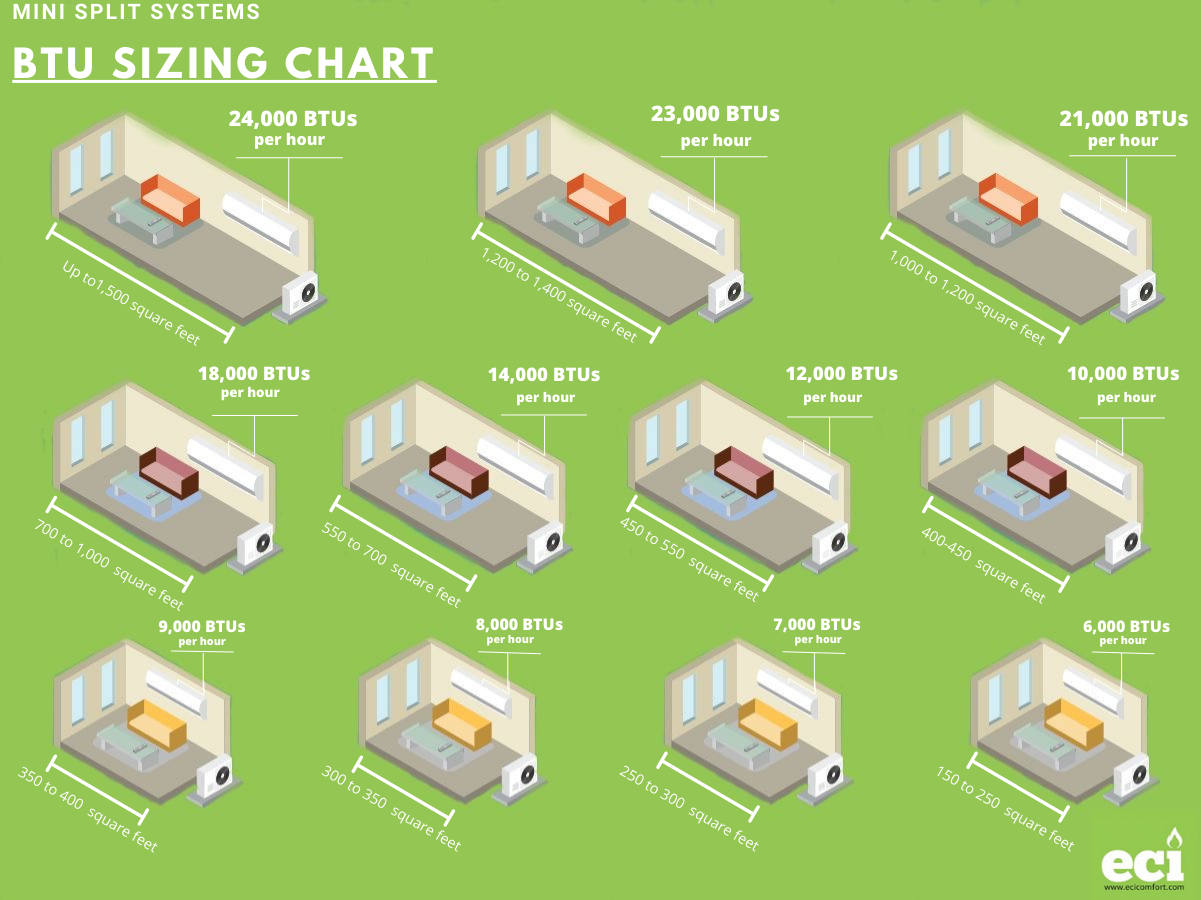
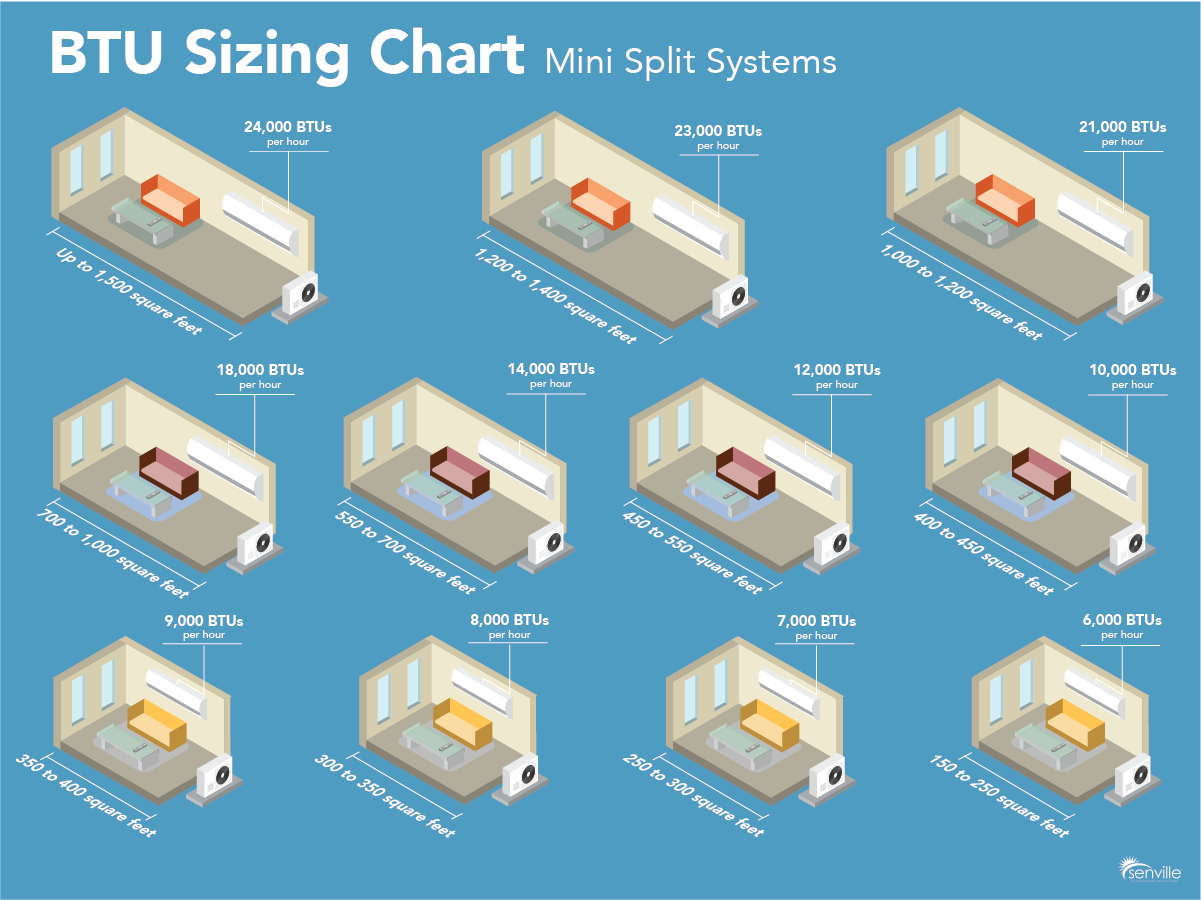
- Square Footage: This is the most basic factor. A general rule of thumb is that a 6,000 BTU mini-split can cool approximately 250-300 square feet, while a 12,000 BTU unit can handle 450-550 square feet. However, this is just a starting point.
- Climate: Hotter climates demand higher BTU ratings. Homes in Arizona or Florida, for instance, will need more powerful systems than those in more temperate regions.
- Insulation: Poor insulation allows heat to enter more easily, requiring a more powerful unit to maintain a comfortable temperature. Consider upgrading your insulation before investing in a mini-split system.
- Ceiling Height: Rooms with high ceilings have a larger volume of air to cool, requiring a higher BTU rating.
- Sun Exposure: Rooms with significant sun exposure, especially south-facing rooms, will heat up faster and require more cooling power.
- Number of Occupants: More people generate more body heat, adding to the cooling load.
- Heat-Generating Appliances: Kitchens with ovens and other heat-producing appliances require significantly more cooling power. Even computers and televisions can contribute to the heat load.
- Window Type and Size: Single-pane windows are less efficient at blocking heat than double-pane or low-E windows. Larger windows also allow more heat to enter.
Estimating Your Cooling Needs: A Step-by-Step Approach
A more accurate way to determine your cooling needs involves performing a heat load calculation. While a professional HVAC technician can provide the most precise assessment, you can estimate your requirements using the following steps:
- Calculate Square Footage: Measure the length and width of the room you want to cool and multiply them together.
- Base BTU Calculation: Start with 20 BTUs per square foot as a baseline.
- Adjust for Factors:
- Climate: Add 10-20% for very hot climates.
- Insulation: Add 10-15% for poor insulation.
- Ceiling Height: Add 10% for ceilings over 8 feet.
- Sun Exposure: Add 10-15% for rooms with significant sun exposure.
- Number of Occupants: Add 400 BTUs per person.
- Heat-Generating Appliances: Add 1,000 BTUs for kitchens.
- Total BTU Requirement: Multiply the square footage by the adjusted BTU per square foot figure.
Example: A 400 square foot room with average insulation, 8-foot ceilings, moderate sun exposure, and two occupants. Base BTU = 400 sq ft * 20 BTU/sq ft = 8,000 BTU. Add 10% for sun exposure (800 BTU) and 800 BTU for the occupants. Total = 9,600 BTU. A 12,000 BTU mini-split would be appropriate in this case.
Mini-Split Features and Benefits
Beyond cooling capacity, mini-splits offer a range of features that make them an attractive option:
- Zoned Cooling: Cool only the rooms you're using, saving energy and money.
- Energy Efficiency: Many mini-splits have high SEER (Seasonal Energy Efficiency Ratio) and HSPF (Heating Seasonal Performance Factor) ratings, indicating excellent energy efficiency. Look for models with SEER ratings above 15 for optimal savings.
- Quiet Operation: Mini-splits are generally much quieter than window units.
- Easy Installation: Relatively easy to install compared to central air systems, though professional installation is still recommended.
- Heating and Cooling: Many mini-splits offer both heating and cooling capabilities, making them a year-round solution.
- Smart Features: Some models offer smart features like Wi-Fi connectivity and smartphone control.
Popular Mini-Split Brands and Models
Several reputable brands offer high-quality mini-split systems. Here are a few popular options:
- Mitsubishi Electric: Known for their reliability and advanced technology. The Mitsubishi Mr. Slim series is a popular choice.
- Daikin: A global leader in HVAC technology, offering a wide range of mini-split systems.
- LG: Offers stylish and feature-rich mini-splits, including models with Wi-Fi connectivity.
- Fujitsu: Known for their energy-efficient and quiet operation.
- Gree: A more affordable option, offering a good balance of performance and price.
When comparing models, pay attention to the SEER, HSPF, and noise levels. Also, consider the warranty offered by the manufacturer.
Pricing and Installation Costs
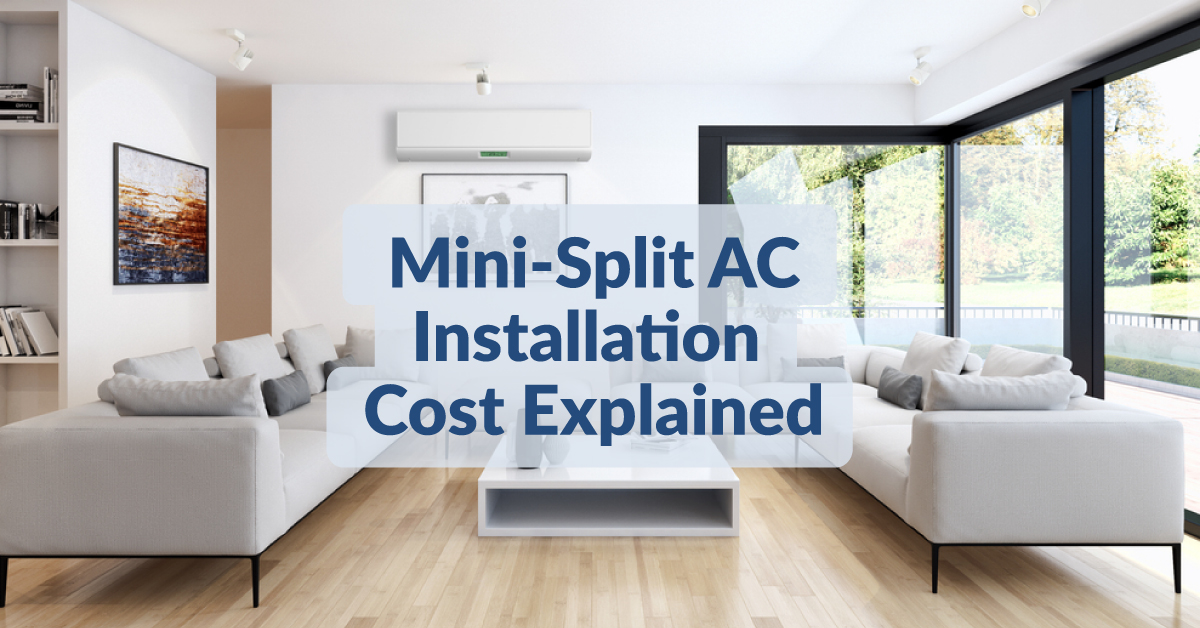
The cost of a mini-split system can vary depending on the brand, BTU rating, features, and the number of indoor units. A single-zone system (one outdoor unit and one indoor unit) can range from $1,500 to $4,000, including installation. Multi-zone systems, which can cool multiple rooms, will be more expensive.
Installation costs typically range from $500 to $1,500 per indoor unit, depending on the complexity of the installation. It's crucial to hire a qualified HVAC technician to ensure proper installation and avoid potential problems.
Warranties and Maintenance
Most mini-split systems come with a manufacturer's warranty, typically covering parts for 5-7 years and the compressor for 7-10 years. Be sure to register your system to activate the warranty.
Regular maintenance is essential to keep your mini-split system running efficiently and prolong its lifespan. This includes:
- Cleaning the air filters: Clean or replace the air filters every month or two.
- Cleaning the outdoor unit: Remove any debris, leaves, or grass from the outdoor unit.
- Inspecting the refrigerant lines: Check for leaks or damage.
- Professional maintenance: Schedule a professional tune-up annually.
Pros and Cons of Mini-Split Systems
Pros:
- Energy efficient
- Zoned cooling
- Quiet operation
- Easy installation (compared to central air)
- Heating and cooling capabilities
Cons:
- Higher upfront cost than window units
- Requires professional installation
- Can be aesthetically unappealing to some
Making the Right Choice
Choosing the right mini-split system involves carefully considering your cooling needs, budget, and preferences. By understanding the factors that influence cooling capacity and comparing different brands and models, you can make an informed decision and enjoy efficient and comfortable cooling for years to come.
Always consult with a qualified HVAC technician to determine the best system for your specific needs and to ensure proper installation. They can perform a detailed heat load calculation and recommend the appropriate BTU rating for your home.