How Many Steps Are In The Zone Control System

Ever woken up sweating in one room while another is freezing? A malfunctioning zone control system can be a real headache. These systems are designed to provide targeted heating and cooling, making your home more comfortable and energy-efficient. When they fail, it usually means one or more zones aren't getting the right temperature. Let's walk through a systematic approach to identify and (hopefully) fix the issue. Remember, your safety is paramount. If at any point you feel uncomfortable or unsure, especially when dealing with electricity or gas, call a qualified HVAC technician.
Understanding Zone Control Systems: The Basic Steps
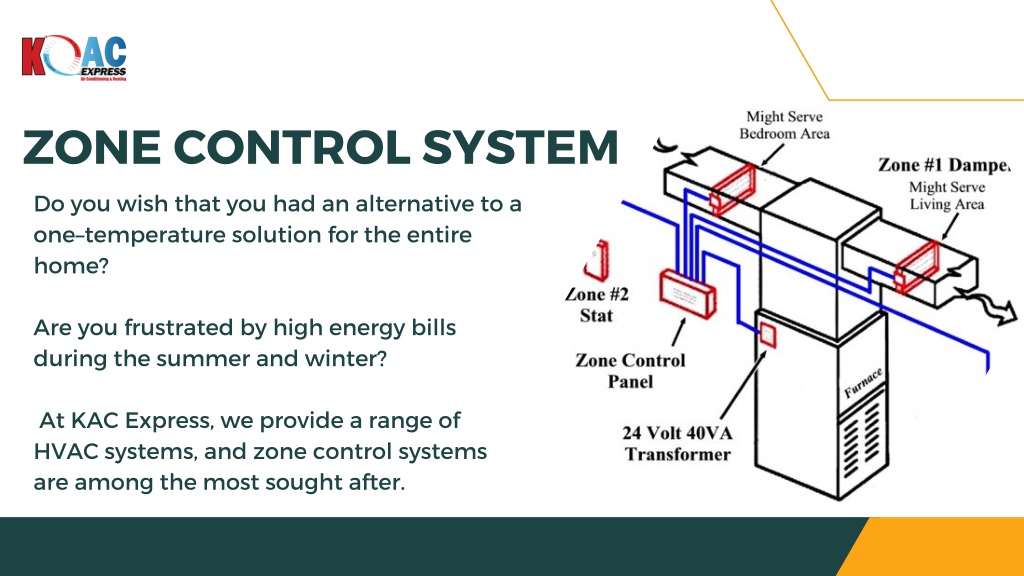
Before we dive into troubleshooting, let's quickly review how a zone control system typically works. Understanding the flow of command helps pinpoint where things might be going wrong. We can break down the process into approximately five key steps:
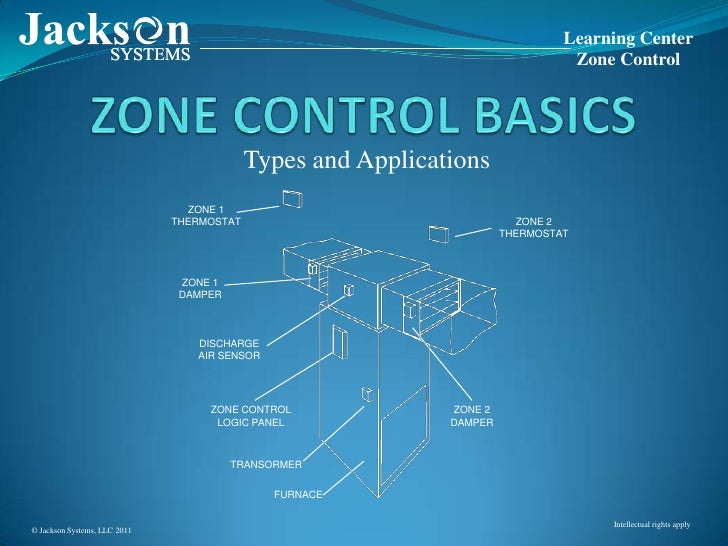
- Thermostat Request: Each thermostat in your home (one for each zone) independently senses the temperature and, if needed, sends a request for heating or cooling to the zone control panel.
- Zone Control Panel Processing: The control panel receives these requests and determines which zones need heating or cooling. It acts as the "brain" of the system.
- Damper Activation: Based on the panel's decisions, it signals motorized dampers within the ductwork to open or close. Opened dampers allow conditioned air to flow to specific zones.
- HVAC Unit Activation: The zone control panel tells your furnace or air conditioner to turn on and start producing heated or cooled air. This is often where a single HVAC unit services multiple zones.
- Air Distribution: Conditioned air flows through the open dampers to the appropriate zones, adjusting the temperature until the thermostats are satisfied, and the cycle begins again.
Troubleshooting: A Step-by-Step Guide
Now, let's tackle the most common issues you might encounter with your zone control system. We'll break it down step by step:
Step 1: Check the Thermostats
The thermostat is the first point of contact, so ensuring it's functioning correctly is crucial.
- Power: Are the thermostats powered on? Check the batteries (if applicable) and replace them if needed. A low battery can cause erratic behavior. Even if the display is lit, low batteries can prevent proper communication.
- Settings: Verify the thermostat is set to the correct mode (heat, cool, auto) and the desired temperature. Someone might have inadvertently changed the settings.
- Program: If the thermostat is programmable, ensure the schedule is correctly set and not overriding your desired temperature.
- Wiring (Proceed with Caution): If you're comfortable and confident working with low-voltage wiring, carefully inspect the thermostat wiring. Make sure all wires are securely connected to their terminals. Loose connections are a common culprit. Before touching any wires, turn off the power to the HVAC system at the breaker box. If you see any frayed or damaged wires, it's best to call a professional.
- Test: Try manually increasing or decreasing the temperature setting significantly to see if the HVAC system responds in that zone.
Step 2: Inspect the Zone Control Panel
The control panel is the central hub of the system. Identifying its location is the first step; it is often near the HVAC unit or in a utility closet.
- Power: Ensure the control panel is receiving power. Look for a small LED indicator light – if it's off, check the circuit breaker.
- Fuses: Many control panels have small fuses that protect the internal circuitry. Check for blown fuses and replace them with the correct amperage rating. The amperage rating is usually printed near the fuse.
- Wiring: Visually inspect the wiring connections on the control panel. Ensure all wires are securely connected. Again, turn off the power at the breaker before inspecting wiring.
- Error Codes: Some control panels display error codes that can provide valuable clues about the problem. Consult the manufacturer's manual to decipher the meaning of any error codes.
- Manual Override: Some panels have a manual override switch. Use this with caution. If the override works (forcing all zones open or closed), it indicates the control panel or thermostat might be the issue.
Step 3: Check the Dampers
Dampers control the airflow to each zone. If a damper is stuck, that zone won't receive the correct heating or cooling.
- Location: Dampers are typically located in the ductwork, often near where the duct branches off to each zone. Accessing them might require removing an access panel.
- Visual Inspection: Inspect the damper motor and linkage. Look for any signs of damage, such as broken wires or loose connections.
- Manual Operation (If Possible): Some dampers have a manual override lever. Try manually opening and closing the damper to see if it moves freely. If it's stuck, the motor may be faulty.
- Power (Motorized Dampers): Check if the damper motor is receiving power. You may need a multimeter to test the voltage. If you're not comfortable using a multimeter, call a professional. Testing live electrical components can be dangerous.
- Listen: When the system calls for heating or cooling in a specific zone, listen near the dampers. You should hear a whirring sound as the damper motor opens or closes. If you don't hear anything, the motor might be faulty.
Step 4: Evaluate the HVAC Unit
Sometimes, the problem isn't with the zone control system itself, but with the furnace or air conditioner.
- Power: Ensure the HVAC unit is receiving power. Check the circuit breaker.
- Air Filter: A dirty air filter can restrict airflow and cause the system to malfunction. Replace the air filter regularly (every 1-3 months).
- Pilot Light (Gas Furnaces): If you have a gas furnace, check the pilot light. If it's out, relight it according to the manufacturer's instructions. If you smell gas, do not attempt to light the pilot light. Leave the area immediately and call your gas company.
- Blower Motor: Listen to the blower motor. Is it running smoothly? Unusual noises could indicate a problem.
- Condenser Unit (Air Conditioners): Check the outdoor condenser unit (for air conditioners). Ensure it's free of debris and that the fan is running properly.
Step 5: Simple DIY Fixes and Professional Intervention
After systematically checking each component, you can attempt some basic DIY fixes:
- Replace Batteries: Replace thermostat batteries.
- Clean Air Filter: Replace dirty air filter.
- Tighten Wiring Connections: Carefully tighten any loose wiring connections (after turning off the power, of course!).
- Replace Fuses: Replace blown fuses with the correct amperage rating.
However, some repairs should always be left to qualified professionals:
- Refrigerant Leaks: Handling refrigerant requires specialized equipment and training.
- Gas Leaks: Gas leaks are dangerous and require immediate attention from a qualified technician or your gas company.
- Complex Electrical Repairs: Repairs involving high-voltage wiring or complex circuitry should be handled by a licensed electrician or HVAC technician.
- Damper Motor Replacement: Replacing a damper motor can be tricky and often requires specialized knowledge.
- Control Panel Replacement or Repair: These units are intricate and best left to the professionals.
Zone-Specific Problems
Sometimes, the issue only affects one zone. Here's how to narrow down the problem:
- Isolate the Issue: If only one zone is affected, the problem is likely isolated to that zone's thermostat, damper, or wiring.
- Swap Thermostats (for Testing): If possible, swap the thermostat from the problematic zone with a thermostat from a functioning zone. If the problem follows the thermostat, the thermostat is likely the issue.
- Check Damper Operation: Focus on the damper serving the affected zone. Verify it's opening and closing properly.
- Wiring: Carefully inspect the wiring to the thermostat and damper in the problematic zone.
Preventative Maintenance
Regular maintenance can help prevent zone control system problems. Consider these tips:
- Regularly Replace Air Filters: A clean air filter ensures proper airflow and prevents strain on the HVAC system.
- Annual HVAC System Tune-up: Schedule an annual tune-up with a qualified HVAC technician. They can inspect all components of the system, including the zone control system, and identify potential problems before they become major issues.
- Keep Vents Clear: Ensure that vents are not blocked by furniture or other obstructions. This can restrict airflow and cause the system to work harder.
- Monitor System Performance: Pay attention to how the system is performing. If you notice any unusual noises, inconsistent temperatures, or other issues, address them promptly.
Conclusion
Troubleshooting a zone control system can seem daunting, but by following a systematic approach, you can often identify and resolve common issues. Remember to prioritize safety and call a qualified professional when dealing with electricity, gas, or complex repairs. With a little knowledge and effort, you can keep your zone control system running smoothly and enjoy the benefits of customized comfort in your home. Don't be afraid to consult your system's manual; it often contains valuable troubleshooting tips specific to your model. Empower yourself with knowledge and don't hesitate to seek expert help when needed.