
How Many Ton Ac Unit For 2000 Sq Ft House

Finding the Right Size AC Unit for Your 2000 Sq Ft Home
Selecting the correct size air conditioner is crucial for optimal comfort, energy efficiency, and the lifespan of your HVAC system. An undersized unit will struggle to cool your home adequately, leading to discomfort and higher energy bills. An oversized unit, on the other hand, can cycle on and off too frequently, resulting in poor dehumidification, uneven temperatures, and increased wear and tear.
The 20 BTU per Square Foot Rule: A Starting Point
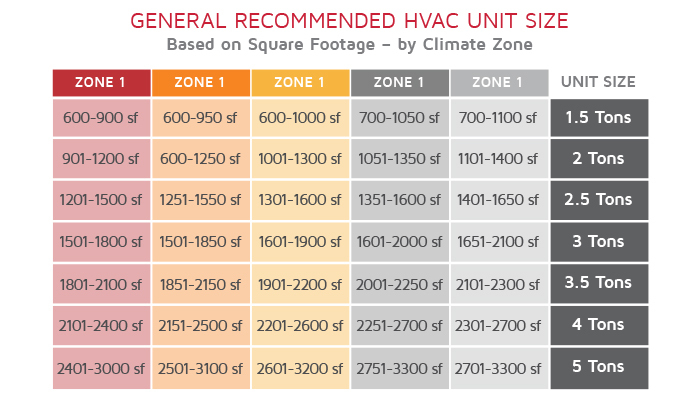
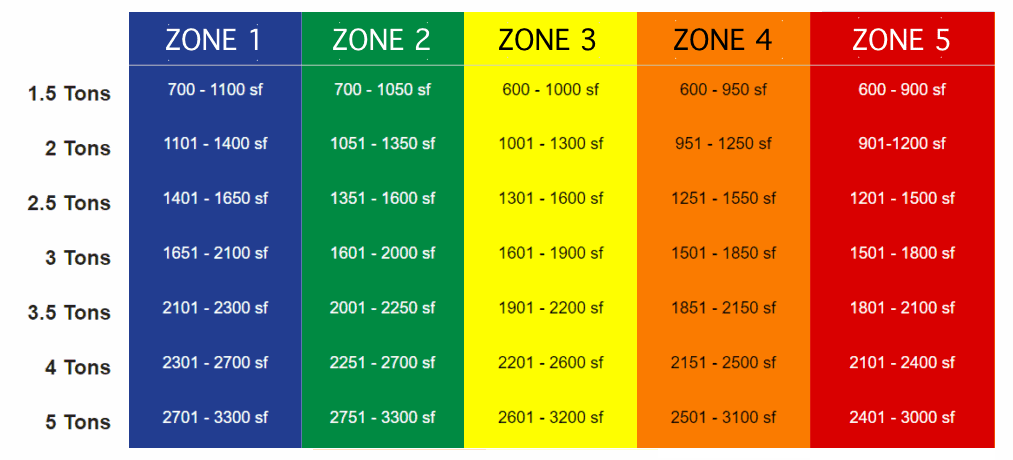
A common rule of thumb is to use 20 BTU (British Thermal Units) per square foot of living space. For a 2000 sq ft home, this would suggest a need for 40,000 BTU (2000 sq ft x 20 BTU/sq ft = 40,000 BTU). Since AC units are typically measured in tons, and one ton equals 12,000 BTU, this translates to approximately 3.33 tons (40,000 BTU / 12,000 BTU/ton = 3.33 tons). This would suggest a 3.5-ton AC unit.
However, this is a simplified calculation. Several other factors significantly impact the required AC unit size. Relying solely on the square footage can lead to inaccurate results.
Key Factors That Influence AC Sizing
- Climate Zone: Homes in hotter climates require more cooling power than those in milder regions. Look up your climate zone and consider increasing the BTU/sq ft accordingly. For example, in very hot and humid climates, you might need 25-30 BTU/sq ft.
- Insulation: Well-insulated homes retain cool air more effectively, requiring a smaller AC unit. Check your attic and walls for adequate insulation. Adding insulation can significantly reduce your cooling needs.
- Window Size and Efficiency: Large windows, especially those facing south or west, allow more heat to enter your home. Consider using energy-efficient windows (low-E coatings) or window coverings to reduce solar heat gain.
- Number of Occupants: More people in a home generate more heat. Account for the number of occupants when calculating cooling needs.
- Ceiling Height: High ceilings increase the volume of space that needs to be cooled. Homes with ceilings taller than 8 feet may require a larger AC unit.
- Sun Exposure: Homes with significant sun exposure will require more cooling power than those shaded by trees or other buildings.
- Air Leakage: Drafty windows, doors, and ductwork can lead to significant energy loss. Sealing these leaks can improve energy efficiency and potentially reduce the required AC unit size.
- Home Orientation: A home facing primarily east or west will generally require more cooling than one facing north or south.
Performing a Manual J Load Calculation
For the most accurate assessment, a professional HVAC technician should perform a Manual J load calculation. This comprehensive analysis takes into account all the factors mentioned above, as well as specific details about your home's construction and orientation. It provides a precise estimate of your cooling needs, ensuring you get the right size AC unit.
While Manual J calculations are best left to professionals, several online calculators can provide a more refined estimate than the simple square footage rule. These calculators typically ask for detailed information about your home's characteristics.
Oversized vs. Undersized AC Units: The Consequences
Oversized AC Units:
- Short Cycling: The unit turns on and off frequently, leading to inefficient operation and increased wear and tear on the compressor.
- Poor Dehumidification: The unit cools the air quickly without running long enough to remove humidity effectively, resulting in a clammy and uncomfortable indoor environment.
- Uneven Temperatures: Some rooms may be too cold, while others remain warm.
- Higher Energy Bills: Inefficient operation leads to wasted energy.
- Shorter Lifespan: Frequent start-up cycles stress the components and reduce the unit's lifespan.
Undersized AC Units:
- Inadequate Cooling: The unit struggles to maintain a comfortable temperature, especially during peak summer months.
- High Energy Bills: The unit runs constantly, consuming a lot of energy.
- Increased Wear and Tear: Continuous operation puts stress on the unit, leading to premature failure.
DIY Considerations and Safety Precautions
While determining the correct AC unit size is crucial, the installation process is best left to qualified HVAC professionals. Improper installation can void warranties, lead to system malfunctions, and even pose safety hazards.
However, homeowners can take steps to improve the efficiency of their existing AC system and potentially reduce the need for a larger unit. These include:
- Sealing Air Leaks: Use caulk and weather stripping to seal gaps around windows, doors, and pipes.
- Adding Insulation: Improve attic and wall insulation to reduce heat transfer.
- Cleaning or Replacing Air Filters: Dirty air filters restrict airflow and reduce cooling efficiency. Replace them regularly (every 1-3 months).
- Cleaning Outdoor Condenser Coils: Remove debris from the outdoor condenser coils to improve heat exchange.
- Using Programmable Thermostats: Set the thermostat to a higher temperature when you're away from home to save energy.
- Closing Curtains and Blinds: During the hottest part of the day, close curtains and blinds to block out sunlight.
- Ensuring Proper Ventilation: Ensure that vents are not blocked by furniture or other objects.
Safety First! Before performing any maintenance on your AC system, always turn off the power at the breaker box. Be cautious when working with electrical components and refrigerant. If you are not comfortable performing these tasks, call a qualified HVAC technician.
When to Call a Professional
It's essential to call a qualified HVAC professional in the following situations:
- For a Manual J load calculation: To determine the precise cooling needs of your home.
- For AC unit installation: To ensure proper installation and avoid potential problems.
- For AC unit repair: For complex repairs, such as compressor issues or refrigerant leaks.
- If you suspect a refrigerant leak: Refrigerant leaks can be harmful to the environment and your health.
- If you are not comfortable working with electrical components or refrigerant.
Estimating AC Unit Replacement Costs
The cost of replacing an AC unit can vary depending on several factors, including:
- AC unit size (tons): Larger units typically cost more.
- AC unit efficiency (SEER rating): Higher SEER ratings indicate greater energy efficiency and a higher price.
- Brand and model: Some brands and models are more expensive than others.
- Installation costs: Labor costs can vary depending on the complexity of the installation.
- Ductwork modifications: If your existing ductwork needs to be modified, this will add to the cost.
- Permit fees: Local building permits may be required for AC unit installation.
As a general guideline, expect to pay anywhere from $3,000 to $7,000 or more for a complete AC unit replacement, including installation. Getting multiple quotes from different HVAC contractors is always a good idea. A 3.5-ton unit will usually fall into the middle or higher end of this price range, depending on the factors listed above. Be sure to ask for a breakdown of the costs, including equipment, labor, and any additional fees.
Troubleshooting Common AC Problems
Before calling a professional, you can try troubleshooting some common AC problems:
- AC unit not turning on: Check the breaker box to ensure the circuit breaker hasn't tripped. Check the thermostat settings and batteries.
- Weak airflow: Check the air filter and replace it if it's dirty. Ensure that vents are not blocked.
- AC unit running constantly: Check the thermostat settings. Make sure windows and doors are closed and sealed.
- AC unit making unusual noises: This could indicate a mechanical problem. Turn off the unit and call a professional.
- Water leaks: Check the condensate drain line for clogs.
Important Note: If you notice a burning smell or see smoke coming from your AC unit, turn off the power immediately and call a professional.
Choosing the right size AC unit for your 2000 sq ft home is a significant investment. Take the time to consider all the relevant factors and consult with a qualified HVAC professional to ensure you get the best possible system for your needs.



:max_bytes(150000):strip_icc()/air-conditioning-chart-1152654_final-02-c37c8b4fdf08432baf378e8f0cb9d8e0.jpg)