How Much Copper Is In A Refrigerator Compressor

Refrigerators are indispensable appliances in modern life, quietly humming away to keep our food fresh. But have you ever stopped to consider what goes into making these cooling powerhouses tick? Specifically, how much copper is tucked away inside that seemingly simple refrigerator compressor? Understanding this seemingly obscure detail can actually illuminate a broader picture of energy efficiency, recycling potential, and the overall cost of ownership for your refrigerator.
The Copper Connection: Why Refrigerators Rely on It
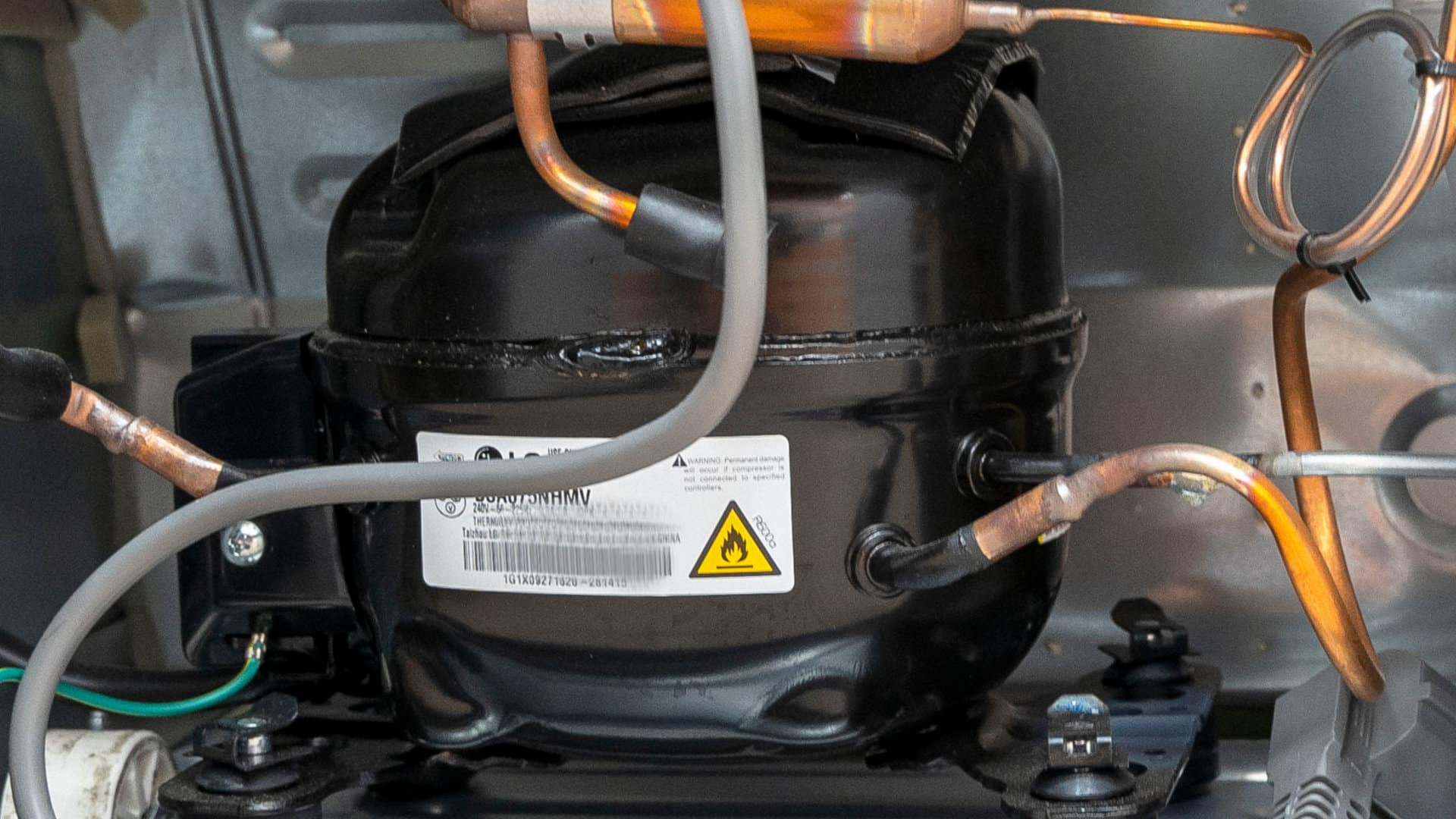
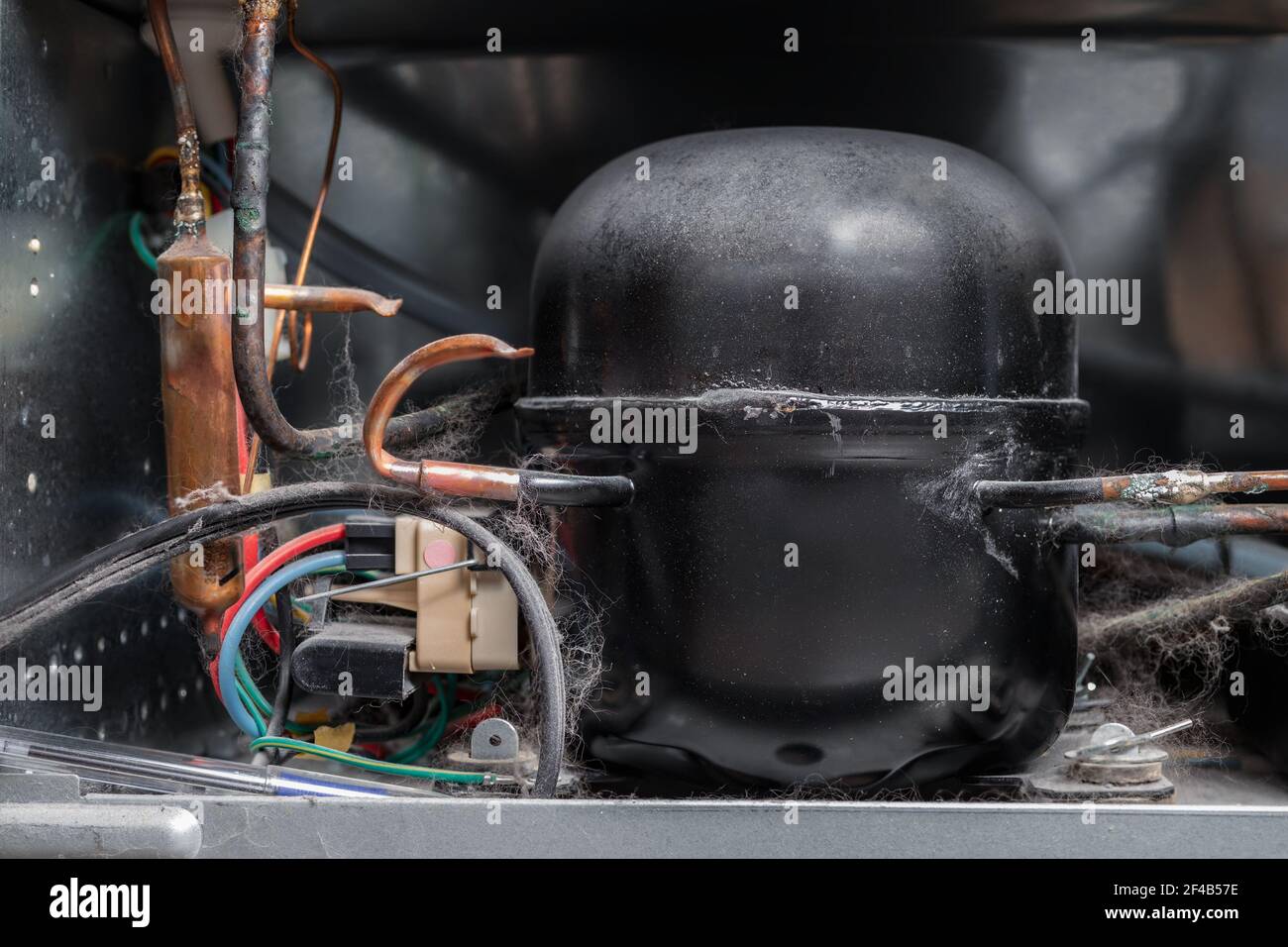
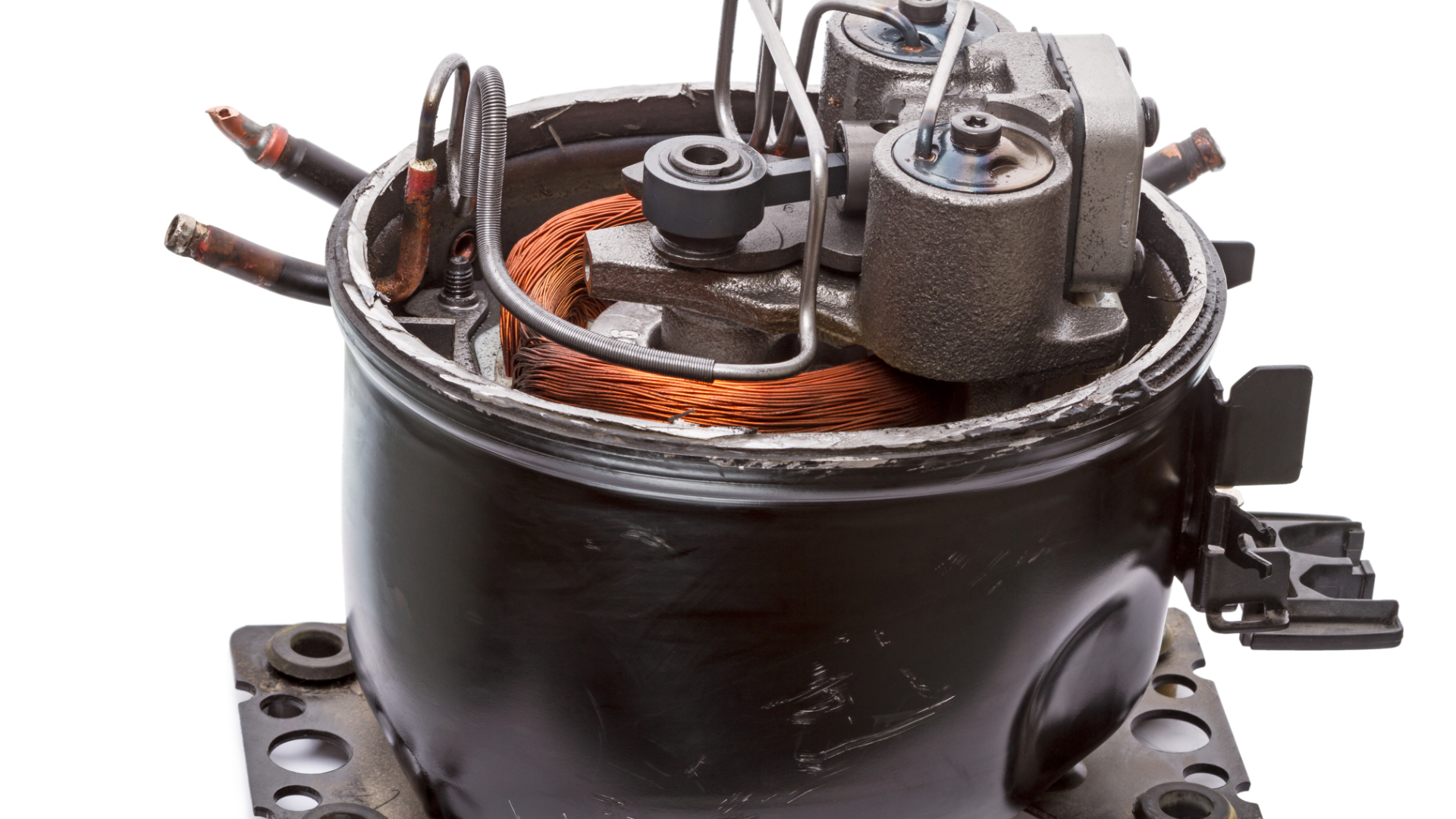
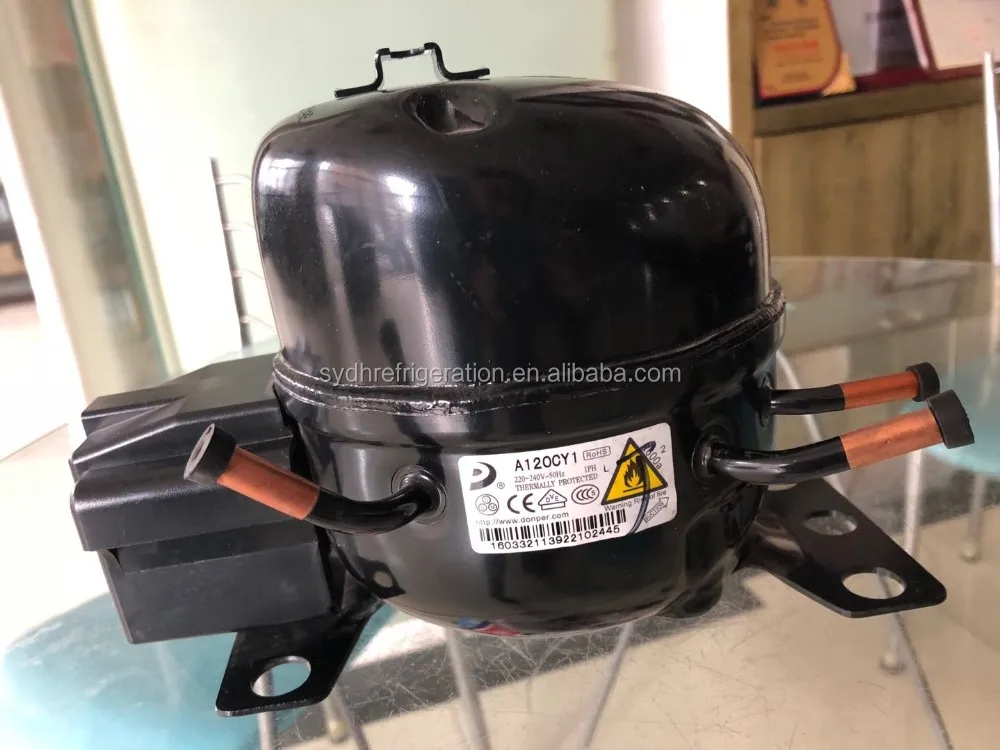
Copper is a critical component in refrigerator compressors due to its exceptional electrical conductivity and thermal properties. Compressors are the heart of the cooling system, responsible for circulating refrigerant throughout the unit. Copper plays a vital role in:
- Motor Windings: Copper wire is used extensively in the compressor's electric motor windings. The motor drives the compressor, and copper's low electrical resistance ensures efficient energy transfer to power this critical function. Higher grade copper windings contribute to a more efficient and longer-lasting motor.
- Refrigerant Tubing: While some newer refrigerators are shifting to aluminum, copper tubing is still widely used in the compressor itself and in connecting it to the condenser and evaporator coils. Copper's excellent thermal conductivity facilitates efficient heat transfer, which is essential for the refrigeration cycle.
- Electrical Connections: Various electrical connections within the compressor rely on copper for reliable and low-resistance pathways for electricity.
Estimating the Copper Content: A Quantitative Look
Pinpointing the exact amount of copper in a refrigerator compressor is challenging because it varies significantly based on several factors:
- Compressor Size and Type: Larger refrigerators typically have larger compressors, requiring more copper in their motor windings and tubing. Different compressor types (e.g., reciprocating, rotary, scroll) also influence the design and materials used.
- Manufacturer and Model: Each manufacturer has its own design specifications and material choices. Some prioritize copper more than others.
- Age of the Refrigerator: Older refrigerators often contain more copper compared to newer models, where manufacturers may have explored alternative materials or optimized designs to reduce costs and weight.
Despite these variations, we can provide a reasonable estimate. A typical residential refrigerator compressor contains approximately 2 to 5 pounds of copper. Larger, high-end refrigerators or commercial units can contain significantly more, potentially reaching 7 pounds or even higher. This figure includes the copper in the motor windings, tubing, and electrical connectors.
Let's consider a hypothetical scenario: A homeowner is replacing an old refrigerator and wants to understand the value of its components. If the compressor contains an estimated 3 pounds of copper, and the current market price of copper is, for example, $4 per pound, the copper in the compressor has a scrap value of $12. While this isn't a huge sum, it highlights the inherent value of the materials within the appliance and the importance of responsible recycling.
The Energy Efficiency Angle: How Copper Contributes
Copper's superior electrical and thermal conductivity plays a significant role in the energy efficiency of your refrigerator. A compressor with high-quality copper windings and tubing operates more efficiently, requiring less electricity to achieve the desired cooling effect. This translates directly into lower energy bills and a reduced carbon footprint.
Energy Star certified refrigerators are designed to meet strict energy efficiency standards. These models often feature optimized compressor designs with high-grade copper components to minimize energy consumption. Look for the Energy Star label when purchasing a new refrigerator to ensure you're investing in an energy-efficient appliance. According to the EPA, Energy Star certified refrigerators use at least 9% less energy than standard models.
Upgrading to an Energy Star certified refrigerator can yield substantial savings over its lifespan. For example, replacing a 20-year-old refrigerator with a new Energy Star model can save you hundreds of dollars in energy costs over the next decade.
Smart HVAC Integration: Optimizing Refrigerator Performance
While not directly related to the amount of copper, integrating your refrigerator with a smart home system can indirectly impact its energy efficiency and lifespan. Smart thermostats and energy monitoring systems can provide insights into your overall energy consumption, allowing you to identify opportunities for optimization. For example, if you notice your refrigerator consistently running at high capacity during peak hours, you can adjust your thermostat or appliance usage to reduce the load on the cooling system.
Some smart refrigerators even offer features like:
- Temperature Monitoring: Real-time temperature monitoring can alert you to potential issues that could affect the compressor's performance.
- Door Open Alerts: Receiving alerts when the refrigerator door is left open can prevent excessive energy consumption.
- Energy Consumption Tracking: Tracking energy usage patterns allows you to identify areas where you can improve efficiency.
Recycling and Copper Recovery: Reducing Environmental Impact
When it's time to replace your old refrigerator, proper disposal and recycling are crucial. Refrigerators contain refrigerants and other materials that can be harmful to the environment if not handled correctly. Many appliance recycling programs recover the copper from the compressor and other components, reducing the need for new copper mining and minimizing environmental impact.
Contact your local municipality or waste management company to inquire about appliance recycling programs in your area. Some retailers also offer appliance recycling services when you purchase a new refrigerator.
The Future of Refrigerator Compressors: Alternative Materials and Innovations
While copper remains a vital material in refrigerator compressors, ongoing research and development are exploring alternative materials and innovative designs to further enhance energy efficiency and reduce costs. Some manufacturers are experimenting with:
- Aluminum Windings: Aluminum is lighter and less expensive than copper, but it has lower electrical conductivity. Advances in aluminum winding technology are improving its performance and making it a viable alternative in some applications.
- Variable-Speed Compressors: These compressors can adjust their speed based on cooling demand, resulting in significant energy savings compared to traditional single-speed compressors.
- Advanced Refrigerants: New refrigerants with lower global warming potential are being developed to replace older refrigerants that contribute to climate change.
ROI and Rebates: Making Energy-Efficient Upgrades Affordable
Investing in an energy-efficient refrigerator can provide a significant return on investment (ROI) over its lifespan. The energy savings, combined with potential rebates and incentives, can offset the initial cost of the appliance. Many utility companies and government agencies offer rebates for purchasing Energy Star certified appliances.
Check with your local utility company and the Energy Star website to learn about available rebates and incentives in your area. These programs can make energy-efficient upgrades more affordable and accelerate your return on investment.
Choosing the Right Refrigerator: Key Considerations
When selecting a new refrigerator, consider the following factors to maximize energy efficiency and minimize your environmental impact:
- Energy Star Certification: Look for the Energy Star label to ensure the refrigerator meets strict energy efficiency standards.
- Compressor Type: Research different compressor types (e.g., variable-speed, inverter) and choose a model that offers optimal efficiency for your needs.
- Size and Capacity: Select a refrigerator size that is appropriate for your household. A larger refrigerator consumes more energy, even if it's not fully utilized.
- Features: Consider features like smart connectivity and door-open alerts that can help you optimize energy consumption.
By understanding the role of copper in refrigerator compressors and making informed purchasing decisions, you can contribute to a more sustainable future and save money on your energy bills. From responsibly recycling old appliances to investing in energy-efficient models, every step counts in reducing our environmental impact and creating a more energy-conscious society.