How Much Do Geothermal Heat Pumps Cost
Frequently Asked Questions: Geothermal Heat Pump Costs
Geothermal heat pumps offer an energy-efficient and environmentally friendly way to heat and cool your home or business. However, understanding the costs associated with these systems is crucial for making an informed decision. This FAQ addresses the most common questions about geothermal heat pump expenses, providing clear and concise answers to help you evaluate whether this technology is right for you.
Question 1: What is the typical initial cost of a geothermal heat pump system?
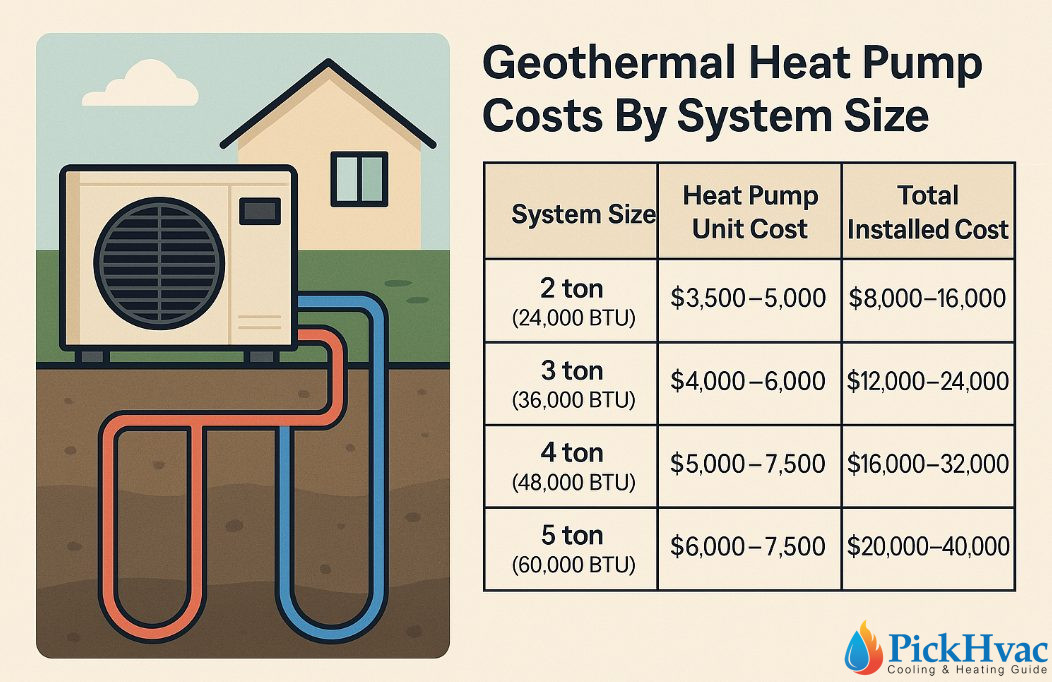
The initial cost of a geothermal heat pump system is typically higher than traditional heating and cooling systems like furnaces or air conditioners. This is primarily due to the expense of installing the underground loop system. Expect the total cost to range from $20,000 to $45,000, or even higher for larger or more complex installations. This range includes the cost of:
- The heat pump unit itself.
- The ground loop installation (drilling or trenching).
- Ductwork modifications (if necessary).
- Electrical work and permitting.
It's important to get multiple quotes from qualified geothermal installers in your area to get a more accurate estimate for your specific property and needs. These quotes should detail all costs involved, including equipment, labor, and permitting fees.
Question 2: What factors influence the overall cost of a geothermal system?
Several factors can significantly affect the overall cost of a geothermal heat pump installation. Understanding these factors can help you anticipate potential expenses and make informed decisions. Key factors include:
- Ground Loop Type: The type of ground loop significantly impacts cost. Vertical loops, which require drilling deep into the ground, are generally more expensive than horizontal loops, which involve trenching. Pond/lake loops, if a suitable water source is available, can be the least expensive option.
- Size of the System: The size of your home or building and its heating and cooling needs will determine the size (capacity) of the heat pump required. Larger systems cost more than smaller ones. A Manual J load calculation is crucial for determining the correct system size.
- Soil Conditions: Soil type and composition affect the ease and cost of ground loop installation. Rocky or dense soil can increase drilling costs. The thermal conductivity of the soil also influences the loop length required for efficient heat transfer.
- Ductwork: If your existing ductwork is inadequate or needs modifications to accommodate the geothermal system, this will add to the overall cost. In some cases, new ductwork may be necessary.
- Labor Costs: Labor costs vary depending on your location and the experience of the installer. Obtaining quotes from multiple contractors is essential to compare pricing. Look for installers certified by organizations like the International Ground Source Heat Pump Association (IGSHPA).
- Permitting and Inspections: Local regulations and permitting requirements can add to the cost. Ensure your installer is familiar with local codes and handles all necessary permits.
- Geographic Location: Installation costs can vary depending on the geographic location. Areas with higher labor rates or difficult terrain may have higher installation costs.
Question 3: Are there any financial incentives or rebates available for geothermal installations?
Yes, there are often financial incentives available to help offset the cost of geothermal heat pump installations. These incentives can significantly reduce the overall investment and make geothermal systems more affordable. Common incentives include:
- Federal Tax Credits: The federal government offers a tax credit for qualified geothermal heat pump installations. This credit can significantly reduce your federal tax liability. It's essential to consult with a tax professional to determine your eligibility and the specific credit amount.
- State and Local Rebates: Many states and local municipalities offer rebates or grants for geothermal installations. These incentives vary widely depending on location. Check with your local utility company, energy office, or state government website to find available programs.
- Utility Company Incentives: Some utility companies offer rebates or reduced electricity rates for customers who install geothermal systems. Contact your utility company to inquire about available incentives in your area.
- Financing Options: Some lenders offer specialized financing options for energy-efficient upgrades, including geothermal systems. These loans may offer lower interest rates or longer repayment terms.
It's crucial to research available incentives and apply for them promptly, as some programs have limited funding or deadlines.
Question 4: How much can I save on energy bills with a geothermal heat pump?
One of the biggest benefits of geothermal heat pumps is their ability to significantly reduce energy bills. Geothermal systems are much more efficient than traditional heating and cooling systems, leading to substantial cost savings over the long term. Here's what you can expect:
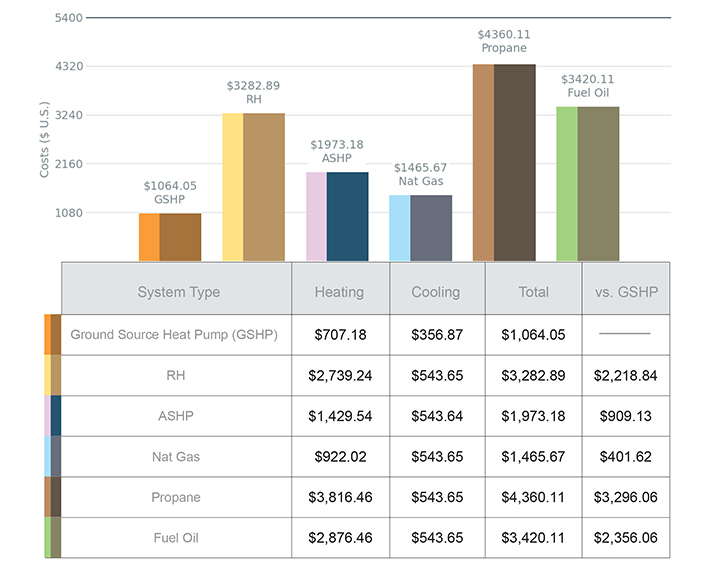
- Heating Savings: Geothermal heat pumps can reduce heating costs by 30% to 70% compared to traditional furnaces or electric resistance heating.
- Cooling Savings: Geothermal heat pumps can reduce cooling costs by 20% to 50% compared to traditional air conditioners.
- Overall Savings: On average, homeowners can expect to save $400 to $1,500 or more per year on their energy bills with a geothermal system. The exact amount of savings will depend on factors such as your home's size, insulation, climate, and energy usage habits.
To estimate your potential savings, consider your current energy bills and the efficiency ratings of different geothermal systems. Many manufacturers and installers can provide energy savings estimates based on your specific situation. The coefficient of performance (COP) for heating and the energy efficiency ratio (EER) for cooling are key metrics for comparing the efficiency of different heat pump models.
Question 5: What is the long-term cost of owning a geothermal heat pump system?
While the initial cost of a geothermal system is higher, the long-term cost of ownership is often lower due to reduced energy bills and lower maintenance requirements. Consider these factors when evaluating the long-term cost:
- Energy Savings: As mentioned earlier, geothermal systems can significantly reduce your energy bills, resulting in substantial savings over the lifespan of the system. These savings can offset the initial investment over time.
- Maintenance Costs: Geothermal heat pumps typically require less maintenance than traditional heating and cooling systems. The underground loop system is buried and protected from the elements, requiring little to no maintenance. The indoor heat pump unit may require occasional filter changes and routine inspections.
- Lifespan: Geothermal heat pumps have a longer lifespan than traditional systems. The underground loop system can last for 50 years or more, while the indoor heat pump unit typically lasts for 20-25 years.
- Replacement Costs: While the loop system has a long lifespan, the indoor heat pump unit will eventually need to be replaced. Factor in the cost of replacing the heat pump unit when calculating the long-term cost of ownership.
- Increased Property Value: Installing a geothermal system can increase the value of your property. Buyers are often willing to pay more for homes with energy-efficient features.
To get a comprehensive understanding of the long-term cost, calculate the total cost of ownership over the system's lifespan, including initial cost, energy savings, maintenance costs, and potential replacement costs. Also, consider the environmental benefits and increased property value associated with geothermal systems.
Question 6: How does the cost of geothermal compare to traditional HVAC systems?
When comparing the cost of geothermal heat pumps to traditional HVAC systems, it's essential to consider both the initial investment and the long-term operating costs. Here's a breakdown:
- Initial Cost: Geothermal systems have a higher initial cost than traditional systems like furnaces and air conditioners. This is primarily due to the cost of installing the underground loop system.
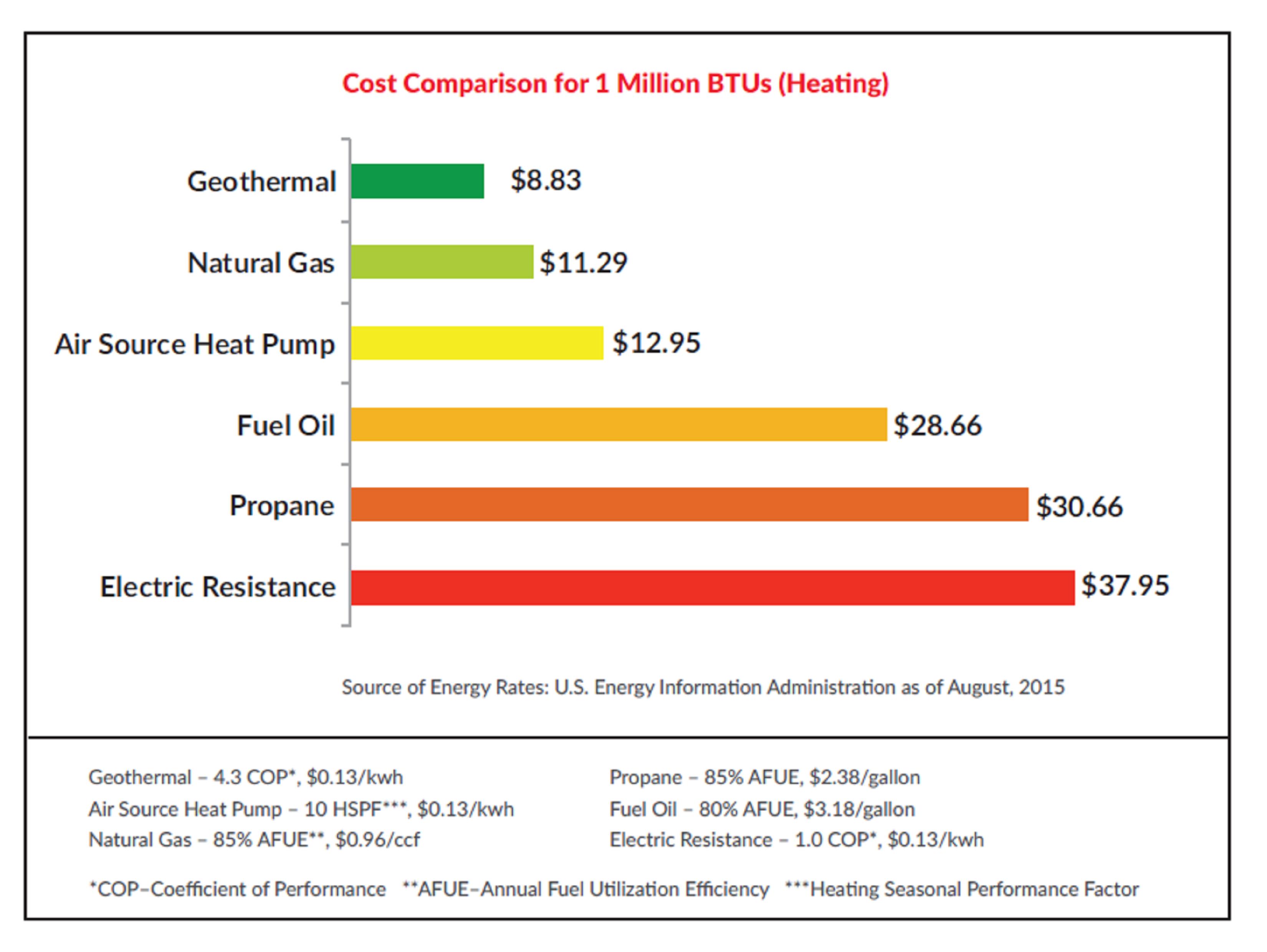
- Operating Costs: Geothermal systems have significantly lower operating costs due to their higher energy efficiency. This can result in substantial savings on energy bills over the lifespan of the system.
- Maintenance Costs: Geothermal systems generally have lower maintenance costs than traditional systems.
- Lifespan: Geothermal systems have a longer lifespan than traditional systems, reducing the frequency of replacement.
To make an accurate comparison, calculate the total cost of ownership for both types of systems over their respective lifespans. Include initial cost, energy costs, maintenance costs, and replacement costs. In many cases, the lower operating costs and longer lifespan of geothermal systems can offset the higher initial investment, resulting in lower total cost of ownership in the long run. Furthermore, consider that traditional systems are often affected and inflated by spikes in the fossil fuel industry.
For example, consider a 2,000 square foot home. A traditional furnace and air conditioner might cost $8,000-$12,000 installed, while a geothermal system might cost $25,000-$35,000. However, the annual energy savings with geothermal could be $800-$1,500. Over a 20-year lifespan, the geothermal system could save $16,000-$30,000 in energy costs, potentially offsetting the higher initial investment.
Question 7: What are some potential hidden costs associated with geothermal systems?
While geothermal heat pump systems offer many benefits, it's crucial to be aware of potential hidden costs that may arise during installation or operation. Being aware of these costs can help you budget accordingly and avoid surprises. Some potential hidden costs include:
- Unexpected Drilling Costs: If the soil conditions are more challenging than initially anticipated (e.g., encountering rock or groundwater), drilling costs for vertical loops can increase significantly. A thorough site assessment is crucial to identify potential issues beforehand.
- Ductwork Modifications: If your existing ductwork is not properly sized or configured for a geothermal system, modifications or even complete replacement may be necessary. This can add significantly to the overall cost.
- Electrical Upgrades: Depending on the size and type of geothermal system, you may need to upgrade your electrical panel or wiring to accommodate the increased electrical load.
- Landscaping Restoration: After ground loop installation, you may need to restore landscaping that was disturbed during the process. This can include reseeding, planting shrubs, or repairing fences.
- Permitting Fees: Permitting fees can vary depending on your location and the complexity of the installation. Make sure to factor in these fees when budgeting for your project.
- Water Quality Issues (for Pond/Lake Loops): If you're using a pond or lake loop, water quality issues (e.g., algae growth, sediment buildup) can affect the system's performance and require periodic maintenance.
- Increased Property Taxes: In some areas, installing a geothermal system may increase your property taxes due to the increased property value.
To minimize the risk of hidden costs, obtain detailed quotes from multiple contractors, conduct a thorough site assessment, and discuss potential challenges with your installer upfront. Ask about any potential unforeseen costs and how they will be addressed.