How Much Does It Cost To Service A Furnace
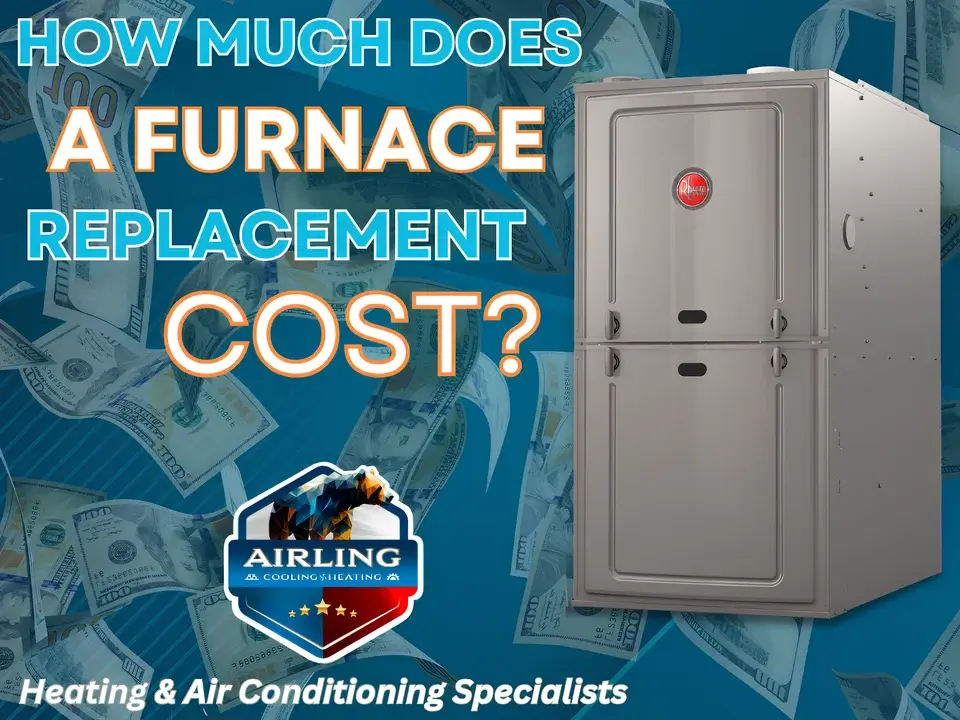
The cost to service a furnace is a question that plagues homeowners and often leads to intense discussion within the HVAC industry. From preventative maintenance to emergency repairs, understanding the factors influencing pricing, the importance of qualified technicians, and the long-term benefits of proper care is crucial. This article breaks down the costs associated with furnace servicing, the career paths that lead to becoming a furnace technician, and the value of professional expertise.
Factors Influencing Furnace Service Costs
Numerous factors determine the final price of a furnace service call. These can be broadly categorized as:
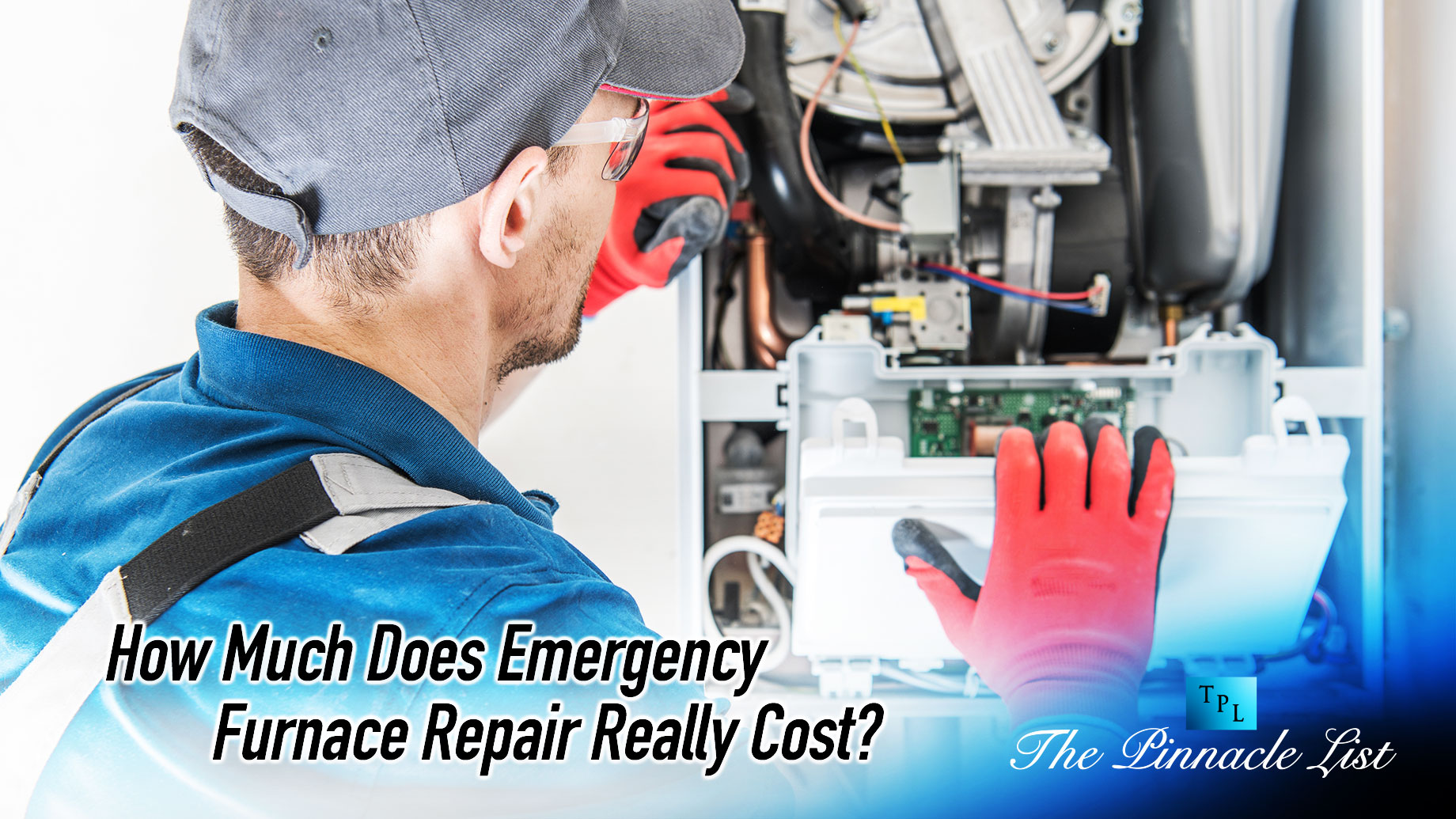
- Type of Service: A basic inspection and cleaning will naturally cost less than a complex repair involving component replacement. Preventative maintenance often includes tasks like checking the burner assembly, testing the safety controls, and lubricating moving parts. Repairs can range from fixing a faulty igniter to replacing a blower motor.
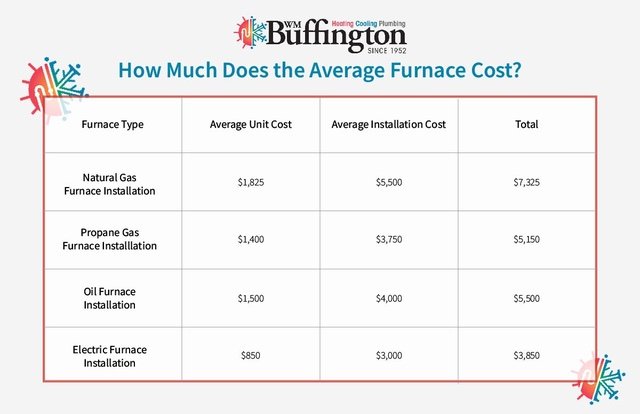
- Furnace Type: The type of furnace (gas, electric, oil) affects the complexity of the service. Gas furnaces, for instance, require carbon monoxide testing and gas line inspections, adding to the overall cost. High-efficiency furnaces with more intricate systems may also necessitate specialized knowledge and potentially more expensive parts.
- Geographic Location: Labor costs and the demand for HVAC services vary significantly by region. Urban areas with higher living costs typically see higher service fees compared to rural areas. Seasonal demand also plays a role, with prices potentially spiking during peak heating seasons.
- Service Provider: Independent contractors, small businesses, and large HVAC companies often have different pricing structures. Larger companies may have higher overhead, but could also offer more comprehensive service agreements and warranties. Licensed and insured contractors generally charge more but provide greater protection and assurance of quality.
- Time of Day/Week: Emergency service calls after hours or on weekends usually come with a premium. Many companies charge overtime rates for services provided outside of normal business hours.
- Parts Costs: The cost of replacement parts can significantly impact the final bill. Some parts, like universal igniters, are relatively inexpensive, while others, like control boards or heat exchangers, can be quite costly.
Typical Cost Ranges: While precise figures are difficult to pin down without a specific diagnosis, expect the following general ranges:
- Basic Inspection & Cleaning: $75 - $200
- Minor Repair (e.g., igniter replacement): $150 - $400
- Major Repair (e.g., blower motor replacement): $300 - $800+
- Emergency Service Call: $200 - $500+ (plus the cost of any repairs)
The Value of Preventative Maintenance
Investing in regular furnace maintenance is a proactive approach that can save homeowners money in the long run. Preventative maintenance helps:
- Extend Furnace Lifespan: Regular servicing can identify and address minor issues before they escalate into major problems, extending the life of the furnace.
- Improve Energy Efficiency: A clean and well-maintained furnace operates more efficiently, reducing energy consumption and lowering utility bills.
- Prevent Costly Breakdowns: Identifying and replacing worn parts during maintenance can prevent unexpected breakdowns during the coldest months.
- Ensure Safe Operation: Inspections can detect potential safety hazards, such as carbon monoxide leaks, ensuring the safe operation of the furnace.
"An ounce of prevention is worth a pound of cure." This old adage applies perfectly to furnace maintenance. Investing in annual check-ups is a smart way to protect your investment and ensure your family's comfort and safety.
Career Paths in Furnace Servicing
For individuals interested in a rewarding and in-demand career, the HVAC industry offers numerous opportunities. A career in furnace servicing typically begins with:
- Vocational Training: Many community colleges and technical schools offer HVAC programs that provide hands-on training in furnace installation, maintenance, and repair. These programs typically last from six months to two years.
- Apprenticeships: Apprenticeships provide on-the-job training under the supervision of experienced technicians. These programs typically last from three to five years and combine classroom instruction with practical experience.
- Certifications: Obtaining certifications, such as the NATE (North American Technician Excellence) certification, demonstrates competence and professionalism. The EPA Section 608 certification is also required for technicians who handle refrigerants.
Example Career Paths:
- Entry-Level Technician: Assists experienced technicians with installation, maintenance, and repair tasks.
- HVAC Technician: Performs routine maintenance, diagnoses and repairs furnace issues, and installs new systems.
- HVAC Service Manager: Oversees a team of technicians, schedules service calls, and manages customer relationships.
- HVAC Design Engineer: Designs and develops HVAC systems for residential and commercial buildings.
Job Outlook and Salary: The Bureau of Labor Statistics (BLS) projects strong job growth for HVAC technicians in the coming years. The median annual wage for HVAC mechanics and installers was $51,390 in May 2021. The best-paid 10 percent earned more than $81,690. Salaries vary depending on experience, location, and certifications.
The Importance of Hiring Qualified Technicians
When it comes to furnace servicing, it is crucial to hire qualified and experienced technicians. Here's why:
- Expertise and Knowledge: Certified technicians possess the knowledge and skills to accurately diagnose and repair furnace issues.
- Safety: Working with furnaces involves potential safety hazards, such as gas leaks and electrical shocks. Qualified technicians are trained to handle these risks safely.
- Proper Equipment: Professional technicians have access to specialized tools and equipment necessary for proper diagnosis and repair.
- Warranty Protection: Many furnace manufacturers require that installations and repairs be performed by certified technicians to maintain warranty coverage.
- Code Compliance: Qualified technicians are familiar with local building codes and regulations, ensuring that all work is performed in compliance.
Red Flags to Watch Out For:
- Unlicensed or Uninsured Contractors: Hiring an unlicensed or uninsured contractor can expose you to significant liability.
- Extremely Low Prices: Prices that seem too good to be true often indicate substandard work or hidden fees.
- Lack of References or Reviews: Reputable contractors should be able to provide references from satisfied customers. Check online reviews to gauge their reputation.
- Pressure Tactics: Avoid contractors who pressure you to make immediate decisions or sign contracts without fully understanding the terms.
Certifications: A Mark of Professionalism
In the HVAC industry, certifications serve as a validation of a technician's skills and knowledge. Key certifications include:
- NATE (North American Technician Excellence): NATE certification is widely recognized as a benchmark of technical competence. Technicians must pass rigorous exams to demonstrate their expertise in specific areas, such as furnace installation and service.
- EPA Section 608 Certification: This certification is required by the Environmental Protection Agency (EPA) for technicians who handle refrigerants. It ensures that technicians are trained to handle refrigerants safely and responsibly, minimizing environmental impact.
- HVAC Excellence: HVAC Excellence offers a variety of certifications for technicians at different skill levels. These certifications cover a wide range of HVAC topics, including heating, ventilation, and air conditioning.
For employers, hiring certified technicians can translate into increased customer satisfaction, reduced callbacks, and improved business reputation.
The Future of Furnace Servicing
The HVAC industry is constantly evolving, with new technologies and regulations emerging regularly. Some key trends shaping the future of furnace servicing include:
- Smart Technology: Smart thermostats and connected HVAC systems are becoming increasingly popular, allowing homeowners to control their heating and cooling remotely. Technicians need to be proficient in diagnosing and repairing these advanced systems.
- Energy Efficiency: Growing awareness of environmental issues is driving demand for high-efficiency furnaces and energy-saving technologies. Technicians need to be knowledgeable about these technologies and how to optimize their performance.
- Renewable Energy: Renewable energy sources, such as solar and geothermal, are playing an increasingly important role in the HVAC industry. Technicians need to be trained in the installation and maintenance of these systems.
Staying abreast of these trends requires continuous learning and professional development. Technicians who invest in ongoing training and certifications will be well-positioned to succeed in the future of the HVAC industry.
Conclusion
Understanding the costs associated with furnace service is essential for both homeowners and HVAC professionals. By considering the factors that influence pricing, investing in preventative maintenance, and hiring qualified technicians, homeowners can ensure the reliable and efficient operation of their heating systems. For those considering a career in HVAC, the industry offers numerous opportunities for skilled technicians with the right training and certifications. The ongoing demand for HVAC services, coupled with the increasing complexity of modern heating and cooling systems, makes this a promising field for individuals seeking a rewarding and stable career.