How Much Is A Blower For A Furnace
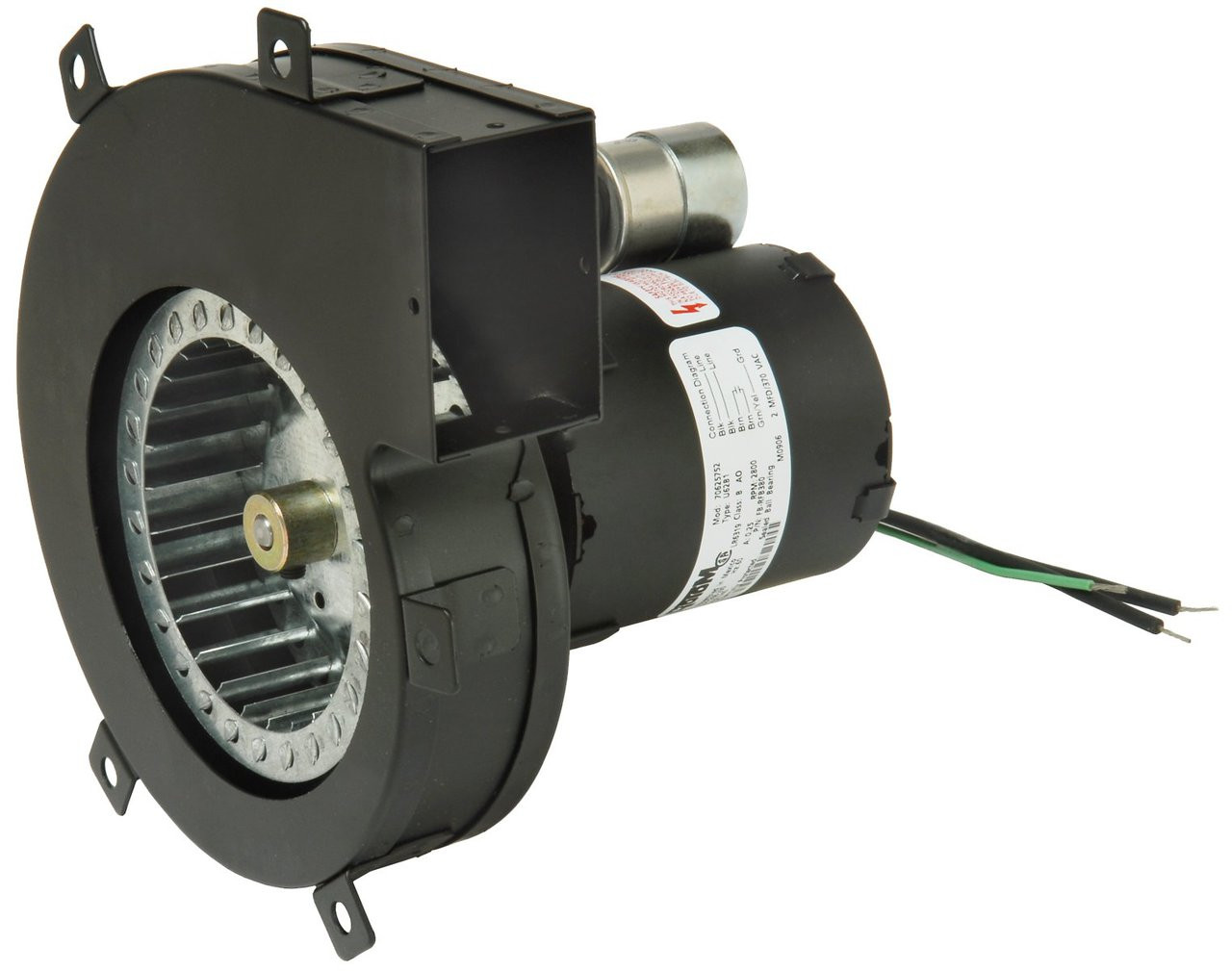
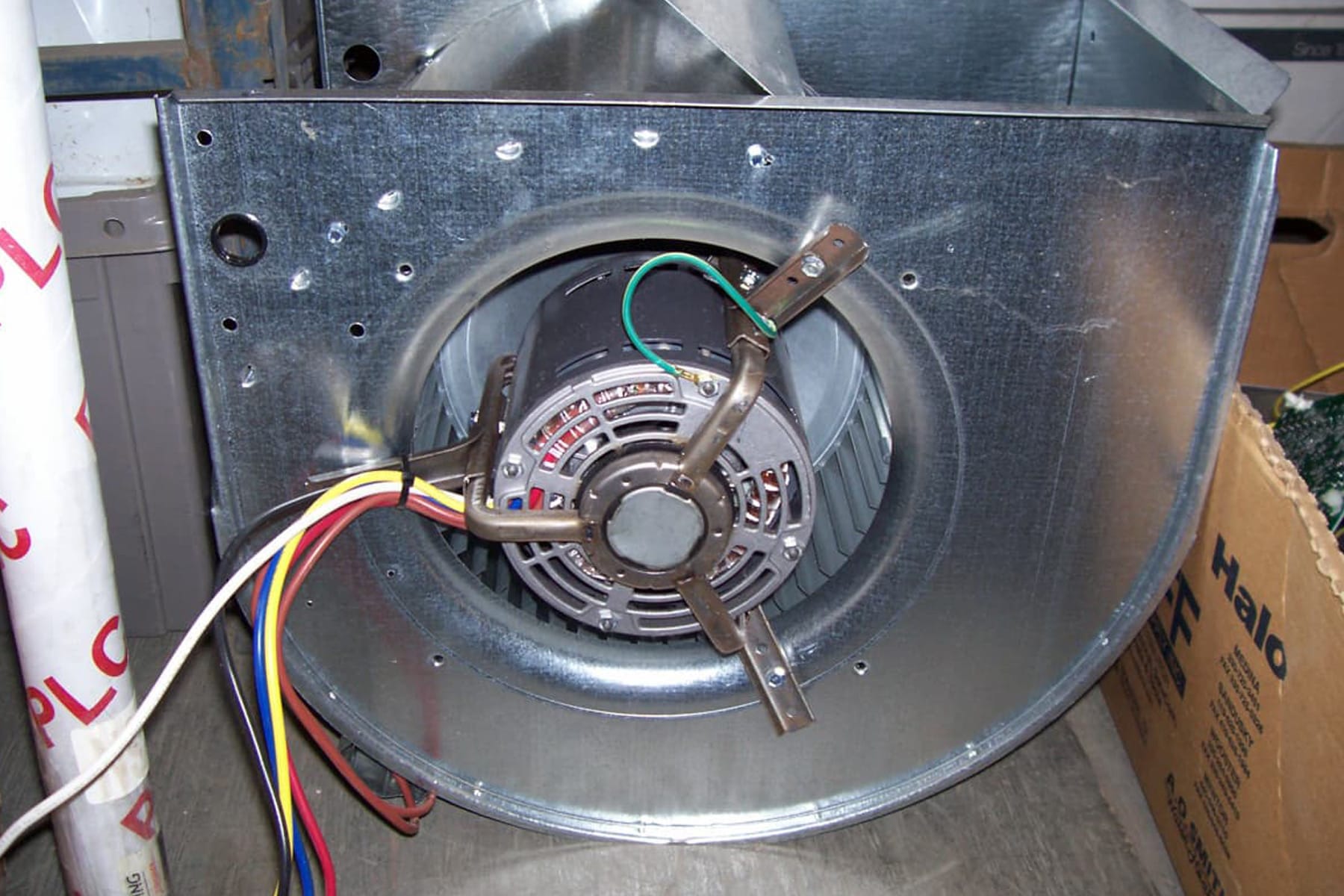
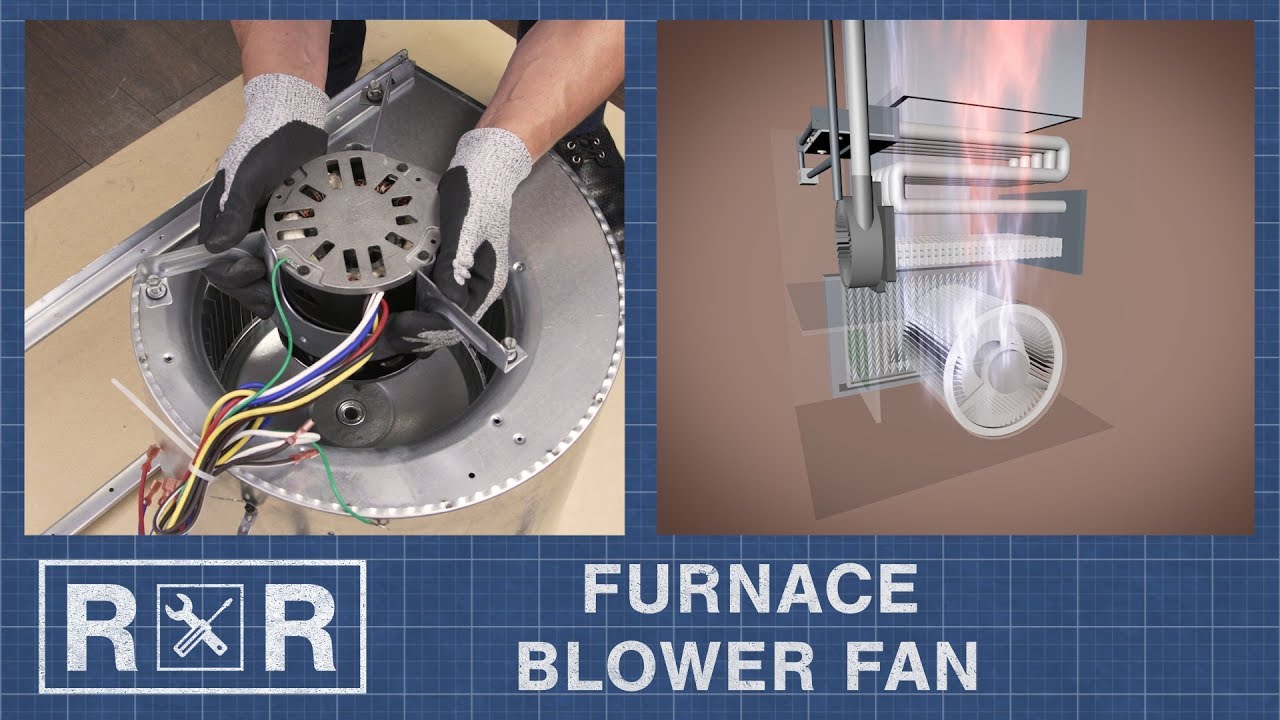
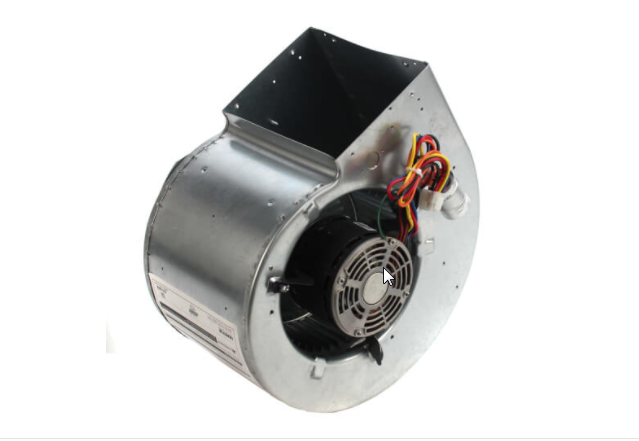
The blower motor is the heart of your furnace, responsible for circulating heated air throughout your home. When it malfunctions, your comfort is compromised, and understanding the costs associated with replacement or repair becomes crucial. This article breaks down the factors influencing the price of a furnace blower, provides insights into related labor expenses, and explores the broader HVAC landscape, offering valuable information for students, professionals, and employers alike.
Furnace Blower Costs: A Detailed Breakdown
The cost of a furnace blower motor varies significantly depending on several factors:
- Motor Type: Blower motors come in various types, including PSC (Permanent Split Capacitor), ECM (Electronically Commutated Motor), and DC (Direct Current) motors. ECM motors are generally more expensive due to their energy efficiency and variable speed capabilities. PSC motors are the most common and least expensive.
- Motor Horsepower (HP): The HP rating determines the motor's ability to move air. Larger homes and more complex duct systems require more powerful motors, which translates to higher prices.
- Brand and Quality: Reputable brands known for durability and performance, such as Emerson, GE, and FASCO, typically command a premium.
- OEM vs. Aftermarket: Original Equipment Manufacturer (OEM) parts are produced by the furnace manufacturer and are often more expensive than aftermarket alternatives. While aftermarket parts can be more budget-friendly, it's crucial to ensure they meet the required specifications for your furnace model.
Here's a general price range for blower motors:
- PSC Motors: $100 - $300
- ECM Motors: $300 - $800
- DC Motors: $400 - $900+
These prices are for the motor itself and do not include labor costs. You can typically find these parts at HVAC supply houses like Johnstone Supply, Ferguson, and online retailers such as Amazon and RepairClinic.com.
The Importance of Proper Diagnosis
Before replacing the blower motor, it's essential to accurately diagnose the problem. Other components, such as the capacitor, blower wheel, or wiring, could be the source of the issue. A qualified HVAC technician can perform a thorough inspection to pinpoint the exact cause of the malfunction, potentially saving you money by avoiding unnecessary replacements.
Labor Costs: What to Expect
Labor costs for furnace blower replacement vary based on location, the complexity of the job, and the technician's experience. Generally, you can expect to pay between $150 and $500 for labor. Factors influencing labor costs include:
- Accessibility: If the furnace is difficult to access, the labor time will increase.
- Complexity: Replacing an ECM motor, which often requires programming, will take longer than replacing a PSC motor.
- Location: Labor rates are typically higher in urban areas compared to rural areas.
- Emergency Service: After-hours or weekend service calls will incur higher labor charges.
It's always recommended to obtain multiple quotes from different HVAC contractors to ensure you're getting a fair price. Ask for a detailed breakdown of the costs, including the price of the motor, labor charges, and any other associated fees.
Total Cost: Putting it All Together
Combining the cost of the motor and labor, the total cost to replace a furnace blower can range from $250 to $1300 or more. This wide range highlights the importance of obtaining accurate estimates and considering all factors involved.
For example, replacing a PSC blower motor in an easily accessible furnace might cost between $250 and $600. Conversely, replacing an ECM motor in a difficult-to-reach furnace with programming requirements could easily exceed $800 or even $1300.
HVAC Career Paths: Opportunities and Certifications
The HVAC industry offers a wide range of career opportunities, from entry-level technicians to highly specialized engineers. The demand for qualified HVAC professionals is consistently high, driven by factors such as new construction, aging infrastructure, and increasing energy efficiency standards. The Bureau of Labor Statistics projects a growth rate of 6% for HVAC mechanics and installers from 2022 to 2032, about average for all occupations.
Here are some common career paths in the HVAC field:
- HVAC Technician: Installs, maintains, and repairs heating, ventilation, and air conditioning systems.
- HVAC Installer: Specializes in the installation of new HVAC equipment.
- HVAC Service Technician: Focuses on troubleshooting and repairing existing HVAC systems.
- HVAC Sales Engineer: Designs and sells HVAC systems to commercial and industrial clients.
- HVAC Project Manager: Oversees the installation and maintenance of HVAC systems in large-scale projects.
Certifications: Demonstrating Expertise
Certifications play a crucial role in advancing your career in the HVAC industry. They demonstrate your knowledge and skills to employers and customers, increasing your earning potential and opening doors to more advanced opportunities.
Some of the most recognized certifications in the HVAC field include:
- NATE (North American Technician Excellence): NATE certification is widely respected and demonstrates competency in specific areas of HVAC, such as installation, service, and maintenance. Different NATE certifications cater to various specialties.
- EPA Section 608 Certification: Required by the Environmental Protection Agency (EPA) for technicians who handle refrigerants. This certification ensures that technicians understand and comply with regulations regarding refrigerant handling and disposal. There are different types (Type I, Type II, Type III, Universal) depending on the type of equipment serviced.
- HVAC Excellence: Offers a range of certifications for technicians at different levels of experience.
- State and Local Licenses: Many states and municipalities require HVAC contractors to be licensed. The requirements for licensure vary depending on the location.
Salary Expectations
The salary for HVAC professionals varies depending on experience, location, and certifications. According to the Bureau of Labor Statistics, the median annual wage for HVAC mechanics and installers was $59,620 in May 2023. The top 10 percent earned more than $85,780.
Here's a general salary range based on experience:
- Entry-Level Technician: $35,000 - $45,000 per year
- Experienced Technician (5+ years): $50,000 - $70,000 per year
- Senior Technician/Specialist: $70,000 - $90,000+ per year
Obtaining certifications like NATE and EPA 608 can significantly increase your earning potential. Employers are often willing to pay more for certified technicians due to their enhanced skills and knowledge.
For Employers: Hiring and Training Considerations
For employers in the HVAC industry, attracting and retaining skilled workers is crucial for success. Here are some key considerations for hiring and training:
- Prioritize Certifications: When hiring technicians, prioritize candidates who hold relevant certifications, such as NATE and EPA 608. These certifications demonstrate a commitment to professionalism and a higher level of competency.
- Invest in Training: Provide ongoing training opportunities for your employees to keep them up-to-date with the latest technologies and best practices. This can include in-house training programs, manufacturer-sponsored training, and tuition reimbursement for certification courses.
- Offer Competitive Compensation and Benefits: Attract and retain top talent by offering competitive salaries and benefits packages. This can include health insurance, retirement plans, paid time off, and performance-based bonuses.
- Create a Positive Work Environment: Foster a positive and supportive work environment where employees feel valued and respected. This can improve employee morale, reduce turnover, and enhance productivity.
- Embrace Technology: Equip your technicians with the latest tools and technologies, such as diagnostic software, mobile devices, and cloud-based platforms. This can improve efficiency, reduce errors, and enhance customer service.
Conclusion
Understanding the cost of a furnace blower is essential for homeowners, while a deeper understanding of the HVAC field, its certifications, and salary expectations is crucial for those considering or already working in the industry. Whether you're a student exploring career options, a technician seeking to advance your skills, or an employer looking to build a strong team, investing in knowledge and training is key to success in the dynamic and rewarding HVAC field.