How Much Power Does An Electric Furnace Use Rust

Understanding the power consumption of an electric furnace in the survival game Rust is crucial for efficient base management and resource allocation. Electric furnaces, while offering convenience and speed, can be significant energy hogs. This guide breaks down the factors influencing their power usage and provides practical tips for minimizing energy waste.
What is an Electric Furnace in Rust?
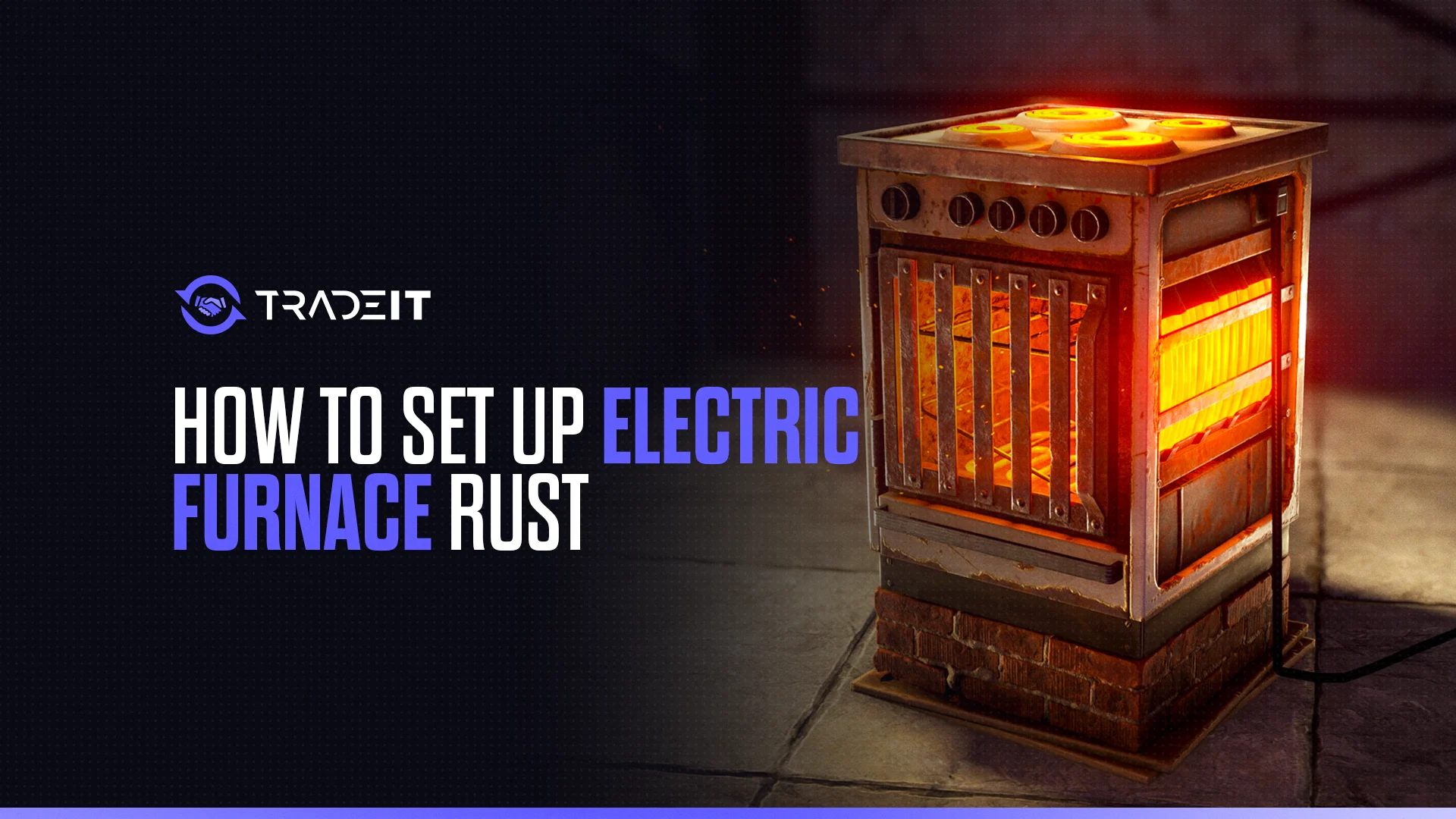
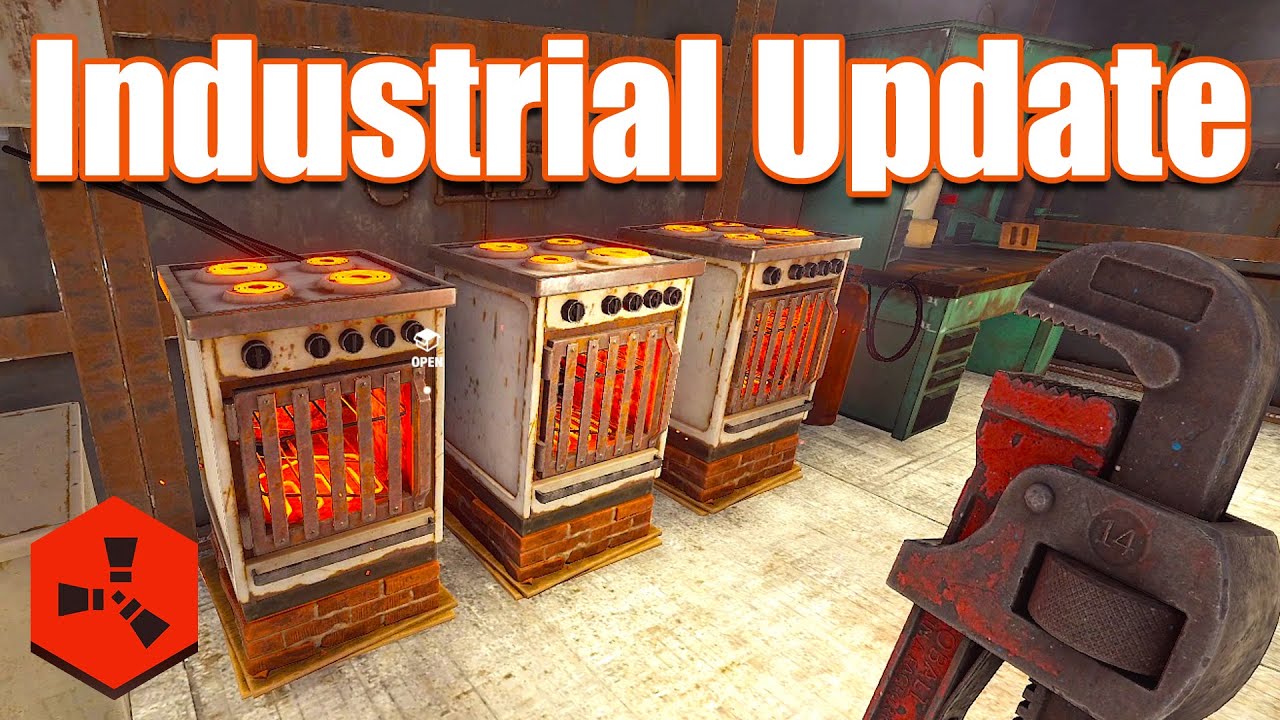
In Rust, the electric furnace is a crafting station used to refine raw ore into usable resources like metal fragments, sulfur, and high-quality metal (HQM). It’s a faster and more convenient alternative to the basic stone furnace, but it requires electricity to operate, making it a mid-to-late game item. You need to connect it to a power source, usually a generator or solar panels connected to batteries, to run it.
How Much Power Does an Electric Furnace Consume?
The electric furnace has a base power consumption of 120 RF (Rustricity Fuel). This means it constantly draws 120 RF while active, regardless of whether it's actively refining ore or simply idling. This constant drain is important to consider when designing your power grid.
Unlike some other electrical devices in Rust, the electric furnace doesn't have adjustable power settings. It's an all-or-nothing appliance; it's either consuming 120 RF or it's turned off.
Factors Affecting Overall Power Consumption
While the base consumption is fixed, several factors influence how much power you effectively use over time:
1. Uptime
The most significant factor is how long the furnace runs. The longer it's on, the more power it consumes. Even if it's not processing anything, it still draws 120 RF.
2. Input Throughput
The rate at which you load ore into the furnace affects the overall efficiency. If you're constantly feeding it ore, you're maximizing its use and minimizing the "idle" time where it's consuming power without actively refining.
3. Your Electrical Grid Efficiency
Losses in your electrical grid can indirectly increase power consumption. Long cable runs, splitters, and poorly configured circuits can lead to voltage drops and wasted energy. Ensure your wiring is optimized to minimize these losses.
4. Resource Availability
The availability of resources also indirectly affects power consumption. If you don't have a consistent supply of ore, the furnace might sit idle more often, wasting power even though it's not actively refining.
Comparing Electric Furnace to Stone Furnace
The primary advantage of the electric furnace is its speed. It refines ore much faster than a stone furnace. However, this speed comes at the cost of electricity. Here's a brief comparison:
- Stone Furnace:
- Pros: No electricity required; can be powered by wood.
- Cons: Slow; requires constant manual feeding.
- Electric Furnace:
- Pros: Fast; can be automated with conveyor systems and storage containers.
- Cons: Requires electricity; constant 120 RF power draw.
The choice between the two depends on your stage in the game and resource availability. Early game, stone furnaces are practical. Mid-to-late game, with access to solar panels, wind turbines, or generators, the electric furnace becomes a viable option for increased production speed.
Strategies for Minimizing Electric Furnace Power Consumption
Here are some practical tips to reduce the overall power consumption associated with your electric furnace:
1. On-Demand Switching
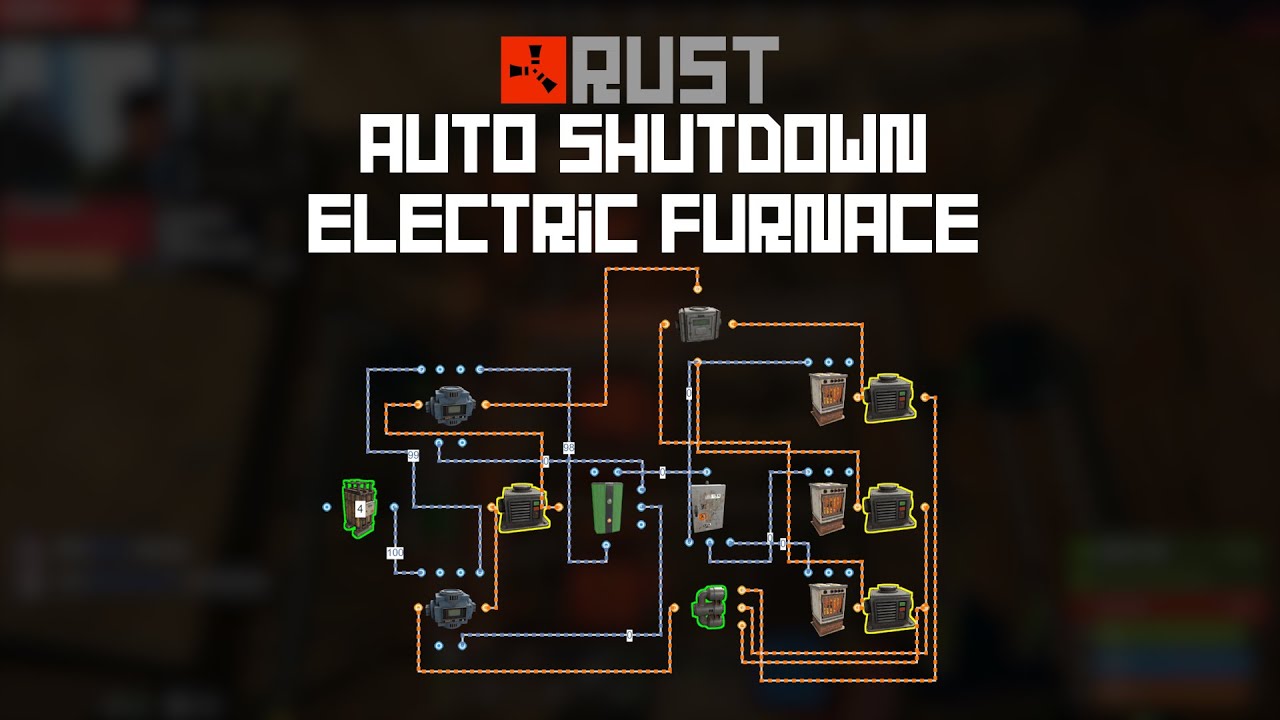
The most effective way to save power is to turn off the furnace when it's not in use. Implement a switching system using electrical branches or smart switches that automatically disconnect the furnace when it's empty or when you're not actively refining.
2. Automated Systems with Timers
Consider using programmable timers or other logic circuits to automate the furnace operation. For example, you could set a timer to turn on the furnace for a specific duration when it's full of ore and then automatically turn it off when the refining process is complete.
3. Power Monitoring
Install a power monitoring system (using RF sensors and displays) to track the furnace's power consumption in real-time. This allows you to identify periods of excessive idling and adjust your usage accordingly.
4. Optimized Ore Supply
Ensure a consistent supply of ore to the furnace. Use storage containers and conveyor systems to automatically load and unload ore, minimizing downtime and maximizing its efficiency. Don't let it sit empty for extended periods.
5. Efficient Electrical Grid
Design your electrical grid carefully to minimize losses. Use shorter cable runs, avoid unnecessary splitters, and ensure all connections are secure. Consider using thicker cables for long distances to reduce voltage drop.
6. Battery Backup Integration
Integrate a battery backup system into your power grid. This allows you to store excess energy generated by solar panels or wind turbines and use it to power the furnace during periods of low renewable energy production. This helps to stabilize the power supply and reduce reliance on generators.
7. Power Priorities
Utilize electrical branches to prioritize power distribution. Ensure that essential systems like life support (lights, water purifiers) receive power before the electric furnace. This prevents your base from going dark or losing functionality when power is scarce.
8. Staggered Operation
If you have multiple electric furnaces, consider staggering their operation. Instead of running all of them simultaneously, run them in shifts. This helps to distribute the power load and prevent overtaxing your electrical grid.
9. Resource Gathering Optimization
Focus on efficient resource gathering. Having a dedicated mining outpost or using drones to transport ore can significantly improve your ore supply and reduce the time the furnace sits idle.
10. Evaluate Alternatives
Consider if an electric furnace is truly necessary at all times. For smaller refining tasks, a traditional stone furnace might be more energy-efficient. Reserve the electric furnace for large-scale refining operations.
Calculating Power Requirements for an Electric Furnace Setup
To effectively power an electric furnace, you need to calculate your power needs accurately.
- Identify Total Consumption: The furnace requires 120 RF constantly.
- Account for Other Devices: Consider the power consumption of other devices connected to your grid (lights, turrets, etc.).
- Calculate Generation Capacity: Determine the total power output of your generators, solar panels, or wind turbines.
- Factor in Battery Storage: Account for the capacity and discharge rate of your batteries.
- Ensure Sufficient Buffer: Always have a buffer in your power generation to account for fluctuations in demand and potential outages.
Example:
Let's say you have an electric furnace (120 RF), 4 turrets (10 RF each, total 40 RF), and some lights (20 RF). Your total power consumption is 180 RF.
You have 4 solar panels that generate a maximum of 20 RF each (total 80 RF) and a small wind turbine that generates 40 RF. This gives you a combined renewable energy output of 120 RF.
In this scenario, you would need to supplement your renewable energy with a generator or additional solar panels/wind turbines to consistently power your base, especially at night or during periods of low wind. A battery backup is also highly recommended to smooth out power fluctuations.
Troubleshooting Power Issues with Electric Furnaces
If you're experiencing power issues with your electric furnace, consider the following troubleshooting steps:
- Check Connections: Ensure all electrical connections are secure and properly wired.
- Verify Power Supply: Confirm that your power source (generator, solar panels, etc.) is generating sufficient power.
- Inspect Wiring: Look for damaged or overloaded cables.
- Monitor Voltage: Use a multimeter tool to check the voltage at the furnace. Low voltage can indicate a power supply problem or excessive cable run.
- Disconnect Non-Essential Devices: Temporarily disconnect non-essential devices to see if the furnace receives enough power.
- Reboot Electrical Components: Sometimes, simply disconnecting and reconnecting electrical components can resolve minor issues.
Conclusion
The electric furnace in Rust is a valuable tool for efficient resource refining, but its constant power consumption requires careful planning and management. By understanding its power requirements and implementing the strategies outlined in this guide, you can minimize energy waste, optimize your base's power grid, and ensure a reliable supply of refined resources for your survival endeavors.