How Much To Add Air Conditioning To Existing Furnace
Summer's here, and your old furnace is humming along, faithfully providing…nothing but ambient temperature. You're thinking, "I need air conditioning!" And you're wondering: Can I simply add AC to my existing furnace? The answer is often yes, but it's not always straightforward. This guide will help you assess the situation and understand what's involved, offering some basic troubleshooting steps along the way.
Understanding the Basics: Your Furnace & AC Partnership
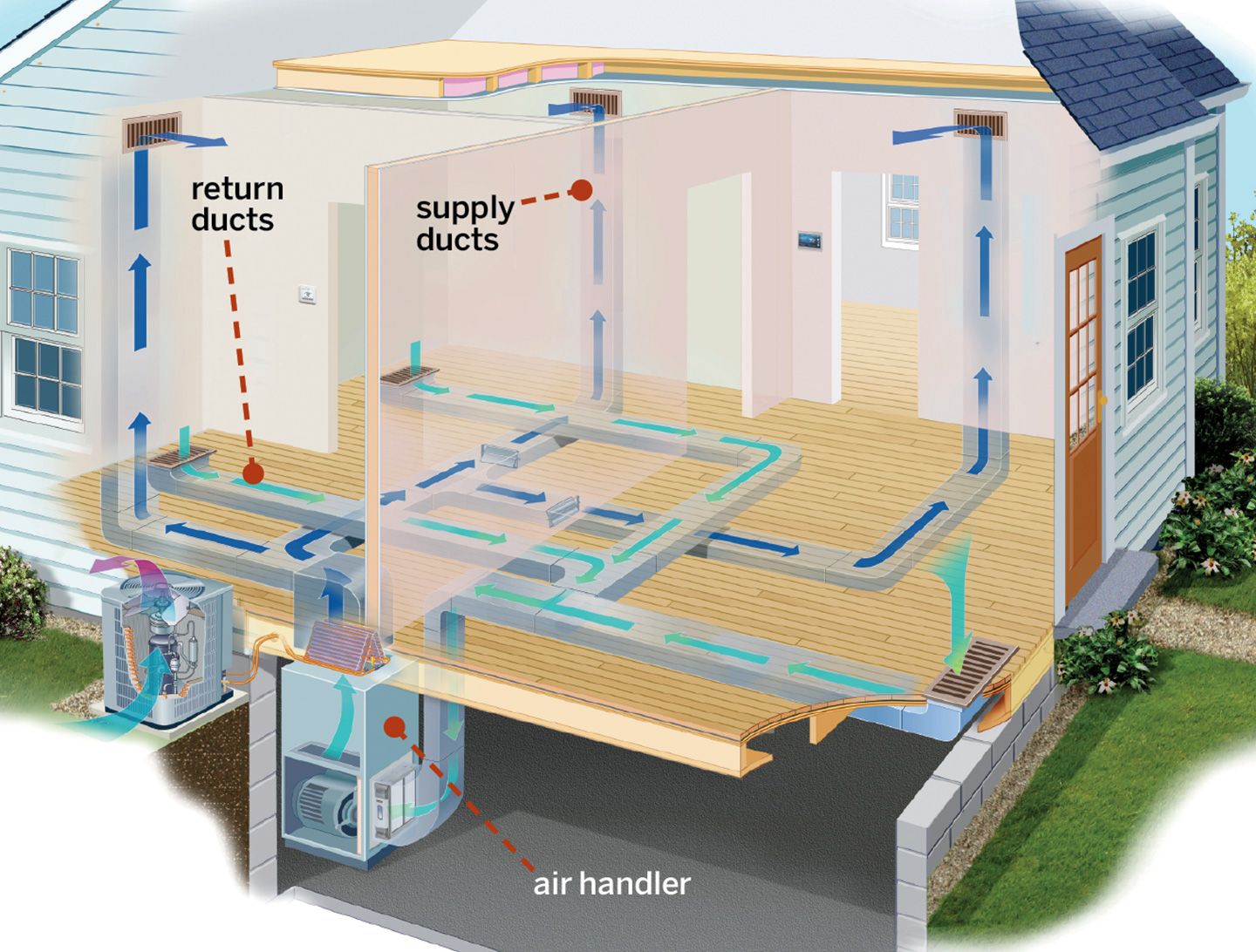
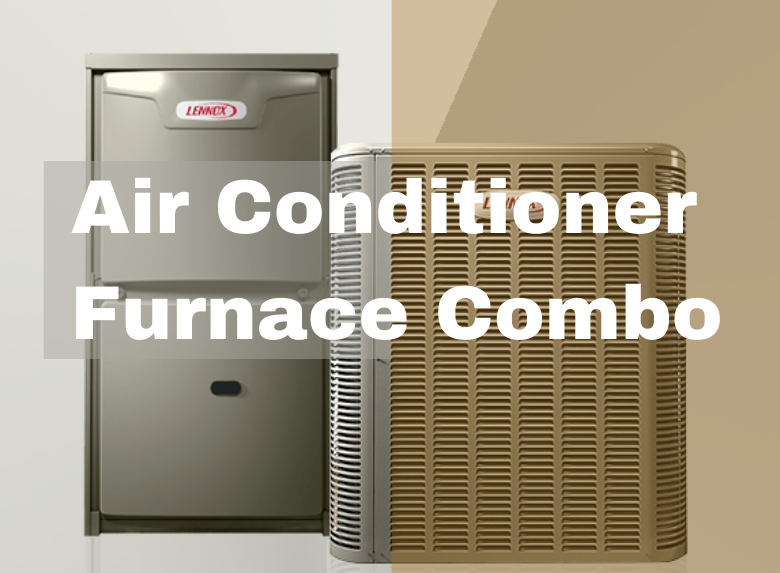
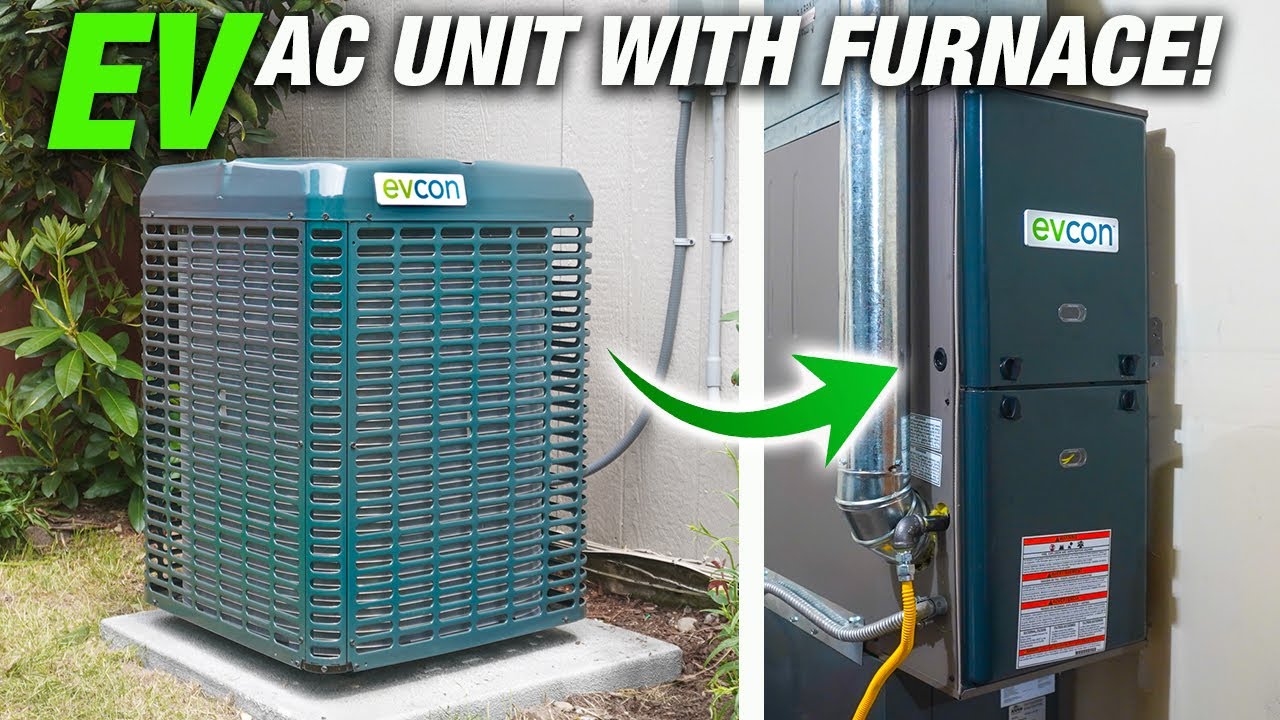
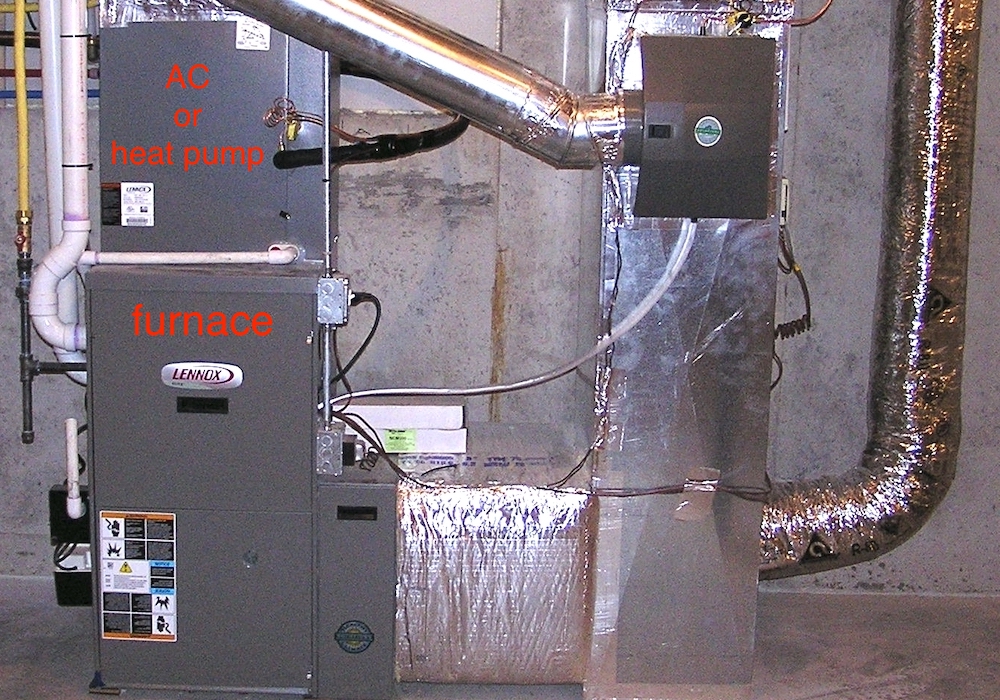
Your furnace and air conditioner can work together in a 'split system.' The furnace houses the blower fan, which circulates air throughout your home via the ductwork. An AC unit, typically placed outside, cools refrigerant, which then cools the air circulated by the furnace's blower. Adding AC essentially means integrating an outdoor AC unit and an evaporator coil (usually placed above the furnace) into your existing system. This setup requires careful consideration of compatibility and proper installation.
Step 1: Assessing Your Existing Furnace
Before diving into AC installation, you need to thoroughly assess your current furnace. This will determine if it's a viable candidate for an AC upgrade.
Age and Condition: Is it Time to Replace?
An aging furnace might not be worth the investment of adding AC. Consider these factors:
- Furnace Age: Furnaces typically last 15-20 years. If yours is nearing the end of its lifespan, replacing both the furnace and AC simultaneously is often more cost-effective in the long run. Newer models are more energy-efficient.
- Furnace Condition: Is your furnace frequently breaking down? Are parts becoming difficult or impossible to find? These are signs that a replacement is a better option.
- Check for Rust and Corrosion: Examine the furnace for signs of rust, especially near the base and around vents. Extensive rust can compromise the furnace's structure and efficiency.
Professional Recommendation: If your furnace is old or in poor condition, consult an HVAC professional. They can assess its viability for an AC upgrade and advise on the best course of action.
Blower Motor Capacity: The Heart of Air Circulation
The blower motor in your furnace is crucial for circulating cool air from the AC. It needs to be powerful enough to handle the added airflow resistance of the AC's evaporator coil.
- Check the Blower Motor Horsepower: Consult your furnace's manual or the sticker on the blower motor itself to determine its horsepower. This indicates its ability to move air. An undersized blower motor will struggle to effectively cool your home.
- Assess Ductwork: Ensure your ductwork is properly sized and in good condition. Leaks or undersized ducts can restrict airflow and reduce the efficiency of both your furnace and a potential AC system.
- Variable Speed Blower Motor: If possible, choose a variable speed blower motor furnace or upgrade to one. These are more energy efficient and have more airflow flexibility.
Warning: Do not attempt to increase the blower motor's speed beyond its designed capacity. This can damage the motor and create a fire hazard. Contact a professional HVAC technician for assistance.
Furnace Type: Compatibility Matters
Different furnace types have different compatibility requirements with AC systems:
- Gas Furnaces: Gas furnaces are generally compatible with most AC systems. However, proper venting and gas line connections are crucial for safety.
- Electric Furnaces: Electric furnaces are also generally compatible with AC systems. Ensure the electrical panel has sufficient capacity to handle the additional load of the AC unit.
- Oil Furnaces: Oil furnaces can also be compatible. However, it may be harder to find a matching AC unit.
Step 2: Choosing the Right AC Unit
Selecting the correct AC unit is vital for efficiency and comfort. An improperly sized unit will either undercool your home or cycle on and off too frequently, leading to energy waste and potential damage.
Sizing Your AC: BTU is Key
AC units are measured in British Thermal Units (BTUs). The higher the BTU rating, the more cooling power the unit has. Determining the right BTU for your home depends on several factors:
- Square Footage: The most basic factor is the size of your home. A general rule of thumb is 20 BTU per square foot.
- Climate: Hotter climates require more BTU per square foot.
- Insulation: Well-insulated homes require less BTU per square foot.
- Windows: Large or poorly insulated windows increase the cooling load.
- Sun Exposure: Homes with significant sun exposure require more BTU per square foot.
Professional Recommendation: It's highly recommended to have an HVAC professional perform a load calculation. This takes all factors into account to determine the precise BTU requirement for your home. They will use Manual J to determine the proper size. This is best left to professionals as it can impact efficiency and comfort.
SEER Rating: Energy Efficiency Matters
The Seasonal Energy Efficiency Ratio (SEER) measures the AC unit's energy efficiency. Higher SEER ratings mean lower energy bills. Look for AC units with a SEER rating of at least 14.
- Consider the Climate: In hotter climates, a higher SEER rating will result in greater energy savings.
- Incentives and Rebates: Check for local or federal incentives and rebates for energy-efficient AC units.
AC Unit Type: Central Air vs. Ductless Mini-Split
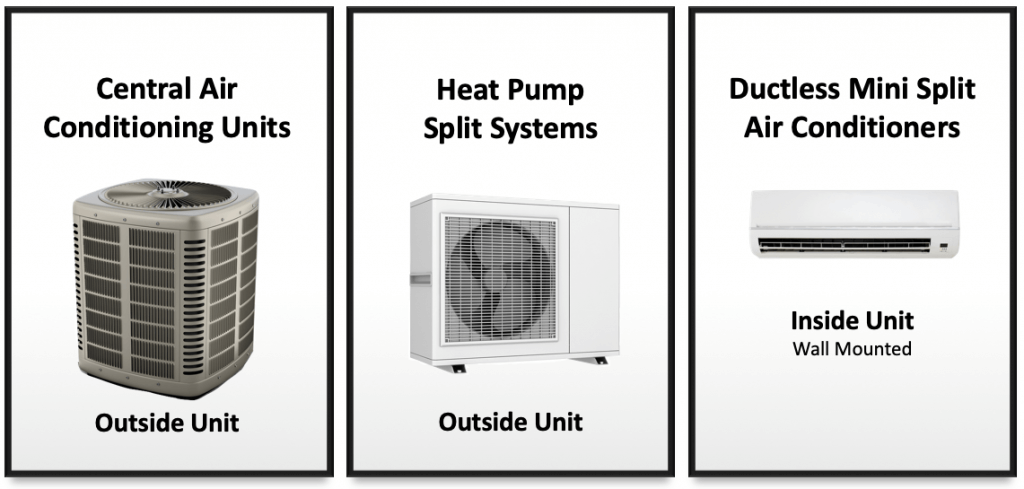
For adding AC to an existing furnace, central air is the typical choice. However, consider ductless mini-splits if your home lacks ductwork or if you want to cool only specific areas.
Step 3: Installation Considerations: DIY vs. Professional
Installing an AC unit involves electrical work, refrigerant handling, and connecting to your existing furnace. This is a complex process that often requires specialized tools and knowledge.
DIY Installation: Proceed with Caution
While some homeowners may be tempted to DIY the installation, it's generally not recommended, especially if you lack experience with HVAC systems. Improper installation can lead to:
- Safety Hazards: Electrical shocks, refrigerant leaks, and gas leaks are all potential dangers.
- Reduced Efficiency: Improper installation can significantly reduce the AC unit's efficiency and lifespan.
- Warranty Voidance: DIY installation may void the AC unit's warranty.
- System Damage: Improper connections can damage your furnace or AC unit.
Warning: Working with electricity, gas, or refrigerant can be extremely dangerous. Always prioritize safety and consult a qualified professional.
Professional Installation: The Safe and Reliable Option
Hiring a qualified HVAC professional ensures the AC unit is installed correctly and safely. A professional will:
- Perform a Thorough Assessment: Evaluate your existing furnace and ductwork to ensure compatibility.
- Size the AC Unit Correctly: Calculate the precise BTU requirement for your home.
- Install the AC Unit and Evaporator Coil: Ensure proper connections and refrigerant levels.
- Test the System: Verify that the AC unit is functioning correctly and efficiently.
- Provide Warranty and Service: Offer warranty coverage and ongoing maintenance services.
Step 4: Basic Troubleshooting (Before Calling a Pro)
Before you call an HVAC technician, there are a few basic checks you can perform:
Power Supply: Is Everything Turned On?
The simplest problems are often the easiest to overlook.
- Check the Breaker: Ensure the circuit breaker for the AC unit and furnace is turned on. If it's tripped, reset it. If it trips again immediately, there's likely a more serious electrical problem.
- Check the Disconnect Switch: Most AC units have a disconnect switch located near the outdoor unit. Make sure it's in the "On" position.
- Furnace Power Switch: Ensure the furnace itself is switched on. This is often a switch located on the side of the unit.
Thermostat Settings: Is it Set Correctly?
Sometimes the issue isn't the equipment itself, but the thermostat.
- Mode Setting: Make sure the thermostat is set to "Cool" and not "Heat" or "Off."
- Temperature Setting: Ensure the thermostat is set to a temperature lower than the current room temperature.
- Fan Setting: Set the fan to "Auto" for normal operation. "On" will run the fan continuously, even when the AC isn't cooling.
- Check Batteries: Replace the batteries in your thermostat if they're low.
Air Filters: Are They Clean?
A dirty air filter can restrict airflow and significantly reduce the efficiency of your AC system, causing it to overheat and potentially shut down. Regularly replace your air filters (typically every 1-3 months).
- Locate the Air Filter: It's usually located in the furnace or in a return air vent.
- Remove the Old Filter: Note the direction of airflow (indicated by an arrow on the filter) for proper installation of the new filter.
- Install a New Filter: Ensure the filter is the correct size and rating for your system.
Outdoor Unit: Check for Obstructions
The outdoor AC unit needs adequate airflow to function properly. Make sure it's free from obstructions.
- Clear Debris: Remove any leaves, branches, or other debris that may be blocking the unit.
- Trim Vegetation: Trim any bushes or shrubs that are growing too close to the unit.
- Ensure Adequate Clearance: The unit should have at least 2-3 feet of clearance on all sides.
When to Call a Professional: Recognizing Complex Issues
If you've tried the basic troubleshooting steps and your AC still isn't working, it's time to call a qualified HVAC professional. Here are some situations that require professional attention:
- Refrigerant Leaks: Refrigerant leaks are a serious issue that requires specialized equipment and expertise.
- Electrical Problems: Any electrical work beyond checking the breaker should be left to a licensed electrician or HVAC technician.
- Compressor Issues: The compressor is the heart of the AC unit. If it's not working, it's a major repair that requires professional attention.
- Strange Noises: Unusual noises from the furnace or AC unit can indicate a mechanical problem that needs to be diagnosed by a professional.
- Icing on the AC Unit: Ice buildup on the AC unit can indicate a refrigerant problem or airflow restriction.
- Furnace Malfunctions: If your furnace is also malfunctioning, it's best to have a professional assess the entire system.
Important Note: Attempting to repair complex HVAC issues yourself can be dangerous and can potentially damage your equipment further. It's always best to err on the side of caution and consult a qualified professional.
Conclusion: Informed Decisions for a Cooler Home
Adding air conditioning to an existing furnace can be a great way to improve your home's comfort. By carefully assessing your furnace, choosing the right AC unit, and understanding the installation requirements, you can make an informed decision that's right for your home and budget. Remember to prioritize safety and consult a qualified HVAC professional for any complex repairs or installations. This will ensure your system operates efficiently and reliably for years to come, keeping you cool and comfortable all summer long.