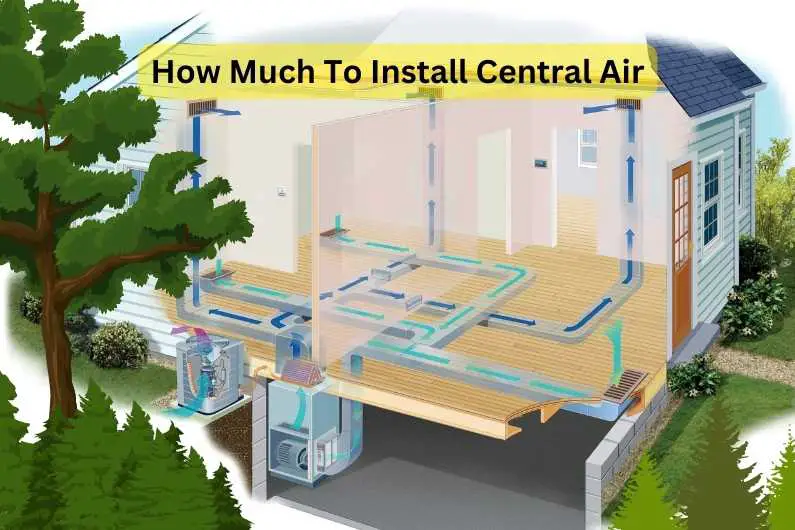
How Much To Install Central Air Conditioning System

A sweltering summer day, and your central air conditioning decides to take a vacation of its own. You're left sweating and wondering, "How much is this going to cost me to fix?" While you might be tempted to immediately call a professional, there are several things you can check yourself. This guide will help you diagnose common AC problems and perform simple fixes, potentially saving you a bundle. We'll also clearly define when it's time to call in the experts.
Step 1: Power and Basic Checks
Before you dive into anything complex, let's start with the basics. Always disconnect the power to your AC unit before performing any maintenance. This prevents electrical shock and potential damage to the system.
Is it plugged in (really!)?
It sounds silly, but make sure the unit is actually plugged in. Check both the indoor and outdoor units, if applicable. Ensure the plug is securely seated in the outlet.
Check the circuit breaker
Go to your electrical panel and look for the breaker labeled "AC," "Air Conditioner," or something similar. Is it tripped (in the "off" position)? If so, flip it all the way to the "off" position and then back to the "on" position. If it trips again immediately, do not keep resetting it. This indicates a more serious electrical problem that requires a professional.
Thermostat settings
Ensure your thermostat is set to "cool" and that the temperature is set *lower* than the current room temperature. It seems obvious, but it's a common oversight. Check the batteries in your thermostat too. A low battery can cause erratic behavior.
Step 2: Airflow Assessment
A central AC unit works by circulating cool air. If there's a blockage, it won't cool effectively.
Check the air filter
This is the most common culprit for reduced AC performance. A dirty air filter restricts airflow, forcing your AC unit to work harder and less efficiently. It can even cause the unit to overheat and shut down.
How to check and replace the air filter:
- Locate the air filter slot. It's usually in the return air vent (the vent where air is drawn *into* the system) or near the indoor unit itself.
- Remove the old filter. Observe how dirty it is. A heavily clogged filter is a sign you need to replace it more frequently.
- Install a *new* filter of the correct size and type. Make sure the airflow direction arrow on the filter matches the airflow direction indicated on the unit.
Ideally, you should check and replace your air filter every 1-3 months, depending on usage and air quality.
Inspect the vents
Make sure all your supply vents (the vents where cool air *comes out*) are open and unobstructed. Close vents in unused rooms can sometimes help direct more cooling to the areas you use most, but make sure you're not closing off more than 20% of the total vents, as this can create back pressure on the system.
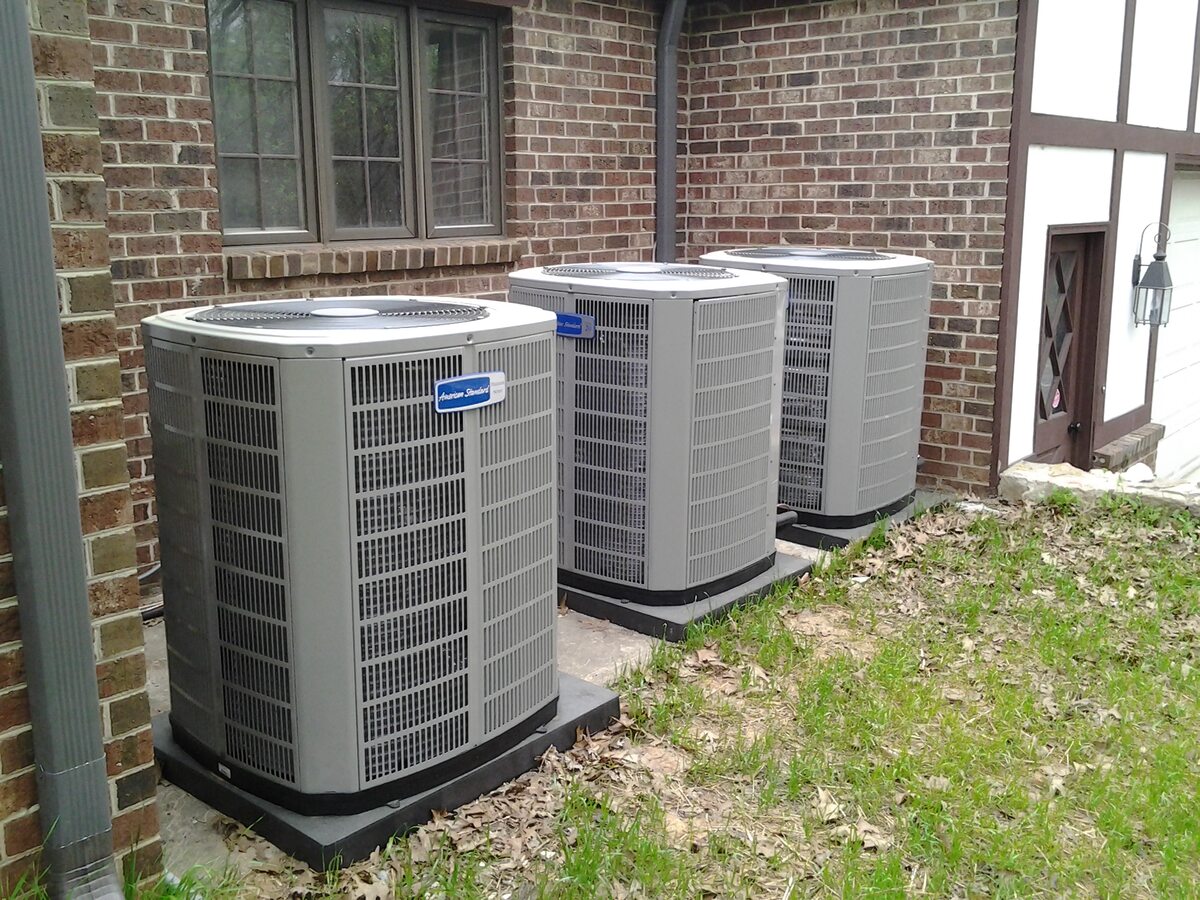
Check the outdoor unit (condenser)
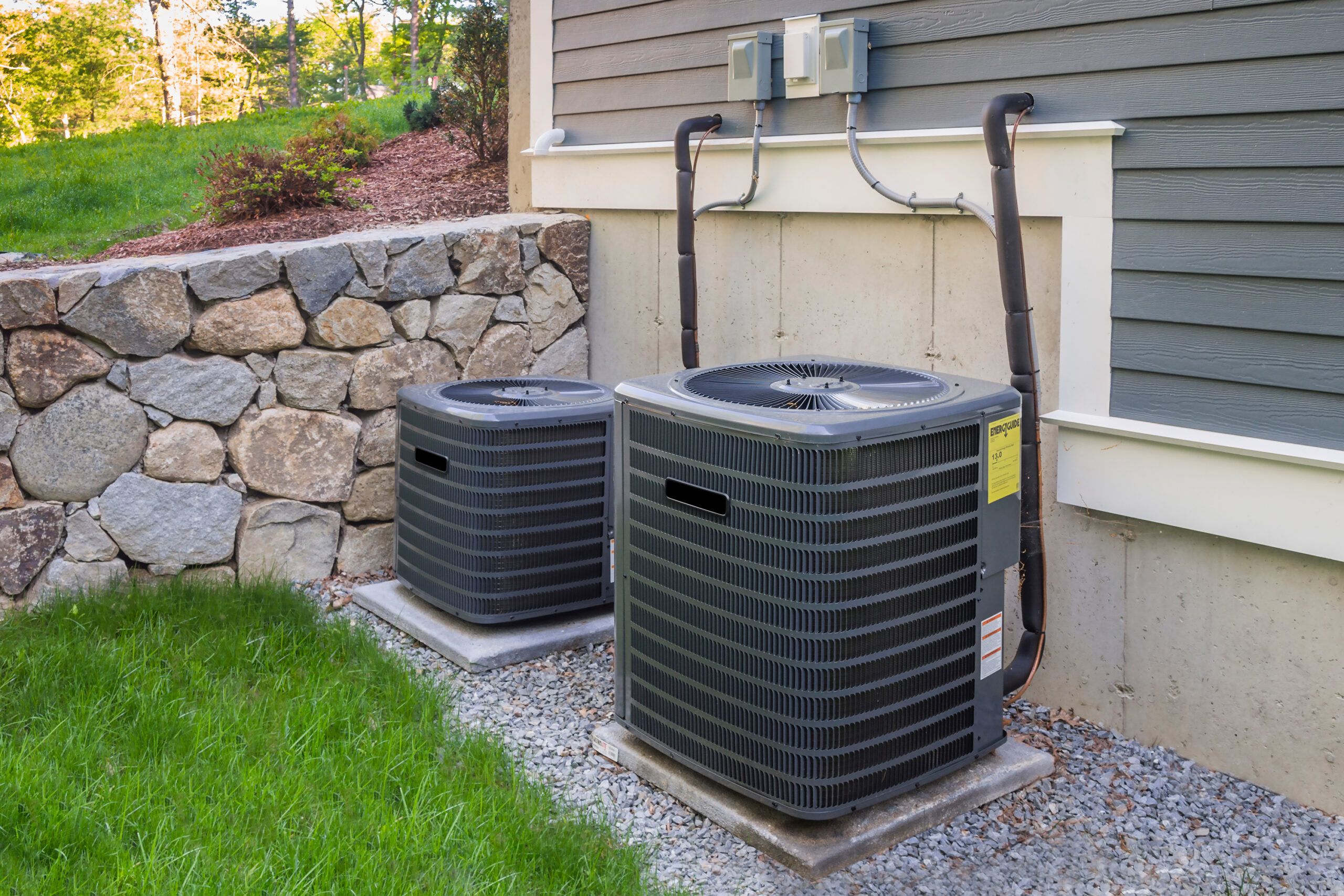
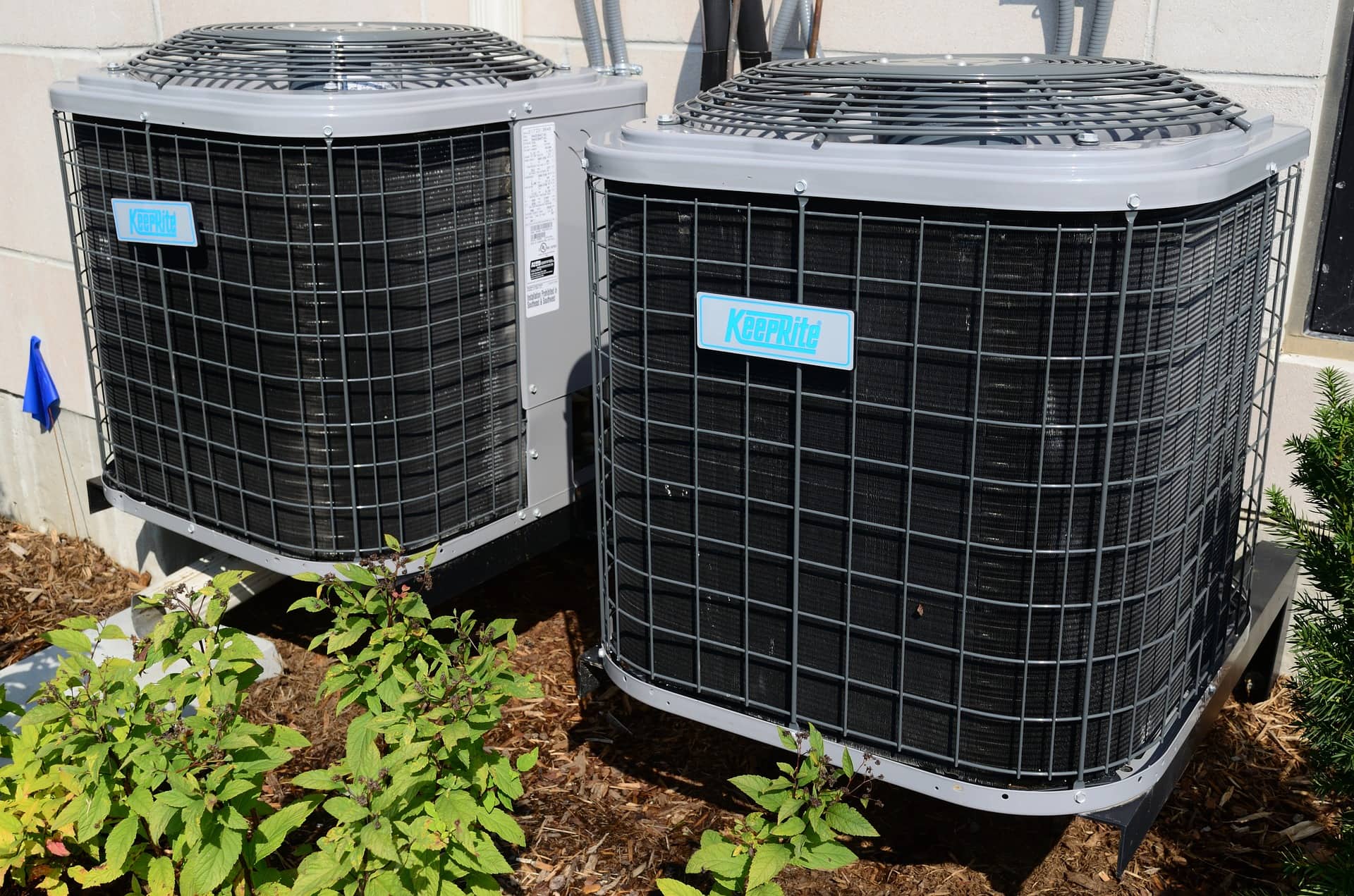
The outdoor unit (also called the condenser) is responsible for releasing heat. If it's blocked, it can't do its job properly.
What to look for:
- Debris: Remove any leaves, branches, grass clippings, or other debris that might be blocking the unit.
- Plants: Trim back any plants that are growing too close to the unit. There should be at least 2-3 feet of clearance around the unit.
- Bent fins: The fins on the outside of the condenser help dissipate heat. If they're bent, they can restrict airflow. You can carefully straighten bent fins with a fin comb (available at most hardware stores). Be gentle!
Step 3: Condensate Drain Line Inspection
Central AC units produce condensation. This water needs to drain properly. A clogged drain line can cause water damage and shut down your AC.
Locate the drain line
The drain line is usually a PVC pipe located near the indoor unit. It may drain into a floor drain, a utility sink, or outside.
Check for clogs
Look for signs of blockage, such as standing water near the drain line or a musty smell. You can try to clear the drain line yourself.
How to clear the drain line:
- Wet/Dry Vacuum: Use a wet/dry vacuum to suck out any blockage from the drain line. Attach the vacuum hose to the end of the drain line and run the vacuum for several minutes.
- Pour in Vinegar: Pour a cup of white vinegar down the drain line. Vinegar helps to dissolve algae and other buildup. Let it sit for 30 minutes, then flush with water.
- Use a Stiff Wire: Gently push a stiff wire (like a coat hanger) into the drain line to break up any clogs. Be careful not to puncture the drain line.
Step 4: Listen Carefully
The sounds your AC unit makes can provide clues about potential problems.
Unusual noises
Listen for these sounds:
- Banging: Could indicate a loose component or a problem with the compressor.
- Screeching: Often indicates a problem with the fan motor or a worn-out belt.
- Hissing: Could be a refrigerant leak.
- Buzzing: Could be an electrical problem or a loose component.
If you hear any of these unusual noises, turn off the unit and call a professional. These sounds usually indicate a more serious problem that requires specialized knowledge and equipment.
When to Call a Professional
While many AC problems can be resolved with simple DIY fixes, some issues require the expertise of a qualified HVAC technician. Here's when you should definitely call for professional help:
- Refrigerant leaks: Refrigerant is a hazardous substance, and handling it requires specialized equipment and training.
- Compressor problems: The compressor is the heart of the AC unit. Replacing or repairing it is a complex and expensive job.
- Electrical issues: If you suspect an electrical problem, do not attempt to fix it yourself. Electrical work is dangerous and should only be performed by a qualified electrician or HVAC technician.
- Frozen evaporator coil: While a dirty air filter can cause a frozen coil, it can also be caused by a refrigerant leak or a problem with the compressor.
- Persistent problems: If you've tried all the DIY fixes and your AC unit is still not working properly, it's time to call a professional.
- Any work that requires opening sealed refrigerant lines. This requires EPA certification and special equipment.
Specifically, DO NOT attempt to:
- Add refrigerant to the system.
- Repair or replace the compressor.
- Work on any electrical components beyond checking the breaker and thermostat batteries.
Preventative Maintenance
The best way to avoid costly AC repairs is to perform regular preventative maintenance. Here are some tips:
- Change your air filter regularly: As mentioned earlier, this is the most important thing you can do.
- Clean the outdoor unit: Remove debris and trim back plants around the unit.
- Schedule annual professional maintenance: A qualified HVAC technician can inspect your system, clean the coils, check the refrigerant levels, and identify any potential problems before they become major issues.
Finding a Reputable HVAC Technician
When it's time to call a professional, it's important to choose a reputable HVAC technician. Here are some tips:
- Get recommendations: Ask friends, family, and neighbors for recommendations.
- Check online reviews: Look for reviews on sites like Yelp, Google, and Angie's List.
- Verify licensing and insurance: Make sure the technician is licensed and insured.
- Get multiple quotes: Get quotes from several technicians before making a decision.
- Ask about warranties: Find out what kind of warranty the technician offers on their work.
Don't be afraid to ask questions. A good technician will be happy to explain the problem and the proposed solution.
Conclusion
While a broken AC can be stressful, knowing how to diagnose common problems and perform simple fixes can save you time and money. By following the steps outlined in this guide, you can empower yourself to troubleshoot your AC system and determine when it's time to call in the professionals. Remember to always prioritize safety and never attempt repairs beyond your skill level. With a little knowledge and effort, you can keep your AC running smoothly all summer long and avoid expensive surprises.