How Much Water Does A Radiator Hold
Frequently Asked Questions: Radiator Water Capacity
Understanding how much water your radiators hold is important for various reasons, from calculating the correct amount of inhibitor to estimating heating system capacity. This FAQ aims to answer common questions about radiator water volume, providing practical information for homeowners and facility managers.
Question 1: How much water does a typical radiator hold?
The amount of water a radiator holds varies considerably depending on its size, type, and design. There isn't a single "typical" amount. However, a common rule of thumb is:
- Small single panel radiators: Can hold around 2-3 liters.
- Medium double panel radiators: Might hold between 4-6 liters.
- Large double panel radiators with convector fins: Could hold 8 liters or more.
Keep in mind these are estimates. To know the exact capacity, you need to consult the manufacturer's specifications or use a more precise method (explained later).
Question 2: Where can I find the exact water capacity of my radiator?
The most reliable way to find the water capacity is to check the manufacturer's documentation. Here's where to look:
- Radiator Manufacturer's Website: Search for your radiator model on the manufacturer's website. Product specifications often include the water capacity.
- Installation Manual: The installation manual that came with the radiator usually lists technical details, including water volume.
- Product Label or Sticker: Some radiators have a label or sticker on the back or side that includes important information, such as model number and sometimes capacity.
If you can't find the information online or in paper form, try contacting the manufacturer directly. Provide them with the radiator's model number, and they should be able to provide the water capacity information.
Question 3: Is there a way to calculate the water capacity of a radiator if I can't find the specifications?
Yes, you can estimate the water capacity if you can't find the exact specifications. This method involves measuring the radiator's dimensions and making some assumptions about its internal structure. However, be aware that this will only provide an approximation.
Here's a simplified method:
- Measure the Radiator: Measure the height, width, and depth of the radiator in centimeters.
- Estimate Core Volume: The core volume refers to the internal space where the water resides. Estimating this requires a bit of judgement.
- For single panel radiators, assume that approximately 60-70% of the depth is core volume.
- For double panel radiators, assume that approximately 70-80% of the depth is core volume.
- Calculate the Core Volume: Multiply the height, width, and estimated core depth to get the core volume in cubic centimeters (cm³).
- Convert to Liters: Since 1 liter is equal to 1000 cm³, divide the core volume in cm³ by 1000 to get the approximate water capacity in liters.
Example: A double panel radiator measures 60cm (height) x 80cm (width) x 10cm (depth). Assuming 75% of the depth is core volume, the core depth is 7.5cm. The core volume is 60 x 80 x 7.5 = 36000 cm³. Dividing by 1000 gives an estimated water capacity of 36 liters. This is an example for calculation purposes; actual radiator volume will vary greatly.
Important Note: This method provides a rough estimate. It doesn't account for the internal design complexity of the radiator, the volume displaced by the internal fins, or the exact shape of the water channels. It's best used as a last resort when no other information is available.
Question 4: Why is it important to know the water capacity of my radiators?
Knowing the water capacity of your radiators is crucial for several reasons:
- Calculating Inhibitor Dosage: Central heating systems require chemical inhibitors to prevent corrosion and scale buildup. The correct dosage of inhibitor is based on the total water volume in the system. Underdosing can lead to corrosion, while overdosing can damage components.
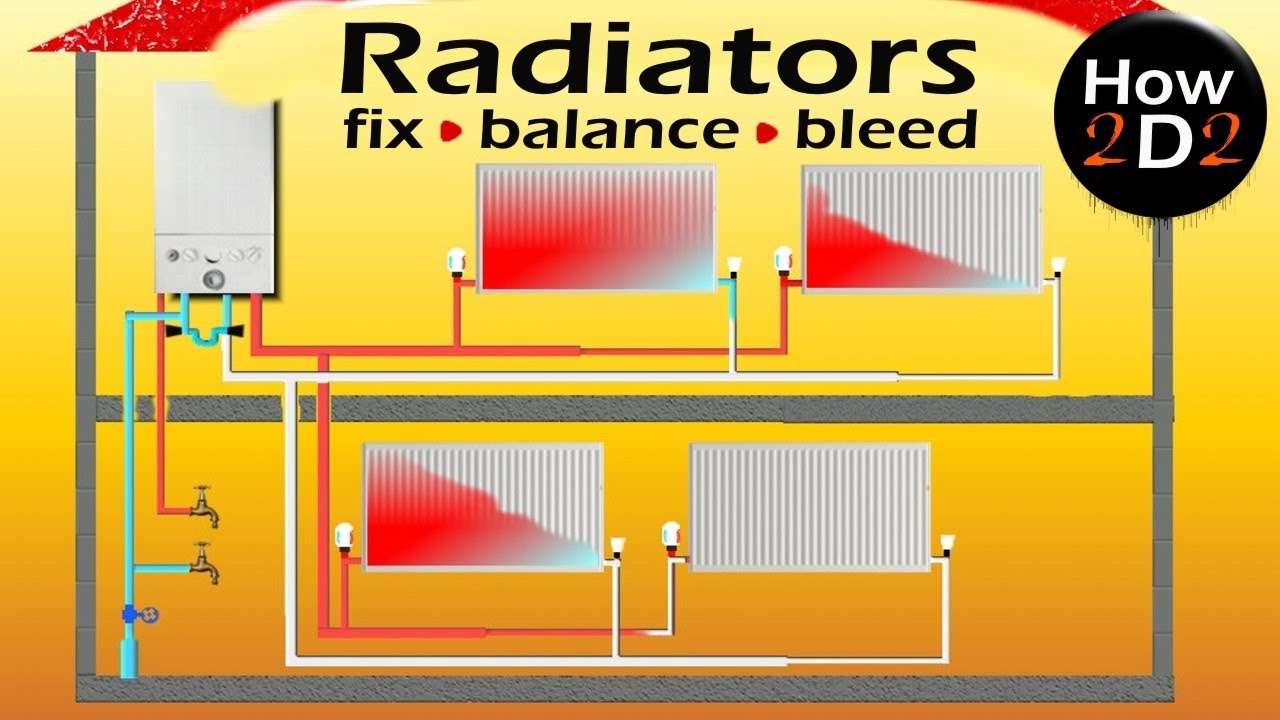
- Balancing the Heating System: Knowing the volume can help when balancing the system by controlling flow rates through each radiator. Although balancing doesn't directly depend on water volume, it does inform the overall system dynamics.
- Estimating Heating System Capacity: The total water volume in the heating system is a factor in calculating the system's overall thermal capacity, which is useful for selecting a correctly sized boiler.
- Troubleshooting Heating Problems: If you suspect a leak, knowing the approximate water capacity can help you determine how much water has been lost.
Question 5: How does the type of radiator (e.g., steel, cast iron, aluminum) affect its water capacity?
The material of the radiator (steel, cast iron, or aluminum) doesn't directly dictate its water capacity. Water capacity is more dependent on the size, design, and internal structure of the radiator, regardless of the material.
However, there are some indirect correlations:
- Cast Iron Radiators: Traditionally, cast iron radiators were larger and had a higher water content compared to some modern radiators. While some new cast iron radiators are available, they often maintain this larger profile.
- Steel Panel Radiators: Steel panel radiators are generally more compact and lighter, so they often have lower water capacity compared to older cast iron models of similar size.
- Aluminum Radiators: Aluminum radiators are known for their high thermal conductivity and can be designed with efficient heat transfer in mind. Their water capacity varies depending on design, often being similar to or slightly less than steel panel radiators of comparable size.
The internal design is crucial. A modern, high-efficiency steel radiator might have a similar water capacity to a slightly older, less efficient cast iron radiator. Always check the manufacturer's specifications for the most accurate information.
Question 6: Will adding or removing radiators significantly impact the total water volume of my heating system?
Yes, adding or removing radiators will directly impact the total water volume of your heating system. Each radiator contributes to the overall water capacity. The magnitude of the impact depends on the size and number of radiators added or removed.
- Adding Radiators: Adding radiators increases the total water volume, which could require adjusting the inhibitor dosage and potentially re-evaluating the boiler's capacity, particularly if adding a significant number of large radiators.
- Removing Radiators: Removing radiators reduces the total water volume. You'll need to recalculate the inhibitor dosage to ensure proper protection.
After adding or removing radiators, it's a good idea to:
- Rebalance the Heating System: Adjust the radiator valves to ensure even heat distribution.
- Check and Adjust Inhibitor Levels: Use a testing kit to verify the inhibitor concentration is within the recommended range. Add more inhibitor if necessary.
Question 7: How can I accurately measure the water capacity of my entire heating system?
Accurately measuring the total water capacity of your entire heating system can be challenging, especially in older systems where documentation is lacking. Here's a practical approach that combines estimation with a controlled fill process:
- Drain the System: Completely drain the entire central heating system, including all radiators, pipes, and the boiler. Ensure all drain valves are fully opened and that air vents are open to allow air to enter, facilitating complete drainage.
- Close All Drain Valves: Once the system is fully drained, securely close all drain valves.
- Refill the System Using a Metered Water Source: Refill the system using a water source with a meter (like your household water meter). Record the meter reading before you start filling.
- Fill to Normal Operating Pressure: Slowly fill the system until it reaches its normal operating pressure, as indicated on the boiler's pressure gauge.
- Record the Meter Reading Again: Once the system is full, record the water meter reading again.
- Calculate the Difference: Subtract the initial meter reading from the final meter reading. The difference is the amount of water (in liters or gallons, depending on your meter) required to fill the system. This represents the approximate total water capacity.
Important Considerations:
- Air Vents: Ensure all air vents (on radiators and at high points in the pipework) are open during the filling process to allow air to escape. Trapped air can lead to inaccurate measurements.
- Safety: Exercise caution when working with water and heating systems. Consult a qualified professional if you are unsure about any part of the process.
- Expansion Tank: The expansion tank is designed to accommodate changes in water volume due to temperature fluctuations. If your expansion tank is pre-charged with air, this will impact your readings slightly.
This method offers a more accurate measurement compared to simply estimating based on individual radiator capacities. After refilling the system, remember to add the correct amount of inhibitor based on the measured water volume.



:max_bytes(150000):strip_icc()/hot-water-vs-steam-radiators-1821916_V3-718158766dc344c0a8a5976fa7002b65.png)