How Often Change Ac Air Filter

Maintaining a healthy and efficient HVAC (Heating, Ventilation, and Air Conditioning) system hinges on a simple, yet crucial task: regularly changing your air filter. The frequency with which you perform this task directly impacts your system's performance, energy consumption, and indoor air quality. While a "one-size-fits-all" answer doesn't exist, understanding the factors influencing filter lifespan and adopting a proactive approach is essential for every homeowner, HVAC technician, and facility manager.
Understanding Air Filters and Their Role
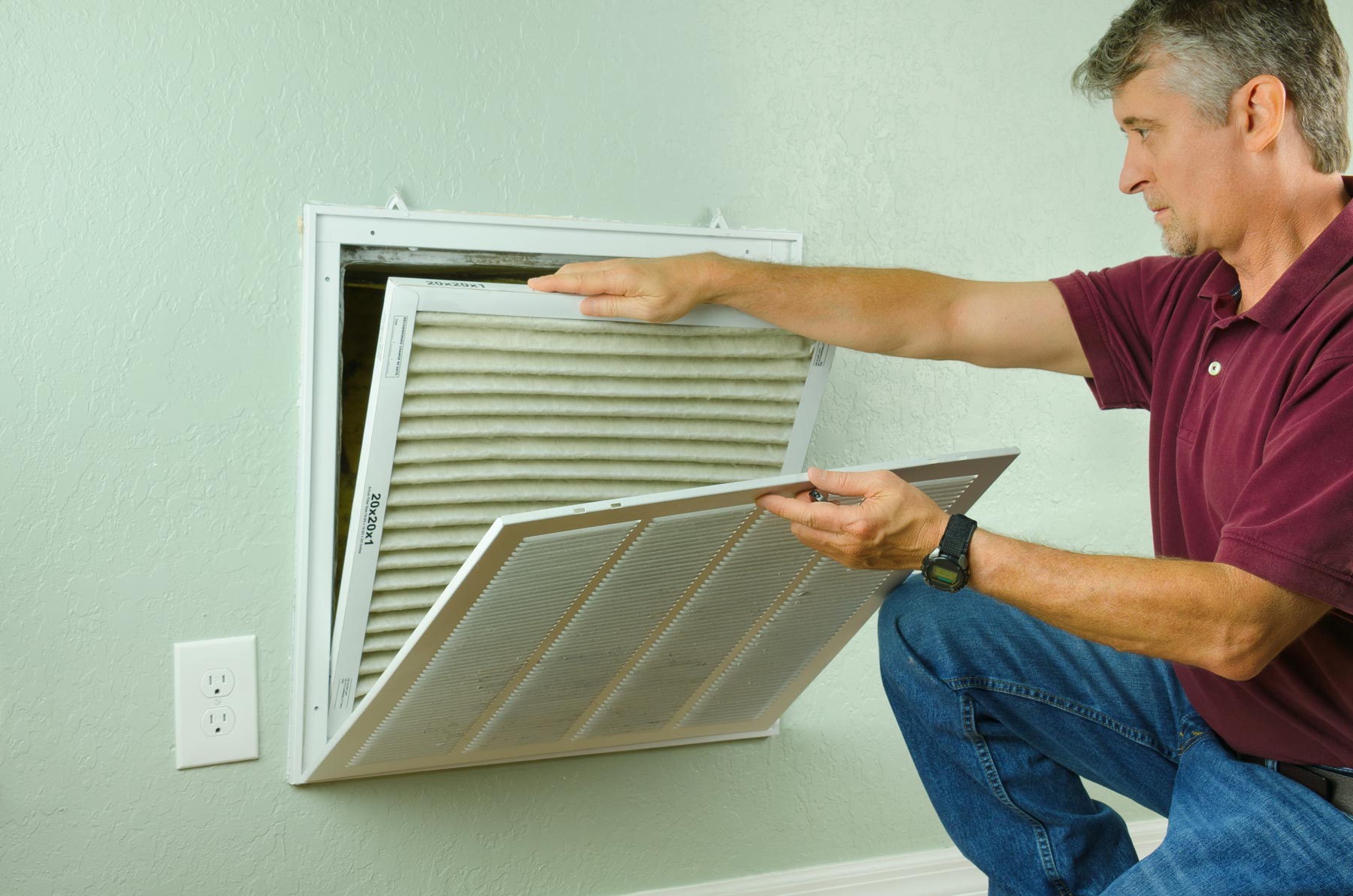
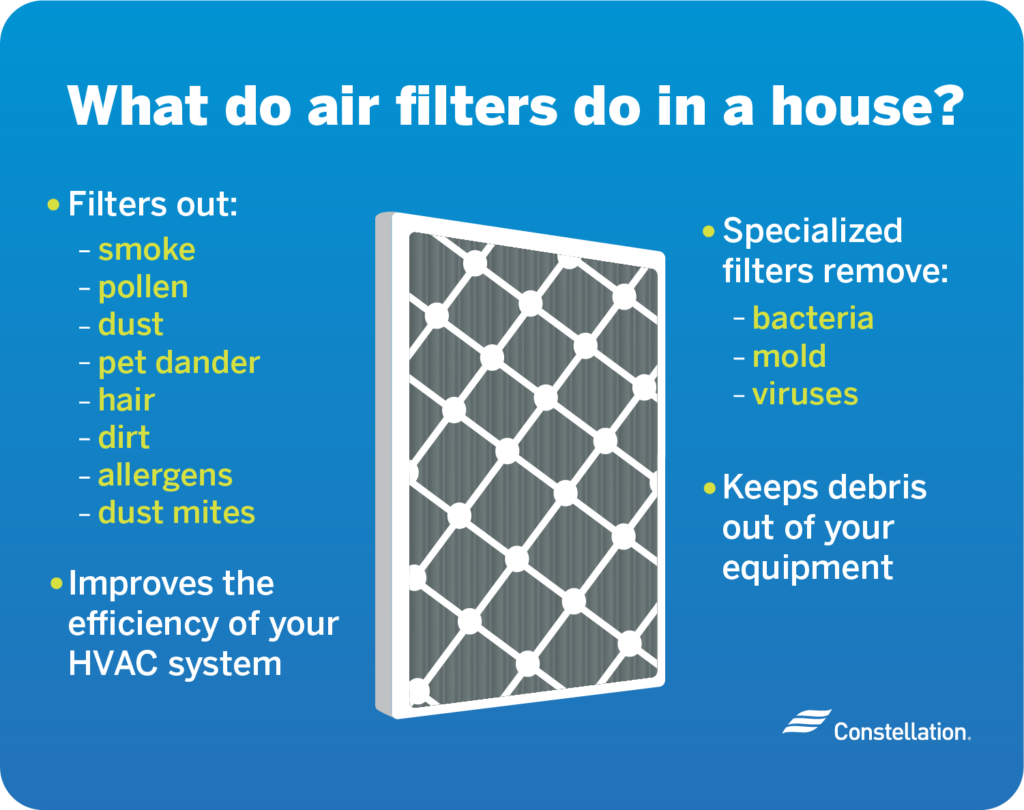
Before delving into change frequency, let's clarify what an air filter does. Located within your HVAC system, typically near the air handler or furnace, the air filter's primary function is to capture airborne particles such as dust, pollen, pet dander, and other debris. These particles can damage sensitive HVAC components like the blower motor and evaporator coil, reducing efficiency and lifespan. Furthermore, a clean filter contributes significantly to improved indoor air quality, reducing allergens and irritants.
Air filters are typically rated using the MERV (Minimum Efficiency Reporting Value) system. MERV ratings range from 1 to 20, with higher numbers indicating greater filtration efficiency. A filter with a MERV rating of 1-4 will capture larger particles like dust mites and pollen. A MERV 8 filter captures smaller particles, including mold spores. A MERV 11 or higher will remove the smallest particles like bacteria and virus carriers. While higher MERV ratings offer better filtration, they can also restrict airflow, potentially straining your HVAC system. Choosing the appropriate MERV rating for your system and needs is crucial, and consulting with an HVAC professional is always recommended.
Factors Influencing Air Filter Change Frequency
Several factors dictate how often you should change your air filter. These include:
- Filter Type: Different filter types have varying lifespans. Standard fiberglass filters, the least expensive option, typically need changing every 30 days. Pleated filters, offering better filtration, can last 60-90 days. High-efficiency particulate air (HEPA) filters, designed for maximum filtration, may last even longer, but their airflow restriction necessitates careful consideration.
- Household Occupants: Homes with multiple occupants, especially those with pets, generate more dust and dander. Consequently, the air filter will require more frequent changes, potentially every 30-60 days.
- Pet Ownership: Pets shed fur and dander, significantly increasing the particle load in your home. Pet owners should plan to change their air filters more often, perhaps every 30-45 days, or even more frequently depending on the number and type of pets.
- Allergies and Respiratory Issues: Individuals with allergies or respiratory conditions, such as asthma, benefit from cleaner indoor air. Changing the air filter every 20-45 days can significantly reduce allergen and irritant levels.
- Usage Frequency: If you run your HVAC system constantly, especially during peak heating or cooling seasons, the air filter will accumulate dirt faster. In such cases, more frequent changes are necessary, potentially every 30-60 days.
- Environmental Factors: Homes located in dusty areas, near construction sites, or with high pollen counts will require more frequent air filter changes. For example, homes near agricultural areas may need monthly changes during harvest season.
General Guidelines for Air Filter Replacement
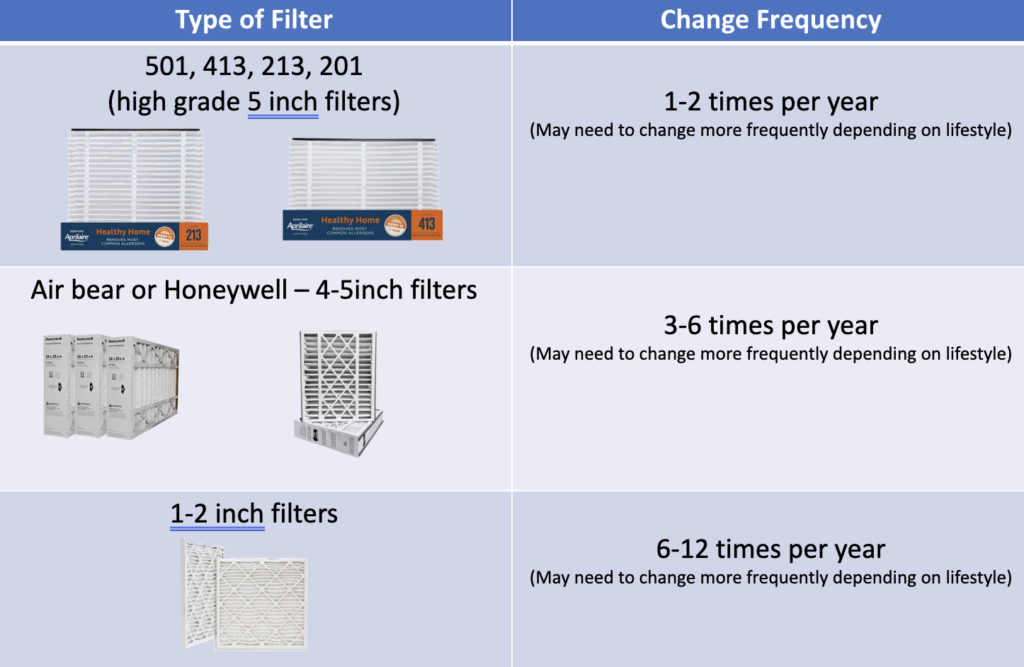
While the aforementioned factors provide context, here are some general guidelines for air filter replacement based on filter type:
- 1-inch Fiberglass Filters: Replace every 30 days. These are the least expensive but also the least effective.
- 1-inch Pleated Filters: Replace every 60-90 days. A good balance of cost and filtration.
- 4-inch or 5-inch Media Filters: Replace every 6-12 months. These are typically found in higher-end systems and offer superior filtration and lifespan.
- HEPA Filters: Replace as recommended by the manufacturer. This is generally every 6-12 months, but always check the specific instructions.
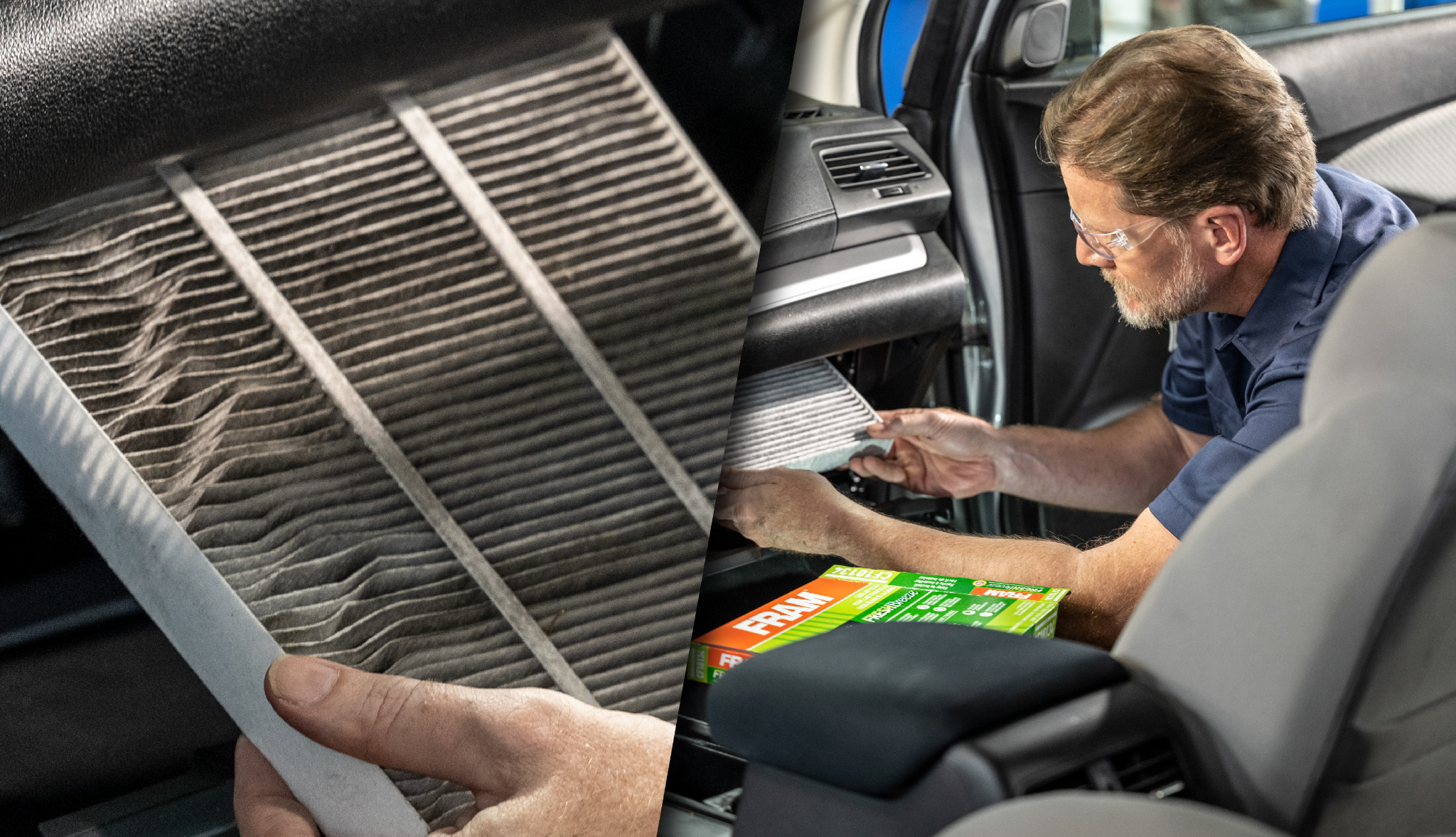
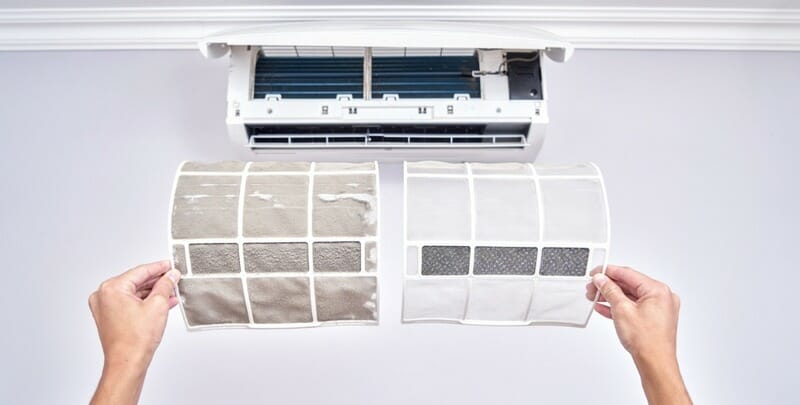
Remember: These are just guidelines. Regularly inspecting your air filter is the best way to determine when it needs replacing. A dirty filter will appear visibly clogged with dust and debris.
The Consequences of Neglecting Air Filter Maintenance
Ignoring air filter maintenance can lead to a cascade of problems, impacting your HVAC system's performance, your health, and your wallet. These include:
- Reduced Airflow: A clogged filter restricts airflow, forcing your HVAC system to work harder to maintain the desired temperature. This reduces efficiency and increases energy consumption. Imagine trying to breathe through a thick cloth – that's what your system is experiencing.
- Increased Energy Bills: As your system struggles to circulate air, it consumes more energy, resulting in higher utility bills. A dirty filter can increase energy consumption by 5-15%.
- HVAC System Damage: Reduced airflow can cause the system's components to overheat, potentially leading to costly repairs or premature failure. For example, the blower motor may burn out due to excessive strain.
- Poor Indoor Air Quality: A dirty filter cannot effectively capture airborne particles, leading to poor indoor air quality. This can exacerbate allergies, asthma, and other respiratory conditions.
- Frozen Evaporator Coil: In extreme cases, restricted airflow can cause the evaporator coil to freeze, leading to system shutdown and potentially expensive repairs.
Best Practices for Air Filter Maintenance
Adopting a proactive approach to air filter maintenance is the key to maximizing your HVAC system's efficiency and lifespan. Here are some best practices:
- Regularly Inspect Your Filter: Check your air filter at least once a month, especially during peak heating and cooling seasons. Hold it up to the light – if you can't see light clearly through it, it's time for a change.
- Mark Your Calendar: Set reminders on your phone or calendar to inspect and replace your air filter on a regular basis.
- Keep Spare Filters on Hand: Always have a supply of replacement filters on hand to avoid delays when a replacement is needed.
- Choose the Right MERV Rating: Consult with an HVAC professional to determine the appropriate MERV rating for your system and needs. Avoid excessively high MERV ratings that can restrict airflow.
- Properly Install the Filter: Ensure the air filter is properly installed with the arrow pointing in the direction of airflow.
- Consider a Professional HVAC Inspection: Schedule regular HVAC inspections to identify potential problems, including issues related to airflow and filtration.
The Cost of Air Filter Replacement vs. Repair
The cost of air filters varies depending on the type and MERV rating. However, even the most expensive filters are relatively inexpensive compared to the cost of HVAC repairs resulting from neglected maintenance. A standard 1-inch fiberglass filter may cost a few dollars, while a high-efficiency pleated filter could cost $10-$20. In contrast, replacing a blower motor can cost several hundred dollars, and replacing an entire HVAC system can cost thousands. Investing in regular air filter replacement is a small price to pay for preventing costly repairs and extending the lifespan of your HVAC system.
Air Filter Maintenance for Facility Managers
For facility managers responsible for maintaining large buildings, air filter maintenance is even more critical. Large buildings typically have multiple HVAC systems, and neglecting air filter maintenance can lead to significant energy waste and increased maintenance costs. Implementing a systematic air filter replacement program is essential.
This program should include:
- Regular Inspections: Conducting routine air filter inspections across all HVAC systems.
- Scheduled Replacements: Establishing a scheduled air filter replacement program based on filter type, usage, and environmental conditions.
- Inventory Management: Maintaining an adequate inventory of replacement filters to ensure timely replacements.
- Documentation: Keeping detailed records of air filter replacements, including dates, filter types, and system locations.
- Training: Providing training to maintenance staff on proper air filter replacement procedures.
By implementing a comprehensive air filter maintenance program, facility managers can optimize HVAC system performance, reduce energy consumption, improve indoor air quality, and minimize maintenance costs.
Conclusion
Regularly changing your air filter is a simple yet essential task that significantly impacts your HVAC system's performance, energy efficiency, and indoor air quality. By understanding the factors influencing filter lifespan, adopting a proactive maintenance approach, and consulting with an HVAC professional, you can ensure that your system operates efficiently, provides clean air, and avoids costly repairs. Whether you're a homeowner, an HVAC technician, or a facility manager, prioritizing air filter maintenance is a smart investment in the long-term health and performance of your HVAC system and the well-being of those who occupy the space it serves.