How Often Should You Change Your Hvac Filter
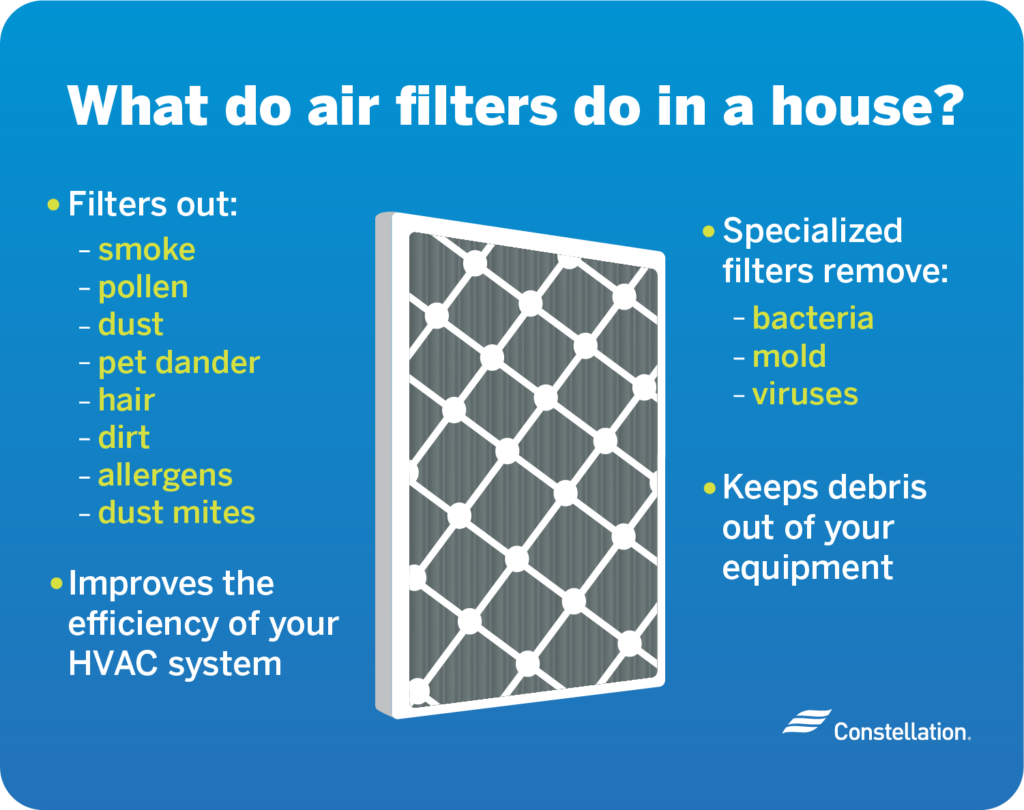
HVAC systems are the unsung heroes of our homes and buildings, diligently working to keep us comfortable year-round. But like any complex machine, they require regular maintenance to operate efficiently and reliably. One of the most crucial, yet often overlooked, aspects of HVAC maintenance is changing the air filter. So, how often should you actually change your HVAC filter? The answer, as with many things HVAC-related, isn't a simple one-size-fits-all. It depends on a variety of factors.
Factors Influencing Filter Replacement Frequency
Determining the ideal replacement schedule for your HVAC filter involves considering several key variables. These include:
Type of Filter
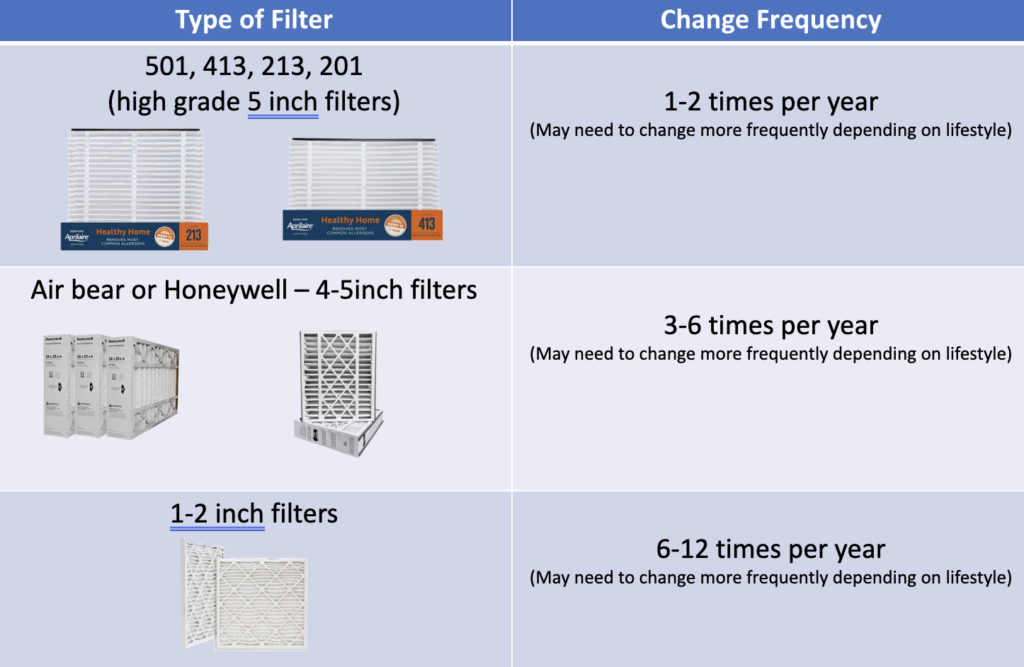
HVAC filters come in a range of materials and designs, each with varying levels of filtration efficiency and lifespan. The most common types include:
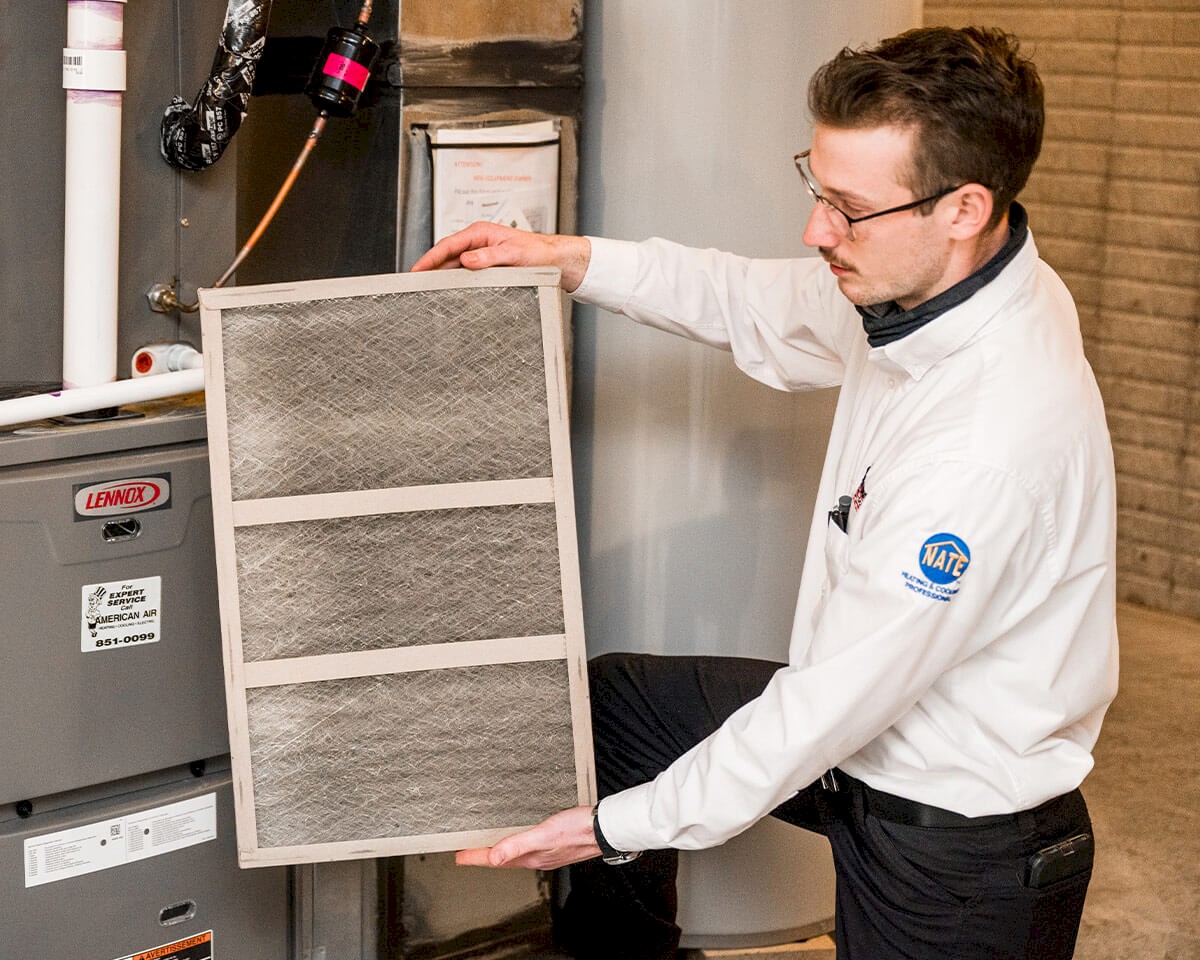
- Fiberglass Filters: These are the least expensive and offer minimal filtration. They primarily protect the HVAC equipment from large debris. Expect to replace these monthly, especially during periods of heavy use.
- Pleated Filters: More effective at trapping smaller particles like pollen and dust mites. Pleated filters are a popular choice for homeowners. Change these every 1-3 months, depending on the MERV rating and environmental conditions.
- Electrostatic Filters: These filters use an electrostatic charge to attract and trap particles. They offer good filtration and can be washable, reducing replacement costs. However, washable filters require thorough cleaning and drying. Change disposable electrostatic filters every 2-3 months. Clean washable types per manufacturer's instructions.
- HEPA Filters: High-Efficiency Particulate Air (HEPA) filters are the gold standard in air filtration, capable of removing 99.97% of particles 0.3 microns or larger. While offering superior air quality, they can restrict airflow, potentially straining the HVAC system. HEPA filters are typically used in specialized applications and may not be suitable for all HVAC systems. Replacement frequency is typically every 6-12 months.
The MERV (Minimum Efficiency Reporting Value) rating indicates a filter's ability to capture particles of different sizes. Higher MERV ratings mean better filtration, but also potentially increased airflow restriction. Always check your HVAC system's specifications to ensure the filter you choose is compatible and won't impede performance.
Household Conditions
The environment within your home significantly impacts how quickly your HVAC filter becomes clogged. Consider these factors:
- Pets: Homes with pets, especially those that shed heavily, require more frequent filter changes. Pet dander and hair can quickly accumulate in the filter, reducing its efficiency. Consider changing your filter every 1-2 months if you have pets.
- Allergies or Asthma: If someone in your household suffers from allergies or asthma, using a higher MERV filter and changing it more frequently is crucial. This helps to remove allergens and irritants from the air, improving indoor air quality. Change every 1-2 months during allergy season.
- Smoking: Smoking indoors introduces a significant amount of particulate matter into the air, requiring more frequent filter changes. Consider changing the filter every month. Ideally, avoid smoking indoors altogether.
- Construction or Renovation: Dust and debris generated during construction or renovation projects can quickly clog HVAC filters. Change the filter immediately after any such project is completed, and consider changing it more frequently during the project itself (perhaps every 2 weeks).
HVAC System Usage
The frequency with which you use your HVAC system directly affects filter lifespan. If you run your system constantly, particularly during peak heating and cooling seasons, the filter will become clogged more quickly.
- Year-Round Usage: If you use your HVAC system year-round, especially in climates with extreme temperatures, you'll need to change the filter more often than someone who only uses it seasonally. Consider changing the filter every 1-2 months.
- Seasonal Usage: If you only use your HVAC system during specific seasons, you can likely extend the filter replacement interval. However, it's still important to check the filter regularly and change it if it appears dirty. A good starting point is every 3 months.
Geographic Location
Your geographic location also plays a role. Areas with high levels of pollen, dust, or air pollution will necessitate more frequent filter changes.
- High Pollen Areas: If you live in an area with a high pollen count, especially during allergy season, you'll need to change your filter more frequently. Monthly changes may be necessary.
- Dusty or Polluted Areas: Similarly, if you live in a dusty or polluted area, you'll need to change your filter more often to maintain good air quality and system efficiency. Monthly changes might be needed in these conditions.
Consequences of Neglecting Filter Changes
Failing to change your HVAC filter regularly can lead to a variety of problems, impacting both the performance and lifespan of your system.
- Reduced Airflow: A clogged filter restricts airflow, forcing your HVAC system to work harder to maintain the desired temperature. This leads to reduced efficiency and higher energy bills. A restricted airflow means the system runs longer and harder to compensate.
- Increased Energy Consumption: As the system works harder, it consumes more energy, resulting in higher utility costs. A seemingly small investment in filters can save you significant money on your energy bills over time.
- System Overheating: Restricted airflow can cause the HVAC system to overheat, potentially leading to component failures and costly repairs. For example, the compressor, the heart of your cooling system, can overheat and fail prematurely.
- Poor Indoor Air Quality: A dirty filter can release trapped pollutants back into the air, degrading indoor air quality and potentially exacerbating allergies and respiratory problems.
- Frozen Evaporator Coil: In cooling systems, restricted airflow can cause the evaporator coil to freeze, leading to system shutdown and potential damage.
- Shortened System Lifespan: The added strain on the HVAC system due to a clogged filter can shorten its lifespan, requiring premature replacement.
Practical Tips for Determining Filter Replacement Frequency
While the general guidelines above provide a starting point, the best way to determine your ideal filter replacement frequency is to regularly inspect your filter. Here are some practical tips:
- Visual Inspection: Remove the filter and hold it up to a light source. If you can't see light through the filter, it's likely clogged and needs to be replaced.
- The "3-Month Rule" as a Minimum: Even if the filter appears relatively clean, it's generally a good idea to replace it at least every 3 months, especially for standard pleated filters. This ensures optimal performance and air quality.
- Start with Monthly Checks: For the first few months after installing a new HVAC system or moving into a new home, check the filter monthly to get a sense of how quickly it becomes dirty.
- Keep a Record: Keep a record of when you change your filter. This will help you establish a consistent replacement schedule.
- Consider a Smart Thermostat: Some smart thermostats can track filter usage and send you reminders when it's time to change the filter.
Choosing the Right Filter
Selecting the appropriate filter for your HVAC system is crucial for both performance and air quality. Consider the following factors:
- Filter Size: Ensure the filter is the correct size for your HVAC system. The size is usually printed on the filter frame. Using the wrong size can lead to air leakage and reduced filtration efficiency.
- MERV Rating: Choose a MERV rating that balances filtration efficiency with airflow. A higher MERV rating provides better filtration but can restrict airflow, potentially straining your system. Consult your HVAC system's manual or a qualified technician for recommendations. Typically, for residential use, a MERV rating between 8 and 13 is a good balance.
- Filter Material: Consider the different filter materials and their respective advantages and disadvantages. Pleated filters are a good all-around choice for most homeowners.
Cost Considerations
The cost of HVAC filters varies depending on the type, MERV rating, and brand. Fiberglass filters are the least expensive, while HEPA filters are the most expensive. Pleated filters offer a good balance of cost and performance. Washable filters can save money in the long run, but require regular cleaning and may not be as effective as disposable filters. Always factor in the long-term cost of filter replacements when choosing a filter type.
HVAC Filter Replacement: A Step-by-Step Guide
Replacing your HVAC filter is a simple task that most homeowners can perform themselves. Here's a step-by-step guide:
- Turn Off the HVAC System: Before starting, turn off your HVAC system at the thermostat to prevent dust and debris from being circulated.
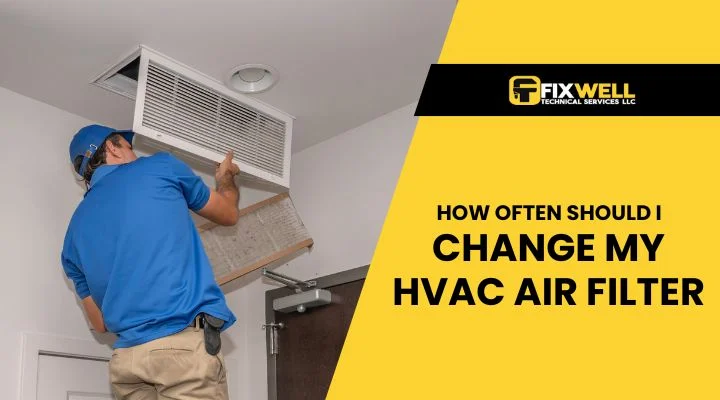
- Locate the Filter: The filter is typically located in the return air vent or inside the air handler unit. Consult your HVAC system's manual for the exact location.
- Remove the Old Filter: Carefully remove the old filter, noting the direction of airflow (usually indicated by an arrow on the filter frame).
- Install the New Filter: Insert the new filter, ensuring that the airflow arrow points in the correct direction (towards the blower motor).
- Replace the Cover: Securely replace the filter access panel or vent cover.
- Turn On the HVAC System: Turn your HVAC system back on at the thermostat.
By following these guidelines and regularly inspecting your HVAC filter, you can ensure optimal system performance, improved indoor air quality, and reduced energy costs. Consistent maintenance, including filter replacement, is key to extending the lifespan of your HVAC system and maintaining a comfortable and healthy indoor environment. Remember that these are general recommendations, and consulting with a qualified HVAC technician is always advisable for personalized advice tailored to your specific needs and system.