How To Add Dehumidifier To Hvac

The HVAC industry is constantly evolving, driven by advancements in technology and increasing demand for energy-efficient and comfortable indoor environments. One area experiencing significant growth is indoor air quality (IAQ), with dehumidification playing a critical role. Understanding how to integrate dehumidifiers into HVAC systems is becoming an increasingly valuable skill for HVAC professionals. This article provides a comprehensive overview of adding dehumidifiers to HVAC systems, covering technical aspects, career opportunities, salary expectations, and relevant certifications.
Understanding the Need for Dehumidification
High humidity levels can create uncomfortable living conditions, promote mold growth, and exacerbate respiratory problems. In certain climates or buildings with specific occupancy patterns, relying solely on an air conditioner for dehumidification may not be sufficient. This is where dedicated dehumidification systems come into play. Adding a dehumidifier to an HVAC system allows for precise humidity control, independent of temperature settings, improving overall IAQ and comfort. According to the EPA, maintaining indoor humidity between 30% and 50% can significantly reduce the risk of mold growth and dust mite infestations.
Types of Dehumidifiers for HVAC Systems
There are primarily two types of dehumidifiers commonly integrated with HVAC systems:
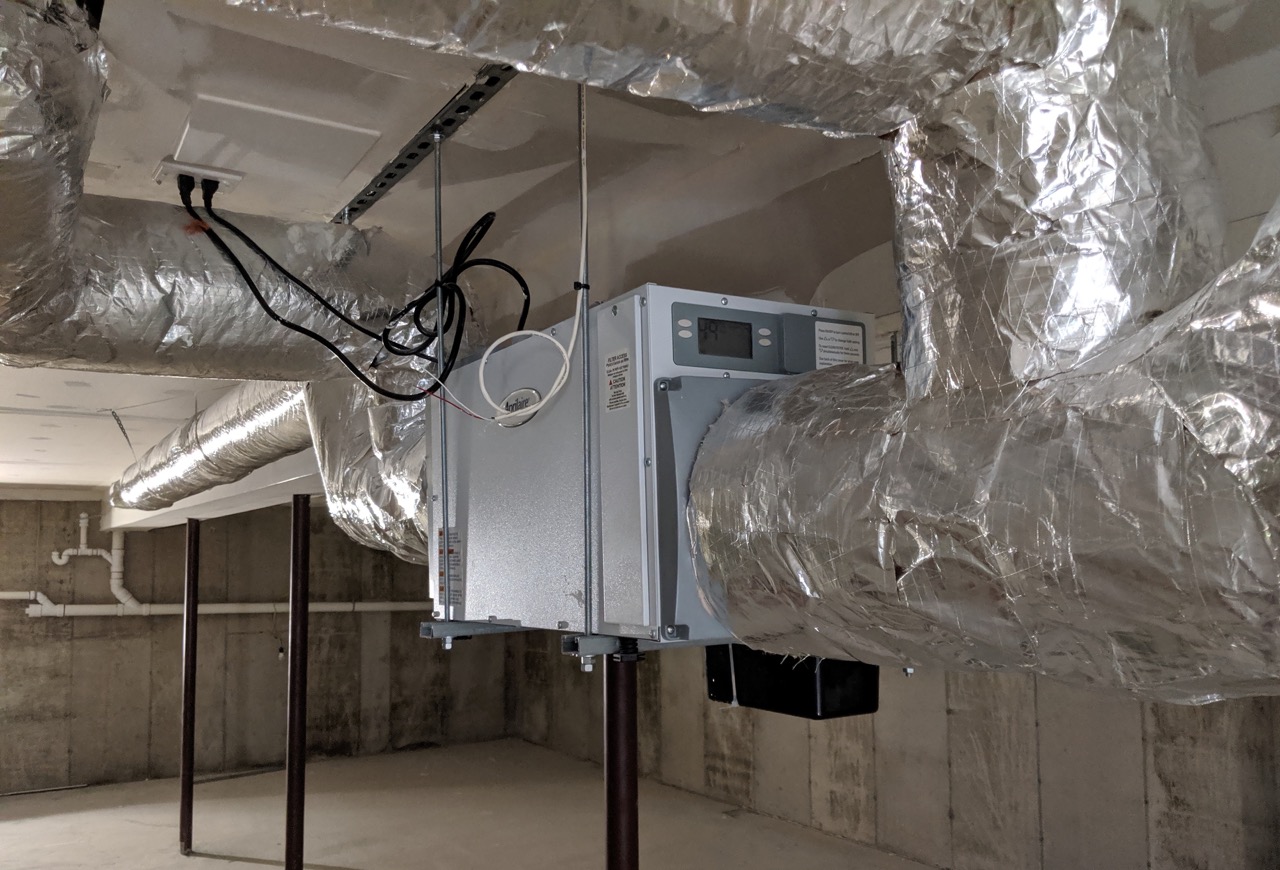
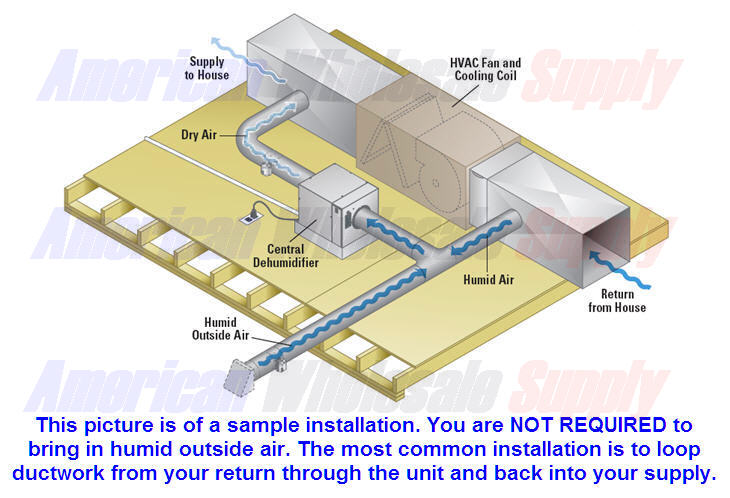
- Whole-House Dehumidifiers: These units are integrated directly into the ductwork of the HVAC system. They remove moisture from the entire home and are controlled by a dedicated humidistat.
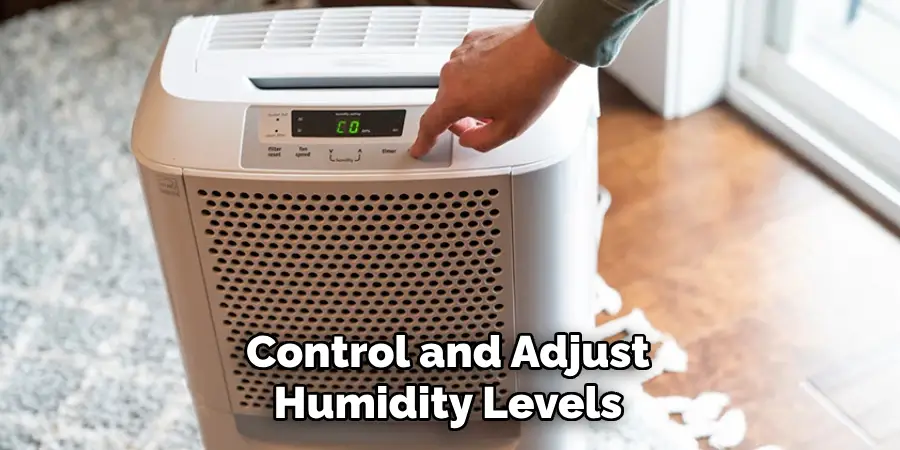
- Portable Dehumidifiers: While not directly integrated, portable units can supplement a central HVAC system in specific areas with high humidity. They are less efficient for whole-house dehumidification but offer flexibility and cost-effectiveness for smaller spaces.
For HVAC integration, whole-house dehumidifiers are the preferred choice, offering superior performance and convenience.
Integrating a Whole-House Dehumidifier: A Step-by-Step Guide
Adding a whole-house dehumidifier to an HVAC system requires careful planning and execution. Here’s a general outline of the process:
1. System Assessment and Planning:
Before installation, it's crucial to assess the home's size, climate, and existing HVAC system. Calculate the required dehumidification capacity based on factors like square footage, occupancy, and typical humidity levels. Consulting the Air Conditioning Contractors of America (ACCA) Manual D for load calculations is highly recommended. Determine the optimal location for the dehumidifier, considering proximity to the HVAC system and access to a drain.
2. Ductwork Modifications:
The dehumidifier needs to be integrated into the existing ductwork. Typically, the dehumidifier is installed in the return air duct, downstream of the air filter. This allows the dehumidifier to treat the air before it enters the HVAC system. The installation requires cutting into the ductwork and using sheet metal screws and foil tape to create airtight connections. Ensure proper sealing to prevent air leaks and maintain system efficiency.
3. Electrical Connections:
The dehumidifier requires a dedicated electrical circuit. Consult local electrical codes and hire a qualified electrician to ensure safe and proper wiring. The dehumidifier will typically need a 120V or 240V power supply, depending on its capacity. Always disconnect power to the HVAC system before making any electrical connections.
4. Condensate Drainage:
The dehumidifier removes moisture from the air, which needs to be drained away. Most whole-house dehumidifiers have a condensate pump to automatically discharge the water. Connect the drain line to a suitable drain, such as a floor drain or a condensate pump reservoir. Ensure the drain line is properly sloped to prevent water from pooling and causing mold growth.
5. Humidistat Installation and Calibration:
A humidistat controls the dehumidifier's operation, maintaining the desired humidity level. Install the humidistat in a central location, away from direct sunlight or drafts. Calibrate the humidistat according to the manufacturer's instructions to ensure accurate humidity readings.
6. System Testing and Commissioning:
After installation, thoroughly test the system to ensure proper operation. Verify that the dehumidifier is removing moisture effectively and that the humidistat is controlling the humidity level accurately. Check for any air leaks or drainage issues. Educate the homeowner on the system's operation and maintenance requirements.
Troubleshooting Common Issues
Even with proper installation, issues can arise. Common problems include:
- Dehumidifier not removing enough moisture: This could be due to an undersized unit, air leaks in the ductwork, or a malfunctioning humidistat.
- Dehumidifier running constantly: This could indicate excessive humidity in the home, a faulty humidistat, or a drainage problem.
- Water leaks: Check the drain line for clogs or leaks and ensure the condensate pump is functioning correctly.
- Unusual noises: This could indicate a problem with the dehumidifier's motor or fan.
Regular maintenance, including cleaning the air filter and checking the drain line, can help prevent many of these issues.
Career Paths in HVAC and IAQ
The demand for skilled HVAC technicians is projected to grow in the coming years. According to the Bureau of Labor Statistics, the median annual wage for HVACR technicians was $51,390 in May 2022. The job outlook is projected to grow 6 percent from 2022 to 2032, about as fast as the average for all occupations. Adding specialized skills in IAQ, such as dehumidification system installation and maintenance, can significantly enhance career prospects and earning potential.
Here are some potential career paths:
- HVAC Technician: Install, maintain, and repair HVAC systems, including dehumidifiers. Salary range: $40,000 - $70,000 per year.
- HVAC Installer: Focus on the installation of new HVAC systems, including ductwork modifications for dehumidifier integration. Salary range: $35,000 - $65,000 per year.
- HVAC Service Technician: Specialize in troubleshooting and repairing HVAC systems, including dehumidifiers. Salary range: $45,000 - $75,000 per year.
- IAQ Specialist: Focus on improving indoor air quality through assessments, system design, and implementation of solutions like dehumidification. Salary range: $50,000 - $80,000+ per year.
- HVAC Project Manager: Oversee the installation and maintenance of HVAC systems in commercial or residential buildings, including budgeting, scheduling, and quality control. Salary range: $60,000 - $100,000+ per year.
Real-world example: Maria, a recent HVAC graduate, focused on IAQ during her apprenticeship. She obtained specialized training in dehumidification system design and installation. Within two years, she was promoted to IAQ Specialist at her company, earning a significantly higher salary than her peers.
Relevant Certifications
Earning industry-recognized certifications can significantly enhance credibility and marketability. Some relevant certifications for HVAC professionals working with dehumidification systems include:
- NATE (North American Technician Excellence): NATE certification demonstrates competency in HVACR knowledge and skills. While not specifically focused on dehumidification, a NATE certification in air conditioning or air distribution is highly valuable.
- EPA Section 608 Certification: Required for technicians handling refrigerants, including those used in some dehumidification systems. There are different types (Type I, Type II, Type III, Universal) depending on the type of equipment serviced.
- ACCA (Air Conditioning Contractors of America) Certifications: ACCA offers various certifications related to HVAC system design, installation, and maintenance. Some ACCA courses may cover aspects of dehumidification.
- Indoor Air Quality Association (IAQA) Certified IAQ Professional (CIQP): This certification focuses specifically on IAQ principles and practices, including dehumidification.
Investing in continuing education and pursuing relevant certifications demonstrates a commitment to professional development and can lead to increased earning potential and career advancement. According to industry surveys, NATE-certified technicians often command higher hourly rates than non-certified technicians.
Tools of the Trade
Working with dehumidifiers requires a specific set of tools, including:
- HVAC Multimeter: For electrical testing and troubleshooting.
- Manifold Gauge Set: For measuring refrigerant pressures in dehumidification systems that utilize refrigerants.
- Duct Knife and Sheet Metal Tools: For modifying ductwork.
- Vacuum Pump: For evacuating refrigerant lines in certain dehumidifier systems.
- Combustion Analyzer: For analyzing combustion efficiency in gas-fired dehumidifiers (if applicable).
- Hygrometer: For measuring humidity levels.
- Air Flow Meter (Anemometer): For measuring air flow in ductwork.
Proper tool maintenance and calibration are essential for accurate and reliable results.
The Future of Dehumidification in HVAC
The future of dehumidification in HVAC is likely to be driven by several trends:
- Increased Focus on Energy Efficiency: Manufacturers are developing more energy-efficient dehumidifiers that consume less power while providing effective humidity control.
- Smart Technology Integration: Dehumidifiers are being integrated with smart home systems, allowing for remote control and monitoring of humidity levels.
- Demand Control Ventilation (DCV): DCV systems use sensors to monitor occupancy and adjust ventilation rates accordingly, optimizing dehumidification and energy efficiency.
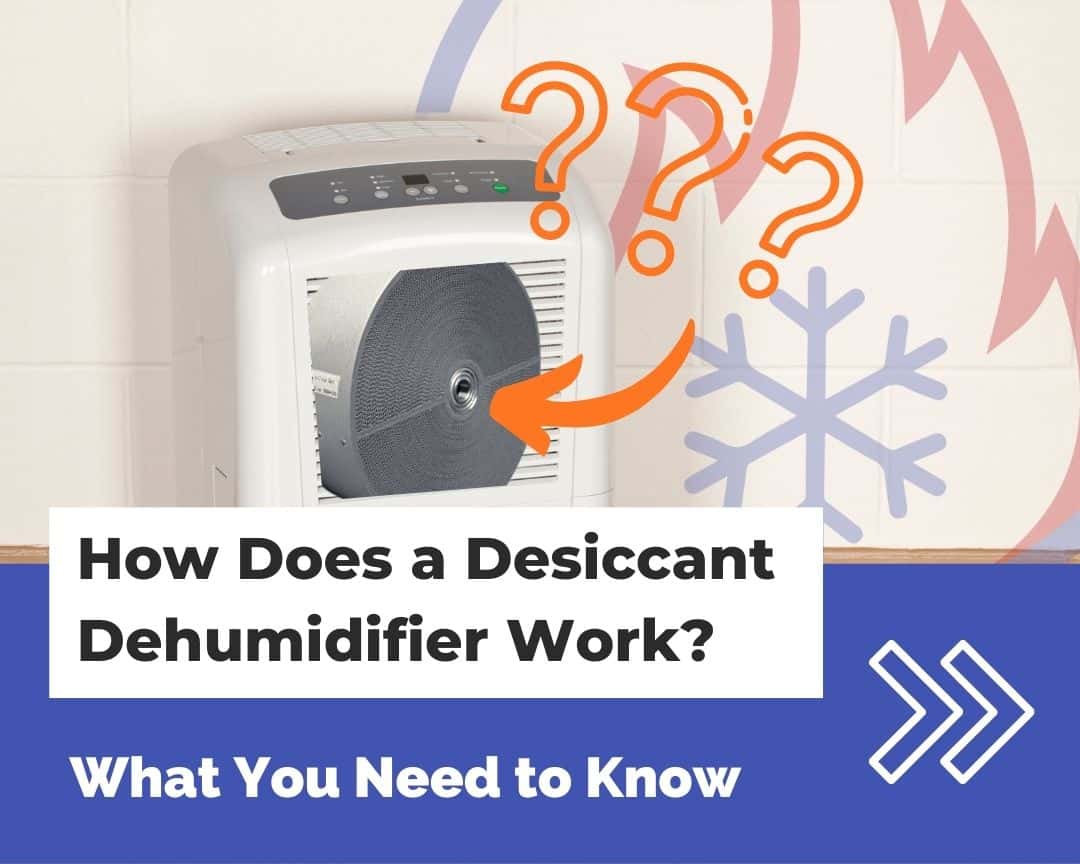
- Advancements in Desiccant Technology: Desiccant dehumidifiers, which use a desiccant material to absorb moisture, are becoming more efficient and cost-effective.
Staying abreast of these trends is crucial for HVAC professionals to remain competitive and provide cutting-edge solutions to their clients.
Conclusion
Adding dehumidifiers to HVAC systems is a growing area within the HVAC industry, offering significant opportunities for skilled technicians and IAQ specialists. By understanding the principles of dehumidification, mastering the installation and maintenance techniques, and pursuing relevant certifications, HVAC professionals can enhance their career prospects and contribute to creating healthier and more comfortable indoor environments. The combination of technical expertise, practical experience, and a commitment to continuing education will pave the way for a successful and rewarding career in this dynamic field. Employers must also recognize the value of investing in training and development programs for their employees to ensure they possess the skills necessary to meet the growing demand for IAQ solutions.