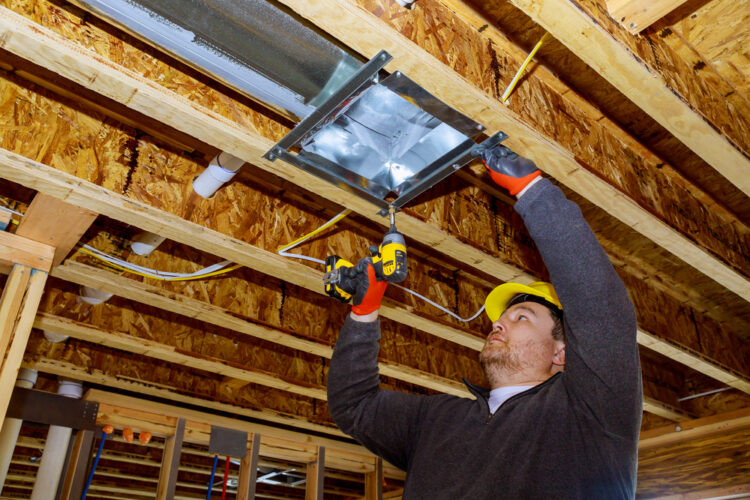
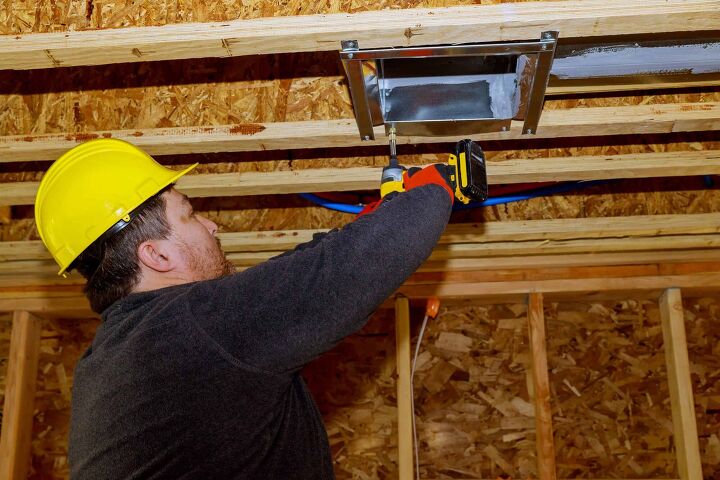
How To Add Vent To Existing Duct

Adding a new vent to an existing duct system is a common HVAC task, whether it's for balancing airflow, improving comfort in a specific room, or accommodating renovations. This guide will provide a comprehensive overview of the process, covering the necessary steps, tools, and considerations for a successful installation. We'll also touch upon career aspects, certifications, and industry trends relevant to HVAC professionals.
Understanding the Fundamentals Before You Begin
Before cutting into any ductwork, it's crucial to understand the system's current state. Is the existing system adequately sized for the current load? Adding another vent will draw more air, potentially impacting the performance of other vents and even the heating or cooling equipment itself. Always perform a load calculation to determine if the existing system can handle the additional demand. Factors to consider include:
- Square footage of the area being served
- Insulation levels
- Window efficiency
- Occupancy levels
- Local climate data
Ignoring these factors can lead to inefficient operation, increased energy bills, and even equipment failure. Consult with a qualified HVAC engineer or senior technician if you are unsure about performing these calculations.
Safety First: Essential Precautions
Safety is paramount in any HVAC work. Before beginning, always turn off the power to the HVAC unit at the breaker. Use appropriate personal protective equipment (PPE), including:
- Safety glasses
- Gloves
- Hearing protection
- Dust mask or respirator (especially when working with fiberglass insulation)
Be aware of the materials you're working with, especially if dealing with older ductwork that may contain asbestos. If asbestos is suspected, contact a qualified asbestos abatement professional immediately.
Step-by-Step Guide to Adding a Vent
Here's a detailed breakdown of the process:
- Planning and Layout: Determine the optimal location for the new vent. Consider airflow patterns, furniture placement, and the overall aesthetics of the room. Ensure the vent is accessible for cleaning and maintenance.
- Gathering Materials and Tools: You will need:
- Sheet metal cutter or snips
- Drill with various sized drill bits
- Screwdrivers (Phillips and flathead)
- Measuring tape
- Marker or pen
- Duct knife
- Duct sealant or foil tape
- Vent boot or take-off collar
- New vent register
- Self-tapping screws or rivets
- Safety Glasses
- Gloves
- Cutting the Duct: Carefully measure and mark the area where the vent boot will be installed. Use the sheet metal cutter or snips to cut a hole slightly smaller than the boot's diameter. Be precise to ensure a tight seal.
- Installing the Vent Boot: Insert the vent boot into the opening. Secure it using self-tapping screws or rivets. Ensure the boot is firmly attached to the duct.
- Sealing the Connections: Apply duct sealant or foil tape around the perimeter of the vent boot where it meets the duct. This will prevent air leaks and improve the system's efficiency.
- Connecting the Ductwork (If Necessary): If the vent is being added to the end of a duct run, you may need to extend the ductwork. Use appropriate duct connectors and secure them with screws and sealant.
- Installing the Vent Register: Attach the vent register to the vent boot. Ensure it is securely fastened and properly aligned.
- Testing the System: Turn the power back on to the HVAC unit. Check the airflow from the new vent and all other vents in the system. Adjust the dampers or registers to balance the airflow as needed.
Troubleshooting Common Issues
Even with careful planning, issues can arise during the installation process. Here are some common problems and their solutions:
- Insufficient Airflow: Check for obstructions in the ductwork. Ensure the dampers are properly adjusted. The existing system may be undersized.
- Air Leaks: Inspect all connections and seams for leaks. Apply additional duct sealant or foil tape as needed.
- Noisy Operation: Ensure the ductwork is properly supported to prevent vibrations. Check for loose screws or rivets.
HVAC Career Paths and Certifications
Mastering skills like adding vents to existing ductwork is crucial for a successful HVAC career. The HVAC industry is experiencing steady growth, with the Bureau of Labor Statistics projecting a 6% growth rate from 2022 to 2032. This translates to roughly 38,000 job openings each year, driven by increasing construction activity and the need to replace aging equipment. The median annual wage for HVAC technicians was $59,690 in May 2023, with the top 10% earning more than $84,740.
Here are a few common career paths:
- HVAC Technician: Installs, maintains, and repairs heating, ventilation, and air conditioning systems.
- HVAC Installer: Specializes in installing new HVAC systems in residential and commercial buildings.
- HVAC Service Technician: Focuses on troubleshooting and repairing existing HVAC systems.
- HVAC Sales Engineer: Designs and sells HVAC systems to clients.
- HVAC Project Manager: Oversees the installation and maintenance of HVAC systems on large projects.
Obtaining relevant certifications can significantly enhance your career prospects and earning potential. Some of the most recognized certifications include:
- NATE (North American Technician Excellence): NATE certification demonstrates your knowledge and skills to employers and customers. Various certifications are available, including installation, service, and efficiency analyst.
- EPA Section 608 Certification: Required for technicians who handle refrigerants. This certification ensures that technicians are properly trained in refrigerant handling and recovery procedures, protecting the environment from harmful emissions.
- HVAC Excellence: Offers a range of certifications for students and professionals.
- State and Local Licensing: Many states and municipalities require HVAC technicians to be licensed. Requirements vary by location.
Continuous learning is essential in the HVAC industry. Stay updated on the latest technologies, techniques, and regulations through continuing education courses and industry conferences. Consider pursuing advanced certifications or specialized training in areas such as energy efficiency, building automation, or renewable energy.
Real-World Example: From Apprentice to Lead Technician
Consider the story of Sarah, who started as an HVAC apprentice straight out of vocational school. She focused on learning the fundamentals, including ductwork installation and repair. By shadowing experienced technicians and attending industry workshops, she quickly gained proficiency. After two years, she passed the NATE certification exam and became a lead technician, managing her own projects and training new apprentices. Sarah's dedication to learning and certification helped her advance rapidly in her career and significantly increase her earning potential.
Industry Trends Shaping the Future of HVAC
The HVAC industry is constantly evolving, driven by factors such as climate change, energy efficiency regulations, and technological advancements. Here are some key trends to watch:
- Smart HVAC Systems: Internet of Things (IoT) technology is transforming HVAC systems, allowing for remote monitoring, control, and optimization. Smart thermostats, sensors, and cloud-based analytics are becoming increasingly common.
- Energy Efficiency: Demand for energy-efficient HVAC systems is growing, driven by rising energy costs and environmental concerns. High-efficiency furnaces, air conditioners, and heat pumps are gaining popularity.
- Sustainable Refrigerants: Regulations are phasing out ozone-depleting refrigerants. HVAC technicians need to be familiar with alternative refrigerants and proper handling procedures.
- Building Automation Systems (BAS): BAS integrates HVAC systems with other building systems, such as lighting, security, and fire protection. This allows for centralized control and optimized energy management.
- Geothermal Heating and Cooling: Geothermal systems use the earth's constant temperature to provide heating and cooling. They are becoming increasingly popular due to their energy efficiency and environmental benefits.
By understanding these trends and developing the necessary skills, HVAC professionals can position themselves for long-term success in a dynamic and rewarding industry.