How To Add Water To Radiator Heating System
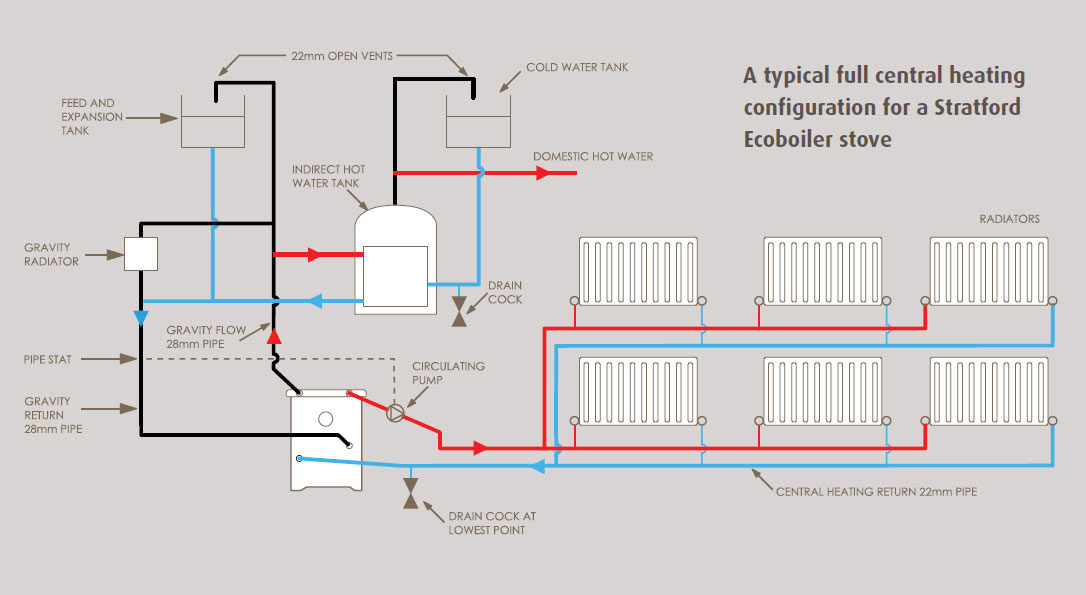
Radiator heating systems, while reliable and efficient, require periodic maintenance to ensure optimal performance. One of the most common tasks is adding water to the system. Understanding the process, potential issues, and safety precautions is crucial for HVAC technicians and homeowners alike. This guide provides a comprehensive overview of adding water to radiator heating systems, along with insights into career opportunities and industry trends.
Understanding Radiator Heating Systems
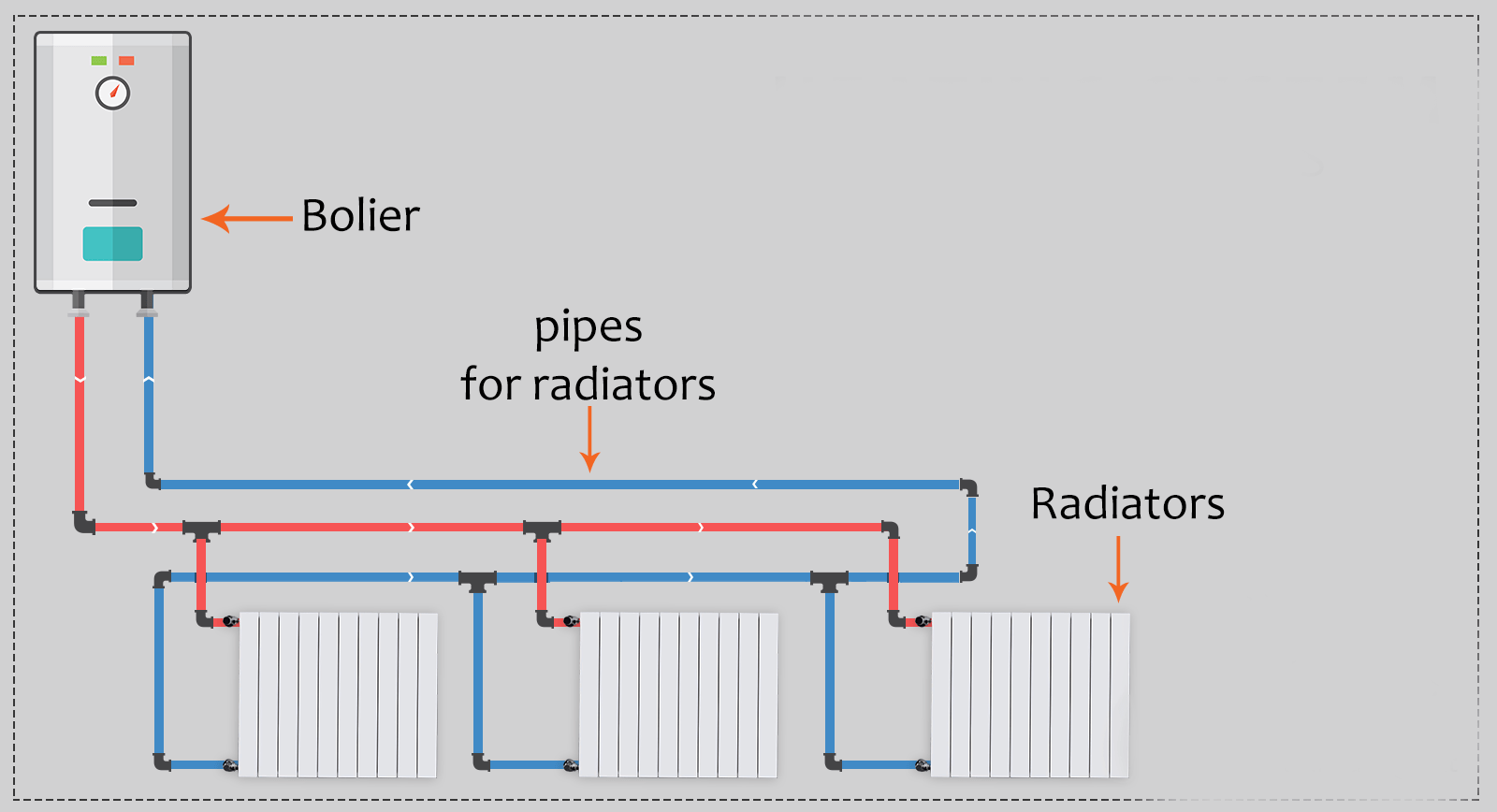
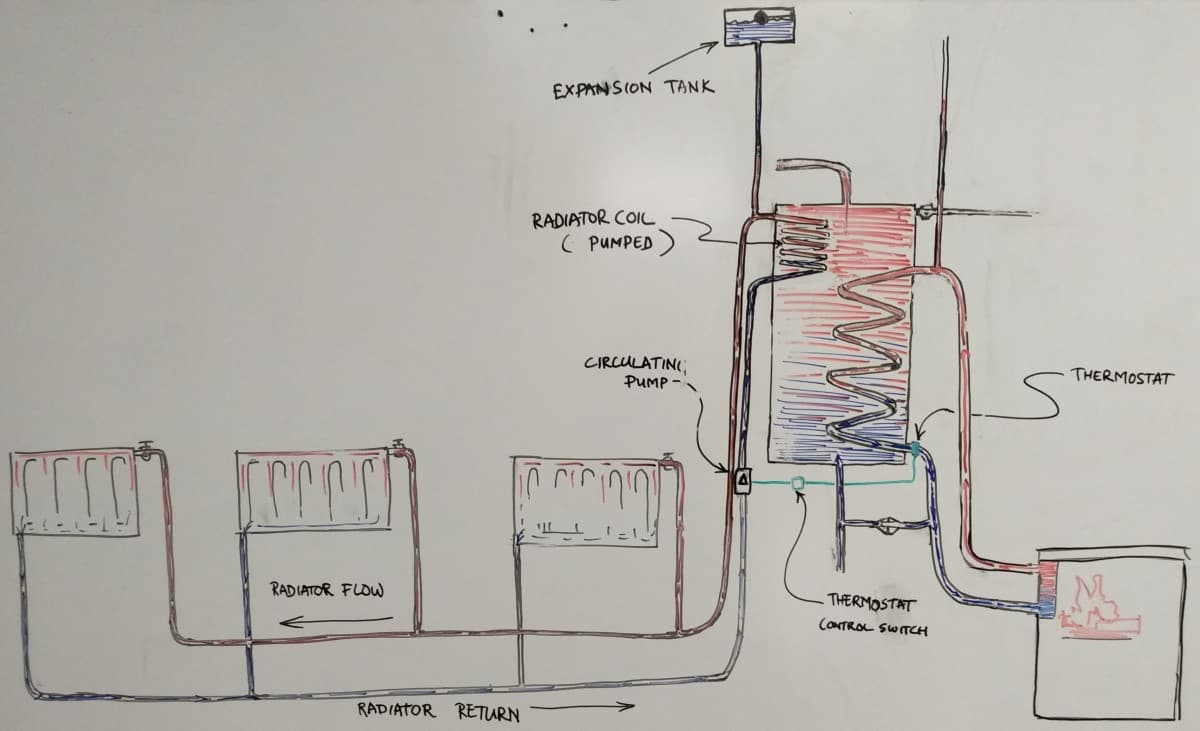
Radiator systems use hot water or steam to transfer heat throughout a building. A boiler heats the water, which is then circulated through pipes to radiators in each room. As the water cools, it returns to the boiler to be reheated, creating a closed-loop system. Over time, water can be lost through evaporation, leaks, or bleeding air from the radiators. Low water levels can lead to inefficient heating, noisy operation, and potential damage to the boiler.
Identifying the Need for Water
Several signs indicate that a radiator system needs more water:
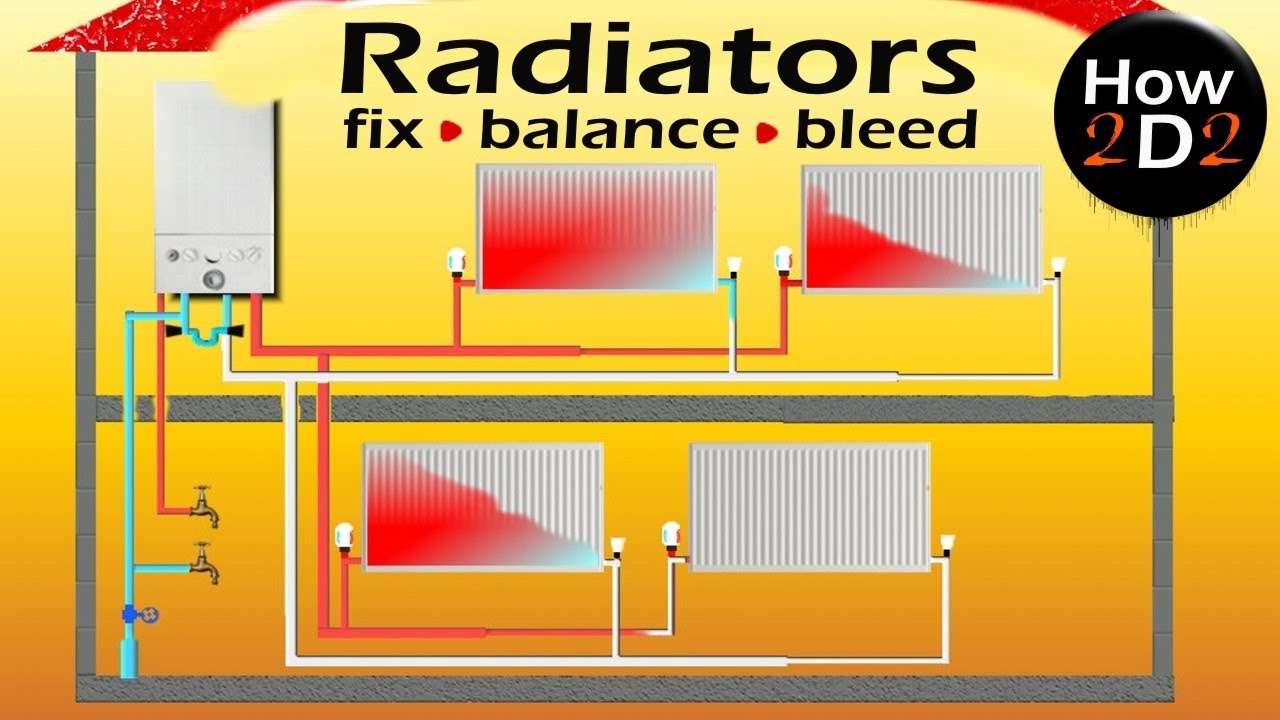
- Cold Radiators: If radiators are cold or only partially warm, even when the boiler is running, it could be due to low water levels.
- Noisy Operation: Gurgling or banging sounds from the radiators or pipes often indicate air in the system, which can be caused by low water.
- Low Boiler Pressure: Most boilers have a pressure gauge. A reading below the recommended level (typically 12-15 PSI for hot water systems) suggests low water.
- Boiler Shut-Off: Some boilers have low-water cutoffs that automatically shut down the system to prevent damage.
Step-by-Step Guide to Adding Water
The process for adding water varies slightly depending on the type of system (hot water or steam) and the boiler model. Here's a general guide:
For Hot Water Systems:
- Turn off the Boiler: Always turn off the boiler and allow it to cool down before adding water. This prevents thermal shock and potential injury.
- Locate the Fill Valve: The fill valve is usually located near the boiler. It may be a manual valve or an automatic fill valve.
- Manual Fill Valve: Slowly open the fill valve to allow water to enter the system. Watch the pressure gauge and close the valve when the pressure reaches the recommended level (typically 12-15 PSI).
- Automatic Fill Valve: An automatic fill valve should maintain the correct pressure automatically. If the pressure is consistently low, the valve may be faulty and need to be inspected or replaced.
- Bleed the Radiators: After adding water, bleed the radiators to remove any trapped air. Use a radiator key to open the bleed valve at the top of each radiator until water starts to flow out.
- Monitor the Pressure: After bleeding the radiators, monitor the pressure gauge to ensure it remains within the recommended range.
For Steam Systems:
- Turn off the Boiler: As with hot water systems, turn off the boiler and allow it to cool down.
- Locate the Water Feed Valve: Find the valve that feeds water into the boiler. This is usually a manual valve.
- Open the Water Feed Valve: Slowly open the valve to allow water to enter the boiler. Watch the water level gauge on the boiler.
- Monitor the Water Level: Add water until the water level reaches the recommended mark on the gauge. Do not overfill the boiler.
- Close the Water Feed Valve: Once the water level is correct, close the valve.
Safety Precautions
Working with radiator systems involves potential hazards. Always prioritize safety:
- Wear Protective Gear: Wear gloves and eye protection to prevent burns from hot water or steam.
- Turn off the Boiler: Never add water to a hot boiler. Allow it to cool down completely.
- Inspect for Leaks: Before and after adding water, inspect the system for leaks. Repair any leaks promptly.
- Test the System: After adding water, test the system to ensure it is heating properly.
- Consult a Professional: If you are unsure about any step of the process, consult a qualified HVAC technician.
Common Issues and Troubleshooting
Several issues can arise when adding water to a radiator system:
- Air Trapped in the System: Bleeding the radiators is essential to remove trapped air. If bleeding doesn't solve the problem, the system may need to be professionally purged.
- Leaks: Leaks can cause water loss and reduce system efficiency. Identify and repair any leaks promptly.
- Faulty Fill Valve: A faulty fill valve can prevent the system from maintaining the correct pressure. Test and replace the valve if necessary.
- Low Water Cutoff Problems: If the low water cutoff is malfunctioning, it can shut down the boiler even when the water level is adequate. Diagnose and repair the cutoff.
Career Opportunities in HVAC
The HVAC industry offers a wide range of career opportunities, from entry-level technician positions to advanced engineering and management roles. According to the U.S. Bureau of Labor Statistics, the median annual wage for HVACR technicians was $51,390 in May 2022. The job outlook is projected to grow 6 percent from 2022 to 2032, about as fast as the average for all occupations. This growth is driven by increasing demand for energy-efficient heating and cooling systems, as well as the need to replace aging equipment.
Entry-Level Positions
Entry-level positions typically involve assisting experienced technicians with installation, maintenance, and repair tasks. These positions provide valuable on-the-job training and can lead to more advanced roles. Common entry-level jobs include:
- HVAC Installer Helper
- HVAC Maintenance Assistant
- HVAC Apprentice
Skilled Technician Positions
Skilled HVAC technicians are responsible for diagnosing and repairing complex heating and cooling systems. They must have a strong understanding of electrical, mechanical, and plumbing systems. Examples of skilled technician roles:
- HVAC Technician
- HVAC Service Technician
- Refrigeration Technician
Salary ranges vary depending on experience, location, and certifications. Experienced technicians can earn between $50,000 and $70,000 per year, or even higher with specialized skills and certifications.
Advanced Roles
Advanced roles in HVAC require specialized knowledge and experience. These positions often involve design, engineering, or management responsibilities. Examples include:
- HVAC Engineer
- HVAC Project Manager
- HVAC System Designer
These roles often require a bachelor's degree in mechanical engineering or a related field. Salaries for advanced positions can range from $80,000 to $120,000 or more.
Certifications and Training
Certifications are essential for demonstrating competence and professionalism in the HVAC industry. Several organizations offer recognized certifications:
- NATE (North American Technician Excellence): NATE certification is widely recognized and respected in the industry. It demonstrates that a technician has the knowledge and skills to perform HVAC tasks competently.
- EPA 608 Certification: The EPA 608 certification is required for technicians who handle refrigerants. It ensures that technicians understand the proper handling and disposal of refrigerants to protect the environment.
- HVAC Excellence: HVAC Excellence offers certifications for various HVAC specialties, including air conditioning, heating, and refrigeration.
In addition to certifications, ongoing training is crucial for staying up-to-date with the latest technologies and industry best practices. Many vocational schools, community colleges, and technical institutes offer HVAC training programs.
Industry Trends
The HVAC industry is constantly evolving, with new technologies and regulations emerging regularly. Some of the key trends shaping the industry include:
- Energy Efficiency: Increasing demand for energy-efficient heating and cooling systems is driving innovation in HVAC technology. High-efficiency furnaces, air conditioners, and heat pumps are becoming increasingly popular.
- Smart Technology: Smart thermostats, sensors, and controls are enabling homeowners to optimize their energy consumption and improve comfort.
- Sustainable Practices: The HVAC industry is increasingly focused on sustainable practices, such as using environmentally friendly refrigerants and reducing energy waste.
- Automation: Automation is transforming HVAC manufacturing and installation processes, improving efficiency and reducing costs.
Conclusion
Adding water to a radiator heating system is a routine maintenance task that can improve system performance and prevent damage. Understanding the process, safety precautions, and potential issues is crucial for HVAC technicians and homeowners. The HVAC industry offers diverse career opportunities, and certifications and ongoing training are essential for success. By staying up-to-date with industry trends and best practices, HVAC professionals can thrive in this dynamic and growing field. Whether you're an aspiring technician, a seasoned professional, or an employer seeking skilled workers, understanding the nuances of radiator systems and the broader HVAC landscape is paramount. The demand for qualified HVAC professionals continues to rise, making it a rewarding and stable career path. Remember to always prioritize safety and seek professional help when needed to ensure the efficient and safe operation of radiator heating systems. Continuous learning and adaptation are key to thriving in this ever-evolving field, especially with the advent of new technologies and stringent regulations.