How To Adjust Air Vents In House
Are you constantly battling uneven temperatures in your home? One room freezing while another swelters? You're not alone! Many homeowners experience this frustrating issue, often stemming from improperly adjusted or malfunctioning air vents. Before calling in a costly HVAC technician, let's explore some simple DIY troubleshooting steps you can take.
Diagnosing the Problem: Is It Your Air Vents?
Before diving into vent adjustments, it's crucial to confirm that your uneven heating or cooling is actually caused by vent issues and not a larger problem. Here's a methodical approach:
Step 1: The Walk-Through – No Tools Required
Start by simply walking through every room in your house. Pay close attention to the following:
- Airflow Strength: Do you feel a noticeable difference in the airflow coming from each vent? A weak or non-existent airflow can indicate a closed vent, a blocked duct, or a problem further upstream in your HVAC system.
- Vent Condition: Are the vents clean and unobstructed? Dust and debris can significantly reduce airflow. Check for obvious blockages like furniture, rugs, or even curtains covering the vents.
- Vent Position: Are the vent dampers (the levers or dials that control airflow) fully open, partially open, or closed? Note the position of each damper.
- Room Temperature: Use a simple thermometer (or even your own perception) to gauge the temperature in each room. Record your findings.
Step 2: The Comparison – Still No Tools
Once you've completed your walk-through, compare your observations. Ask yourself these questions:
- Are the rooms with the weakest airflow the coolest in the summer or the warmest in the winter?
- Are there any vents that appear to be completely closed despite needing more airflow in that room?
- Are there any obvious blockages that you can easily remove?
Step 3: The HVAC System Check – Getting Closer
Now, let's take a quick look at your HVAC system itself. This is still mostly observation, but proceed with caution and common sense. Never tamper with electrical components unless you are completely comfortable and qualified to do so.
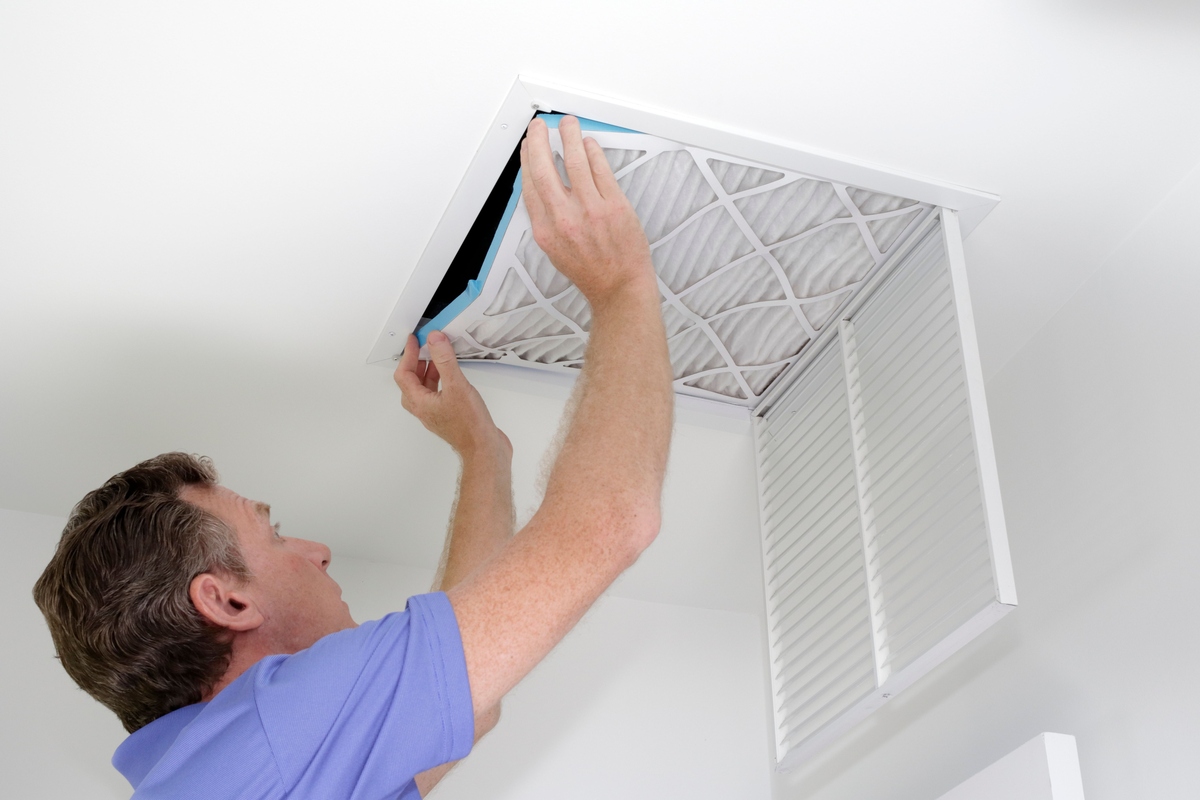
- Air Filter: Check your air filter. A clogged air filter is a very common culprit for reduced airflow throughout the house. A dirty filter restricts airflow to the entire system, making vent adjustments ineffective.
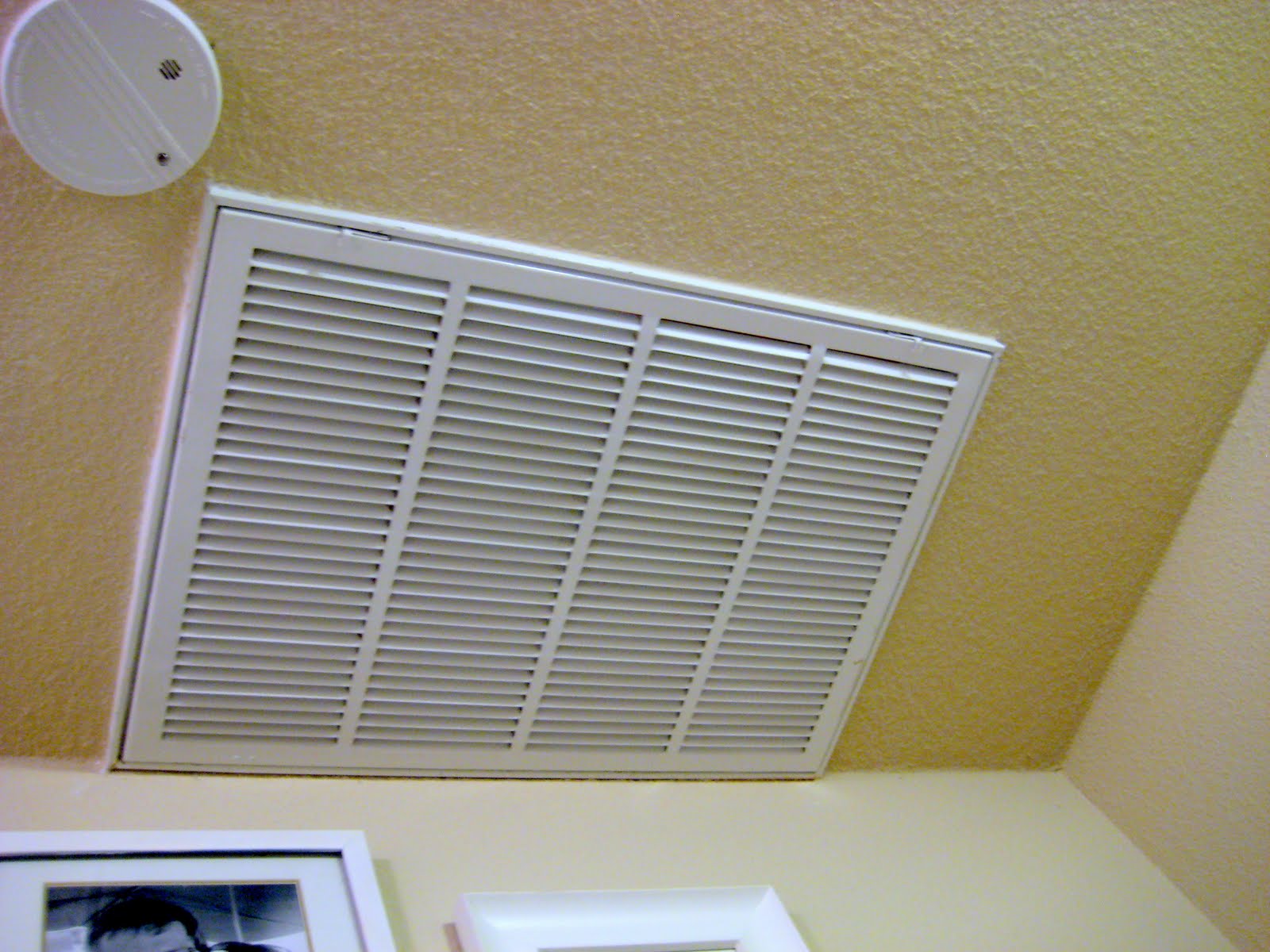
- Return Vents: Locate your return vents (usually larger than supply vents). Are they blocked by anything? Make sure they are clean and clear of obstructions. These vents draw air back into the system to be heated or cooled.
- Outdoor Unit (for Air Conditioners/Heat Pumps): If you have an air conditioner or heat pump, check the outdoor unit. Ensure it's free from debris, plants, or anything that could restrict airflow.
Step 4: Preliminary Diagnosis – What Do You Suspect?
Based on your observations, can you identify the likely cause of the uneven temperatures? Here are some common scenarios:
- Scenario A: Blocked Vents/Dirty Filter: If you found blocked vents or a dirty air filter, these are likely contributing to the problem.
- Scenario B: Closed or Partially Closed Vents: If some vents are closed or partially closed in rooms that need more heating or cooling, vent adjustment is a good starting point.
- Scenario C: No Obvious Issues: If you've checked everything and can't find any obvious problems, the issue might be more complex (e.g., ductwork problems, a failing HVAC unit). This might be the time to consider professional help.
DIY Vent Adjustments: Taking Control of Your Comfort
If your preliminary diagnosis points to vent adjustment as a potential solution, here's how to proceed:
Step 1: Understand Vent Dampers – The Key to Airflow
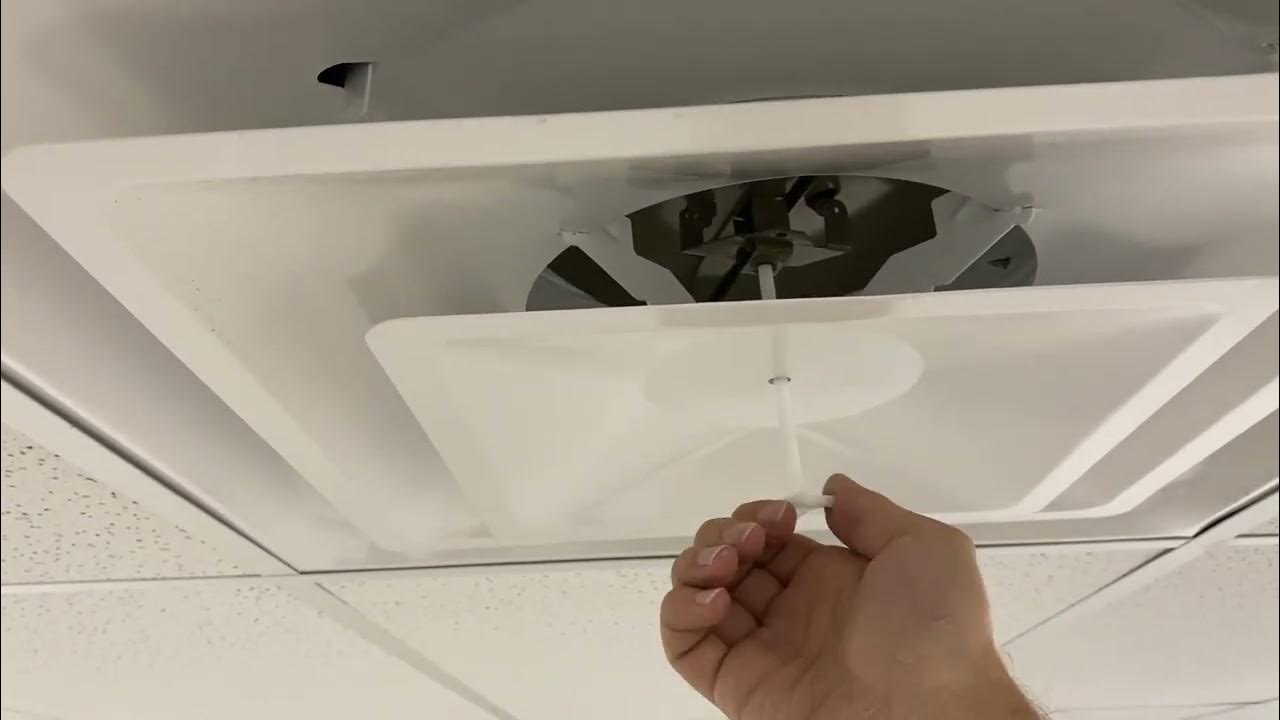
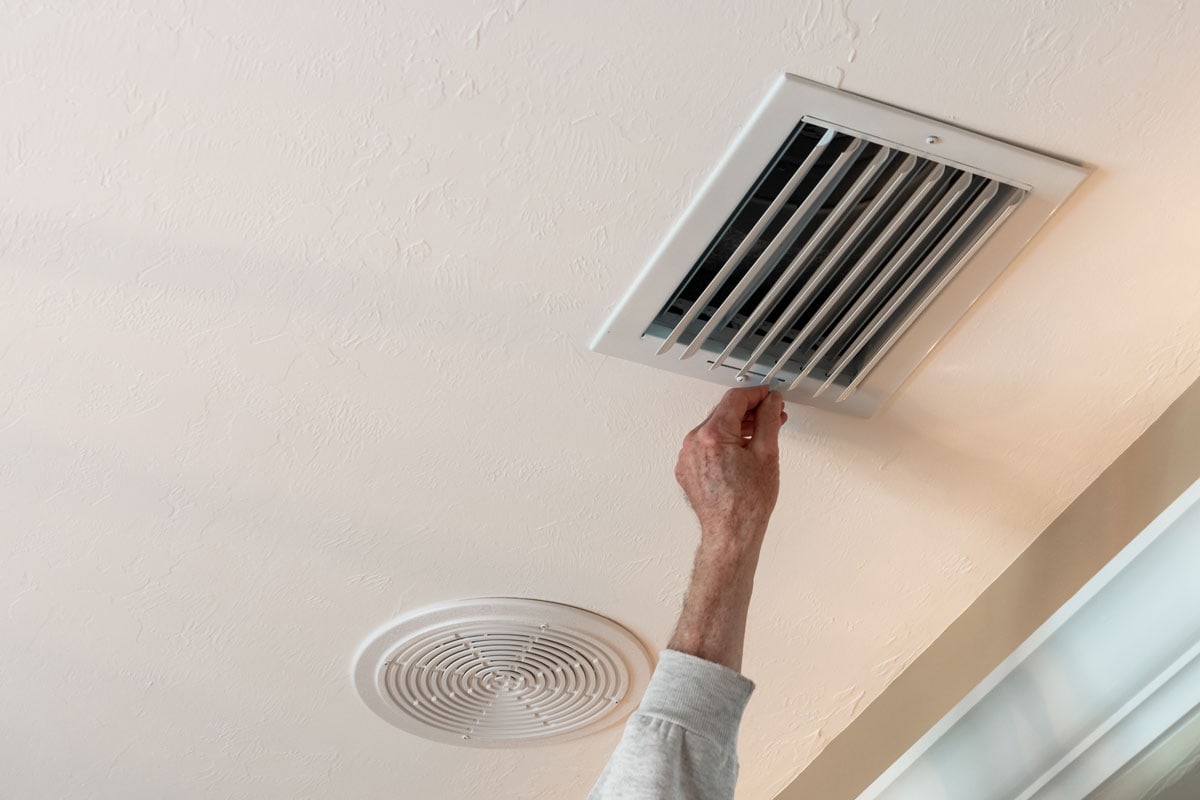
Before you start adjusting vents, it's essential to understand how dampers work. Dampers are the movable parts inside the vent that control airflow. They typically come in two forms:
- Levers: Simple levers that you slide to open or close the vent.
- Dials: Rotating dials that gradually adjust the airflow.
The position of the damper directly impacts the amount of air that flows through the vent. Fully open means maximum airflow, while fully closed means no airflow.
Step 2: The Balancing Act – Adjusting for Comfort
The goal of vent adjustment is to balance the airflow throughout your house. This means directing more air to rooms that need more heating or cooling and less air to rooms that need less.
- Rooms That Are Too Cold in Winter/Too Hot in Summer: Open the vents in these rooms fully.
- Rooms That Are Too Hot in Winter/Too Cold in Summer: Close the vents in these rooms partially or fully. Consider closing vents in unused rooms altogether.
Important Considerations:
- Don't Close Too Many Vents: Closing too many vents can put undue stress on your HVAC system, potentially leading to damage. Never close more than 20-25% of your vents.
- Prioritize Common Areas: Focus on adjusting vents in bedrooms and living areas. Bathrooms and hallways generally require less heating and cooling.
- Consider Sun Exposure: Rooms with a lot of sun exposure will naturally be warmer in the summer and cooler in the winter. Adjust vents accordingly.
Step 3: The Fine-Tuning Phase – Patience is Key
After making your initial adjustments, it's crucial to monitor the temperatures in each room over the next few days. This is not an immediate fix! Give your HVAC system time to adjust to the new airflow patterns.
- Use a Thermometer: Use a thermometer to accurately measure the temperature in each room.
- Take Notes: Keep track of your adjustments and the resulting temperatures. This will help you fine-tune the system over time.
- Make Small Adjustments: If a room is still too cold or too hot, make small adjustments to the vent dampers in that room. Avoid making drastic changes all at once.
Step 4: The Repeat Process - Repeat If Necessary
If after a few days of monitoring and small adjustments, the room temperatures are still not properly balanced, repeat the process to continue improving the heating and cooling in each space.
Tools You Might Need (But Probably Don't)
For most vent adjustments, you won't need any tools. However, here are a few items that might come in handy:
- Screwdriver: Some vents might be secured with screws. You'll need a screwdriver to remove the vent cover for cleaning or inspection.
- Vacuum Cleaner with Brush Attachment: To clean dust and debris from the vents.
- Thermometer: To accurately measure room temperatures.
- Small Mirror/Flashlight: To see inside the ductwork if you suspect a blockage.
When to Call a Professional HVAC Technician
While vent adjustments can solve many uneven temperature problems, some issues require professional attention. Here's when it's time to call in the experts:
- No Airflow From Multiple Vents: If you have multiple vents with no airflow, even after opening the dampers, there might be a problem with your ductwork (e.g., a collapsed duct).
- Strange Noises From Your HVAC System: Unusual noises like banging, rattling, or whistling could indicate a serious mechanical problem.
- Rising Energy Bills: If your energy bills are significantly higher than usual, it could be a sign that your HVAC system is working harder than it should, potentially due to a hidden problem.
- Old or Inefficient HVAC System: If your HVAC system is old or inefficient, it might be time to consider replacing it with a newer, more energy-efficient model.
- You're Uncomfortable Working With Electricity: Never attempt to repair electrical components of your HVAC system unless you are a qualified electrician.
- Mold Growth: If you notice mold growth around your vents or in your ductwork, it's crucial to address the problem immediately. Mold can be a health hazard.
- Persistent Uneven Temperatures: If you've tried everything and your home still has uneven temperatures, it's likely that there's a more complex issue that requires professional diagnosis and repair.
Important Safety Note: Always turn off the power to your HVAC system before attempting any repairs or maintenance. And never hesitate to call a professional if you're unsure about something.
Beyond Vent Adjustments: Other Factors to Consider
While vent adjustments are a good starting point, keep in mind that other factors can contribute to uneven temperatures in your home:
- Insulation: Poor insulation can lead to significant heat loss in the winter and heat gain in the summer. Make sure your home is properly insulated.
- Windows and Doors: Drafty windows and doors can also contribute to uneven temperatures. Consider sealing any gaps or cracks.
- Sun Exposure: As mentioned earlier, sun exposure can significantly impact room temperatures. Consider using curtains or blinds to block sunlight during the hottest parts of the day.
- Furniture Placement: Make sure furniture isn't blocking vents or return air grilles.
- Ductwork Design: In some cases, the ductwork itself might be poorly designed or improperly sized. This is a more complex issue that requires professional evaluation.
By following these steps and using a little patience, you can often resolve uneven temperature problems in your home and improve your comfort without breaking the bank. Remember to prioritize safety and call a professional when needed. Good luck!