How To Adjust Blower Speed On Carrier Furnace

Understanding & Adjusting Blower Speed on Your Carrier Furnace
A furnace's blower motor plays a critical role in distributing heated air throughout your home. Optimizing its speed can significantly impact comfort, efficiency, and overall system performance. While modern furnaces often feature automatic speed adjustments, understanding how to manually adjust the blower speed on a Carrier furnace can be beneficial for fine-tuning your system to specific needs. This guide will walk you through the process and provide valuable insights into the benefits and considerations involved.
Why Adjust Blower Speed?
There are several reasons why you might consider adjusting the blower speed on your Carrier furnace:
- Improved Comfort: A higher blower speed can deliver more heated air, potentially resolving cold spots in your home. Conversely, a lower speed might reduce drafts and noise.
- Enhanced Efficiency: An appropriately adjusted blower speed ensures efficient heat transfer from the furnace's heat exchanger to your living space. Too high or too low a speed can reduce efficiency and increase energy bills.
- Reduced Condensation: In air conditioning mode, adjusting the blower speed can impact dehumidification. Lower speeds generally result in better dehumidification.
- Optimized Performance with Specific Ductwork: Older or poorly designed ductwork systems might benefit from specific blower speed settings to ensure proper airflow and prevent excessive static pressure.
Locating Your Carrier Furnace Model Number
Before attempting any adjustments, you need to identify your Carrier furnace model number. This information is crucial for accessing the correct documentation and understanding your system's specific capabilities. The model number is typically found on a rating plate located on the furnace itself, often inside the blower compartment or on the exterior casing. Look for a series of numbers and letters that uniquely identify your unit (e.g., 58STA, 59TP6).
Safety First: Disconnecting Power
Important! Before performing any maintenance or adjustments on your Carrier furnace, always disconnect the power supply. Locate the circuit breaker that controls the furnace and switch it to the "OFF" position. This prevents the risk of electric shock and ensures your safety throughout the process.
Accessing the Blower Compartment
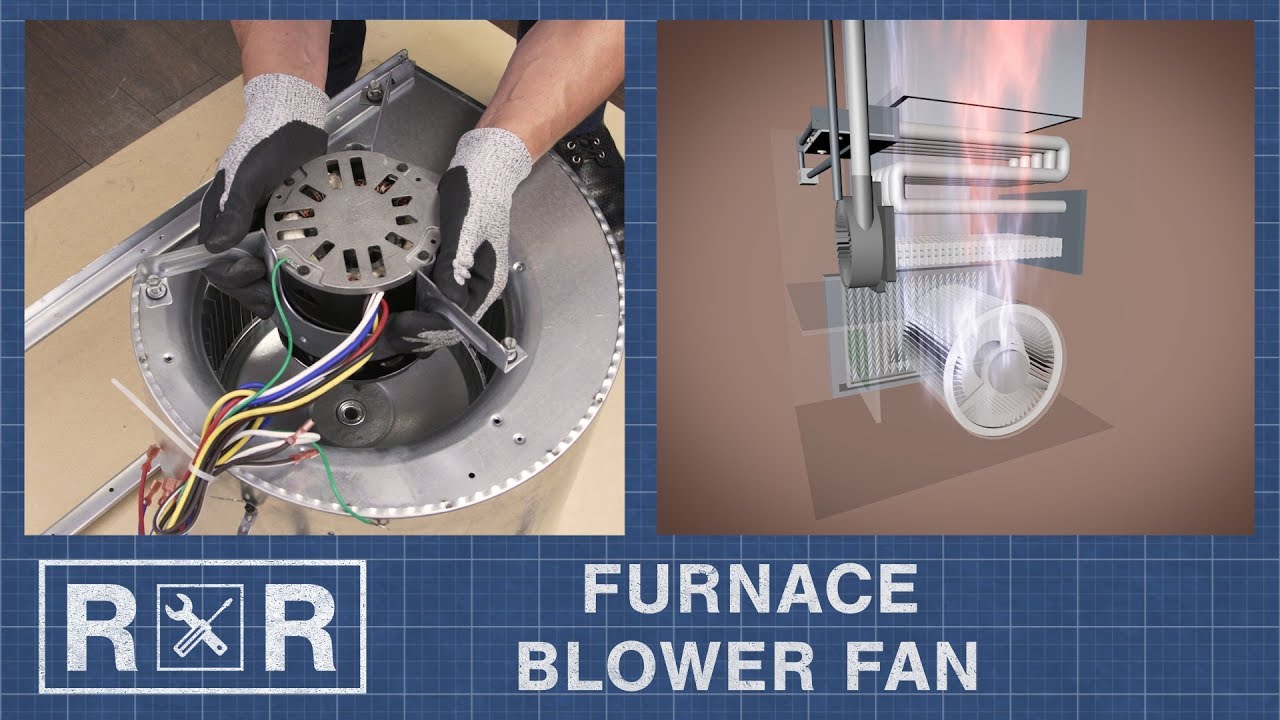
The blower compartment is typically located at the bottom of the furnace. You'll need to remove the access panel to gain entry. The panel is usually held in place by screws or latches. Once the panel is removed, you'll have access to the blower motor and its associated components.
Understanding Blower Motor Types: ECM vs. PSC
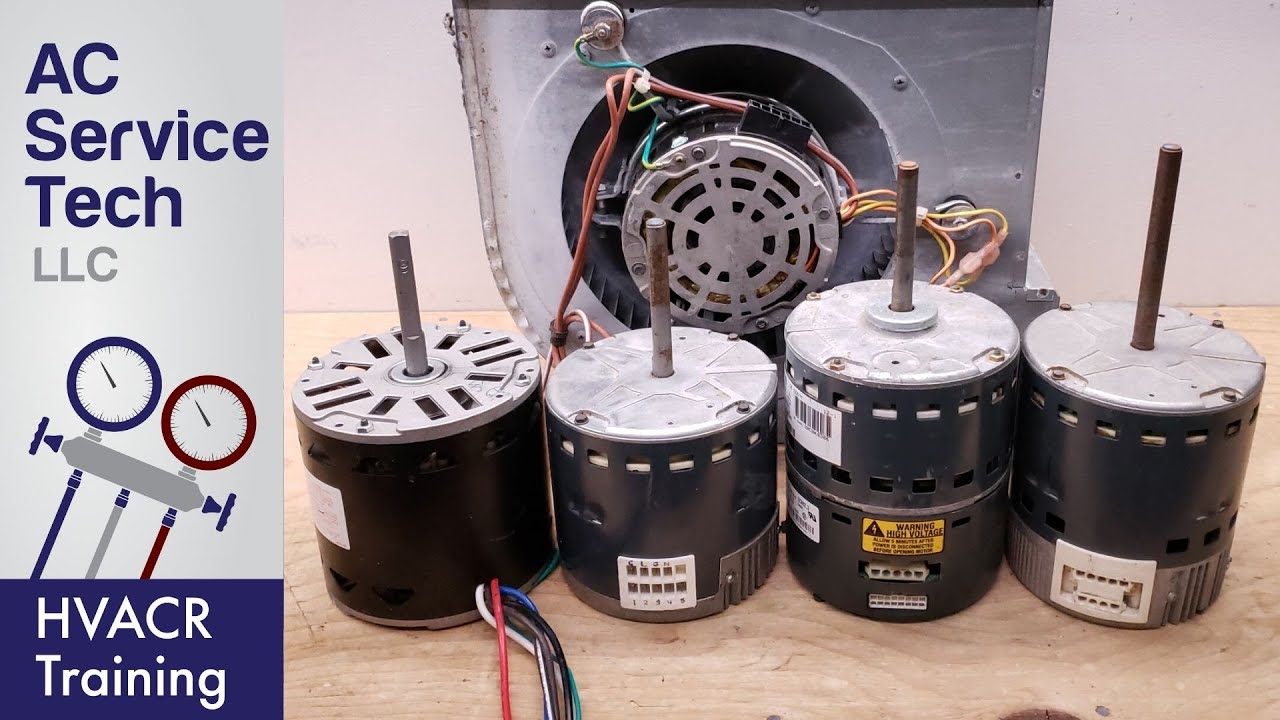
Carrier furnaces typically use one of two types of blower motors: ECM (Electronically Commutated Motor) or PSC (Permanent Split Capacitor).
- ECM Motors: These are more advanced and energy-efficient motors. They often feature variable speed capabilities and can be controlled electronically. Adjusting the speed on an ECM motor usually involves modifying dip switch settings on the control board or using a digital interface.
- PSC Motors: These are older, less efficient motors that operate at a fixed speed or have a limited number of speed settings. Adjusting the speed on a PSC motor typically involves physically changing the wiring configuration on the motor itself.
Adjusting Blower Speed on an ECM Motor
ECM motors are generally easier to adjust than PSC motors. The most common method involves using dip switches located on the furnace's control board. Consult your Carrier furnace's wiring diagram or the manufacturer's documentation to identify the specific dip switch settings that control blower speed. These diagrams are usually found on the inside of the blower compartment door or in the furnace's installation manual.
Steps for Adjusting ECM Motor Speed:
- Locate the control board inside the blower compartment.
- Identify the dip switches labeled for blower speed settings (e.g., "HEAT SPEED," "COOL SPEED").
- Refer to the wiring diagram or manufacturer's documentation to understand the relationship between dip switch positions (ON/OFF) and blower speed.
- Use a small screwdriver or pen to carefully adjust the dip switches according to your desired settings.
- Replace the blower compartment access panel and restore power to the furnace.
- Monitor the furnace's performance to ensure the new settings are working correctly.
Adjusting Blower Speed on a PSC Motor
Adjusting the blower speed on a PSC motor requires a bit more technical knowledge and caution. PSC motors typically have multiple wires connected to different terminals, each corresponding to a specific speed setting. Changing the wiring configuration allows you to select a different speed.
Warning: Incorrect wiring can damage the motor or the furnace's control system. If you are not comfortable working with electrical wiring, consult a qualified HVAC technician.
Steps for Adjusting PSC Motor Speed:
- Carefully examine the wiring diagram for your Carrier furnace. This diagram will show the relationship between the motor's wires and the different speed settings (High, Medium-High, Medium-Low, Low).
- Identify the wire currently connected to the "HIGH" terminal (or the terminal corresponding to your current speed setting).
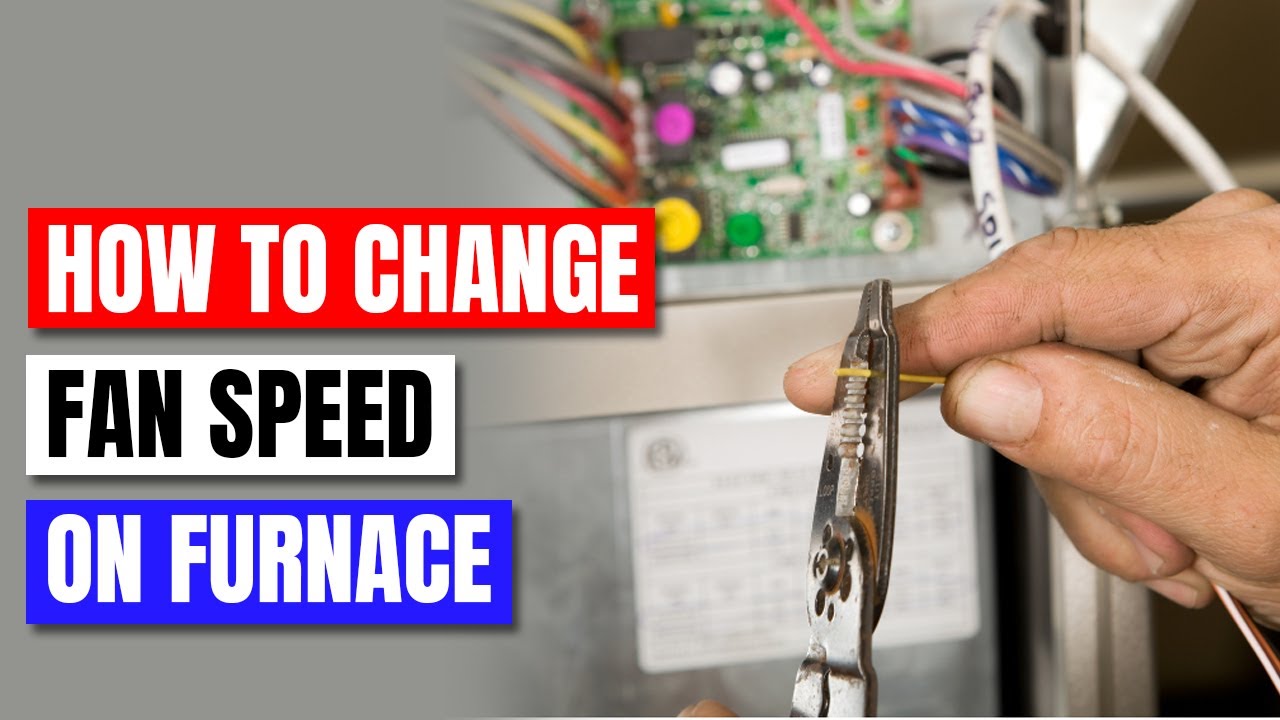
- Using a wire stripper, carefully disconnect the wire from the current terminal.
- Connect the wire to the terminal corresponding to your desired speed.
- Ensure the wire is securely connected to the terminal.
- Replace the blower compartment access panel and restore power to the furnace.
- Monitor the furnace's performance to ensure the new settings are working correctly.
Carrier Furnace Models: A Comparison
Carrier offers a wide range of furnaces to suit different needs and budgets. Here's a brief comparison of some popular models:
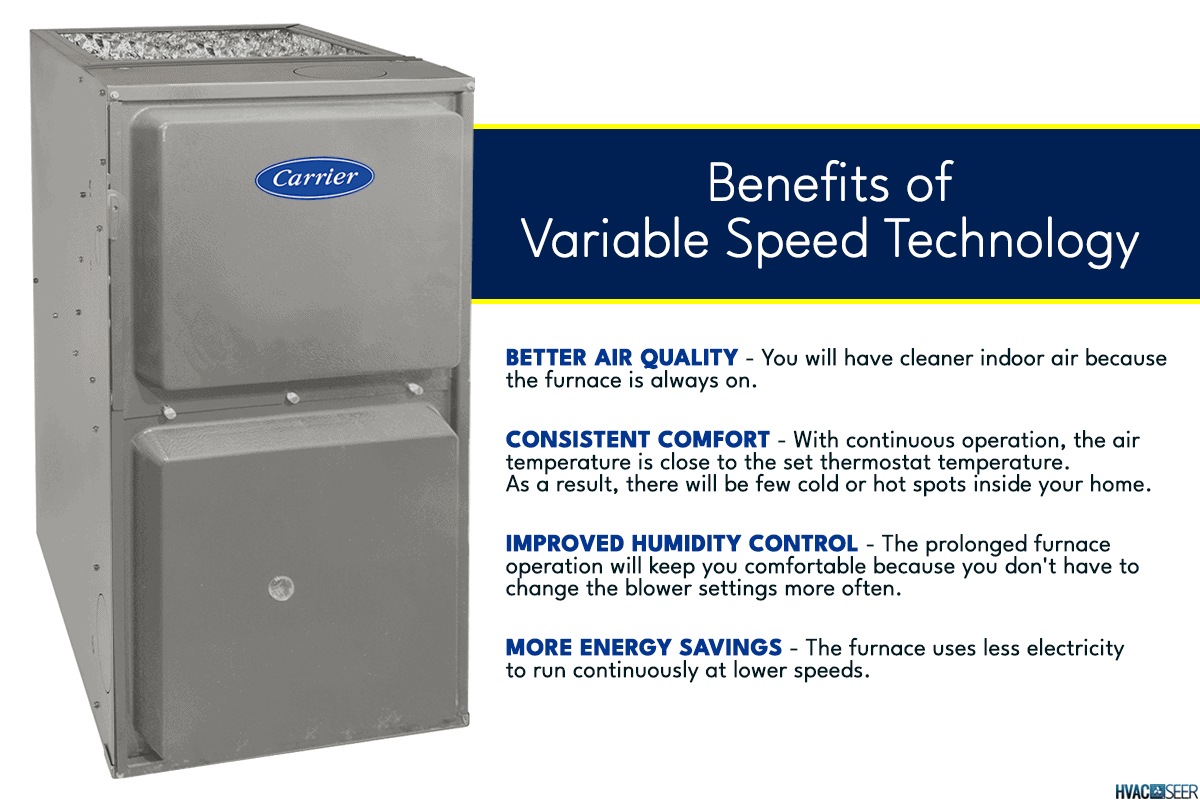
- Carrier Infinity Series: These are Carrier's top-of-the-line furnaces, offering the highest efficiency and advanced features. They often feature variable-speed ECM motors, modulating gas valves, and smart controls. AFUE ratings typically range from 96% to 98.5%.
- Carrier Performance Series: These furnaces offer a balance of performance and value. They often feature two-stage gas valves and ECM or PSC motors. AFUE ratings typically range from 92% to 96%.
- Carrier Comfort Series: These are Carrier's entry-level furnaces, offering reliable performance at an affordable price. They typically feature single-stage gas valves and PSC motors. AFUE ratings typically range from 80% to 92%.
Warranty Information
Carrier furnaces typically come with a limited warranty on parts and a longer warranty on the heat exchanger. The specific terms of the warranty vary depending on the model and installation date. It's crucial to register your furnace with Carrier after installation to ensure proper warranty coverage. Check the official Carrier website for specific warranty details for your model.
Maintenance Considerations
Regular maintenance is essential for keeping your Carrier furnace running efficiently and reliably. Key maintenance tasks include:
- Replacing the air filter regularly (every 1-3 months).
- Inspecting the blower motor and cleaning any debris.
- Checking the gas pressure and burner assembly.
- Inspecting the flue pipe for leaks or obstructions.
- Scheduling an annual professional inspection and tune-up.
Cost Considerations
The cost of a Carrier furnace can vary depending on the model, size, and features. Entry-level models can start around $2,000, while high-end models can cost upwards of $5,000 or more, excluding installation. Installation costs can range from $1,000 to $3,000, depending on the complexity of the job. Remember that energy-efficient models can often qualify for rebates and tax credits, helping to offset the initial cost.
When to Call a Professional
While adjusting blower speed can be a DIY project for some, it's important to recognize when to call a qualified HVAC technician. Consult a professional if:
- You are not comfortable working with electrical wiring.
- You are unsure about the proper settings for your furnace.
- You experience any unusual noises or performance issues after making adjustments.
- Your furnace is under warranty, and you are concerned about voiding the warranty.
HVAC Brands: Beyond Carrier
While Carrier is a well-respected brand, it's important to consider other options when shopping for a new furnace. Some popular alternatives include:
- Lennox: Known for its innovative and high-efficiency furnaces.
- Trane: A reliable brand with a wide range of models and features.
- Rheem: Offers a good balance of performance and value.
- Goodman: A budget-friendly option with a solid reputation.
When comparing brands, consider factors such as AFUE ratings, SEER ratings (for air conditioners if you're considering a packaged system), HSPF ratings (for heat pumps), warranty coverage, features, and price.
Final Thoughts
Adjusting the blower speed on your Carrier furnace can be a valuable way to optimize its performance and improve your home comfort. However, it's important to proceed with caution and follow the manufacturer's instructions carefully. By understanding the different types of blower motors, the adjustment process, and the importance of safety, you can confidently fine-tune your system for maximum efficiency and comfort. And when in doubt, always consult a qualified HVAC professional.