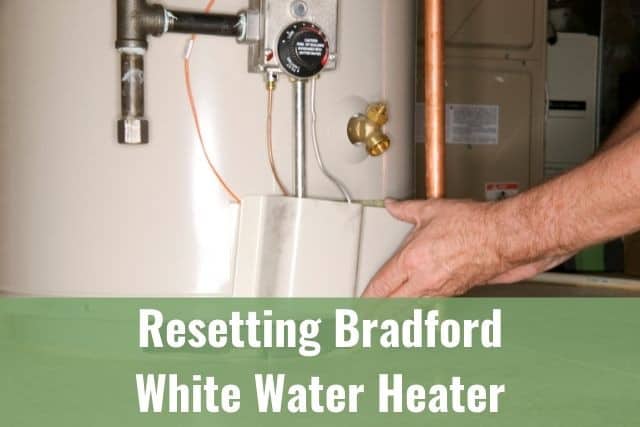
How To Adjust Heat On Bradford White Water Heater

Adjusting the Heat on Your Bradford White Water Heater: A Homeowner's Guide
Bradford White water heaters are known for their reliability, but like any appliance, they sometimes need a little tweaking. Adjusting the water temperature is a common task homeowners can often handle themselves. This guide will walk you through the process step-by-step, helping you optimize your hot water usage while prioritizing safety.
Safety First!
Before you even think about touching your water heater, remember these crucial safety precautions:
- Turn off the power! Locate the circuit breaker for your water heater and switch it off. This prevents electric shock, especially important for electric models.
- Beware of hot water! Even with the power off, residual hot water can scald. Exercise caution when handling any components near the tank.
- Read your manual! Your Bradford White water heater manual is your best friend. Refer to it for model-specific instructions and warnings.
- Gas Heaters: If you have a gas water heater, turn off the gas supply valve before attempting any adjustments. The valve is usually located on the gas line leading to the heater.
If at any point you feel uncomfortable or unsure about any step, stop and call a qualified HVAC professional. It's always better to be safe than sorry.
Tools and Materials You Might Need
Having the right tools on hand makes the job smoother and safer. Here's a list of items you might need:
- Screwdrivers (Phillips and flathead)
- Pliers
- Adjustable wrench
- Voltage tester (for electric models - to confirm power is off)
- Bucket and towels (for minor water spills)
- Flashlight
- Ohm meter (testing heating element)
Locating the Temperature Control
The location of the temperature control varies slightly depending on whether you have an electric or gas water heater.
Electric Water Heaters
Electric water heaters usually have two heating elements, each with its own thermostat. These are typically located behind access panels on the side of the tank.
- Locate the Access Panels: Look for rectangular or square panels, usually near the middle and bottom of the tank.
- Remove the Panels: Use a screwdriver to carefully remove the screws securing the panels.
- Insulation: Be prepared to find insulation behind the panels. Gently move it aside to reveal the thermostat.
- Safety Cut Off Switch: Note the location of the red reset button on the high-limit thermostat. This is a safety cut off that will turn the power off if the water gets too hot.
Gas Water Heaters
Gas water heaters have a single temperature control dial, usually located behind an access panel near the bottom of the tank, often near the gas valve and burner assembly.
- Locate the Access Panel: Look for a small panel near the bottom of the tank.
- Remove the Panel: Use a screwdriver to remove the screws or clips holding the panel in place.
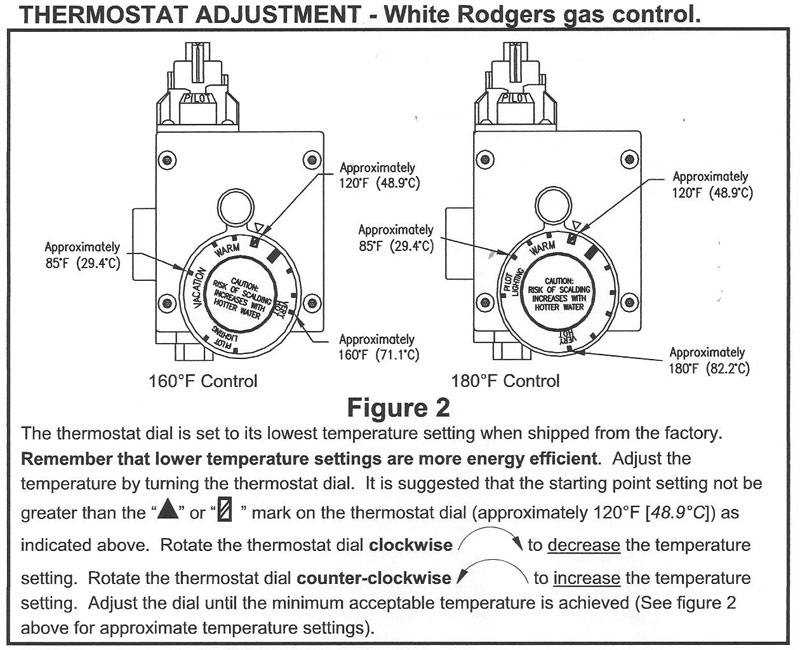
- Find the Dial: You should see a dial with temperature markings (e.g., Low, A, B, C, Hot, Very Hot).
Adjusting the Temperature
Now that you've located the temperature control, it's time to make adjustments.
Electric Water Heaters
Since electric water heaters have two thermostats, you'll need to adjust both to the same temperature.
- Adjust the Thermostats: Use a flathead screwdriver to turn the dial on each thermostat to your desired temperature. A good starting point is 120°F (49°C). It is important to set them both to the same temperature.
- Replace the Insulation: Carefully replace the insulation, ensuring it's positioned correctly.
- Reattach the Access Panels: Secure the access panels with the screws you removed earlier.
Gas Water Heaters
- Adjust the Dial: Turn the dial to your desired temperature setting. Again, 120°F (49°C) is a recommended starting point.
- Replace the Access Panel: Secure the access panel.
Turning the Power/Gas Back On
After making your adjustments, it's time to restore power or gas to the water heater.
Electric Water Heaters
- Turn on the Breaker: Go back to your circuit breaker panel and switch the breaker for the water heater back on.
Gas Water Heaters
- Turn on the Gas Supply: Slowly turn the gas supply valve back on.
- Check for Leaks: Use a soapy water solution to check for gas leaks around the valve and fittings. If you detect bubbles, turn the gas off immediately and call a qualified gas technician.
- Relight the Pilot (If Necessary): Some older gas water heaters have a pilot light that needs to be relit. Follow the instructions on the water heater itself or in your manual. Many newer models have electronic ignition and will relight automatically.
Testing the Water Temperature
After allowing the water heater to heat up for a few hours, test the water temperature at a faucet. Use a thermometer to ensure the water reaches your desired temperature. Adjust the thermostats or dial further if needed, repeating the steps above.
Troubleshooting Common Issues
Here are some common problems you might encounter when adjusting your water heater temperature:
- No Hot Water: Could be a tripped breaker (electric), a pilot light that's out (gas), a faulty heating element (electric), or a malfunctioning thermostat.
- Water Not Hot Enough: Thermostat set too low, sediment buildup in the tank (reducing efficiency), or a failing heating element (electric).
- Water Too Hot: Thermostat set too high, or a malfunctioning thermostat.
- Strange Noises: Sediment buildup in the tank can cause rumbling or popping noises.
- Leaking Water: Could be a loose fitting, a corroded tank, or a faulty temperature and pressure (T&P) relief valve.
When to Call a Professional
While adjusting the temperature is usually a straightforward task, certain situations warrant calling a qualified HVAC professional:
- You're uncomfortable working with electricity or gas.
- You suspect a gas leak.
- You notice signs of corrosion or leaks in the tank.
- The water heater is making unusual noises.
- You've tried adjusting the temperature, and it's not working.
- You're unsure about any step in the process.
Attempting complex repairs without the proper knowledge and tools can be dangerous and can potentially damage your water heater further. It's always best to err on the side of caution and call a professional when in doubt.
Estimating Repair Costs
Repair costs for water heaters can vary depending on the issue, the brand and model of the water heater, and your location. Here are some rough estimates:
- Thermostat Replacement: $100 - $300
- Heating Element Replacement (Electric): $150 - $400
- T&P Valve Replacement: $100 - $250
- Gas Valve Replacement: $200 - $500
- Water Heater Flush (Sediment Removal): $100 - $200
- Water Heater Replacement: $800 - $2500+ (including labor and the cost of the new unit)
These are just estimates, and it's always best to get a quote from a qualified HVAC technician for an accurate assessment of the repair costs.
Preventative Maintenance Tips
To keep your Bradford White water heater running efficiently and prevent problems, consider these maintenance tips:
- Flush the Tank Annually: This removes sediment buildup, which can reduce efficiency and cause damage.
- Inspect the Anode Rod: The anode rod protects the tank from corrosion. Replace it every few years, as recommended by the manufacturer.
- Check the T&P Valve: Test the temperature and pressure relief valve periodically to ensure it's functioning correctly.
- Insulate the Water Heater: Insulating the tank can help reduce heat loss and save energy.
- Lower the Temperature Setting: Setting the temperature to 120°F (49°C) can save energy and reduce the risk of scalding.
By following these tips and performing regular maintenance, you can extend the life of your Bradford White water heater and ensure a consistent supply of hot water for your home.