How To Adjust Pressure Regulator Valve

Maintaining optimal water pressure is crucial for both residential and commercial properties, influencing everything from appliance longevity to energy efficiency. One key component in managing this pressure is the pressure regulator valve (PRV). Adjusting a PRV isn't just about fine-tuning your water flow; it's about preventing damage, conserving water, and potentially lowering your energy bill. Let's dive into a comprehensive guide on how to adjust a pressure regulator valve effectively and safely.
Understanding Your Pressure Regulator Valve
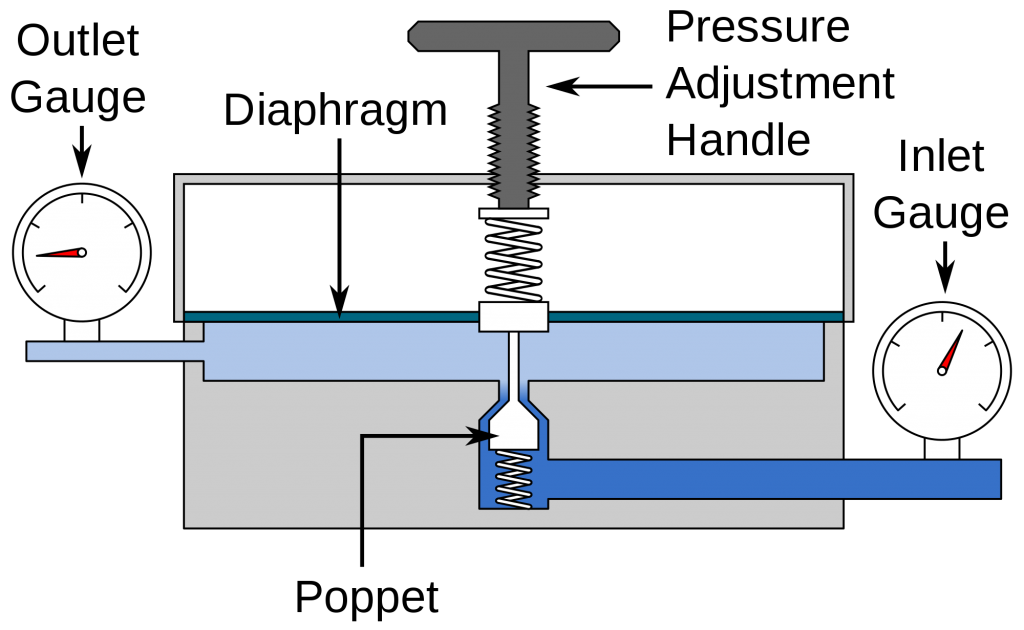
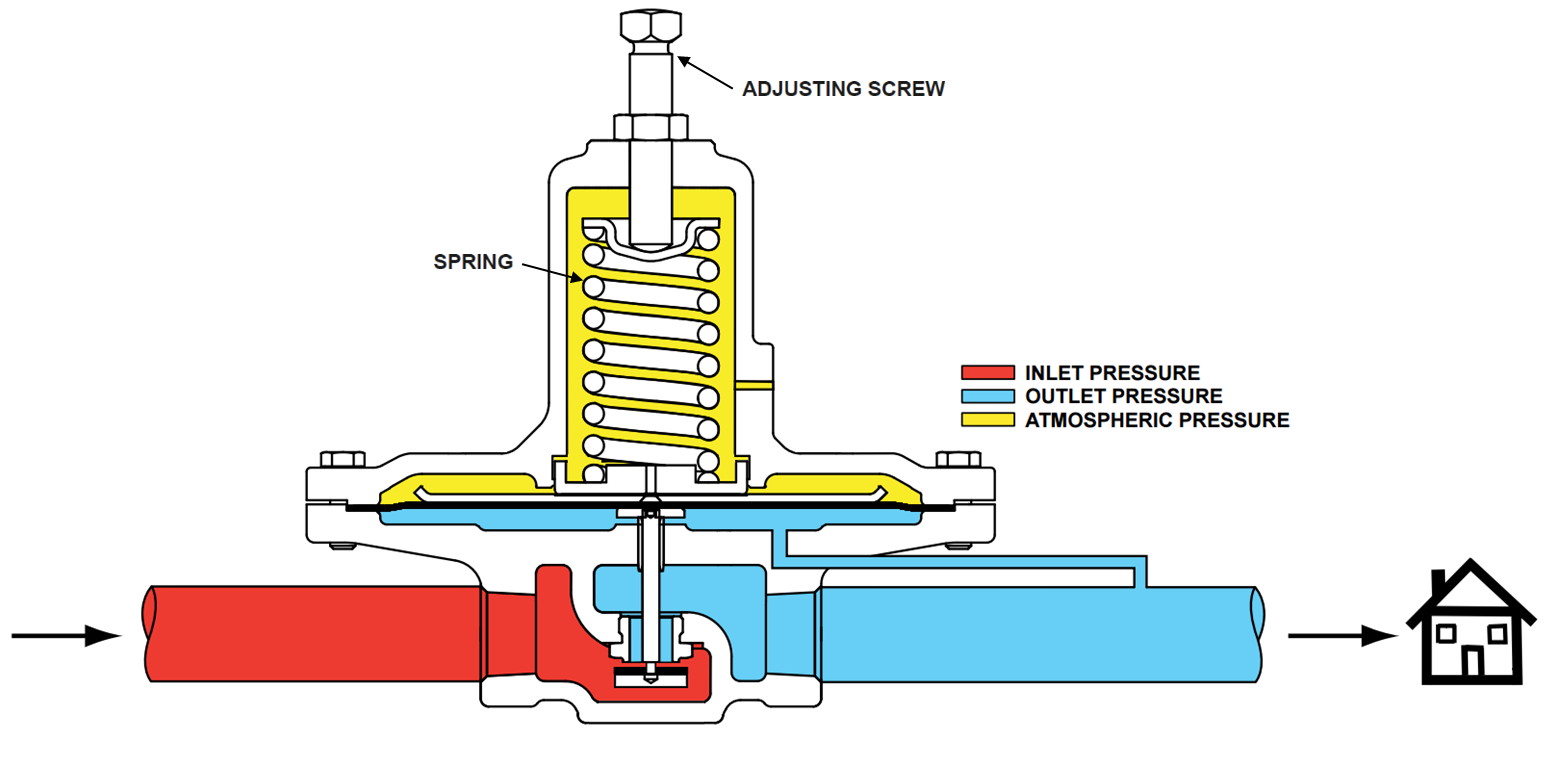
Before you start turning screws, it's important to understand what a PRV is and what it does. A PRV, sometimes called a pressure-reducing valve, is a specialized valve that automatically reduces high incoming water pressure from the city water main or well pump to a safer, more usable level for your plumbing system. Too much water pressure can damage pipes, fixtures, and appliances, leading to costly repairs and leaks. Too little pressure, on the other hand, can result in weak showers and inefficient appliance operation. A properly adjusted PRV ensures a consistent and safe water pressure throughout your property.
Locating Your PRV
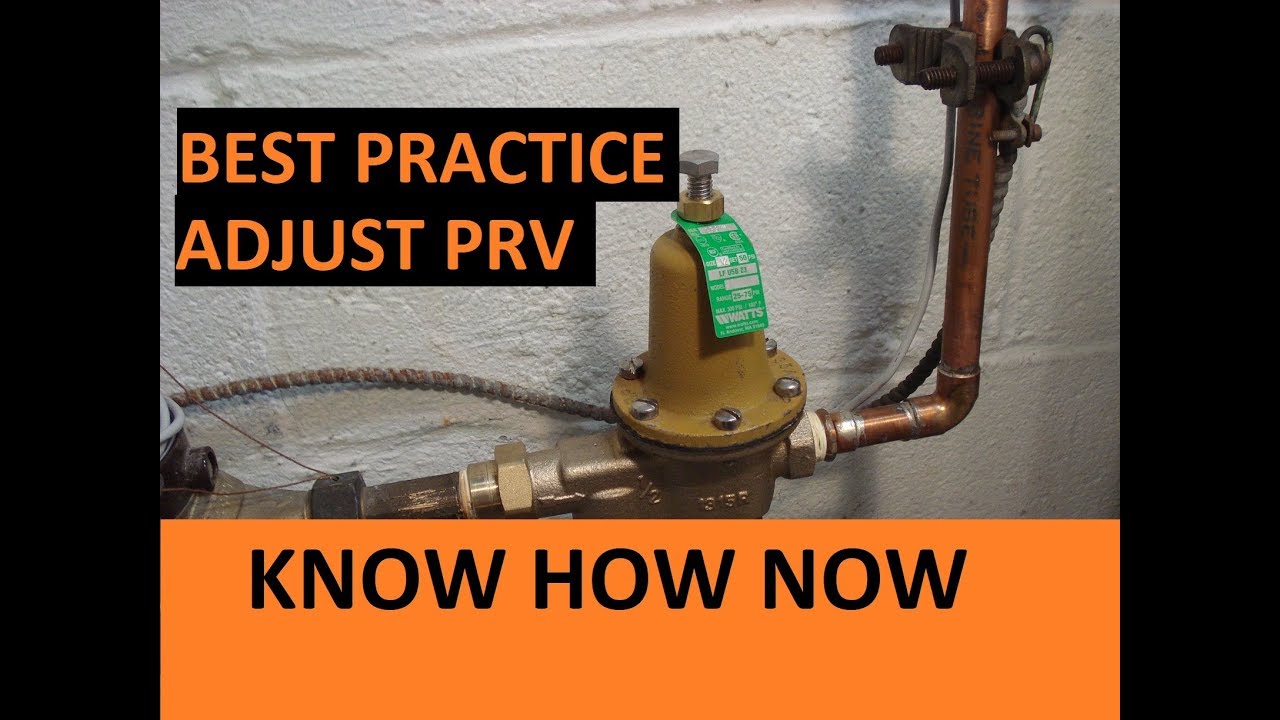
The first step is finding the PRV. In residential settings, it's typically located where the main water line enters the house, often near the water meter or the main shut-off valve. In commercial buildings, it might be located in a utility room or near the main water supply intake. Look for a bell-shaped or cylindrical device with an adjustment screw or bolt on top. It's usually made of brass or bronze.
Gathering Necessary Tools
You'll need a few tools to adjust the PRV. These include:
- Adjustable wrench: For loosening and tightening the lock nut on the adjustment screw.
- Flathead screwdriver or socket wrench: Depending on the type of adjustment screw.
- Water pressure gauge: To accurately measure the water pressure before and after the adjustment. You can purchase one at most hardware stores; those that screw onto a hose bib are easiest to use.
Step-by-Step Adjustment Process
Now that you've located the PRV and gathered your tools, let's get to the adjustment process:
1. Measure the Existing Water Pressure
Before making any adjustments, it's essential to know the current water pressure. Attach the water pressure gauge to an outside faucet or hose bib that's downstream from the PRV. Turn on the faucet fully and read the pressure gauge. Note the reading; ideally, you want a pressure between 50 and 70 PSI (pounds per square inch) for most residential applications. Energy Star appliances are optimized for this range. Commercial buildings may require different pressures depending on their specific needs, typically between 40 and 80 PSI. Consult local plumbing codes for compliance requirements. If the pressure is already within the optimal range, no adjustment is necessary.
2. Loosen the Lock Nut
On top of the PRV, you'll find an adjustment screw or bolt and a lock nut. Use your adjustable wrench to carefully loosen the lock nut. Be careful not to damage the surrounding components.
3. Adjust the Screw
This is where you'll actually change the water pressure.
- To increase pressure: Turn the adjustment screw clockwise. Make small adjustments, usually no more than a quarter turn at a time.
- To decrease pressure: Turn the adjustment screw counterclockwise, again making small adjustments.
After each adjustment, wait a few seconds for the pressure to stabilize. Recheck the pressure gauge to see if the adjustment had the desired effect.
4. Monitor the Pressure and Fine-Tune
Continue adjusting the screw and monitoring the pressure gauge until you reach your desired pressure (between 50 and 70 PSI for residential use). It’s crucial to make small adjustments and allow time for the pressure to stabilize between each tweak. This iterative approach ensures that you don’t overshoot your target pressure.
5. Tighten the Lock Nut
Once you've achieved the desired pressure, tighten the lock nut with your adjustable wrench to secure the adjustment screw in place. Avoid over-tightening, which could damage the valve.
6. Verify Stability
After tightening the lock nut, recheck the water pressure gauge to ensure that the pressure hasn't changed during the tightening process. Run water through multiple fixtures (sinks, showers, toilets) simultaneously to simulate peak demand and confirm that the pressure remains stable under varying loads. A slight fluctuation is normal, but significant drops in pressure might indicate a problem with the PRV itself, or the incoming water supply.
Troubleshooting Common Issues
Sometimes, adjusting a PRV doesn't go as smoothly as planned. Here are a few common issues and how to address them:
- Pressure won't change: If turning the adjustment screw has no effect on the water pressure, the PRV might be faulty and need replacement. Also, check for debris buildup within the valve body, which can prevent proper operation.
- Pressure fluctuates wildly: Erratic pressure fluctuations can be caused by a damaged diaphragm inside the PRV or a worn-out seat. In these cases, professional repair or replacement is often necessary.
- Leaking PRV: Leaks around the PRV can indicate corrosion, damaged seals, or loose connections. Tighten any loose connections, but if the leak persists, consider replacing the valve.
The Energy-Saving Benefits
Properly adjusting your PRV isn't just about comfort and convenience; it can also lead to significant energy savings. Here’s how:
- Reduced water waste: High water pressure forces more water through your fixtures and appliances than necessary. Lowering the pressure reduces water waste, leading to lower water bills. Studies show that reducing water pressure from 80 PSI to 60 PSI can decrease water consumption by up to 20%.
- Extended appliance lifespan: High pressure puts unnecessary strain on your water-using appliances (dishwashers, washing machines, water heaters), shortening their lifespan. Maintaining optimal pressure helps these appliances operate more efficiently and last longer.
- Energy-efficient water heating: Lower water pressure allows your water heater to work more efficiently. Less water being forced through the system means less energy is required to heat it. This is particularly beneficial for tankless water heaters, which operate on demand.
Smart Home Integration and Advanced Monitoring
For smart home enthusiasts, integrating water pressure monitoring into your system provides even greater control and insight. Smart water leak detectors often include pressure sensors that can alert you to unusual fluctuations or potential problems. These sensors can be integrated with smart thermostats and other home automation devices to optimize water usage and energy consumption.
Imagine a scenario where your smart water system detects an unusually high-pressure reading. It could automatically send you an alert, allowing you to investigate and adjust the PRV before any damage occurs. Some advanced systems can even automatically adjust the PRV based on real-time demand and usage patterns.
Rebates and Incentives for Water Conservation
Many municipalities and utility companies offer rebates and incentives for water-saving measures, including the installation of pressure-reducing valves and smart water monitoring systems. Check with your local water utility or energy provider to see what programs are available in your area. These rebates can significantly offset the cost of upgrading your system and further enhance the ROI of water conservation efforts.
When to Call a Professional
While adjusting a PRV is a task many homeowners can tackle themselves, there are situations where it's best to call a qualified plumber or HVAC contractor:
- You're uncomfortable working with plumbing: If you're not confident in your DIY skills, it's always best to err on the side of caution and call a professional.
- The PRV is old or corroded: Attempting to adjust an old, corroded PRV can cause it to break or leak. A professional can safely replace the valve.
- You've tried adjusting the PRV and it's not working: If you've followed the steps outlined above and the pressure isn't changing, there may be a more serious problem with the valve or your plumbing system.
- You notice significant leaks: Major leaks require immediate attention and should be addressed by a qualified plumber.
Investing in a properly functioning and adjusted pressure regulator valve is an investment in the longevity and efficiency of your home or business. By understanding how to adjust a PRV, monitoring its performance, and integrating it with smart home technology, you can save water, reduce energy consumption, and protect your plumbing system from costly damage. Don't underestimate the power of this small but mighty device in your quest for a more sustainable and cost-effective property. Remember to consult local codes and regulations to ensure compliance. Moreover, consider the long-term ROI, including potential savings on water bills, appliance repairs, and energy consumption, when making decisions about your PRV system.