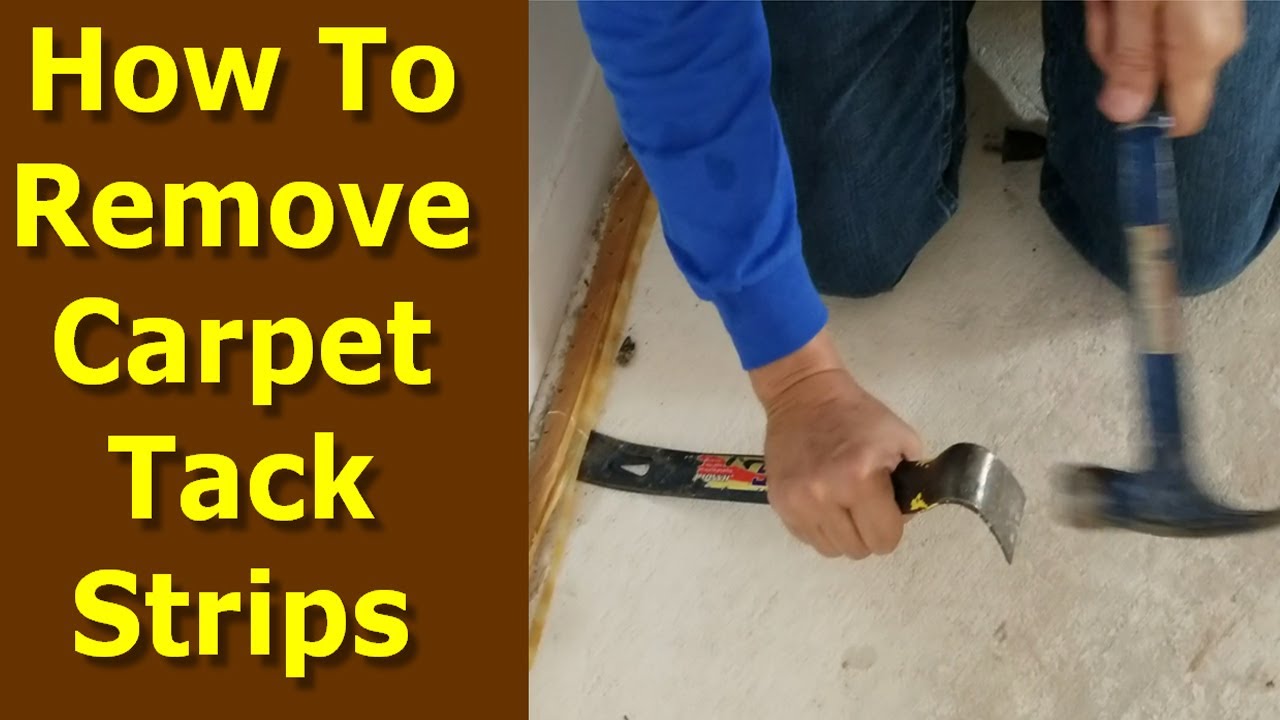
How To Attach Carpet Tack Strip To Concrete
Installing carpet tack strip to concrete is a common task, often encountered when finishing basements or working on commercial projects. While it might seem outside the immediate scope of HVAC work, understanding basic construction principles, including flooring installation, can broaden your skill set and make you a more valuable asset in the construction industry. This is especially true for HVAC technicians working on new builds or renovations where coordinating with other trades is essential.
Why HVAC Professionals Should Know This
You might be thinking, "Why should an HVAC tech know about installing carpet?" Here’s why:
- Collaboration: HVAC systems interact with flooring, especially in radiant floor heating or when installing vents near baseboards. Knowing how subfloors and finished floors are installed helps you avoid damaging them and work more effectively with other trades.
- Job Site Awareness: Understanding the construction process provides context for your HVAC work, allowing you to anticipate potential issues and communicate better with contractors and homeowners.
- Problem Solving: Sometimes, issues like poor insulation or inadequate airflow can be traced back to improper flooring installation. A basic understanding can help you identify these problems.
- Professional Development: Expanding your knowledge base enhances your value to employers and opens doors to new opportunities.
Before diving into the process, remember that the HVAC industry is booming. According to the Bureau of Labor Statistics, the job outlook for HVAC mechanics and installers is projected to grow 6 percent from 2022 to 2032, about as fast as the average for all occupations. About 41,600 openings for HVAC mechanics and installers are projected each year, on average, over the decade. The median annual wage for HVAC mechanics and installers was $59,620 in May 2023. These figures underscore the importance of staying current with industry best practices and broadening your skillset.
Tools and Materials Needed
Before you begin, gather the necessary tools and materials:
- Carpet Tack Strip: Choose the appropriate type for your carpet and desired installation method.
- Safety Glasses: Protect your eyes from flying debris.
- Work Gloves: Protect your hands.
- Dust Mask or Respirator: Concrete drilling creates dust.
- Hammer Drill: Essential for drilling into concrete.
- Concrete Drill Bits: Use the correct size for your fasteners.
- Concrete Anchors or Fasteners: Options include concrete nails, screws with plastic anchors, or powder-actuated fasteners.
- Hammer: For driving in concrete nails or anchors.
- Measuring Tape: For accurate placement.
- Pencil or Marker: For marking the concrete.
- Vacuum Cleaner: To clean up dust after drilling.
Step-by-Step Installation Guide
1. Preparation
Begin by thoroughly cleaning the concrete surface. Remove any debris, dirt, or existing adhesive. A clean surface ensures a strong bond. Use a vacuum cleaner or broom to remove loose particles. If necessary, scrub the area with a mild detergent and water, then allow it to dry completely.
2. Measuring and Marking
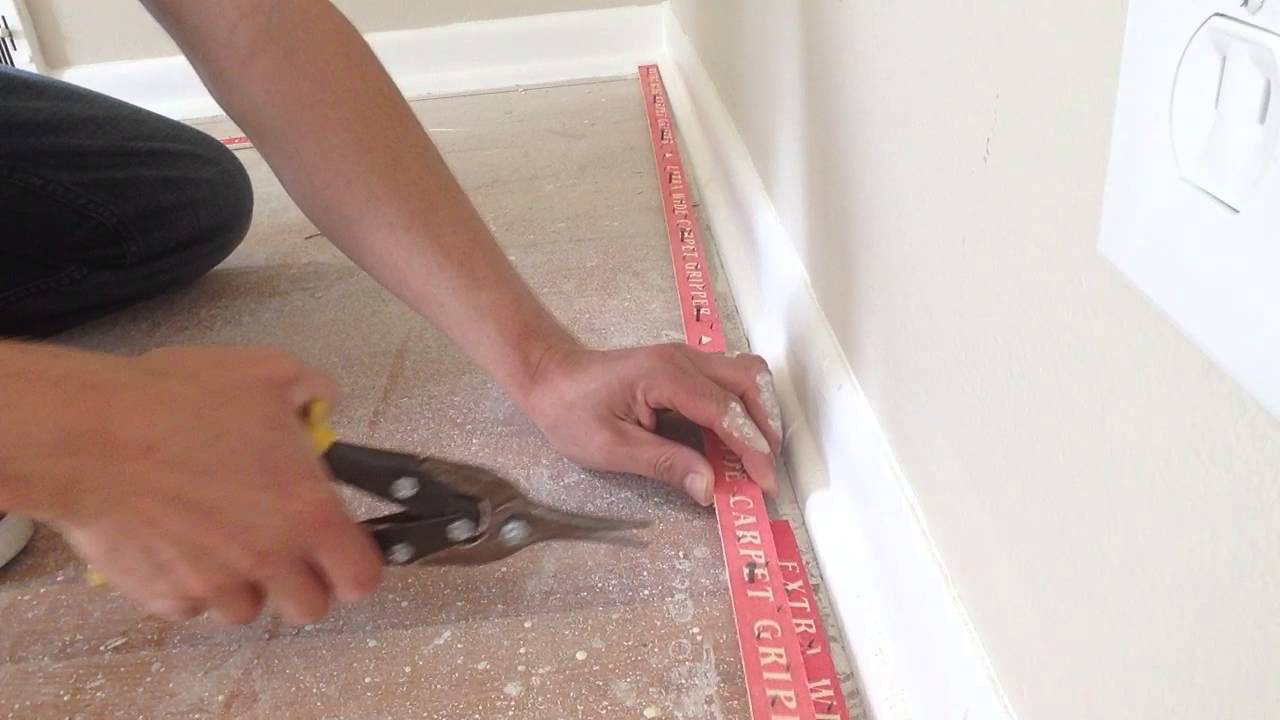
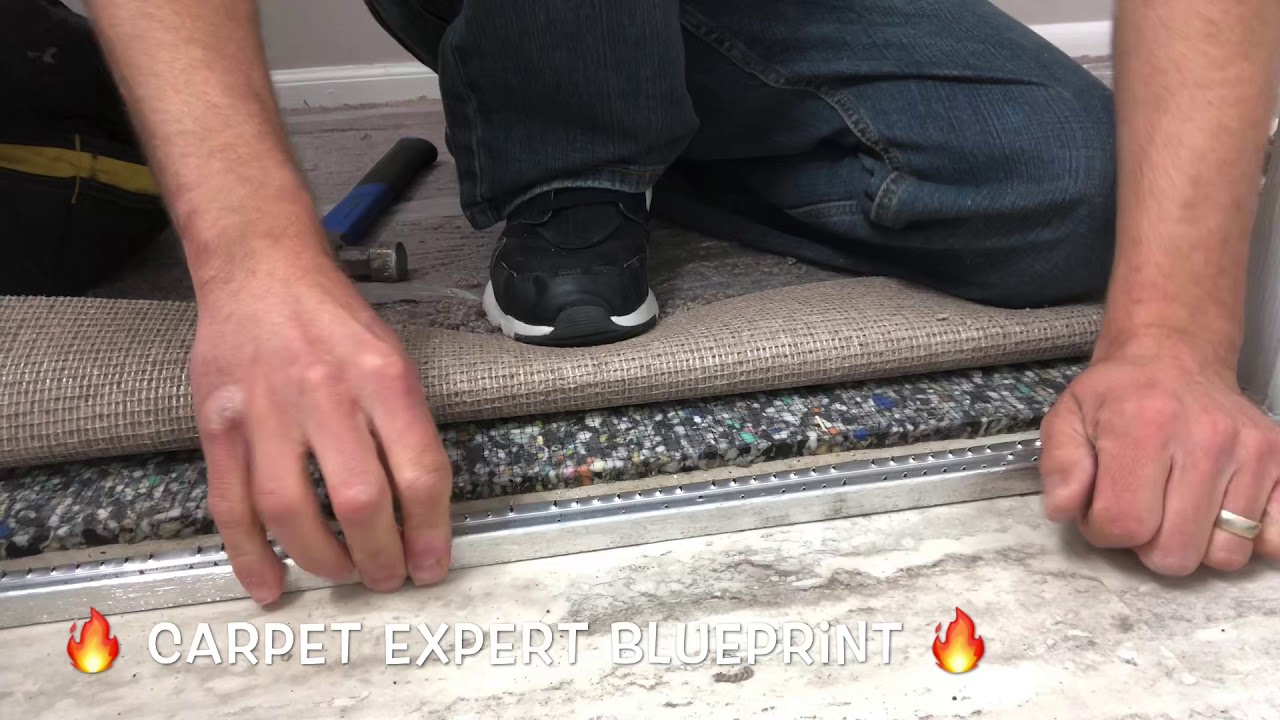
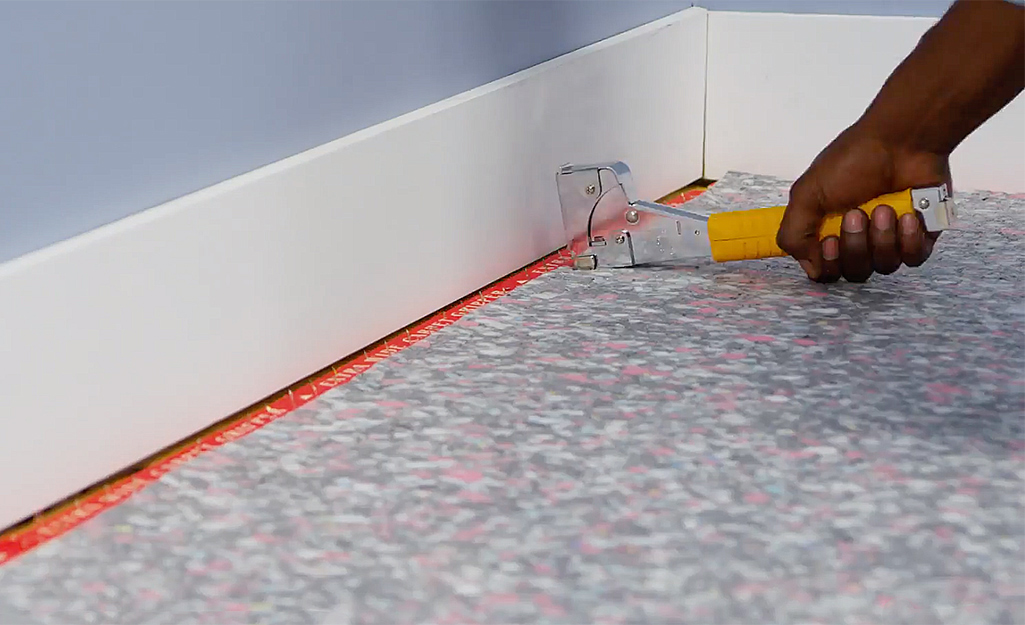
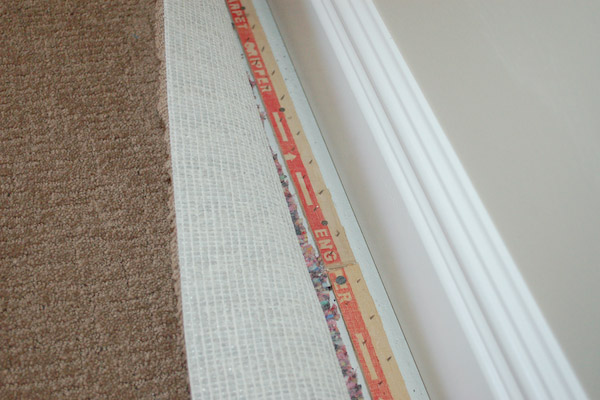
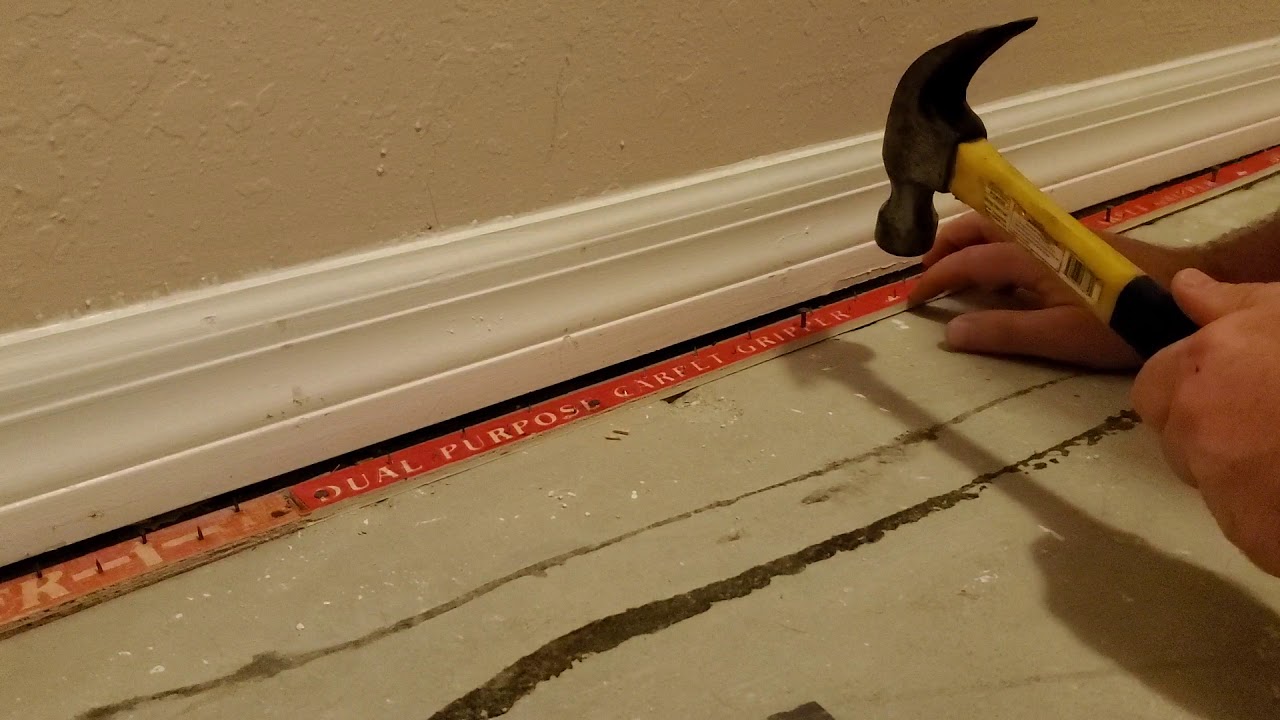
Measure the perimeter of the area where the carpet will be installed. Leave a gap of approximately 1/4 to 3/8 inch between the tack strip and the wall. This gap allows the carpet to be tucked in neatly. Use a measuring tape and pencil to mark the location for the tack strip. Ensure the tack strip is positioned with the tacks facing towards the wall.
3. Drilling Pilot Holes
Using a hammer drill and a concrete drill bit matching the size of your chosen fasteners, drill pilot holes through the tack strip and into the concrete. Space the holes approximately 6 to 8 inches apart. Ensure the holes are deep enough to accommodate the fasteners. Wear safety glasses and a dust mask during this step.
Safety Tip: Always use a hammer drill when working with concrete. A standard drill will not be effective and can damage the drill bit.
4. Fastening the Tack Strip
There are several methods for fastening the tack strip to concrete. The best method depends on the type of concrete and the load it needs to bear.
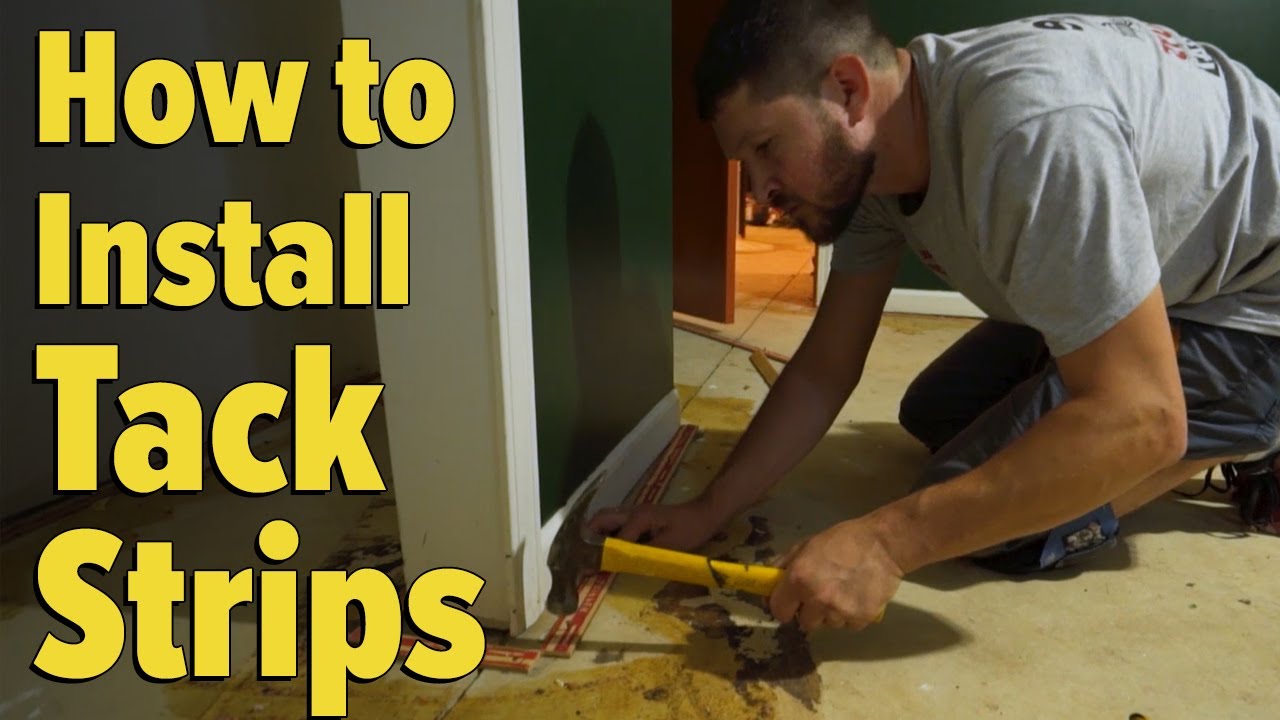
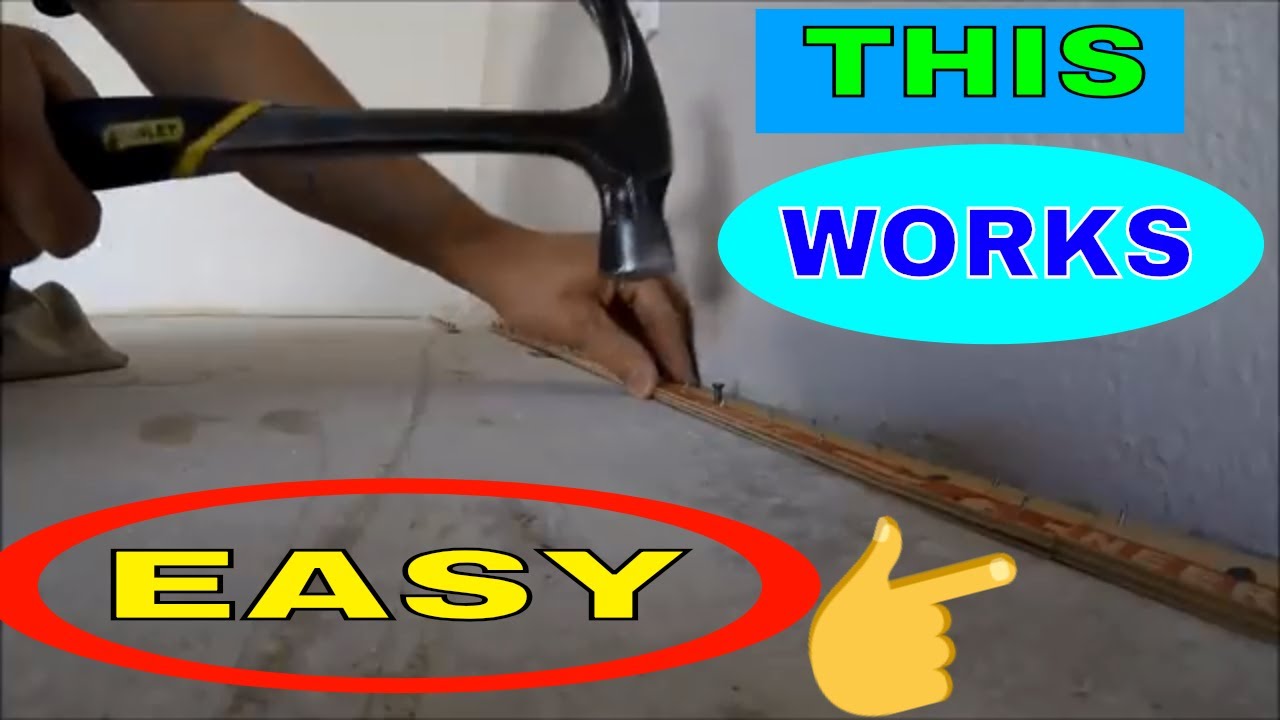
- Concrete Nails: Place the tack strip over the pilot holes and drive concrete nails through the strip and into the concrete using a hammer. This method is suitable for relatively soft concrete.
- Screws with Plastic Anchors: Insert plastic anchors into the pilot holes. Then, place the tack strip over the anchors and drive screws through the strip and into the anchors. This method provides a stronger hold than concrete nails.
- Powder-Actuated Fasteners: These are driven into the concrete using a special tool. This method is the strongest and fastest, but requires specialized equipment and training. Follow the manufacturer's instructions carefully. This method is often preferred for commercial applications.
Ensure the fasteners are securely in place and flush with the surface of the tack strip. Avoid over-tightening, as this can damage the strip or the concrete.
5. Clean Up
Once the tack strip is installed, vacuum up any remaining concrete dust and debris. This will prevent dust from getting trapped under the carpet.
Choosing the Right Fasteners
Selecting the right fasteners is crucial for a secure and long-lasting installation.
- Concrete Nails: Best for light-duty applications and softer concrete. They are easy to install but may not provide sufficient holding power in harder concrete.
- Screws with Plastic Anchors: A versatile option suitable for most residential applications. They offer a good balance of holding power and ease of installation. Look for anchors specifically designed for concrete.
- Powder-Actuated Fasteners: Ideal for heavy-duty applications and commercial projects. They provide the strongest hold but require specialized equipment and training. Always follow safety precautions when using powder-actuated tools.
Troubleshooting Common Issues
- Tack strip not staying in place: Ensure you are using the correct type of fasteners for your concrete. If the concrete is very hard, you may need to use powder-actuated fasteners. Also, make sure the pilot holes are deep enough.
- Concrete cracking: Avoid drilling too close to the edge of the concrete slab. Use a hammer drill with a sharp drill bit and apply even pressure.
- Fasteners bending or breaking: This can happen if the concrete is too hard or if you are using the wrong type of fasteners. Try using a stronger fastener or pre-drilling a slightly larger pilot hole.
The HVAC Connection: Career Paths and Certifications
While seemingly unrelated, understanding flooring and general construction principles can significantly enhance your HVAC career. Consider these points:
- Energy Efficiency Audits: A basic understanding of building materials and construction techniques, including flooring, is valuable when conducting energy efficiency audits. Identifying issues like poorly insulated floors can help you recommend appropriate HVAC solutions and improvements.
- New Construction Projects: HVAC technicians working on new construction projects need to coordinate with other trades, including flooring installers. Knowing the flooring installation process helps you plan your work effectively and avoid conflicts.
- Renovation Projects: When renovating existing buildings, HVAC technicians may need to modify or relocate existing systems. Understanding the existing construction, including flooring, is crucial for a successful renovation.
To further your career in the HVAC industry, consider pursuing professional certifications such as:
- NATE (North American Technician Excellence): NATE certification demonstrates your knowledge and skills in HVAC installation, service, and maintenance. It is highly valued by employers and can lead to higher earning potential. The median salary for NATE-certified technicians is often higher than that of non-certified technicians.
- EPA 608 Certification: Required for technicians who handle refrigerants. This certification ensures that you are trained to handle refrigerants safely and responsibly, minimizing environmental impact.
- HVAC Excellence: Another reputable certification program that validates your technical competence in HVAC systems.
Real-World Example: Consider an HVAC technician who works primarily on residential renovations. By understanding flooring installation, they can more easily identify and address issues related to insulation, airflow, and duct placement. This broader skillset makes them a more valuable asset to their employer and allows them to provide better service to their customers.
Furthermore, according to recent industry reports, there's a growing demand for HVAC technicians with expertise in building automation systems and energy-efficient technologies. These roles often require a broader understanding of building systems, including construction and flooring.
Conclusion
While installing carpet tack strip to concrete might not be a core HVAC skill, it exemplifies the importance of continuous learning and expanding your knowledge base. In the ever-evolving HVAC industry, staying curious and acquiring new skills will undoubtedly lead to a more successful and fulfilling career. Embrace opportunities to learn about other trades and construction processes, and you'll become a more valuable and versatile HVAC professional.
Remember, whether you're an HVAC student, a seasoned technician, or an employer looking for skilled workers, investing in training and professional development is always a worthwhile endeavor. The HVAC industry offers a wealth of opportunities for those who are willing to learn and adapt.