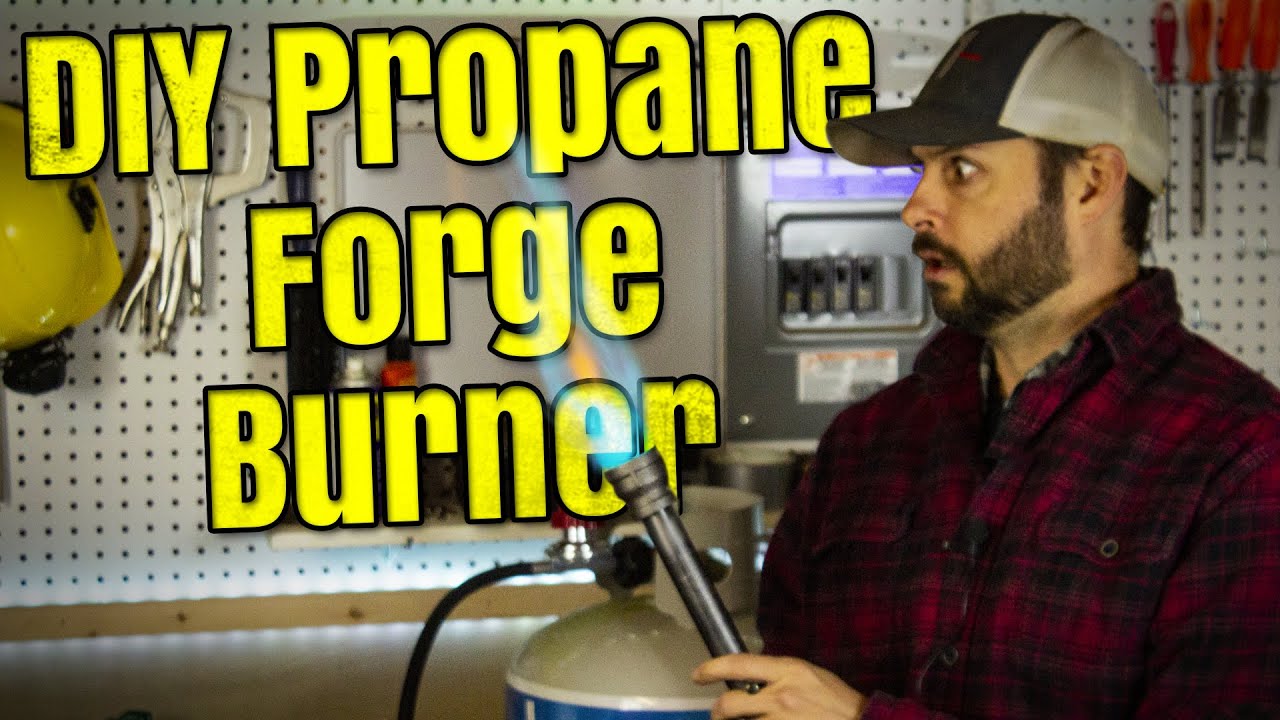
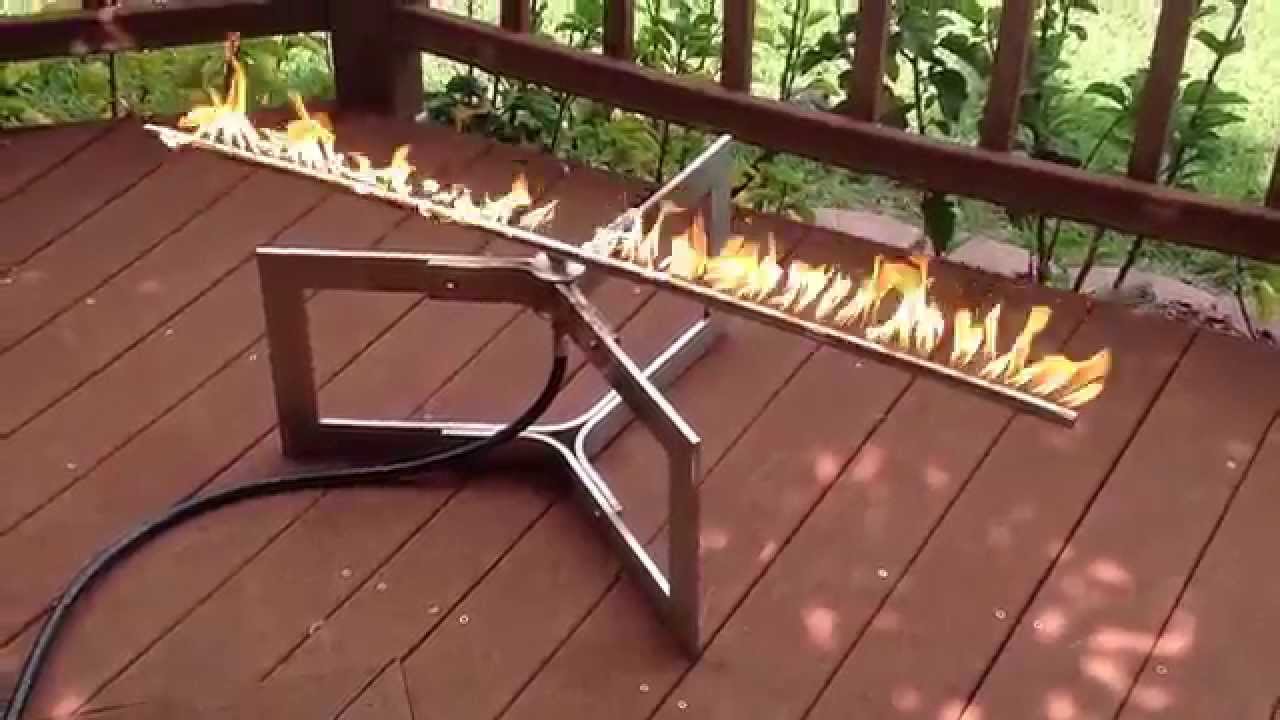
How To Build A Propane Burner

Propane, a versatile and readily available fuel, powers a wide range of heating systems, from residential furnaces to industrial boilers. Understanding how a propane burner functions and even constructing a simple one can provide valuable insights into HVAC technology. This article outlines the principles behind propane burners, a simplified guide to building a basic burner (for educational purposes only and with crucial safety warnings), and considerations for choosing propane-based HVAC systems.
Understanding Propane Burner Fundamentals
At its core, a propane burner facilitates the controlled combustion of propane gas (C3H8) with oxygen, releasing heat energy. This process involves several key components:
- Fuel Supply: Propane is typically stored in a tank under pressure. A regulator reduces this pressure to a level suitable for the burner.
- Orifice: A small, precisely sized opening (the orifice) meters the flow of propane into the burner. The size of the orifice directly impacts the burner's heat output.
- Mixing Chamber: Here, propane mixes with air (oxygen) to create a combustible mixture. The air-fuel ratio is critical for efficient and clean burning. Too much fuel (rich mixture) results in incomplete combustion and soot, while too much air (lean mixture) can lead to unstable flames or flame-out.
- Burner Head: The burner head distributes the air-fuel mixture and provides a stable platform for combustion. Different burner head designs influence flame characteristics, such as flame shape and temperature distribution.
- Ignition System: A spark igniter or hot surface igniter initiates the combustion process. Modern systems often incorporate flame sensors that shut off the gas supply if the flame is not detected, enhancing safety.
The efficiency of a propane burner depends on several factors, including the air-fuel ratio, burner design, and the flue gas temperature. Higher efficiency translates to more heat output per unit of propane consumed.
Building a Simple Propane Burner (Educational Purposes Only - Safety First!)
WARNING: Constructing and operating a propane burner involves significant risks, including fire, explosion, and carbon monoxide poisoning. This section is for informational purposes only. Any attempt to build or operate a propane burner should only be undertaken by qualified individuals in a controlled environment with appropriate safety measures. Always consult with experienced professionals and adhere to all applicable codes and regulations. Ensure you have proper ventilation, fire extinguishers, and carbon monoxide detectors readily available.
This simplified design is intended to illustrate the basic principles and is not suitable for practical heating applications.
Materials Needed (Example - NOT for Actual Construction Without Expert Guidance):
- A short length of steel pipe (e.g., 1-inch diameter).
- A smaller diameter steel pipe (e.g., 1/4-inch diameter) to act as the gas inlet.
- A propane regulator and hose compatible with a small propane cylinder.
- A small brass fitting to serve as the orifice (can be modified by drilling).
- A drill and drill bits of varying sizes.
- Welding equipment (if available; otherwise, threaded fittings and epoxy can be used, but welding is preferred for safety and durability).
- Safety glasses, gloves, and a welding helmet (if welding).
Construction Steps (Example - NOT for Actual Construction Without Expert Guidance):
- Prepare the Main Body: Cut the 1-inch steel pipe to the desired length (e.g., 6 inches). This will be the main body of the burner.
- Create the Gas Inlet: Drill a hole into the side of the 1-inch pipe near one end. The hole should be sized to accommodate the 1/4-inch pipe.
- Attach the Gas Inlet: Weld (or use threaded fittings and epoxy) the 1/4-inch pipe into the hole. Ensure a secure and leak-proof connection.
- Install the Orifice: Attach the brass fitting to the end of the 1/4-inch pipe extending into the main body. Experiment with different drill bit sizes to create the orifice. A very small orifice is crucial for controlling the gas flow. Start with a very small hole and gradually increase it until you achieve a stable flame.
- Connect the Propane Supply: Attach the propane regulator and hose to the other end of the 1/4-inch pipe.
- Testing (EXTREMELY CAREFUL AND SUPERVISED): In a well-ventilated outdoor area, slowly open the propane cylinder valve. Use a long lighter or torch to ignite the gas at the open end of the 1-inch pipe. Observe the flame. Adjust the propane regulator and the orifice size to achieve a stable, blue flame. A yellow flame indicates incomplete combustion and requires more air. A roaring flame indicates too much air.
IMPORTANT SAFETY NOTES:
- Never operate the burner indoors or in confined spaces due to the risk of carbon monoxide poisoning.
- Keep flammable materials away from the burner.
- Always have a fire extinguisher readily available.
- Never leave the burner unattended.
- This is a simplified design. More sophisticated burners incorporate features such as air shutters for precise air-fuel mixture control and flame arrestors for enhanced safety.
Propane HVAC Systems: Advantages and Considerations
Propane is a popular fuel source for various HVAC applications, offering several advantages:
- High Heating Value: Propane has a high energy density, meaning it produces a significant amount of heat per unit volume. This makes it an efficient fuel for heating.
- Clean Burning: Propane burns cleaner than fuel oil, producing fewer emissions.
- Availability: Propane is readily available in most areas, and delivery services are common.
- Versatility: Propane can power furnaces, boilers, water heaters, and even backup generators.
Propane Furnace Systems
Propane furnaces are a common choice for residential and commercial heating. They typically consist of a burner assembly, a heat exchanger, and a blower fan. The burner ignites the propane, and the heat exchanger transfers the heat to the air, which is then circulated throughout the building by the blower fan. Furnace efficiency is rated by AFUE (Annual Fuel Utilization Efficiency), which indicates the percentage of fuel converted into usable heat. Modern propane furnaces can achieve AFUE ratings of 90% or higher.
Example: A 95% AFUE propane furnace will convert 95% of the propane's energy into heat, while only 5% is lost through the flue. A 80% AFUE model loses 20%.
Propane Boiler Systems
Propane boilers are used for hydronic heating systems, where hot water or steam is circulated through radiators or radiant floor heating systems. Boilers offer excellent temperature control and can be more energy-efficient than furnaces in certain applications. Boiler efficiency is also rated by AFUE.
Propane Water Heaters
Propane water heaters provide a reliable and efficient source of hot water. Tankless propane water heaters offer on-demand hot water, eliminating standby heat losses and potentially saving energy. Tank-style water heaters store a reservoir of hot water, which can be convenient for households with high hot water demand.
Cost Considerations
The cost of propane HVAC systems includes the initial equipment cost, installation cost, and the ongoing cost of propane fuel. Propane prices can fluctuate depending on market conditions. Comparing the total cost of ownership, including fuel costs, maintenance, and lifespan, is crucial when choosing a heating system. Electric heat pumps, for instance, may have lower operating costs in some regions despite a higher initial investment.
Efficiency Ratings and Lifespan
Pay close attention to the efficiency ratings (AFUE for furnaces and boilers, Energy Factor for water heaters) when selecting propane HVAC equipment. Higher efficiency models typically have a higher upfront cost but can save money on fuel bills over the long term. The lifespan of propane HVAC equipment varies depending on the model and maintenance but generally ranges from 15 to 20 years for furnaces and boilers, and 10 to 15 years for water heaters.
Regular maintenance, including annual tune-ups and cleaning, is essential for maintaining the efficiency and extending the lifespan of propane HVAC systems.
Conclusion
Propane burners and propane-based HVAC systems offer a reliable and efficient heating solution for residential and commercial applications. Understanding the fundamentals of propane burner operation and the factors influencing system performance is crucial for making informed decisions about heating and cooling options. While building a propane burner can be a valuable learning experience, it should only be undertaken by qualified individuals with proper safety precautions. When choosing a propane HVAC system, consider the efficiency rating, cost of ownership, and lifespan to ensure the best value for your investment.