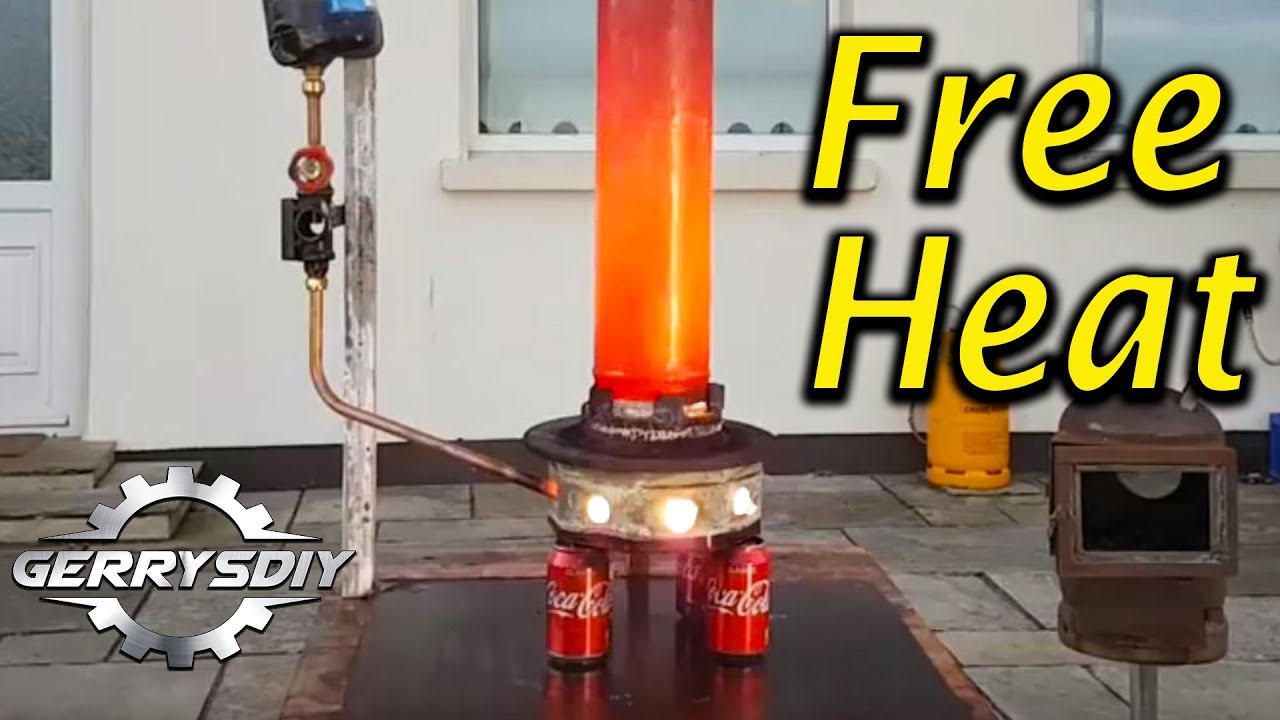
How To Build A Waste Oil Burning Stove

Heating costs can be a significant burden, especially during harsh winters. For homeowners and businesses alike, finding alternative heating solutions is crucial for managing expenses and minimizing environmental impact. One intriguing option that's gaining traction is the construction and utilization of a waste oil burning stove. This article will guide you through the process, from understanding the principles to the practical steps involved in building a safe and efficient waste oil burner.
Understanding the Basics of Waste Oil Heating
Waste oil burning stoves harness the energy stored in used oil from vehicles, machinery, and cooking processes. Instead of disposing of this oil, it's repurposed as a heating fuel, offering a potentially significant cost savings. Before diving into construction, it's crucial to understand the fundamentals.
How it Works
Waste oil stoves typically employ a vaporization process. The oil is preheated and vaporized, then mixed with air for combustion. This process, when properly managed, can achieve relatively clean and efficient burning. Key to efficient operation is achieving complete combustion, which minimizes emissions and maximizes heat output. Incomplete combustion results in smoke and pollutants, negating many of the environmental benefits.
Safety Considerations
Safety must be the paramount concern when building and operating a waste oil burner. Waste oil can contain contaminants and improper combustion can lead to the production of harmful gases, like carbon monoxide. Ensure adequate ventilation and consider installing a carbon monoxide detector. Furthermore, be aware of the flammability of waste oil and take precautions to prevent spills or leaks.
DIY Waste Oil Stove Construction: A Step-by-Step Guide
Building a waste oil burner requires careful planning, welding skills, and a good understanding of combustion principles. This is not a beginner project. Always prioritize safety and consult with experts if needed. This guide is a general overview and should not be considered a substitute for professional advice.
Materials and Tools
You'll need a variety of materials and tools, including:
- Steel drums or thick-gauge steel sheets
- Welding equipment (welder, cutting torch, grinding tools)
- Oil reservoir (steel tank)
- Metering valve or adjustable pump
- Air supply system (blower or compressed air)
- Burner nozzle or vaporization chamber
- Chimney or flue piping
- Safety glasses, welding gloves, and other safety gear
Construction Steps
- Design and Planning: Start with a detailed design. Consider the size of the space you need to heat and the available space for the stove. Sketch out your plans, specifying the dimensions of the combustion chamber, oil reservoir, and air intake system. Research various designs, such as drip-feed or forced-air systems, to determine the best fit for your needs.
- Fabricating the Combustion Chamber: Construct the combustion chamber using steel drums or steel sheets. The chamber should be airtight except for the designated air inlets and exhaust outlet. Reinforce the structure to withstand high temperatures. Proper insulation can improve efficiency by retaining heat within the chamber.
- Creating the Oil Reservoir: The oil reservoir stores the waste oil and feeds it to the burner. It should be made of steel and have a secure lid to prevent spills and contamination. Install a metering valve or adjustable pump to precisely control the oil flow rate. This is critical for achieving stable and efficient combustion.
- Implementing the Air Supply System: An adequate air supply is essential for complete combustion. Use a blower or compressed air system to introduce air into the combustion chamber. The air should be directed towards the vaporized oil for optimal mixing and burning. Adjustable air inlets allow for fine-tuning the combustion process.
- Designing the Burner Nozzle or Vaporization Chamber: The burner nozzle or vaporization chamber is where the oil is converted into a vapor for combustion. Several designs exist, including drip-feed nozzles and heated vaporization plates. Experiment to find the most efficient design for your specific oil type and stove configuration.
- Installing the Chimney or Flue Piping: The chimney or flue piping safely vents the exhaust gases outside. Ensure the chimney is properly sized and installed according to local building codes. A well-designed chimney creates a natural draft, which improves combustion and prevents backdrafting.
- Testing and Adjustments: After construction, thoroughly test the stove in a safe and controlled environment. Start with small amounts of oil and gradually increase the flow rate. Monitor the exhaust for smoke and adjust the air supply and oil flow until you achieve a clean and efficient burn.
Smart HVAC Integration for Enhanced Efficiency
Integrating your waste oil burning stove with a smart HVAC system can further optimize its performance and energy savings. Smart thermostats and sensors can monitor the temperature in your home or business and automatically adjust the stove's operation to maintain a consistent and comfortable environment.
Smart Thermostats
A smart thermostat allows you to remotely control the stove's operation and set schedules based on your needs. For example, you can program the stove to automatically turn on before you arrive home, ensuring a warm welcome. Many smart thermostats also learn your heating patterns and adjust the temperature accordingly, maximizing energy efficiency. Look for Energy Star certified models to guarantee optimal performance and energy savings.
Sensors
Temperature and humidity sensors can provide valuable data about the conditions in your home or business. This information can be used to fine-tune the stove's operation and identify areas where improvements can be made. For example, if a sensor detects a sudden drop in temperature, it can automatically increase the stove's output to compensate. Furthermore, using CO2 sensors, coupled with automated ventilation systems, can ensure proper air quality.
Remote Monitoring
Smart HVAC systems often include remote monitoring capabilities, allowing you to track the stove's performance from your smartphone or computer. This can be especially useful for businesses with multiple locations, as it allows you to monitor energy consumption and identify potential problems remotely. Some systems also provide alerts if the stove malfunctions or if there's a safety issue.
ROI, Energy Savings, and Rebates
The return on investment (ROI) for a waste oil burning stove depends on several factors, including the cost of materials, the amount of waste oil available, and the price of alternative heating fuels. However, in many cases, the savings can be substantial. A well-designed and properly operated waste oil burner can significantly reduce your heating bills and pay for itself within a few years.
Potential Savings
Consider a small business currently spending $5,000 annually on heating oil. By switching to a waste oil burning stove, they could potentially eliminate this expense entirely, assuming they have access to a sufficient supply of waste oil. Over a five-year period, this could result in savings of $25,000. Of course, maintenance costs and the initial investment in the stove must be factored into the equation.
Government Guidelines and Rebates
Several government agencies offer guidelines and rebates for energy-efficient heating systems. Check with your local and state energy offices to see if there are any programs available in your area. While waste oil burning stoves may not be specifically covered by all programs, they can often be considered under broader categories of alternative energy or waste reduction initiatives. Research available tax incentives; The U.S. Department of Energy offers resources for renewable energy.
HVAC Contractors and Energy-Efficient Solutions
While DIY construction is an option, many homeowners and businesses prefer to work with qualified HVAC contractors. Contractors can provide expert advice, design and build custom waste oil burning stoves, and ensure proper installation and safety compliance.
Finding a Qualified Contractor
When selecting an HVAC contractor, look for experience with alternative heating systems and a thorough understanding of combustion principles. Ask for references and check their credentials to ensure they are qualified to handle the project. It's also important to discuss safety concerns and ensure the contractor is committed to following all applicable regulations.
Energy-Efficient Solutions
HVAC contractors can also help you integrate your waste oil burning stove with other energy-efficient solutions, such as high-efficiency furnaces, heat pumps, and solar panels. By combining these technologies, you can create a comprehensive energy-saving system that minimizes your environmental impact and reduces your energy bills.
Conclusion
Building a waste oil burning stove can be a rewarding and cost-effective way to heat your home or business. By understanding the principles, following the safety precautions, and integrating it with a smart HVAC system, you can harness the power of waste oil and reduce your reliance on traditional heating fuels. Remember to prioritize safety, consult with experts, and stay informed about government guidelines and rebates. Whether you choose to build it yourself or work with a qualified contractor, a waste oil burning stove can be a valuable asset in your quest for energy efficiency and sustainability. When evaluating ROI, remember to include the reduced carbon footprint and contribution to a circular economy when comparing the stove to traditional methods.