How To Calculate Heat Load Calculation
Frequently Asked Questions: Understanding Heat Load Calculation
Understanding heat load calculation is crucial for selecting the right size heating and cooling equipment for your home or building. This ensures efficient operation, comfort, and energy savings. This FAQ addresses common questions about heat load calculations in a simple and easy-to-understand manner.
Question 1: What exactly *is* a heat load calculation and why is it important?
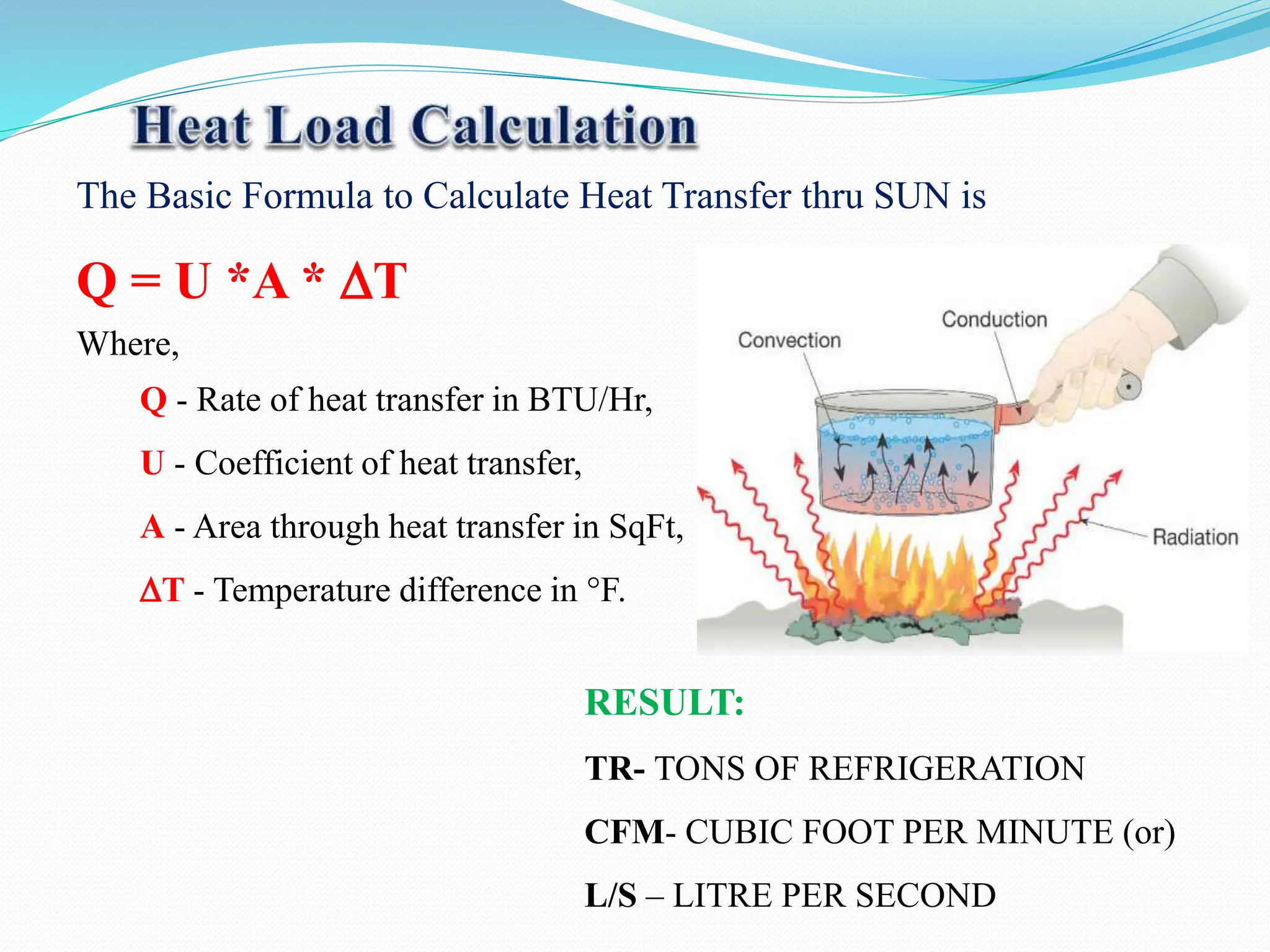
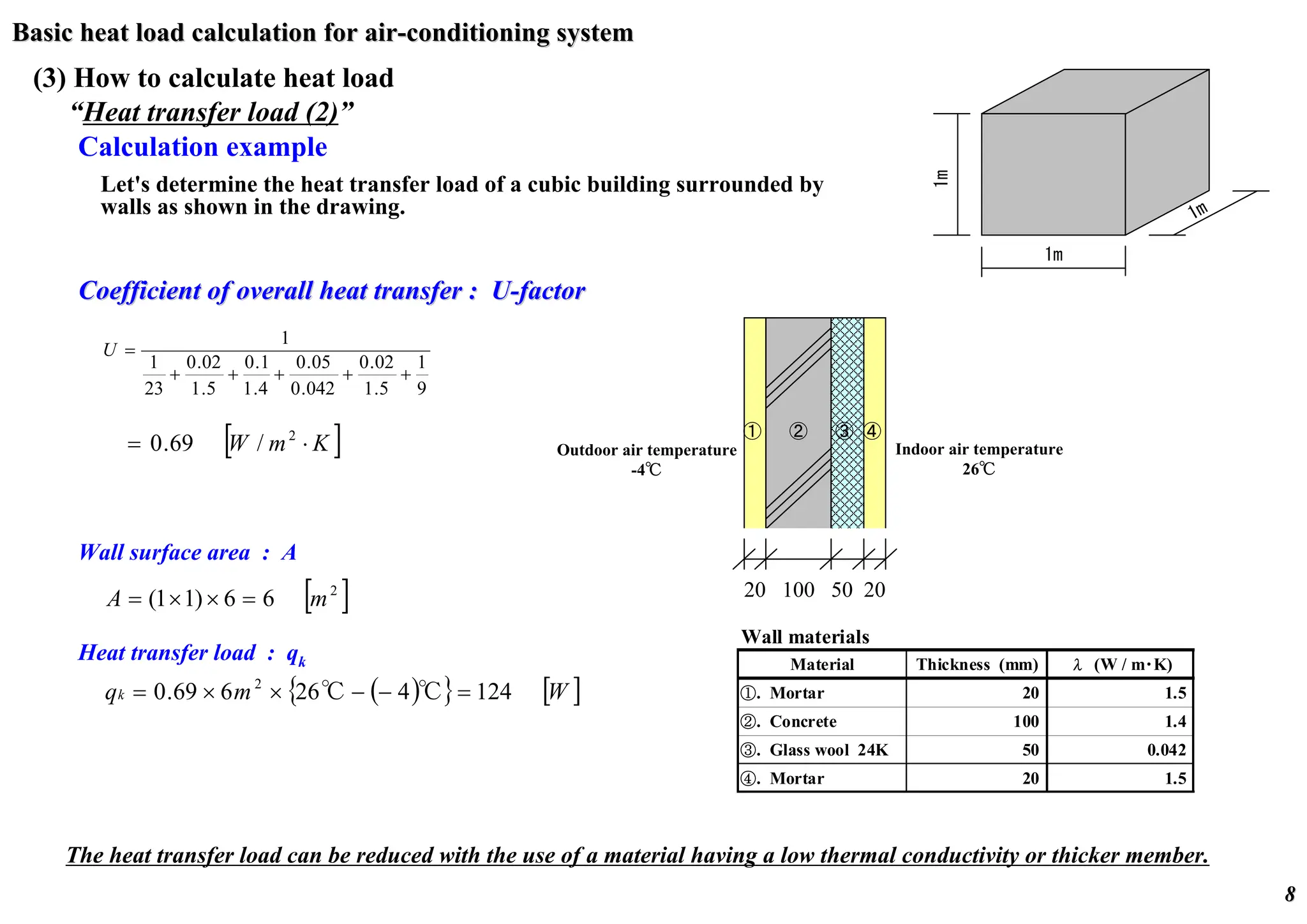
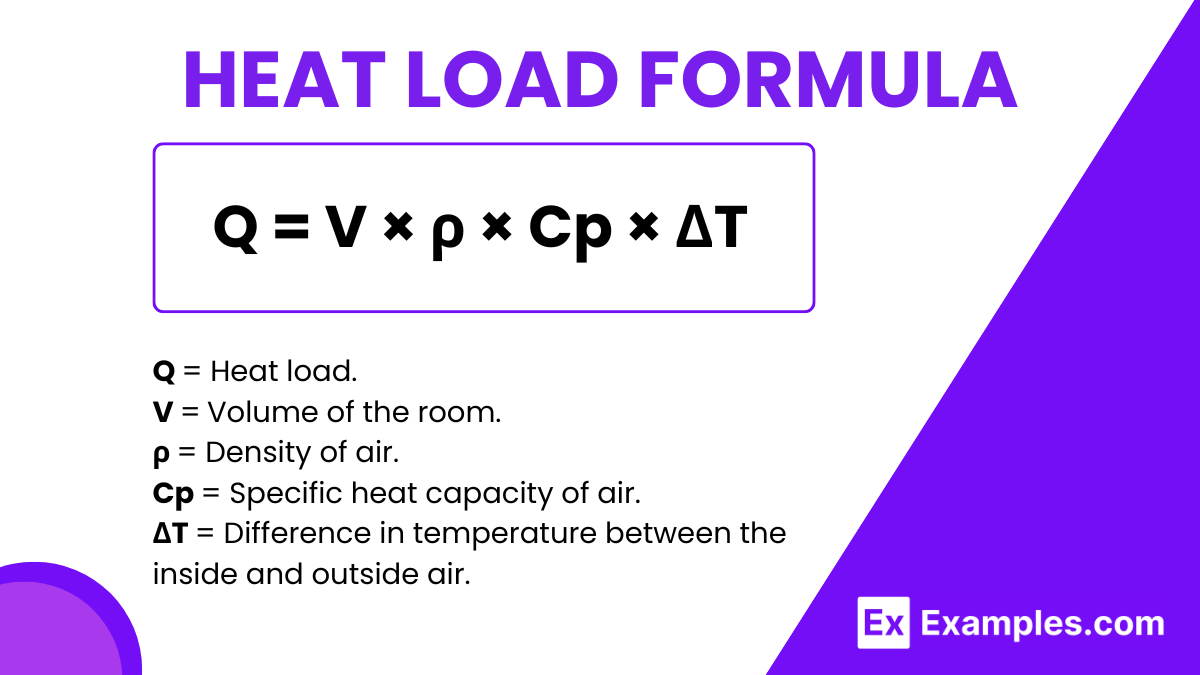
A heat load calculation, sometimes called a Manual J calculation (referring to the ACCA Manual J standard), determines the amount of heating or cooling (measured in BTUs - British Thermal Units) needed to maintain a comfortable temperature in a specific space. It considers various factors that contribute to heat gain (in summer) and heat loss (in winter).
Why is it important? Using properly sized equipment is critical for:
- Comfort: An undersized system won't keep you comfortable on the hottest or coldest days. An oversized system can cause short cycling, leading to uneven temperatures and humidity issues.
- Energy Efficiency: An appropriately sized system runs more efficiently, reducing energy consumption and lowering utility bills. Oversized units waste energy due to frequent on/off cycles.
- Equipment Lifespan: Short cycling, common with oversized units, puts extra strain on components, shortening the lifespan of your heating and cooling equipment.
- Humidity Control: Correctly sized air conditioners dehumidify the air effectively. Oversized units cool too quickly without properly removing moisture, leading to dampness and potential mold growth.
Question 2: What are the main factors considered in a heat load calculation?
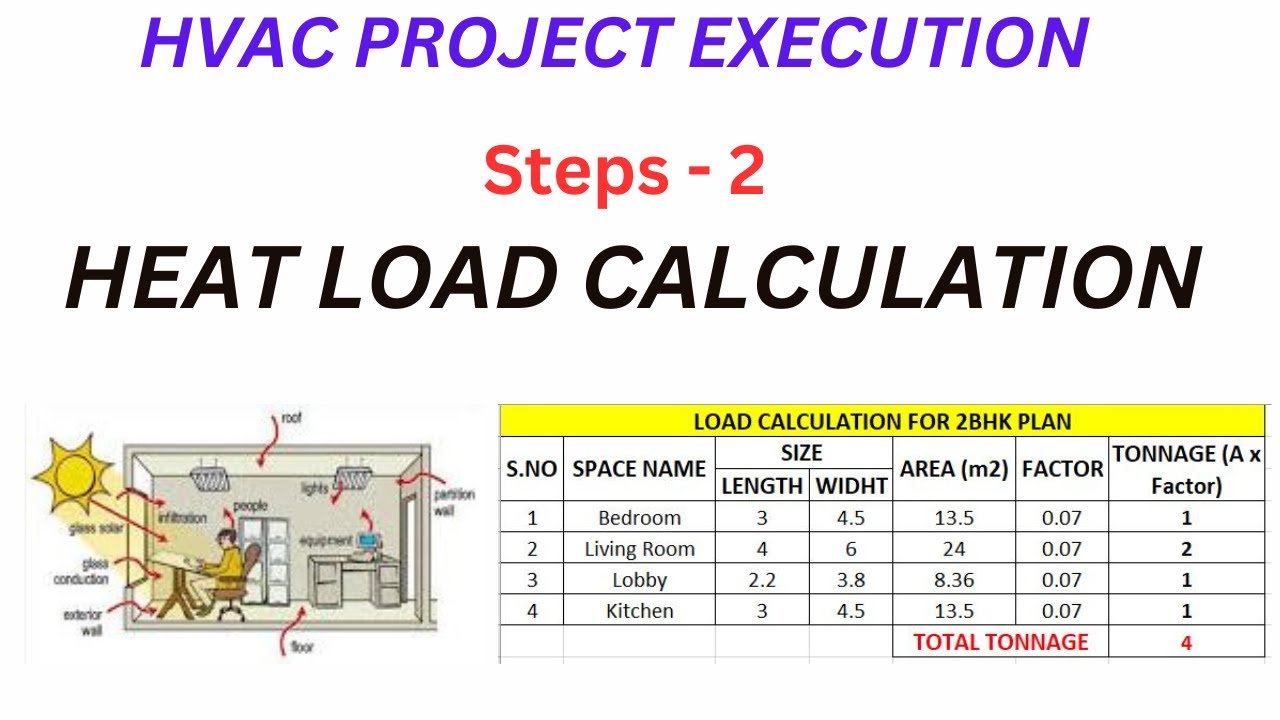
Numerous factors contribute to heat gain and loss. Here are some of the key considerations:
- Climate: Your geographic location and its average temperatures play a major role. Warmer climates require more cooling, while colder climates require more heating. Local weather data is essential.
- Insulation: The R-value of your walls, roof, and floors significantly impacts heat transfer. Higher R-values indicate better insulation and reduced heat loss/gain.
- Windows and Doors: The type and size of windows and doors, as well as their U-factor (a measure of heat transfer), are critical. Older, single-pane windows are much less efficient than modern, energy-efficient windows.
- Air Leakage: Gaps and cracks around windows, doors, and other areas can allow significant air infiltration, increasing heat loss/gain. Air sealing is crucial.
- Occupancy: The number of people occupying a space contributes to heat gain due to body heat and activity.
- Lighting and Appliances: Lights and appliances generate heat. The type and amount of lighting and appliances used affect the overall heat load.
- Orientation: The direction your home faces influences solar heat gain. South-facing windows receive the most sunlight in winter, while west-facing windows receive the most in the afternoon during summer.
- Roof Color: Darker roofs absorb more solar radiation than lighter roofs.
- Internal Gains: Heat generated by appliances, electronics, and even cooking activities within the space.
- Ventilation: The amount of fresh air being brought into the building affects the heat load.
Question 3: Can I perform a heat load calculation myself, or do I need a professional?
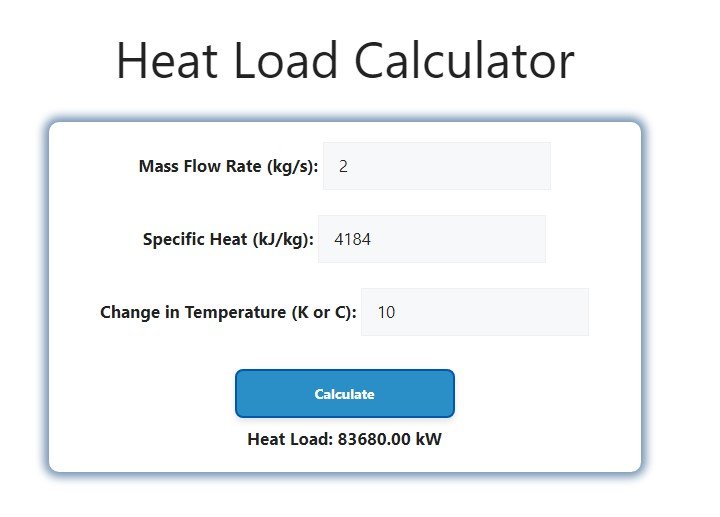
While there are simplified online calculators available, they typically provide only a rough estimate. A true heat load calculation requires specialized software and expertise to accurately assess all relevant factors. These factors require detailed measurements and knowledge of building science principles.
Here's a breakdown:
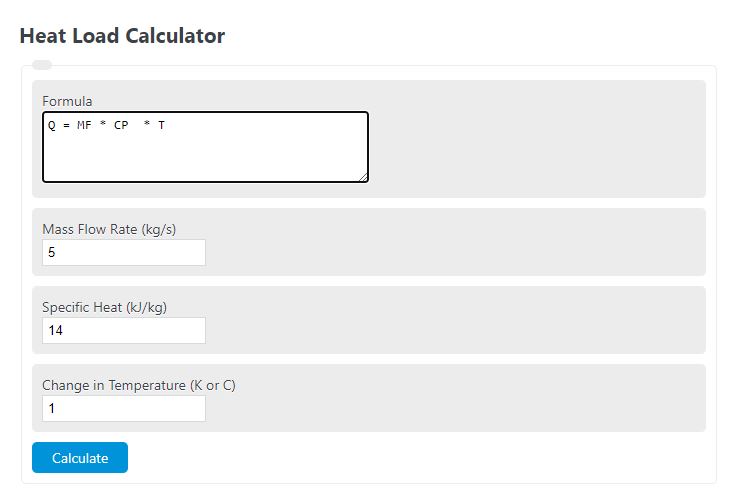
- DIY Calculators: These are useful for a very basic understanding and preliminary estimates. However, they often lack the precision needed for accurate equipment sizing.
- Professional Heat Load Calculation: This involves a detailed on-site assessment, accurate measurements, and specialized software like ACCA Manual J compliant software. Professionals have the training and experience to interpret data and account for complex factors, ensuring accurate results.
For accurate results and proper equipment sizing, hiring a qualified HVAC professional to perform a heat load calculation is highly recommended. This is especially important for new construction, renovations, or when replacing existing equipment.
Question 4: What is ACCA Manual J, and why is it important?
ACCA Manual J is the industry standard for performing residential heat load calculations. Developed by the Air Conditioning Contractors of America (ACCA), it provides a comprehensive and standardized methodology for determining heating and cooling loads. Using Manual J ensures a consistent and reliable approach to equipment sizing.
Why is it important?
- Accuracy: Manual J calculations are more accurate than simplified methods, taking into account a wide range of factors.
- Consistency: It provides a standardized approach, ensuring that different HVAC professionals use the same methodology.
- Building Codes: Many building codes require Manual J calculations for new construction and major renovations.
- Equipment Performance: It helps ensure that heating and cooling equipment operates efficiently and effectively, providing optimal comfort and energy savings.
When hiring an HVAC contractor, always ask if they perform Manual J calculations. This demonstrates their commitment to providing accurate and reliable service.
Question 5: How often should I have a heat load calculation performed?
A heat load calculation is not a one-time event. Changes to your home or building can affect the heating and cooling requirements. You should consider having a new heat load calculation performed in the following situations:
- New Construction: Absolutely essential for selecting the right size equipment for a new home or building.
- Major Renovations: Adding square footage, changing windows or doors, improving insulation, or altering the layout can significantly impact the heat load.
- Replacing HVAC Equipment: A new heat load calculation ensures that the replacement equipment is properly sized for the current conditions of your home. Don't assume that the old equipment size is still appropriate.
- Significant Changes in Occupancy: If the number of people regularly occupying the space changes significantly.
- Suspected Inefficiencies: If you notice uneven temperatures, high energy bills, or frequent system cycling, a new heat load calculation can help identify potential issues.
Regularly assessing your home's energy performance and updating your heat load calculation when necessary will ensure continued comfort and energy savings.
Question 6: What information will an HVAC contractor need from me to perform a heat load calculation?
To accurately perform a heat load calculation, an HVAC contractor will need detailed information about your home or building. Be prepared to provide the following:
- Blueprints or Floor Plans: Accurate dimensions and layouts of each room and the overall building.
- Insulation Information: The R-value of walls, ceilings, floors, and any other insulated surfaces.
- Window and Door Specifications: Type, size, U-factor, and SHGC (Solar Heat Gain Coefficient) of all windows and doors.
- Air Leakage Information: Information about air sealing measures and any known air leaks. (A blower door test can help determine this accurately).
- Climate Data: Your city and zip code, so they can access relevant weather data.
- Occupancy Information: The number of people who regularly occupy the space.
- Lighting and Appliance Information: The type and wattage of lighting fixtures and major appliances.
- Building Materials: Information about the materials used in the construction of the walls, roof, and floors.
- Orientation of the Building: Which direction the building faces (north, south, east, west).
- Shading Information: Any trees or other structures that shade the building.
- Ventilation Rate: Information about any mechanical ventilation systems (e.g., HRV, ERV).
The more accurate and complete the information you provide, the more accurate the heat load calculation will be.
Question 7: How can I improve my home's energy efficiency after a heat load calculation?
The heat load calculation itself won't directly improve your home's energy efficiency, but it provides valuable insights into areas where improvements can be made. Here are some common recommendations:
- Improve Insulation: Adding insulation to attics, walls, and floors can significantly reduce heat loss and gain. Focus on areas with low R-values.
- Seal Air Leaks: Caulking and weatherstripping around windows, doors, and other openings can prevent air infiltration. Consider a professional air sealing service.
- Upgrade Windows and Doors: Replacing old, inefficient windows and doors with energy-efficient models can reduce heat transfer. Look for Energy Star rated products.
- Install Energy-Efficient Lighting: Replacing incandescent bulbs with LED bulbs can significantly reduce energy consumption and heat generation.
- Upgrade Appliances: Replacing old, inefficient appliances with Energy Star rated models can save energy and reduce heat gain.
- Improve Ductwork: Sealing and insulating ductwork can prevent air leaks and heat loss/gain in the duct system.
- Consider a Smart Thermostat: Smart thermostats can automatically adjust the temperature based on occupancy and weather conditions, saving energy and improving comfort.
- Proper Landscaping: Planting trees and shrubs strategically can provide shade and reduce solar heat gain.
Implementing these improvements, based on the recommendations from your HVAC contractor or energy auditor, will reduce your home's heat load, improve energy efficiency, and lower your utility bills. A follow-up heat load calculation after making improvements can help quantify the energy savings.