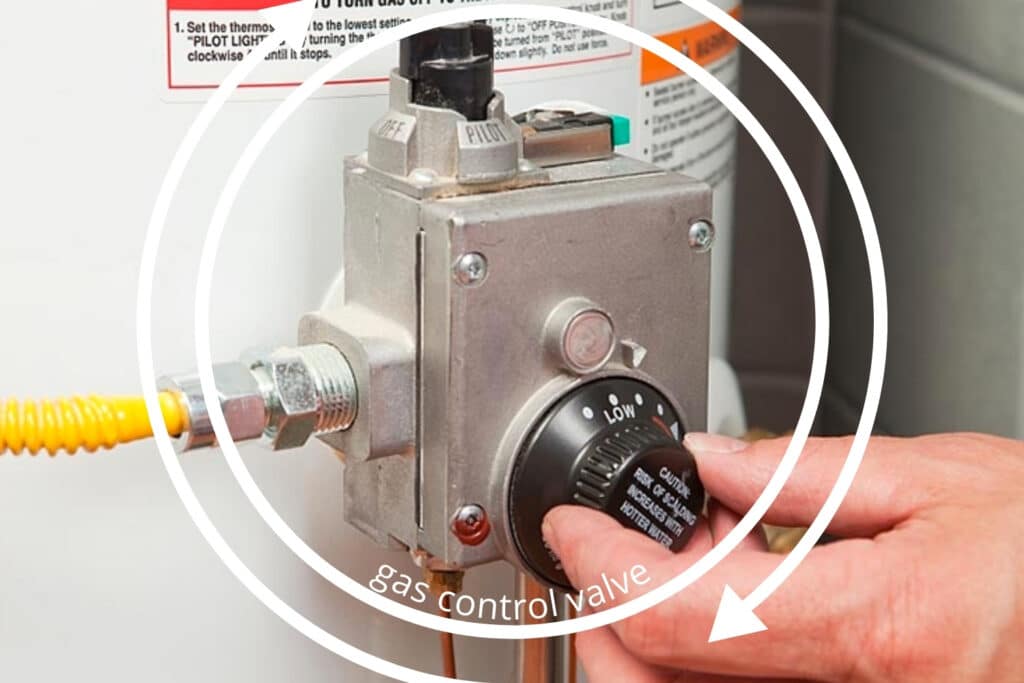
How To Change A Gas Valve On A Water Heater

Nothing's quite as unwelcome as stepping into a cold shower when you expect a hot one. One of the most common culprits behind this chilly surprise is a malfunctioning water heater. While various issues can cause a water heater to fail, a faulty gas valve is a frequent offender. This article provides a step-by-step troubleshooting guide to help you diagnose the problem and, if appropriate, tackle a basic gas valve replacement. Remember, safety is paramount. If you're uncomfortable with any of these steps or unsure about your abilities, always call a qualified professional.
Understanding the Problem: Gas Valve Failure
The gas valve is a critical component of a gas-powered water heater. Its job is to control the flow of gas to the burner, allowing the water to heat up. When the gas valve fails, it can prevent the water heater from igniting or cause inconsistent heating. Signs of a failing gas valve include:
- No hot water: This is the most obvious symptom.
- Pilot light won't stay lit: The pilot light might light briefly but then go out.
- Water heater makes strange noises: Clicking, popping, or rumbling sounds could indicate a gas valve issue.
- Gas smell near the water heater: This is a serious safety hazard and requires immediate attention. If you smell gas, evacuate the area and call your gas company or emergency services immediately.
Safety First! Essential Precautions
Before attempting any troubleshooting or repairs, it's crucial to prioritize your safety. Always follow these precautions:
- Turn off the gas supply: Locate the gas shut-off valve on the gas supply line leading to the water heater and turn it to the "off" position.
- Turn off the power supply: For newer water heaters with electronic ignition, disconnect the power supply by turning off the breaker at the electrical panel.
- Allow the water heater to cool down: Hot water can cause severe burns. Wait at least 30 minutes for the water heater to cool before proceeding.
- Wear safety glasses and gloves: Protect your eyes and hands from potential hazards.
- Work in a well-ventilated area: Ensure adequate ventilation to prevent the build-up of gas fumes.
- Have a carbon monoxide detector: Make sure you have a working carbon monoxide detector in your home.
Step-by-Step Troubleshooting Guide
Step 1: Check the Basics
Sometimes, the problem isn't the gas valve itself. Start by checking these basic elements:
- Thermostat setting: Make sure the thermostat is set to the desired temperature. It might have been accidentally lowered.
- Pilot light (for older models): Check if the pilot light is lit. If not, follow the manufacturer's instructions to relight it. A dirty or malfunctioning thermocouple could be preventing the pilot light from staying lit.
- Gas supply: Ensure that the gas supply to your home is turned on. Check other gas appliances to confirm.
- Reset Button: Some water heaters have a reset button located near the thermostat. Pressing this button can sometimes resolve minor issues. However, if the unit continues to trip and needs to be reset frequently, call a professional.
Step 2: Inspect the Gas Valve
Visually inspect the gas valve for any signs of damage, such as cracks, leaks, or corrosion. Look for loose wires or connections. A damaged gas valve will almost certainly need replacement.
Step 3: Test the Thermocouple (for older models with pilot lights)
The thermocouple is a small, rod-shaped sensor that detects the pilot light flame. If the pilot light is lit, but the thermocouple isn't working correctly, it won't send a signal to the gas valve to keep the gas flowing. Here's how to test it:
- Turn off the gas supply.
- Disconnect the thermocouple from the gas valve.
- Set your multimeter to the millivolt (mV) setting.
- Attach the multimeter leads to the thermocouple terminals.
- Light the pilot light.
- Observe the multimeter reading. A healthy thermocouple should generate a reading of at least 20-30 mV. If the reading is lower, the thermocouple needs to be replaced.
Step 4: Replacing the Thermocouple (Basic DIY Fix - for older models with pilot lights)
Replacing a thermocouple is a relatively straightforward DIY task. However, if you're uncomfortable working with gas connections, call a professional.
- Turn off the gas supply.
- Disconnect the old thermocouple from the gas valve and the pilot burner.
- Install the new thermocouple, ensuring that the connections are tight and secure.
- Turn on the gas supply and relight the pilot light, following the manufacturer's instructions.
- Check that the pilot light stays lit.
Step 5: Testing the Gas Valve (Proceed with Caution!)
Warning: Testing the gas valve directly involves working with gas and electricity. This step should only be attempted by experienced DIYers who are comfortable and knowledgeable about these systems. If you have any doubts, call a qualified professional.
This step involves using a multimeter to test the continuity of the gas valve's solenoid coils. The solenoids control the flow of gas through the valve.
- Turn off the gas supply and disconnect the power supply.
- Locate the solenoid coils on the gas valve. They are usually small, cylindrical components with wires connected to them.
- Set your multimeter to the ohms (Ω) setting.
- Touch the multimeter leads to the terminals of each solenoid coil.
- A healthy solenoid coil should have a resistance reading within a specified range (usually between 50 and 200 ohms). Consult the manufacturer's specifications for the correct range for your gas valve model.
- If the resistance reading is significantly outside the specified range, or if the multimeter shows no continuity (open circuit), the gas valve is likely faulty and needs to be replaced.
Replacing the Gas Valve: A Step-by-Step Guide (For Experienced DIYers Only!)
Important: Replacing a gas valve is a more complex repair that involves working with gas lines and electrical connections. If you are not comfortable with this level of DIY, please hire a qualified plumber or gas technician. Incorrect installation can lead to gas leaks, explosions, and other serious hazards.
Before you begin:
- Purchase the correct replacement gas valve: Make sure the new gas valve is compatible with your water heater model. Check the model number on the water heater and verify compatibility with the gas valve before purchasing.
- Gather your tools: You'll need pipe wrenches, a screwdriver, a multimeter, Teflon tape (or pipe sealant), and a bucket.
- Drain the water heater: Turn off the cold water supply to the water heater. Attach a garden hose to the drain valve at the bottom of the tank and run the hose to a suitable drain. Open the drain valve to drain the water heater completely. This will make the gas valve replacement easier and prevent water damage.
- Disconnect the gas line: Using two pipe wrenches (one to hold the gas line and one to loosen the connection), carefully disconnect the gas line from the gas valve. Be prepared for a small amount of residual gas to escape. Ensure the area is well-ventilated.
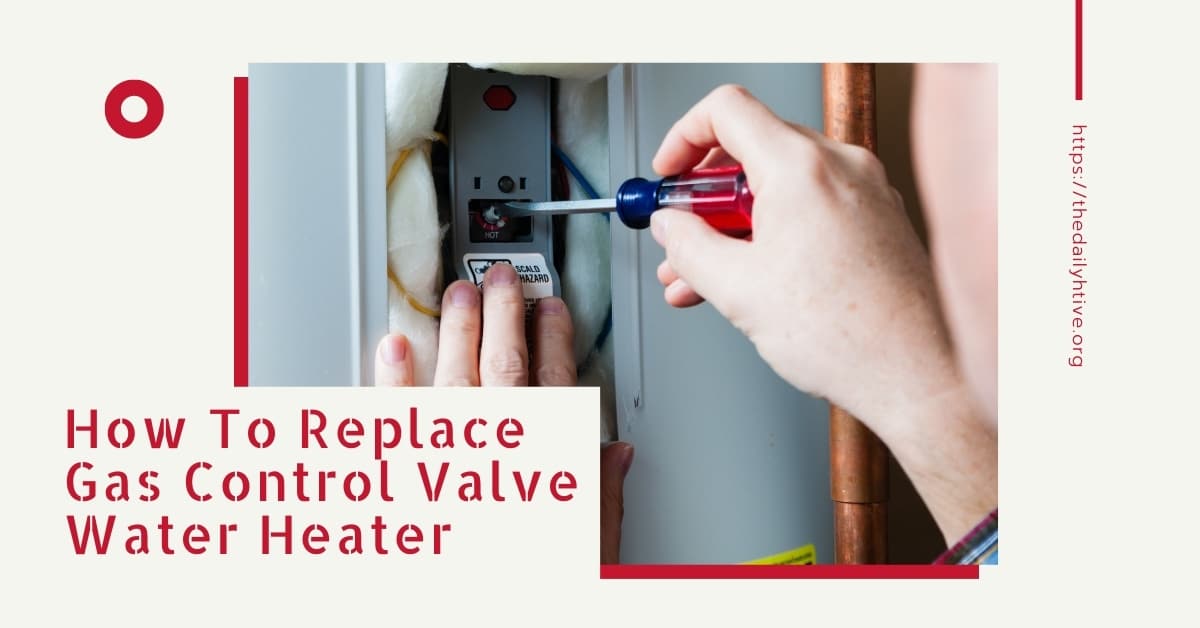
- Disconnect the electrical connections: Carefully disconnect any electrical wires connected to the gas valve. Take pictures or make a note of the wiring configuration to ensure you reconnect them correctly later.
- Remove the old gas valve: Unscrew the old gas valve from the water heater. You may need to use a pipe wrench to loosen it.
- Prepare the new gas valve: Apply Teflon tape or pipe sealant to the threads of the new gas valve. This will help to create a gas-tight seal.
- Install the new gas valve: Screw the new gas valve into the water heater, tightening it securely with a pipe wrench. Be careful not to overtighten, as this could damage the threads.
- Reconnect the gas line: Reconnect the gas line to the new gas valve, using two pipe wrenches to tighten the connection. Make sure the connection is tight and leak-free.
- Reconnect the electrical connections: Reconnect the electrical wires to the new gas valve, following the wiring diagram you created earlier.
- Refill the water heater: Close the drain valve at the bottom of the tank and open the cold water supply. Allow the water heater to fill completely.
- Check for gas leaks: Apply a soapy water solution to all gas connections. If bubbles appear, there is a gas leak. Tighten the connections until the leak stops.
- Turn on the gas supply: Slowly turn on the gas supply to the water heater.
- Relight the pilot light (for older models): Follow the manufacturer's instructions to relight the pilot light.
- Test the water heater: Turn on a hot water faucet and wait for the water to heat up. Check for any leaks or other problems.
When to Call a Professional
While this guide provides steps for troubleshooting and replacing a gas valve, certain situations always warrant professional help:
- You smell gas: Evacuate the area immediately and call your gas company or emergency services.
- You are uncomfortable working with gas or electricity: Don't take risks. Call a qualified plumber or gas technician.
- You are unsure about any of the steps: It's better to be safe than sorry.
- The water heater is under warranty: Attempting repairs yourself might void the warranty.
- You encounter complications during the repair: If you run into unexpected problems, stop and call a professional.
- The problem persists after replacing the gas valve: There may be other underlying issues that require professional diagnosis and repair.
Conclusion
Diagnosing and potentially replacing a gas valve on a water heater can be a manageable task for experienced DIYers. However, safety should always be your top priority. By following these steps carefully and knowing when to call a professional, you can ensure a safe and effective repair. Remember, when in doubt, always consult a qualified plumber or gas technician.

:max_bytes(150000):strip_icc()/replacing-a-water-heater-1824920-09-4282d844827e478791e22a05af825d1a.jpg)