How To Change Heating Element In Hot Water Tank

The lifespan of a hot water tank is generally between 8-12 years, but components can fail sooner. One common culprit is the heating element. As an HVAC professional or aspiring technician, knowing how to diagnose and replace a faulty heating element is a fundamental skill. This article provides a comprehensive guide, insights into related career paths, and industry trends.
Diagnosing a Faulty Heating Element: A Step-by-Step Approach
Before diving into the replacement, proper diagnosis is crucial. Here’s how to determine if a heating element is the problem:
- Safety First: Turn off the power to the water heater at the circuit breaker. Always double-check with a non-contact voltage tester to ensure the power is off. Water and electricity are a dangerous combination.
- Visual Inspection: Look for signs of physical damage on the water heater, such as leaks, rust, or bulging. These could indicate more serious issues beyond just a faulty element.
- The Temperature Test: If the water is lukewarm or cold, that's a key indicator. Test hot water from multiple faucets to ensure the problem isn’t isolated to one fixture.
- Continuity Testing: This requires a multimeter.
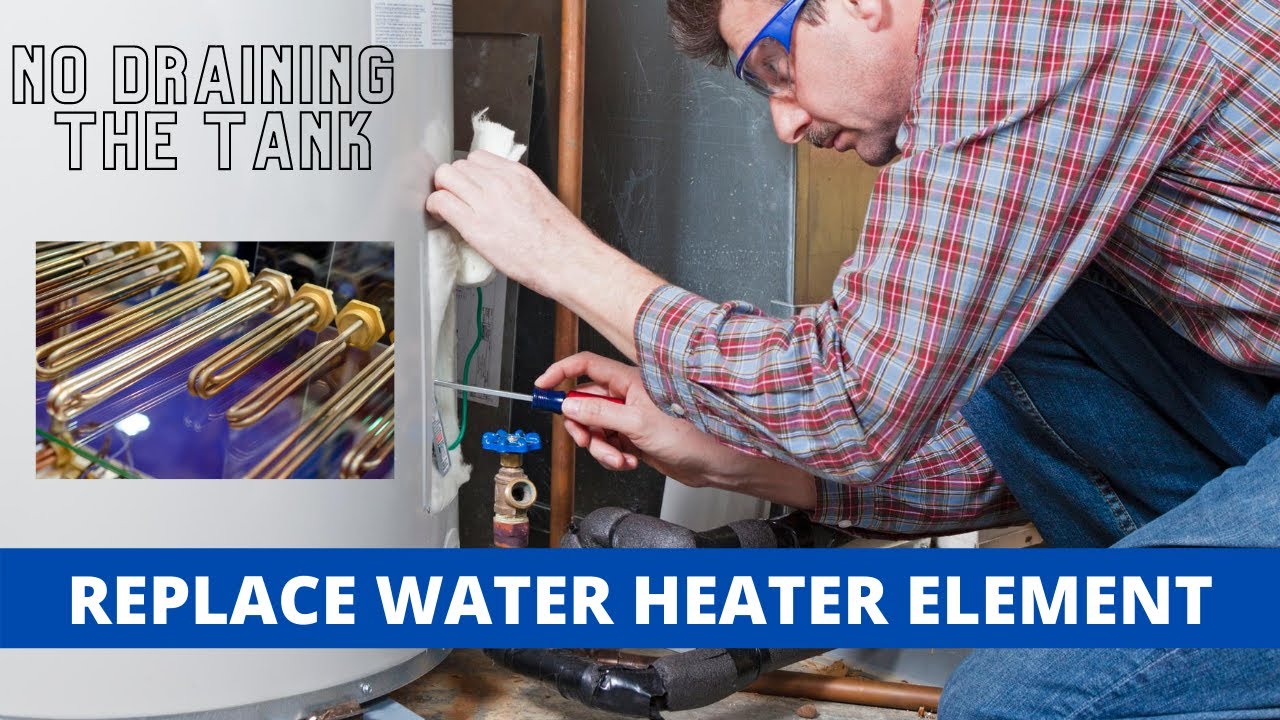
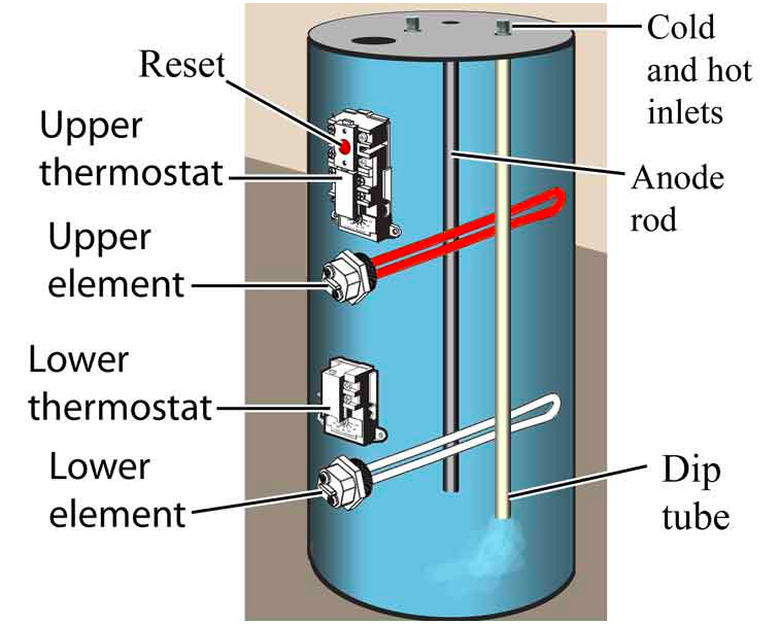
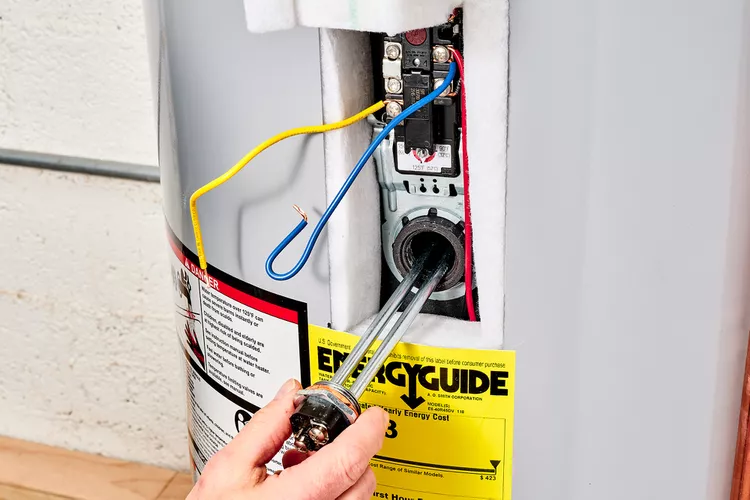
- Locate the access panels for the heating elements. Usually, there are two, one for the upper and one for the lower element. Remove the panels and insulation.
- Disconnect the wires from the heating element terminals.
- Set your multimeter to the ohms (Ω) setting.
- Place one probe on each terminal of the heating element.
- A reading of zero or very low ohms indicates a shorted element. An infinite reading (or "OL" on some multimeters) means the element is open and needs replacing. A reading within the expected range (typically 10-20 ohms) suggests the element is likely functional, but other factors could still be at play.
- Ground Fault Testing: This test checks if the element is grounding out.
- Keep the wires disconnected from the element.
- Place one multimeter probe on a terminal of the heating element and the other probe on the metal tank itself.
- If you get any reading other than infinite resistance, the element is grounding and needs replacement.
Important Note: If you're unsure about any of these steps, consult a qualified HVAC professional. Incorrect diagnosis or repair can be dangerous.
Replacing the Heating Element: A Practical Guide
Once you’ve confirmed a faulty element, here's how to replace it:
- Turn Off Power and Water: As before, kill the power at the breaker. Then, turn off the cold water supply valve to the water heater.
- Drain the Tank: Attach a hose to the drain valve at the bottom of the tank and run it to a suitable drain. Open the drain valve and let the tank drain partially – usually below the level of the heating element you're replacing. This minimizes water spillage.
- Remove the Old Element:
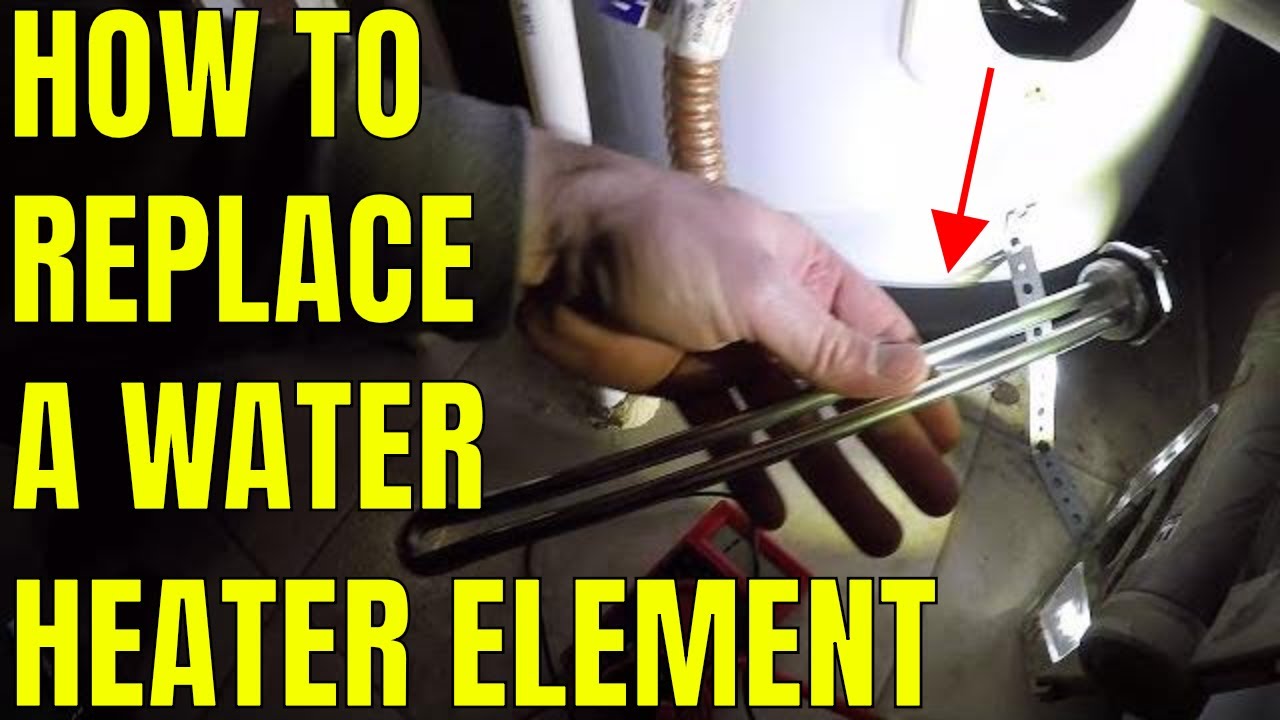
- Use an element wrench (or a socket wrench of the correct size) to unscrew the old heating element. Be prepared for a small amount of residual water to spill.
- Inspect the threads of the old element for damage. This can provide clues about the cause of failure and whether there are potential issues with the tank itself.
- Install the New Element:
- Apply Teflon tape to the threads of the new heating element. This helps create a watertight seal.
- Carefully screw the new element into the tank. Don't overtighten, as this can damage the threads. A snug fit is sufficient.
- Refill the Tank: Close the drain valve and open the cold water supply valve. Allow the tank to fill completely, purging any air from the lines. You may need to open a hot water faucet elsewhere in the house to help bleed the air.
- Check for Leaks: Inspect the area around the new heating element for any leaks. Tighten slightly if necessary, but avoid overtightening.
- Restore Power: Once you’re confident there are no leaks, turn the power back on at the circuit breaker.
- Test and Monitor: Wait for the water to heat up and test the hot water from a faucet. Monitor the area around the heating element for any signs of leaks in the following days.
Pro Tip: Consider replacing both heating elements at the same time, even if only one is faulty. This can save you time and effort in the long run, as the other element is likely nearing the end of its lifespan.
HVAC Career Paths and Certifications
Mastering skills like heating element replacement is a stepping stone to a fulfilling career in the HVAC industry. Here are some common career paths:
- HVAC Technician: The backbone of the industry, HVAC technicians install, maintain, and repair heating, ventilation, and air conditioning systems. According to the Bureau of Labor Statistics, the median annual wage for HVAC technicians was $51,390 in May 2022. Job outlook is projected to grow 6 percent from 2022 to 2032, about as fast as the average for all occupations.
- HVAC Installer: Specializing in the installation of new HVAC systems. This often involves running ductwork, connecting refrigerant lines, and wiring electrical components.
- HVAC Service Technician: Focused on diagnosing and repairing existing HVAC systems. Requires strong troubleshooting skills and a deep understanding of HVAC principles.
- HVAC Sales Engineer: Working with clients to design and sell HVAC systems that meet their specific needs. This role requires both technical knowledge and sales skills.
- HVAC Project Manager: Overseeing the installation of large-scale HVAC projects, ensuring they are completed on time and within budget.
Certifications:
- NATE (North American Technician Excellence): This is a widely recognized certification that demonstrates a technician's knowledge and skills in HVAC. NATE offers certifications for various specialties, such as air conditioning, heating, and refrigeration.
- EPA Section 608 Certification: Required for technicians who handle refrigerants. This certification ensures technicians understand the proper handling and disposal of refrigerants to protect the environment. There are different types of EPA 608 certifications based on the type of equipment being serviced.
- HVAC Excellence: Another reputable certification organization that offers certifications for HVAC technicians.
- State and Local Licenses: Many states and municipalities require HVAC technicians to be licensed. These licenses typically require passing an exam and meeting certain experience requirements.
Real-World Example: Sarah, a recent graduate of an HVAC technical school, started her career as an apprentice at a local HVAC company. She gained hands-on experience working alongside experienced technicians, learning how to diagnose and repair a wide range of HVAC equipment. After two years of apprenticeship, she passed her NATE certification exam and became a certified HVAC technician. She now specializes in residential HVAC service and enjoys helping homeowners stay comfortable in their homes.
Industry Trends and the Future of HVAC
The HVAC industry is constantly evolving, driven by factors such as technological advancements, energy efficiency requirements, and growing concerns about indoor air quality.
- Smart HVAC Systems: The rise of smart thermostats and connected HVAC systems is creating new opportunities for technicians with expertise in networking and programming. These systems offer enhanced control, energy savings, and remote monitoring capabilities.
- Energy Efficiency: Government regulations and consumer demand are driving the development of more energy-efficient HVAC equipment. Technicians need to stay up-to-date on the latest energy-efficient technologies and installation practices.
- Indoor Air Quality (IAQ): With increasing awareness of the impact of IAQ on health and well-being, there is growing demand for HVAC systems that can improve air filtration, ventilation, and humidity control.
- Heat Pumps: Heat pumps are becoming increasingly popular as an energy-efficient alternative to traditional furnaces and air conditioners. Technicians need to be proficient in the installation and maintenance of heat pump systems. The International Energy Agency (IEA) predicts a significant increase in heat pump adoption globally in the coming years.
Job Outlook and Salary Ranges: The HVAC industry offers excellent job security and competitive salaries. As mentioned earlier, the Bureau of Labor Statistics projects continued growth in the field. Salary ranges vary depending on experience, location, and certifications. Experienced technicians with advanced certifications can earn significantly more than entry-level technicians.
"The demand for skilled HVAC technicians is expected to remain strong in the coming years, driven by factors such as population growth, aging infrastructure, and increasing demand for energy-efficient HVAC systems." - U.S. Bureau of Labor Statistics
Continuing Education and Professional Development
To stay competitive in the HVAC industry, it's essential to invest in continuing education and professional development. This can include:
- Manufacturer Training: Attending training courses offered by HVAC equipment manufacturers to learn about new products and technologies.
- Online Courses: Taking online courses to expand your knowledge of specific HVAC topics, such as refrigeration, electrical systems, or building automation.
- Industry Conferences: Attending industry conferences and trade shows to network with other professionals and learn about the latest trends.
- Apprenticeships and Mentorships: Seeking out apprenticeships or mentorships with experienced technicians to gain hands-on experience and guidance.
By continuously learning and developing your skills, you can advance your career in the HVAC industry and achieve your professional goals.
In conclusion, understanding how to change a heating element in a hot water tank is a basic skill for any HVAC professional. Combined with the right certifications, ongoing education, and an awareness of industry trends, you can build a successful and rewarding career in this dynamic field. Remember to prioritize safety, follow proper procedures, and always seek guidance from experienced professionals when needed.