How To Check Furnace Control Board
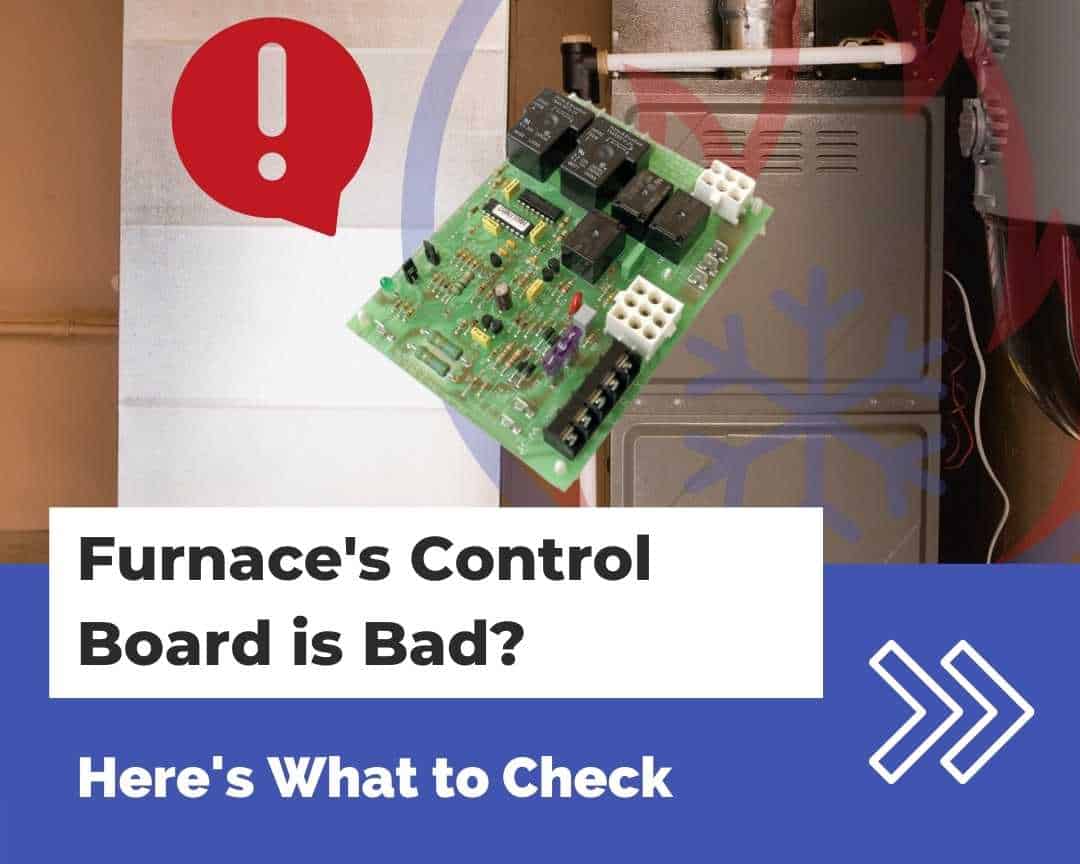
The furnace control board, the brain of your heating system, dictates how your furnace operates. A malfunctioning board can lead to inefficient heating, higher energy bills, and even complete system failure. Understanding how to diagnose potential issues can save you money on costly repairs and ensure your furnace operates at peak efficiency. This guide will walk you through the process of checking your furnace control board, helping you identify common problems and determine the best course of action. Remember that working with electricity and gas appliances can be dangerous. If you are not comfortable with these procedures, consult a qualified HVAC technician.
Understanding the Furnace Control Board
Before diving into the diagnostic process, it's crucial to understand what the control board does and its role in your furnace's operation. Think of it as the central command center. It receives signals from the thermostat, safety switches, and sensors, then directs the various components of the furnace – the inducer motor, gas valve, igniter, and blower motor – to function in the correct sequence. A healthy control board ensures efficient and safe operation.
Common signs of a failing control board include:
- Intermittent heating: The furnace turns on and off sporadically.
- Blower motor issues: The blower runs constantly or doesn't run at all.
- No ignition: The furnace attempts to start but fails to ignite the gas.
- Error codes: The control board displays error codes that indicate a problem.
- Complete system failure: The furnace is completely unresponsive.
Safety First: Preparing to Inspect
Safety should always be your top priority when working with any electrical appliance. Before inspecting the control board, take these essential precautions:
- Turn off the power: Locate the circuit breaker for your furnace and switch it off. Confirm the power is off by using a non-contact voltage tester on the furnace's electrical panel.
- Turn off the gas: Locate the gas shut-off valve, typically near the furnace, and turn it to the "off" position. This prevents any accidental gas leaks during the inspection.
- Gather your tools: You'll need a screwdriver (usually a multi-bit), a non-contact voltage tester, a multimeter, a flashlight, and the furnace's wiring diagram. The wiring diagram is usually located inside the furnace's access panel.
- Wear safety glasses: Protect your eyes from dust or debris.
Locating and Accessing the Control Board
The control board is typically located inside the furnace cabinet. Here’s how to access it:
- Remove the access panels: Most furnaces have two access panels – one for the burner compartment and one for the blower compartment. The control board is usually located in the burner compartment. Use your screwdriver to remove the screws securing the panel.
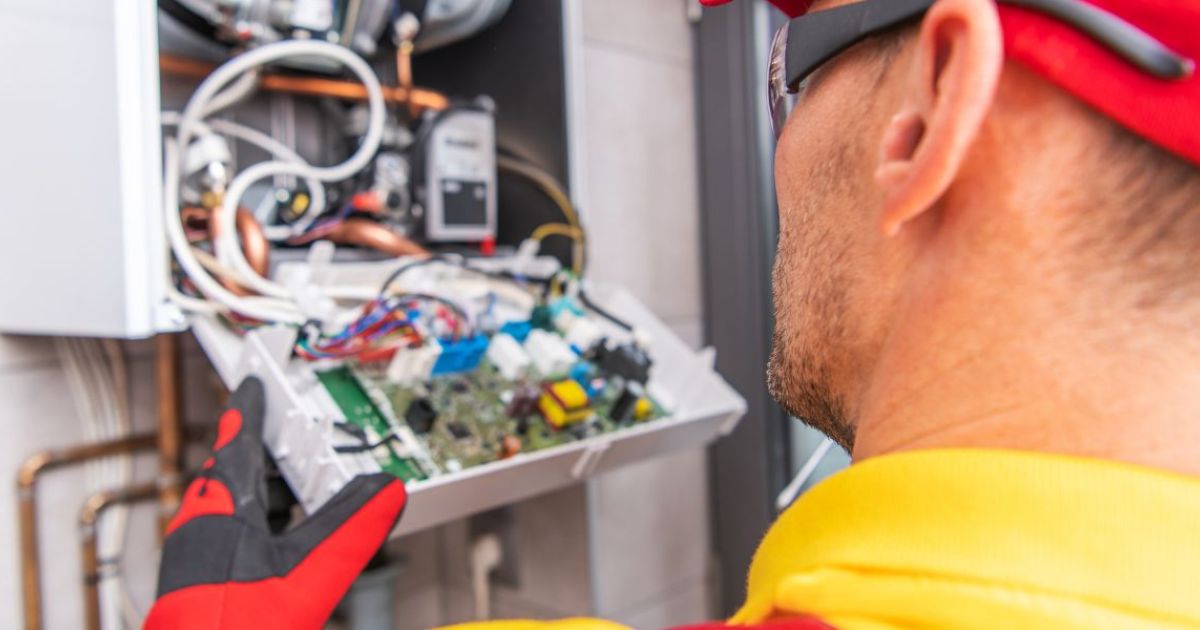
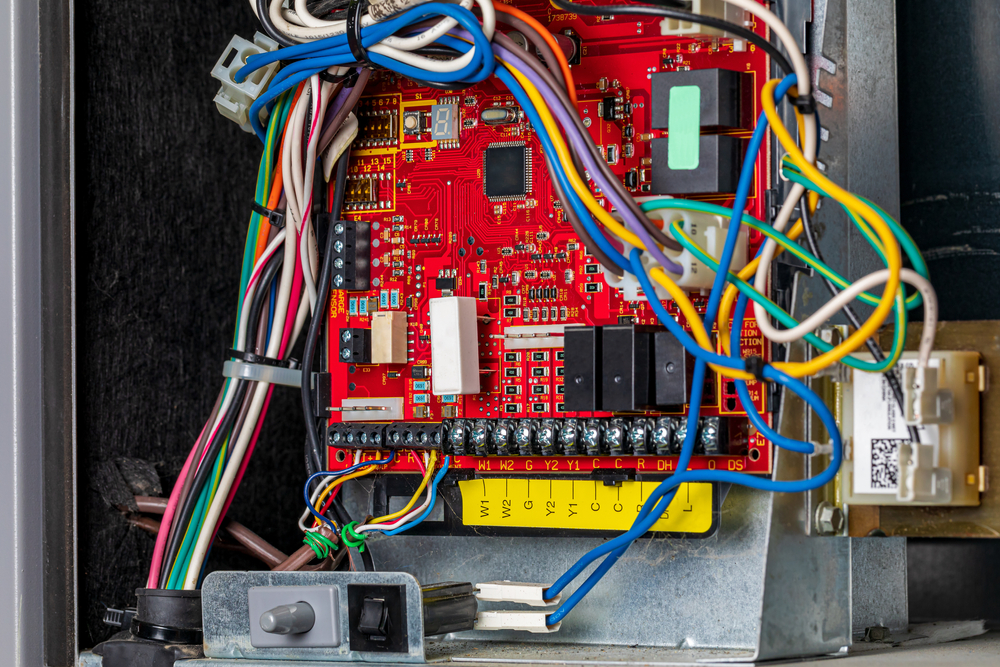
- Identify the control board: The control board is a rectangular circuit board with various components, including relays, capacitors, resistors, and terminals for wiring connections. It's usually enclosed in a plastic housing or mounted on a metal bracket.
Visual Inspection: What to Look For
Begin with a thorough visual inspection of the control board. Look for any signs of physical damage or overheating:
- Burned components: Check for any components that appear burned, discolored, or swollen. This indicates a potential electrical overload or failure.
- Cracked solder joints: Examine the solder joints where components are attached to the board. Look for any cracks or breaks, which can disrupt the electrical connection.
- Corrosion: Check for corrosion, especially if the furnace is located in a humid environment. Corrosion can damage the board and its components.
- Loose connections: Ensure all wiring connections are secure. Loose connections can cause intermittent problems and lead to overheating.
If you find any of these signs, it's a strong indication that the control board may be faulty.
Testing with a Multimeter: Key Checks
A multimeter is an essential tool for diagnosing electrical problems. Here are some key checks you can perform on the control board:
Voltage Checks
Power Supply Voltage: Verify that the control board is receiving the correct voltage. Consult the furnace's wiring diagram to identify the input voltage terminals (typically 24VAC). Use the multimeter to measure the voltage between these terminals. If the voltage is significantly lower than the specified value, there may be a problem with the transformer or wiring.
Thermostat Voltage: The thermostat sends a signal to the control board to initiate the heating cycle. Check the voltage at the thermostat terminals on the control board when the thermostat is calling for heat. You should see a voltage reading (typically 24VAC). If there's no voltage, the thermostat or wiring may be faulty.
Continuity Checks
Fuse Continuity: The control board typically has one or more fuses to protect it from overloads. Use the multimeter to check the continuity of each fuse. Remove the fuse from the board and set the multimeter to the continuity setting. Touch the probes to each end of the fuse. If the multimeter beeps or shows a reading of 0 ohms, the fuse is good. If there's no continuity, the fuse is blown and needs to be replaced.
Wiring Continuity: Check the continuity of the wiring connections to ensure there are no breaks or shorts. Disconnect the wires from the control board and use the multimeter to check the continuity between the wire ends. A lack of continuity indicates a wiring problem.
Understanding Error Codes
Many modern furnaces have self-diagnostic capabilities and display error codes on the control board. These codes can provide valuable information about the nature of the problem.
- Locate the LED display: The control board typically has an LED display or a series of blinking lights that indicate the error code.
- Consult the furnace's manual: The manual will list the meaning of each error code and provide troubleshooting steps.
Common error codes might indicate problems with the flame sensor, pressure switch, or limit switch. Understanding the error code will help you pinpoint the source of the problem and take appropriate action.
Smart HVAC Integration and Diagnostics
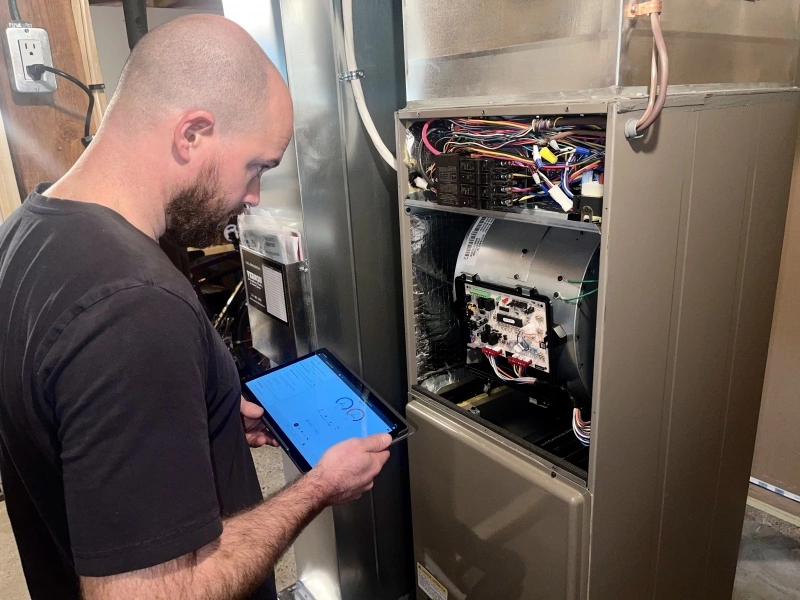
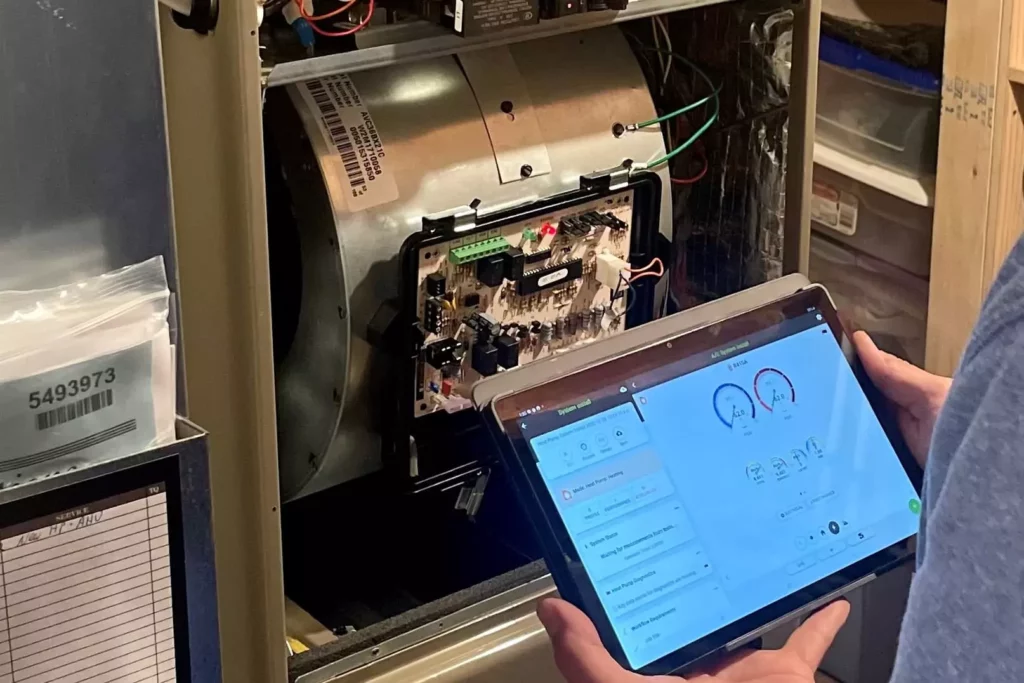
Smart thermostats and sensors offer advanced diagnostic capabilities that can help you monitor your furnace's performance and identify potential problems before they lead to a breakdown. These devices can track parameters like runtime, energy consumption, and temperature fluctuations. Some even offer predictive maintenance alerts based on historical data.
Integrating your furnace with a smart home system allows you to remotely monitor its status, adjust settings, and receive alerts on your smartphone or tablet. This can be particularly useful for homeowners who are away from home for extended periods.
Energy Savings and ROI
A properly functioning furnace control board is essential for energy efficiency. A faulty board can cause the furnace to run inefficiently, leading to higher energy bills. Replacing a faulty control board can restore your furnace's efficiency and save you money on your heating costs. According to Energy Star, upgrading to a more efficient furnace can save homeowners up to 15% on their energy bills. Coupled with a smart thermostat, this can be even more.
Furthermore, many utility companies offer rebates and incentives for upgrading to energy-efficient heating systems. Check with your local utility company to see if you qualify for any rebates. These rebates can help offset the cost of replacing the control board or upgrading to a more efficient furnace.
Troubleshooting and Repair Options
Based on your inspection and testing, you can determine the best course of action:
- Replace the control board: If the control board is damaged or faulty, replacing it is often the best option. You can purchase a replacement control board from an HVAC supply store or online retailer. Ensure that the replacement board is compatible with your furnace model.
- Repair minor issues: If the problem is a loose connection or a blown fuse, you may be able to repair it yourself. Tighten the connections and replace the fuse.
- Consult a qualified HVAC technician: If you are not comfortable working with electricity or gas appliances, or if the problem is complex, it's best to consult a qualified HVAC technician. They have the expertise and tools to diagnose and repair the problem safely and effectively.
Final Thoughts
Checking your furnace control board is a valuable skill for any homeowner or business owner looking to save money on energy bills and ensure their heating system operates efficiently. By following the steps outlined in this guide, you can identify common problems and take appropriate action. Remember to prioritize safety and consult a qualified HVAC technician if you are unsure about any aspect of the process. Maintaining a healthy control board not only saves money but also contributes to a more sustainable and comfortable living environment.